Artwork
Snuffbox
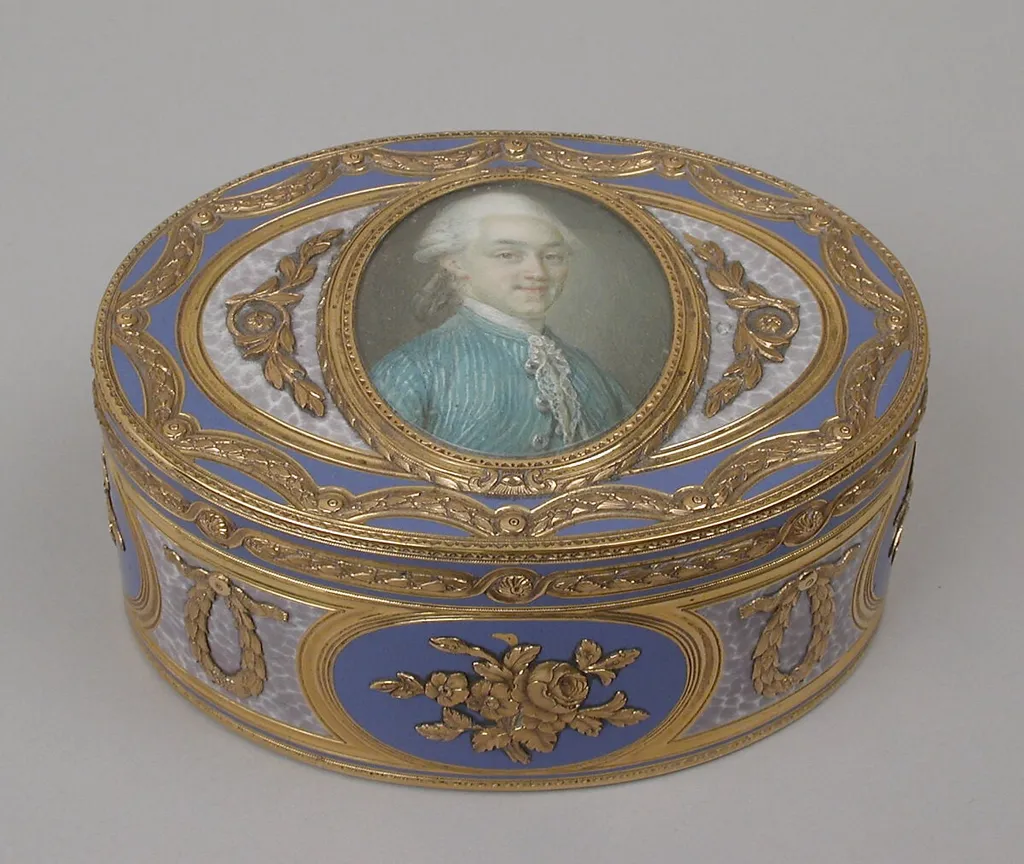
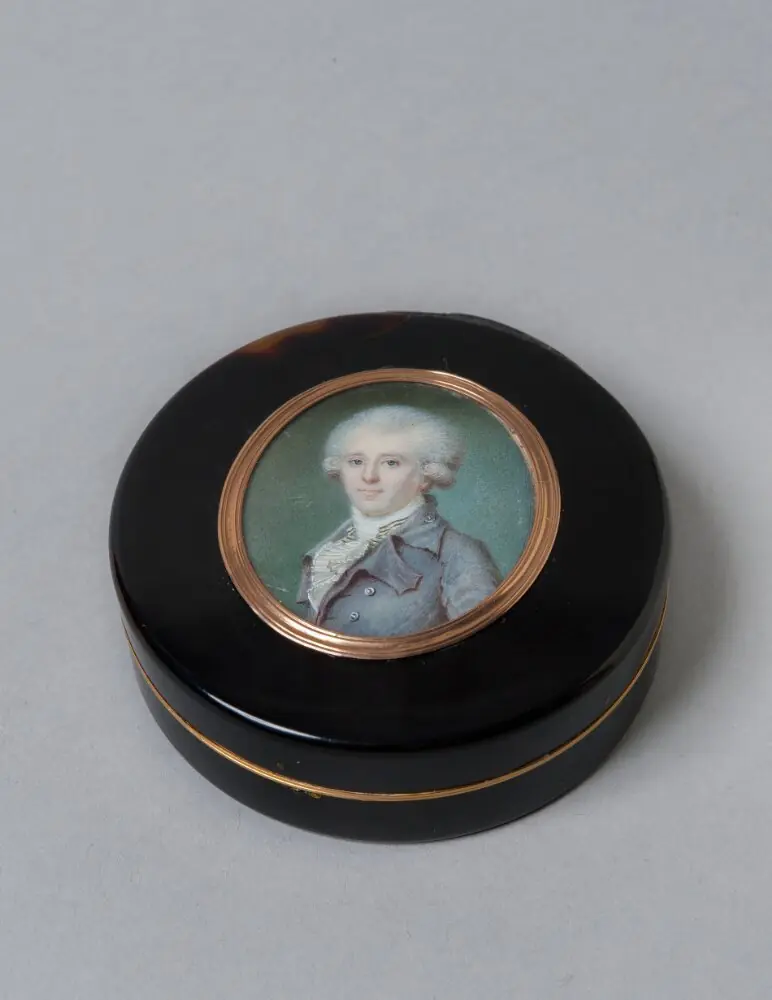
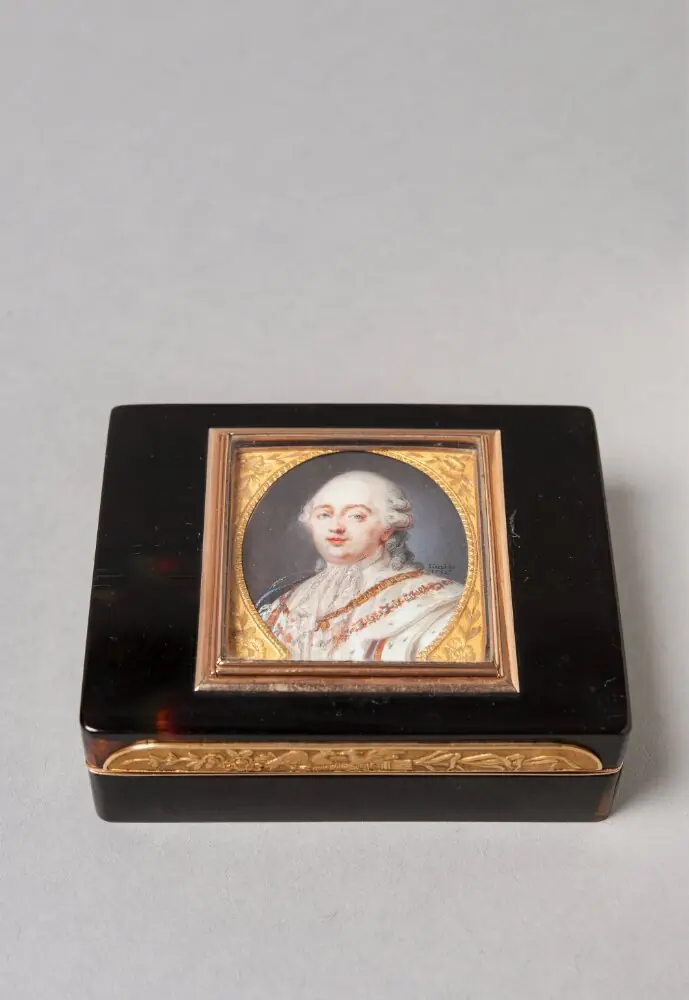
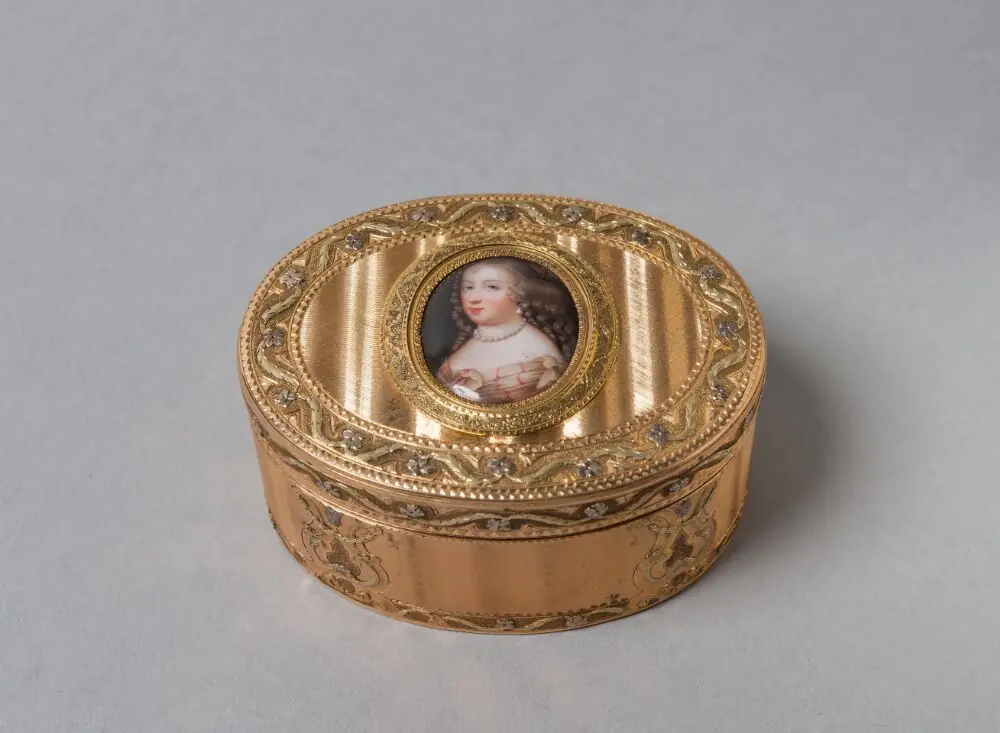
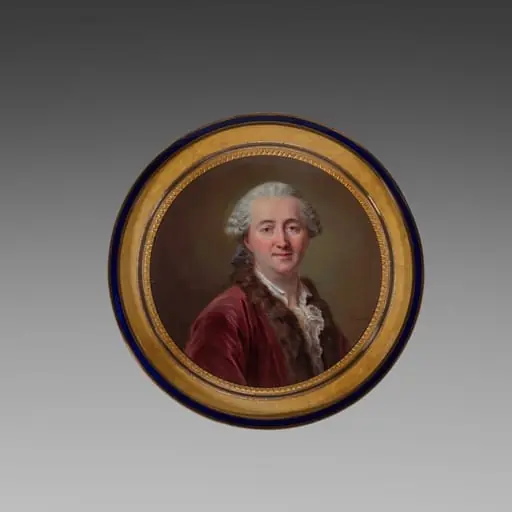
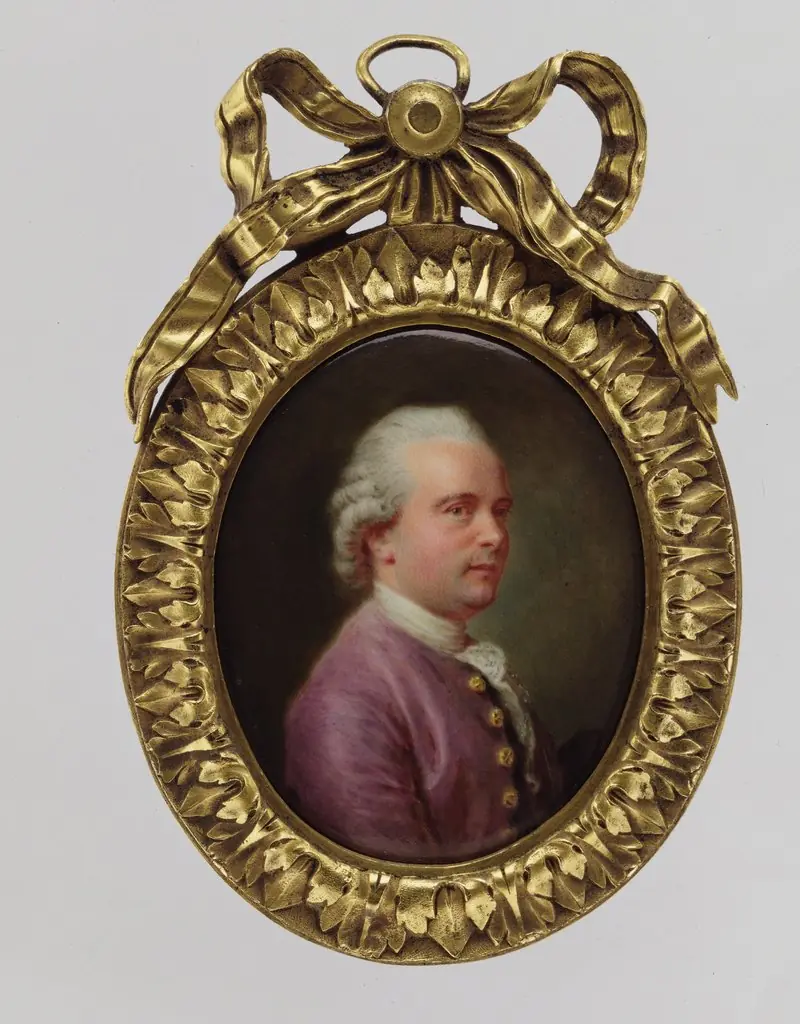
Snuffbox is a gold portrait miniature by the Romanticist artist Charles Le Bastier. It dates from 1772 and is held in the collection of the Metropolitan Museum of Art.
About this work
The object belongs to the Romanticism movement, reflecting the era’s taste for luxurious personal items.
Snuffbox is a small decorative piece made in 1771–72 by French artist Charles Le Bastier. It is crafted from gold and enamel, showing the fine work of the period. Gold gives it a warm shine, while enamel adds subtle color detail.
The object belongs to the Romanticism movement, reflecting the era’s taste for luxurious personal items.
You can see it in the collection of the Metropolitan Museum of Art. If you liked this, check out The Metropolitan Museum of Art.
Overview
This small gold snuffbox, crafted in 1771–72 by French artisan Charles Le Bastier, exemplifies the refined metalwork of late 18th-century France. Made from gold and enamel, it was designed as a functional yet ornamental object for personal use. Its delicate construction and polished surface reflect the era’s emphasis on luxury in everyday items, blending utility with artistic expression.
Subject & Meaning
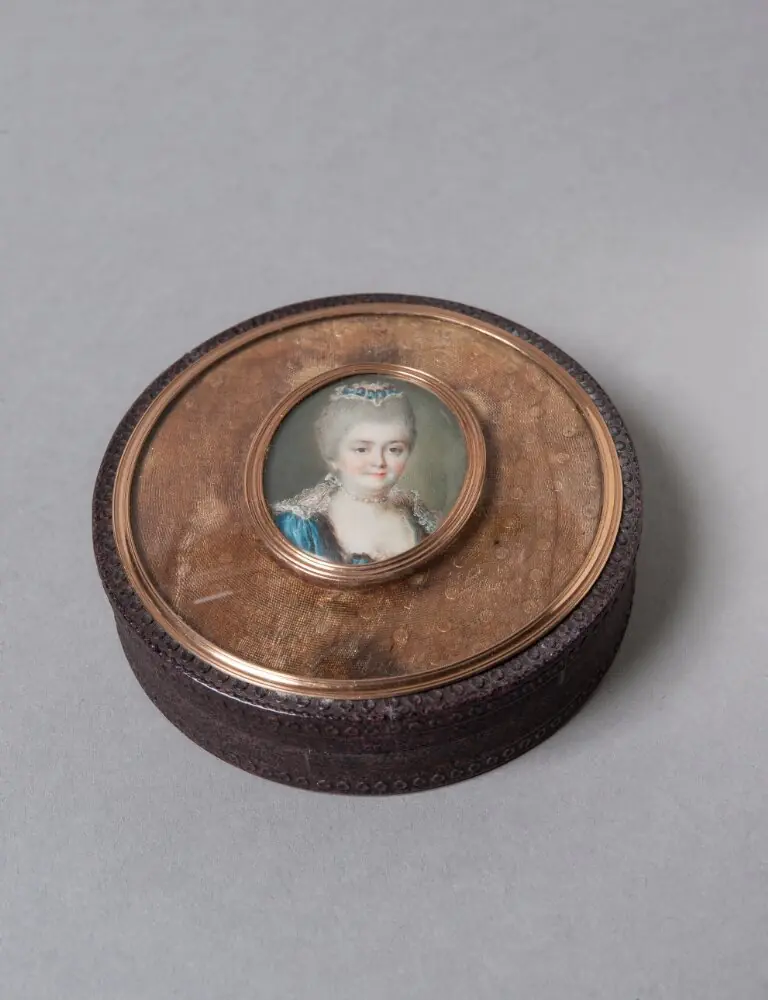
The snuffbox features a miniature painted scene, likely depicting a pastoral or aristocratic figure, typical of decorative motifs favored in elite circles. Such imagery conveyed refinement and cultivated taste, aligning with the social rituals of the time. While not overtly narrative, the scene served as a subtle marker of status and aesthetic sensibility among its users.
Technique & Style
The box is executed in gold with enamel detailing, showcasing precise handwork characteristic of French goldsmithing. The enamel is applied in thin, controlled layers to achieve subtle gradations of color, while the gold body is polished to a soft luster. The miniature painting, likely executed on a metal plaque inset into the lid, demonstrates the technical skill required for such small-scale decoration.
History & Provenance
Created in Paris during the reign of Louis XVI, the snuffbox entered the Metropolitan Museum of Art’s collection in 1976 as part of a bequest. Its documented origin traces to French workshops known for producing luxury objets d’art for the nobility and affluent bourgeoisie. Its survival in near-original condition is rare, given the fragility of enamel and frequent reuse of precious metal objects.
Context
Snuffboxes like this were popular among European elites in the 18th century, serving both practical and social functions. Their decoration often mirrored contemporary painting styles, though they remained distinct from fine art. This piece reflects the broader culture of personal adornment and the rising demand for finely crafted, portable luxury items before the upheavals of the French Revolution.
Legacy
Though no longer used for snuff, such objects are now valued as historical artifacts that reveal the craftsmanship and social habits of pre-revolutionary France. The snuffbox remains a quiet testament to the artistry of small-scale metalwork, preserved in museum collections as an example of how daily rituals were elevated through design.
Artist & collection

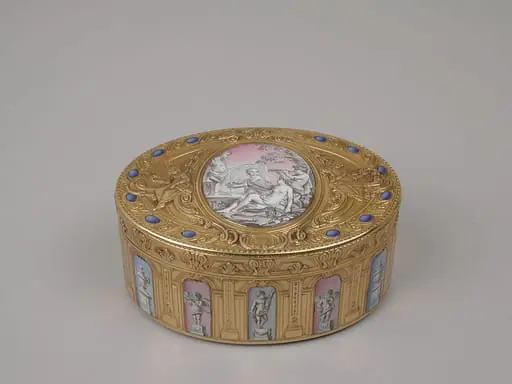 Snuffbox with grisaille decoration of Cupid and Venus
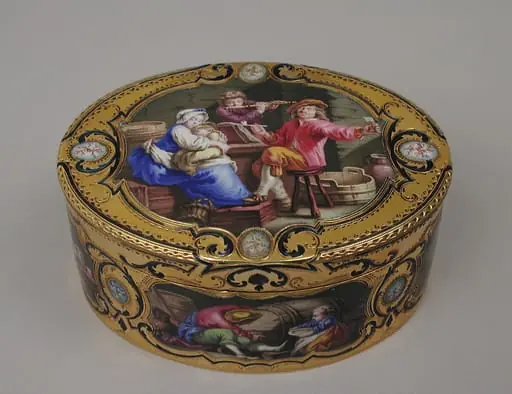 Snuffbox
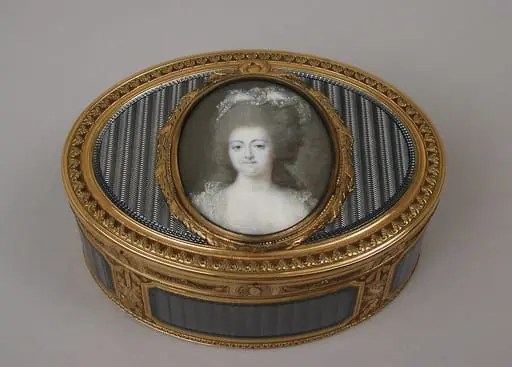 Snuffbox with portrait of a woman
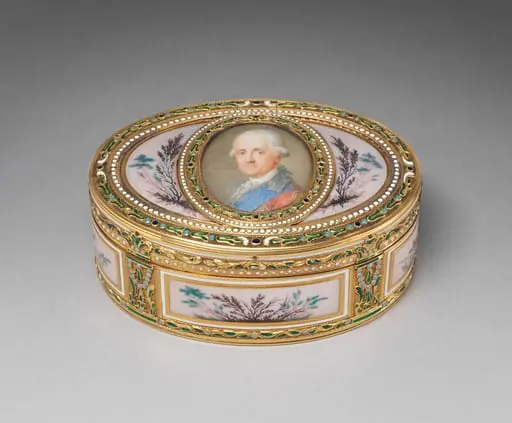 Snuffbox with portrait of a man, probably Prinz Karl von Sachsen (1733–1796)
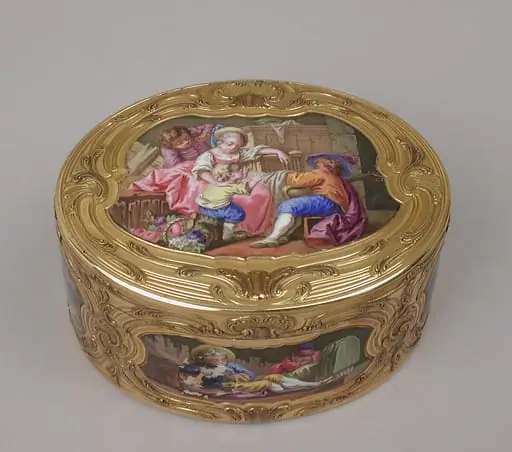 Snuffbox
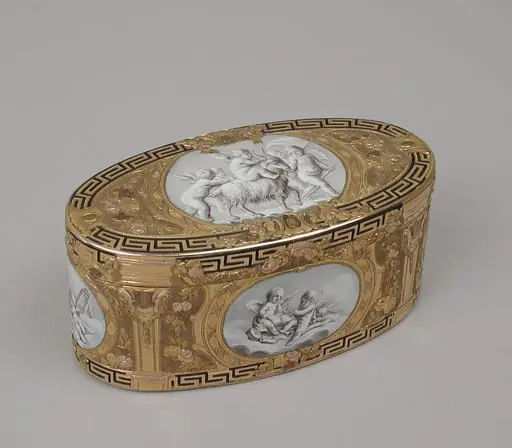 Snuffbox
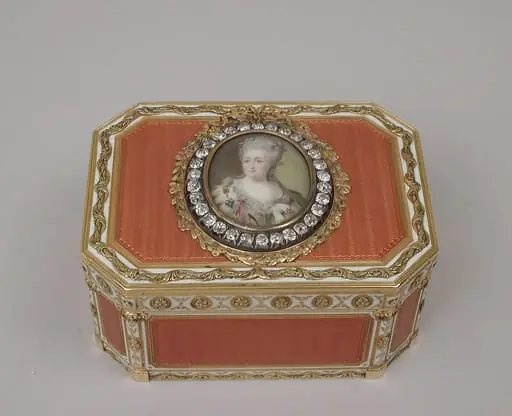 Snuffbox with portrait of Catherine II (1729–1796), Empress of Russia
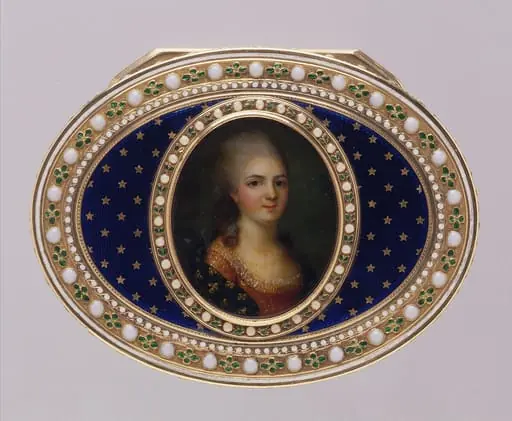 Snuffbox with portrait of a member of the French royal family, probably a daughter of Louis XV
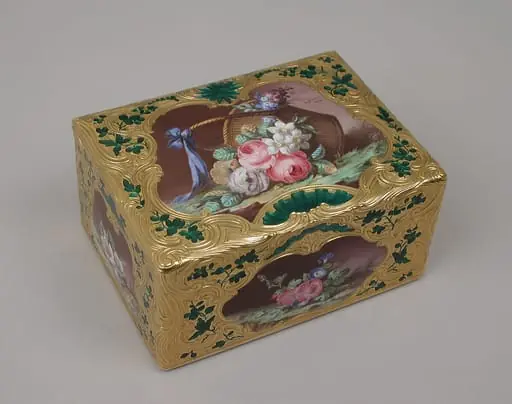 Snuffbox
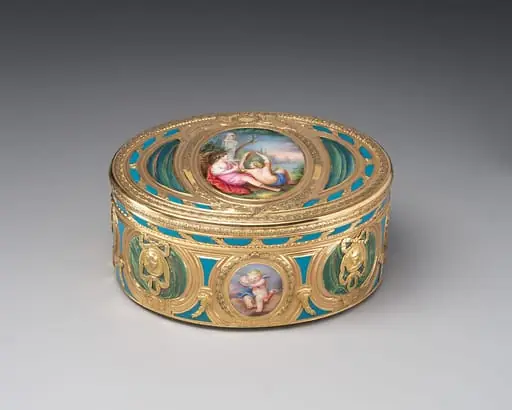 Snuffbox
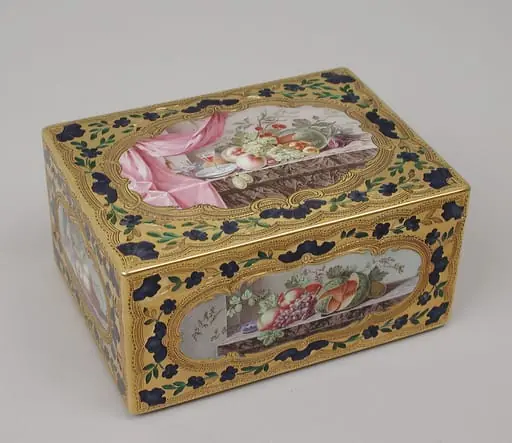 Snuffbox
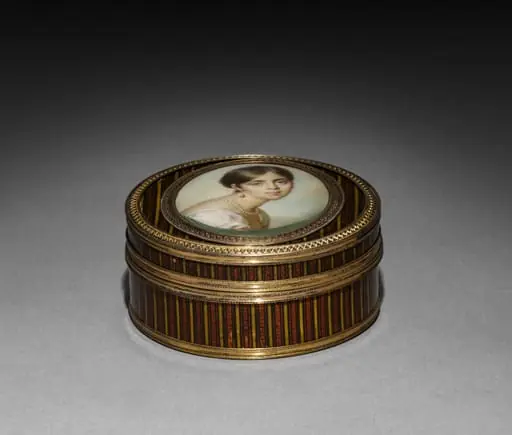 Snuff Box with a Portrait of a Young Woman