Artwork
Edmond-Charles-Edouard Genet (1763-1834), franskt sändebud i USA
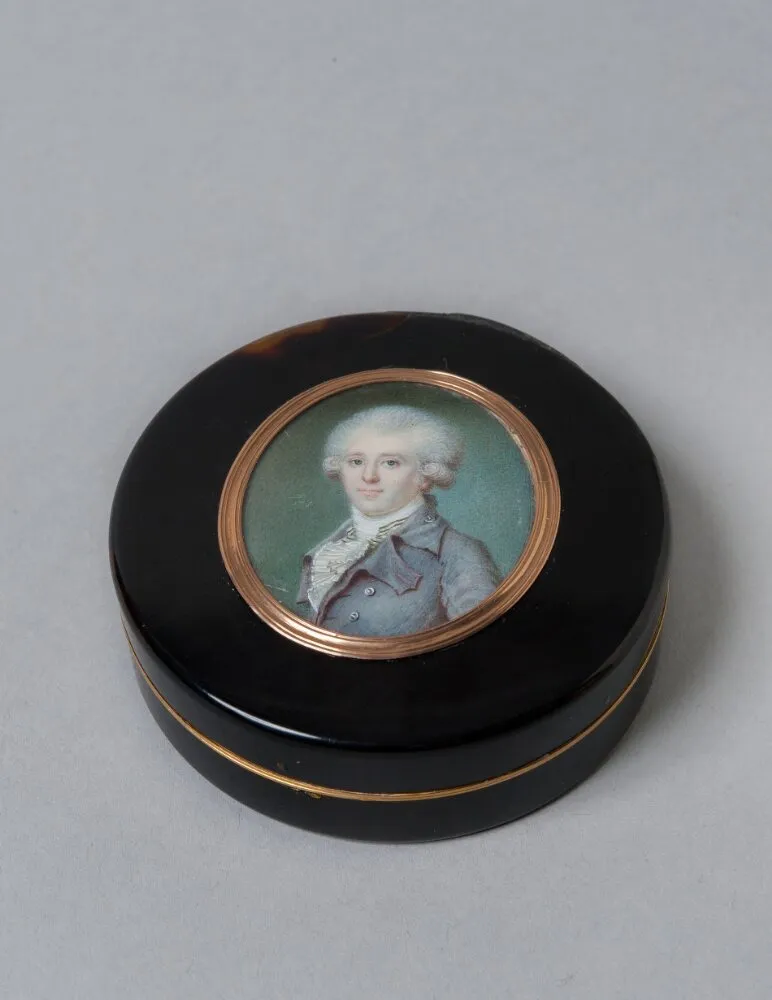
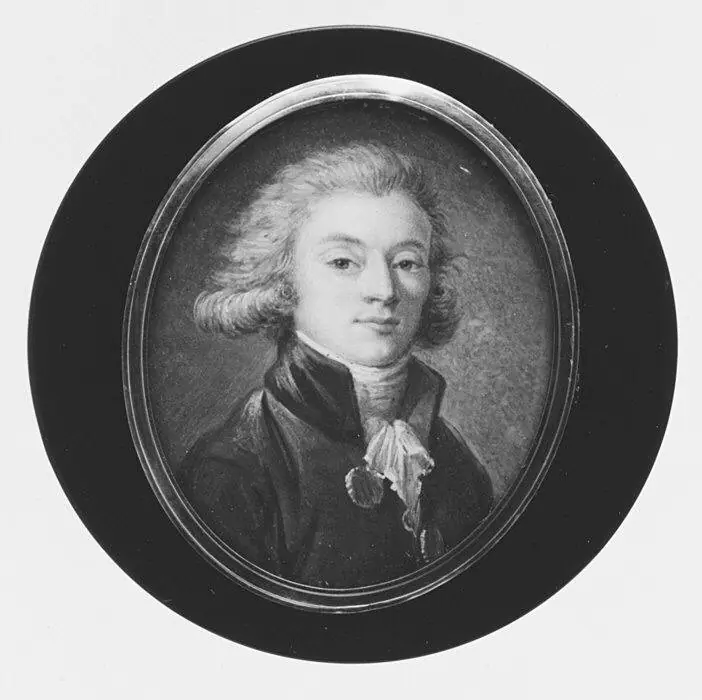
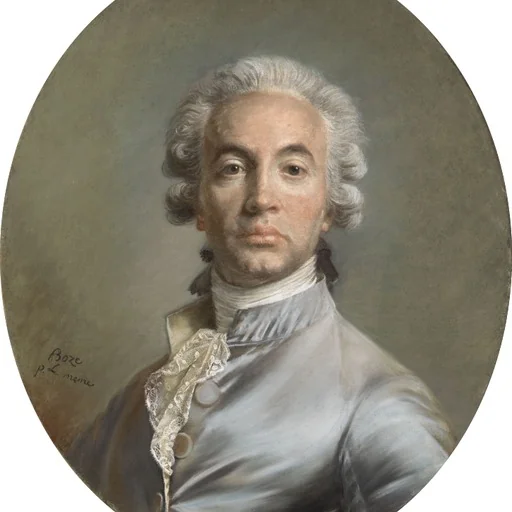
Edmond-Charles-Edouard Genet (1763-1834), franskt sändebud i USA is an unspecified painting by Joseph Boze. It dates from 1794 and is held in the collection of the Nationalmuseum.
About this work
Overview
Executed in oil, the work is part of the Nationalmuseum’s collection in Sweden.
This portrait, painted in 1794 by Joseph Boze, captures Edmond-Charles Genêt, the French diplomatic representative to the United States during a turbulent phase of the French Revolution. Executed in oil, the work is part of the Nationalmuseum’s collection in Sweden. Boze, known for his refined portraiture during the late ancien régime and revolutionary years, rendered Genêt with precision, emphasizing his status and composure amid political upheaval.
Subject & Meaning
Genêt, appointed by the French Republic in 1793, sought American support for its war against Britain and Spain. His controversial actions in the U.S. led to his recall and eventual exile. The portrait, painted as his tenure neared its end, presents him with calm authority—direct gaze, composed posture—suggesting a man asserting legitimacy despite mounting diplomatic friction. His attire and bearing reflect the ideals of revolutionary elegance, not aristocratic excess.
Technique & Style
Boze employed a restrained palette and meticulous brushwork to convey texture and form. Genêt’s white hair and crisp white cravat contrast subtly with his dark blue jacket, while the muted green background avoids distraction. Facial features are rendered with clinical accuracy, capturing age and character without idealization. The painting’s clarity and tonal balance reflect Boze’s mastery of the portrait tradition, rooted in 18th-century French academic practice.
History & Provenance
Commissioned during Genêt’s time in America, the portrait likely traveled to Europe after his recall in 1794. It entered the Nationalmuseum’s holdings in Sweden, possibly through diplomatic channels or private acquisition in the early 19th century. Its preservation suggests continued interest in Genêt’s role as a symbol of revolutionary diplomacy, even after his political fall from grace.
Context
Painted at the height of the French Revolution’s radical phase, the portrait reflects the transatlantic tensions between revolutionary ideals and diplomatic pragmatism. Genêt’s mission to rally American support clashed with U.S. neutrality, straining Franco-American relations. Boze’s depiction, free of overt political symbolism, instead conveys the dignity expected of a republican envoy—aligning with the era’s shift from monarchy to civic representation in portraiture.
Legacy
The portrait endures as a quiet testament to a diplomat whose actions influenced early American foreign policy. While Genêt’s career faded into obscurity, Boze’s rendering preserves his image with sober realism. It stands as an example of how revolutionary figures were visually framed—not as radicals, but as statesmen—by artists navigating the collapse of old hierarchies and the uncertain rise of new ones.
Artist & collection
Artist
Joseph Boze (7 February 1746 – 17 January 1826) was a French portrait painter and pastellist mostly active during the ancien régime and the French Revolution.