Artwork
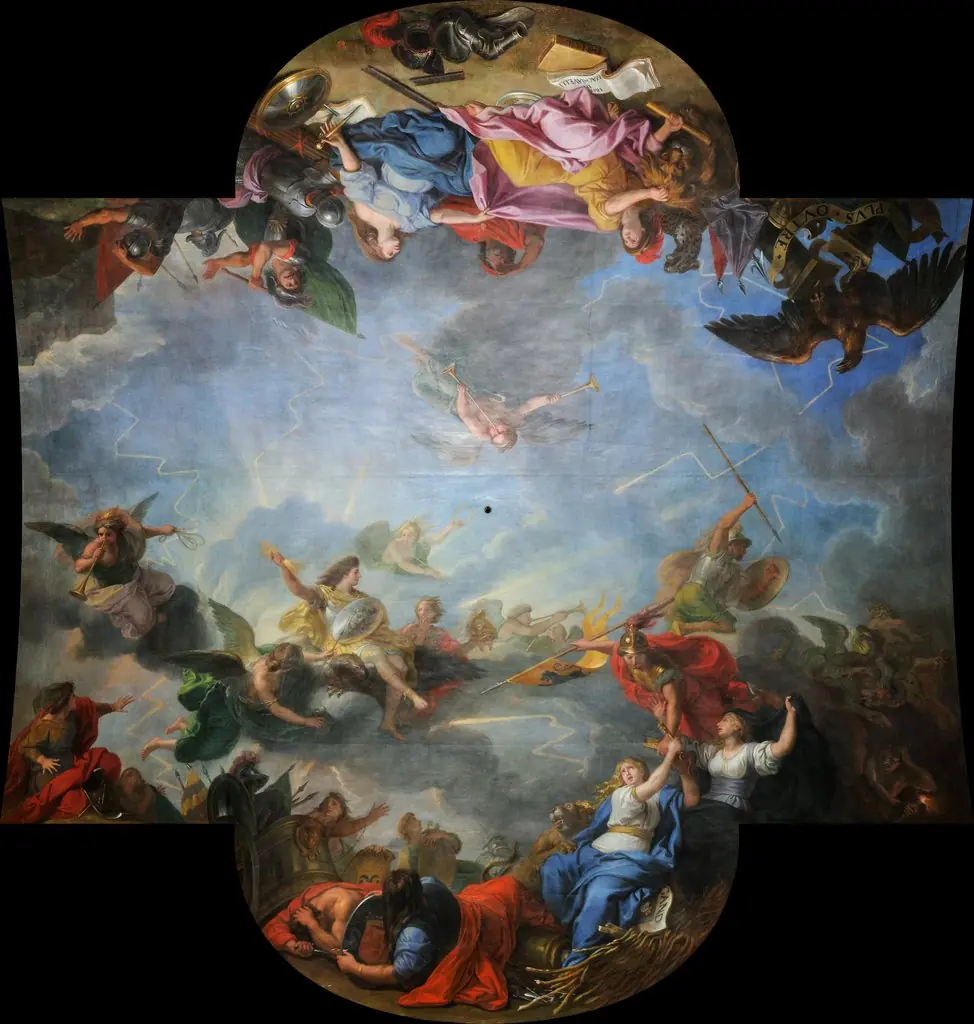
Apotheosis of Louis XIV
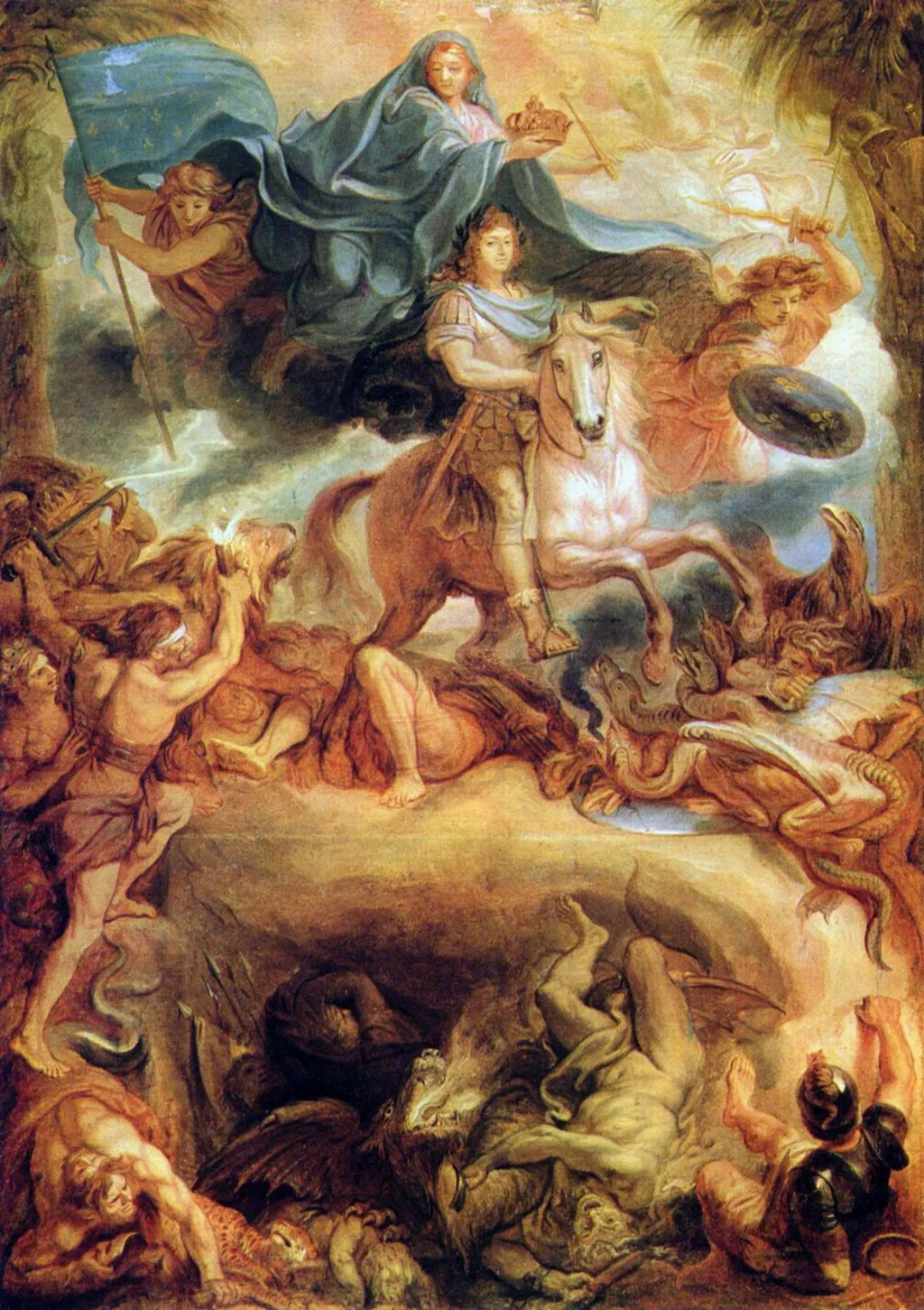
Apotheosis of Louis XIV is an oil painting by the French Classical Baroque artist Charles Le Brun. It dates from 1689 and is held in the collection of the Museum of Fine Arts, Budapest.
About this work
Overview
Le Brun, as First Painter to the King, orchestrated the visual language of Versailles, and this piece exemplifies his role in shaping state-sponsored imagery.
Painted in 1689 by Charles Le Brun, this oil on canvas work was commissioned to honor Louis XIV as a divinely sanctioned ruler. It was created during the height of the French monarchy’s cultural dominance, serving as visual propaganda that fused royal authority with mythological symbolism. Le Brun, as First Painter to the King, orchestrated the visual language of Versailles, and this piece exemplifies his role in shaping state-sponsored imagery.
Subject & Meaning
The central figure, Louis XIV, is portrayed ascending toward celestial glory, barefoot and clad in classical robes, evoking ancient emperors and gods. He holds a sword and crown, symbols of military and sovereign power, while a draped blue cloth suggests imperial dignity. Surrounding figures—angelic attendants, allegorical virtues, and military attendants—reinforce his divine right to rule, transforming earthly kingship into a transcendent, mythic event.
Technique & Style
Le Brun employed the principles of French Classical Baroque: balanced composition, idealized forms, and theatrical lighting to elevate the scene. Warm earth tones ground the composition, while highlights on the white horse and royal garments draw the eye upward. Figures are rendered with precise anatomy and dramatic gestures, reflecting academic training and the influence of Raphael and Rubens, adapted to serve absolutist ideology.
History & Provenance
Commissioned for the Palace of Versailles, the painting was part of a broader decorative program designed to glorify Louis XIV’s reign. It remained in royal collections until the French Revolution, after which it entered the Louvre. Its survival through political upheaval underscores its status as a document of state power rather than mere decoration.
Context
Created during a period when Louis XIV centralized power and suppressed noble autonomy, the painting reflects the monarchy’s use of art to legitimize authority. Le Brun’s style aligned with the Académie Royale’s doctrines, which prioritized historical and mythological subjects to convey moral and political order. The work was one of many in a vast visual campaign to equate the king with Apollo and Augustus.
Legacy
Though less widely known than other royal portraits, the painting exemplifies the fusion of art and absolutism in 17th-century France. It influenced later state portraiture across Europe, establishing a visual template for divine kingship. Today, it remains a key reference for understanding how political power was encoded in artistic form during the early modern era.
Own this work as a print
Artist & collection
Artist
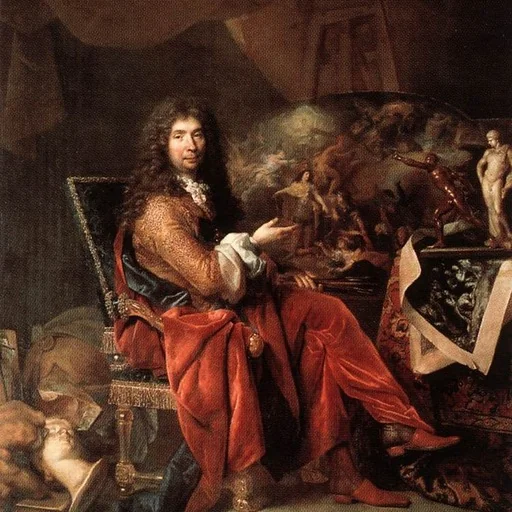
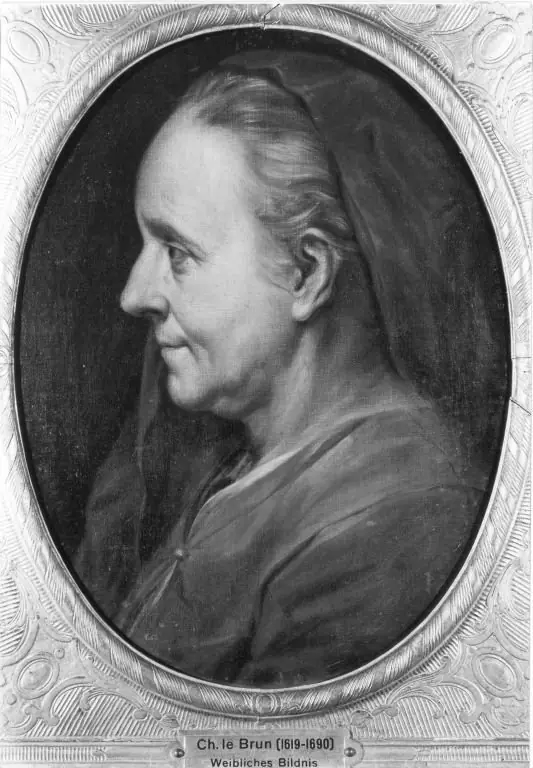
Charles Le Brun (French pronunciation: ; baptised 24 February 1619 – 12 February 1690) was a French painter, physiognomist, art theorist, and a director of several art schools of his time.

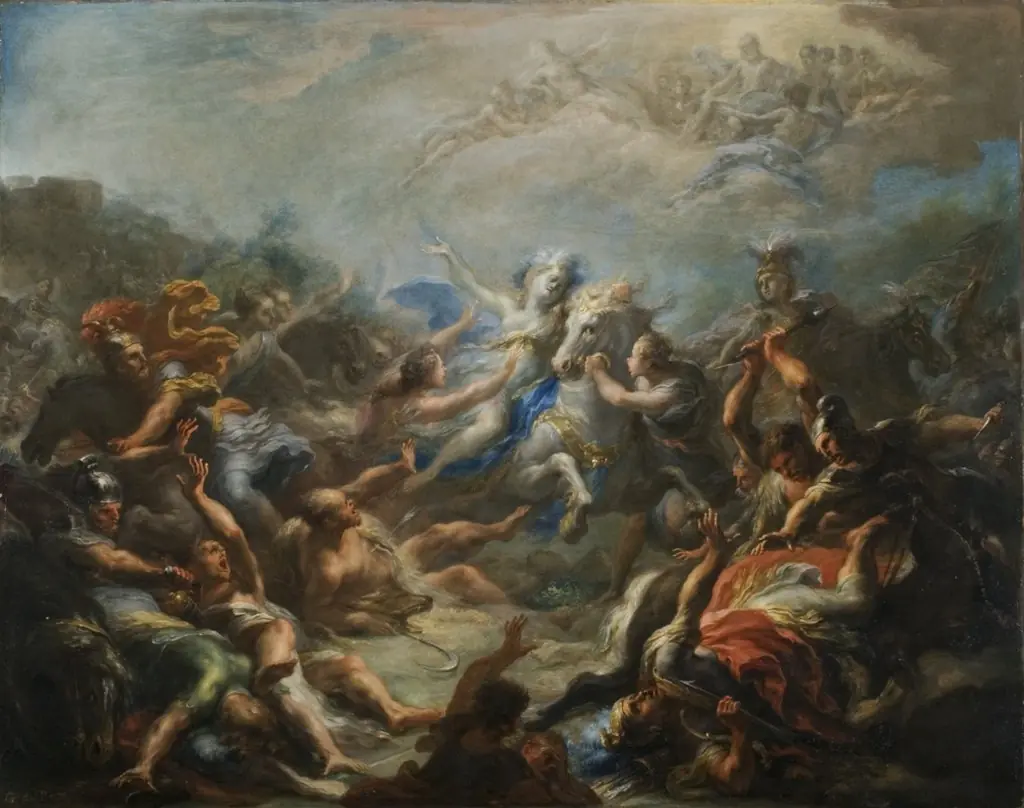 Camillia at War from Virgil's Aeneid
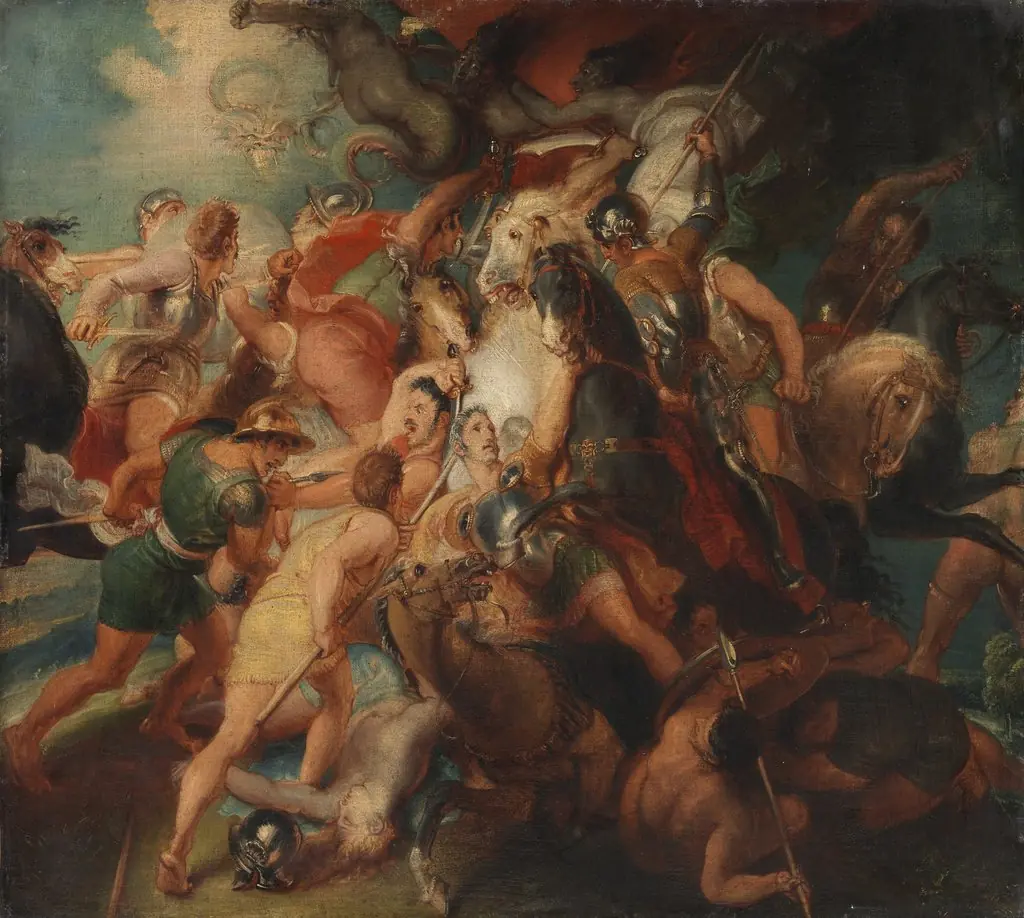 The Horrors of War, Sketch for Burghley House Mural
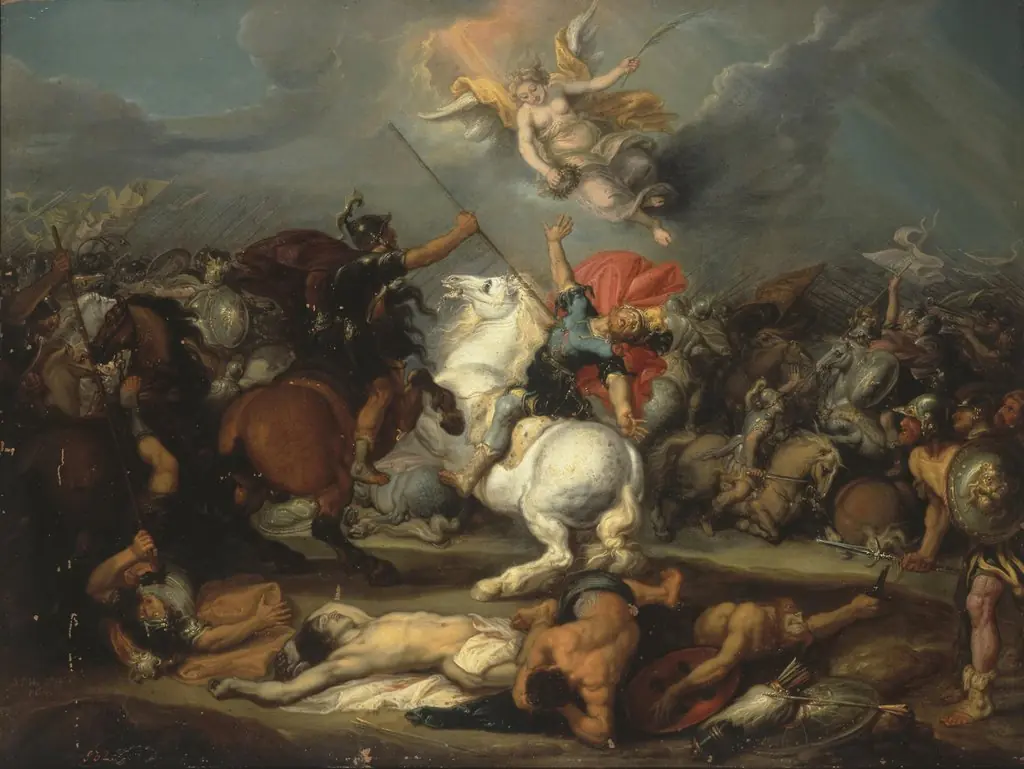 Death of Decius Mus
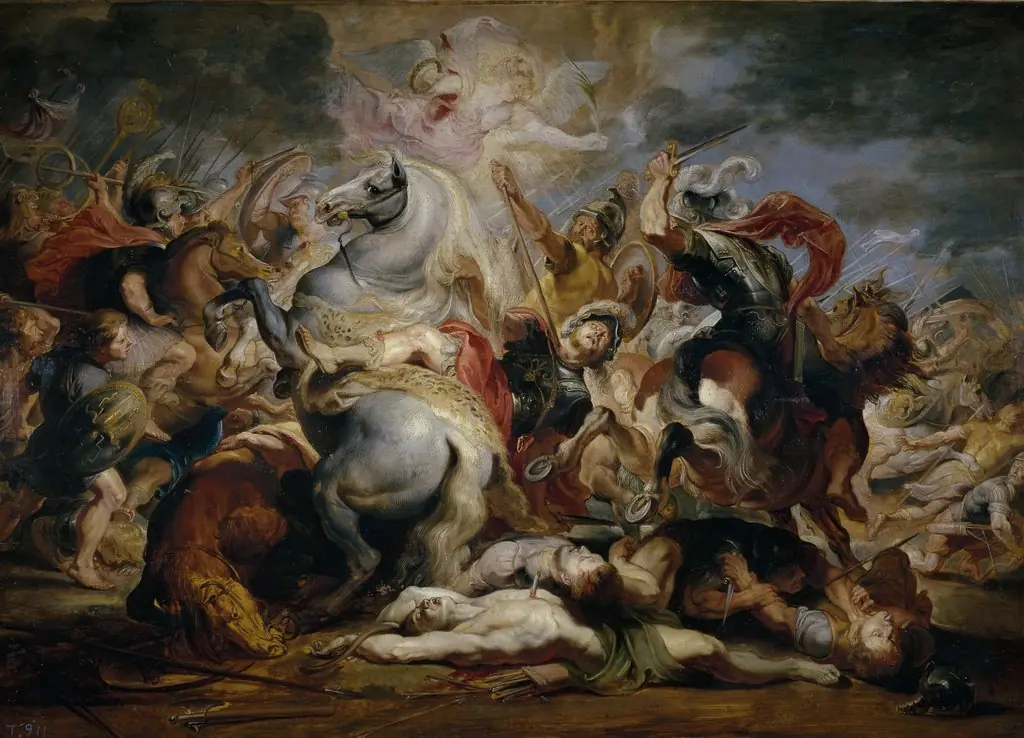 The Death of the Consul Decius
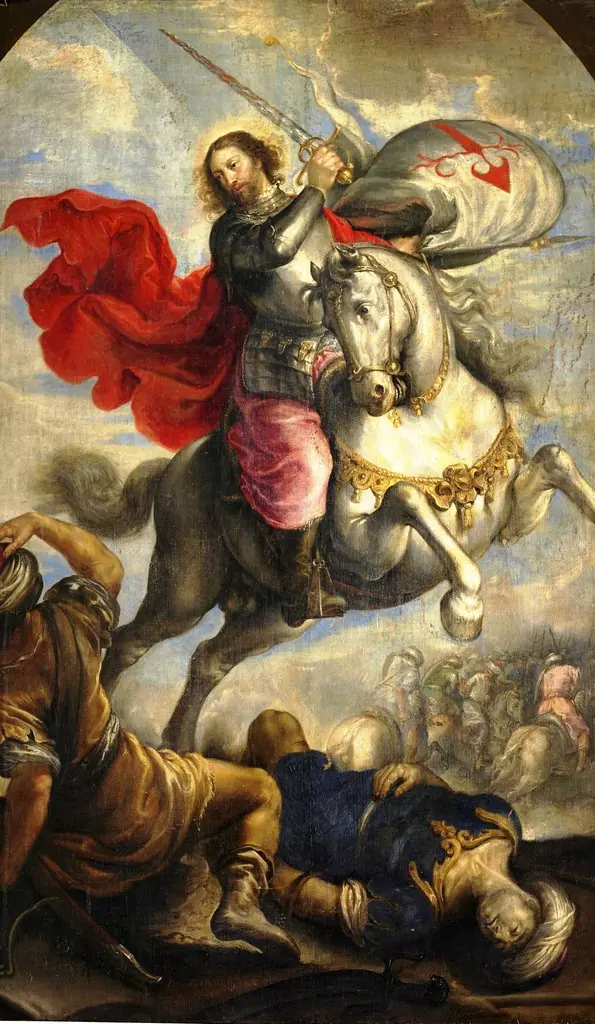 The Apostle Saint James or Saint James the Moor Slayer
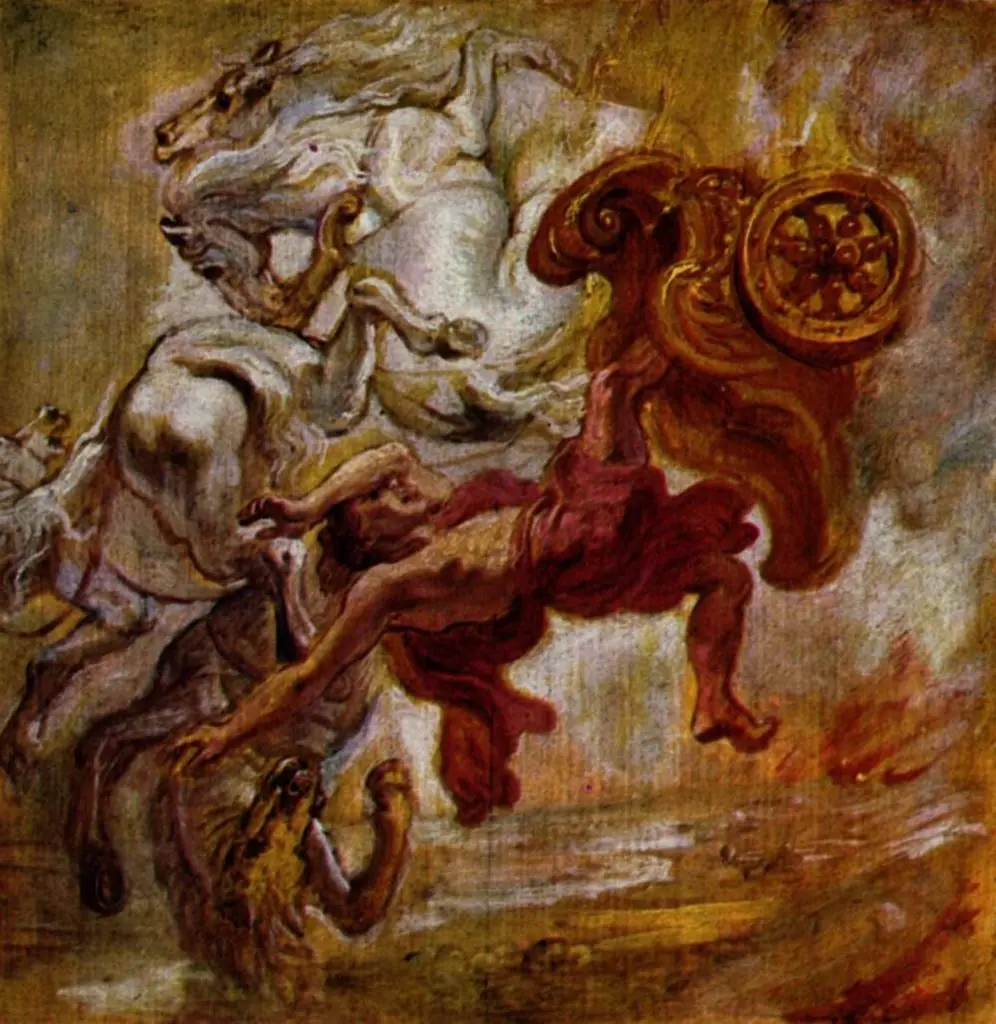 The Fall of Phaethon (sketch for the Torre de la Parada
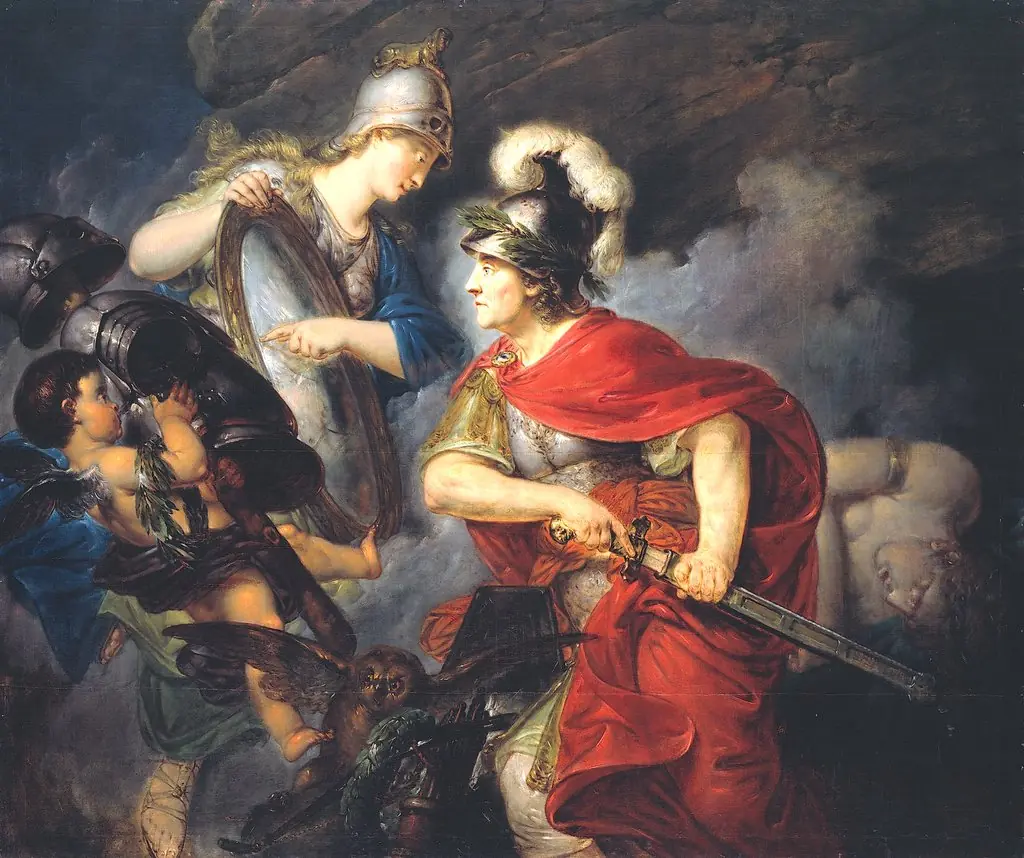 Allegory of Frederick the Great as Perseus
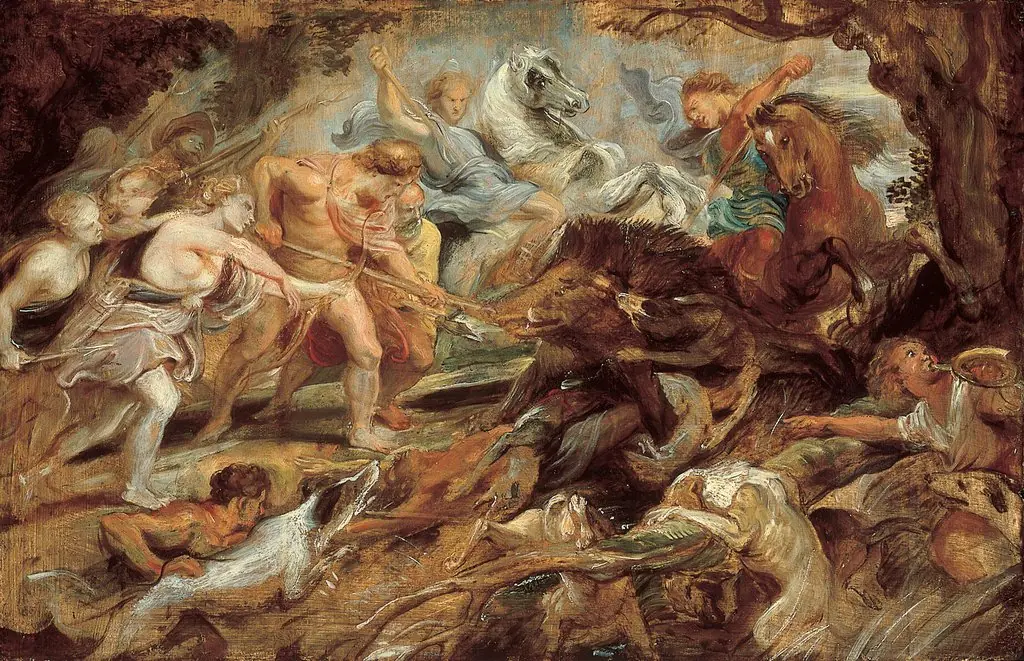 Meleager and Atalanta and the Hunt of the Calydonian Boar
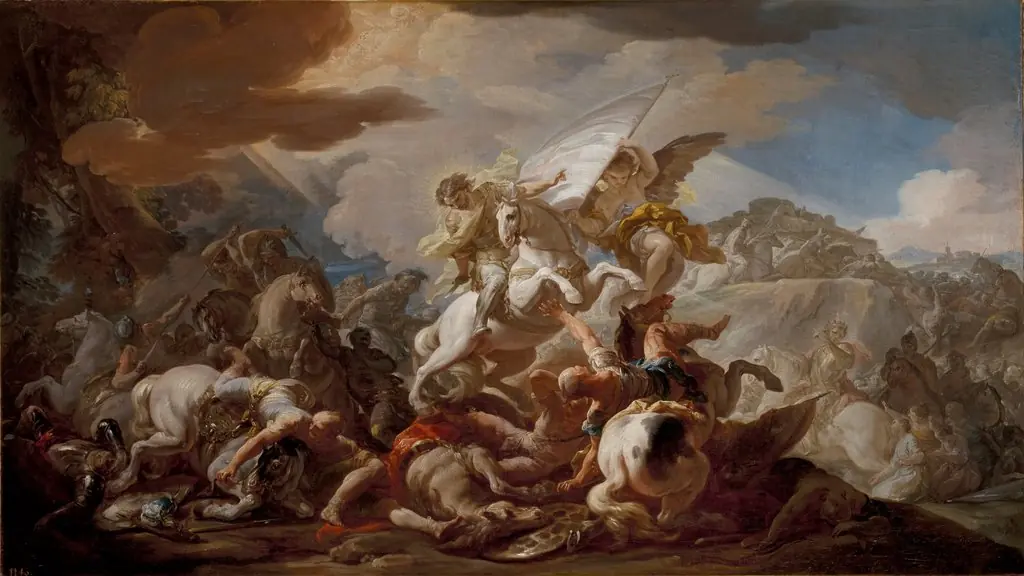 Battle of Clavijo
 Beheading of a Martyr
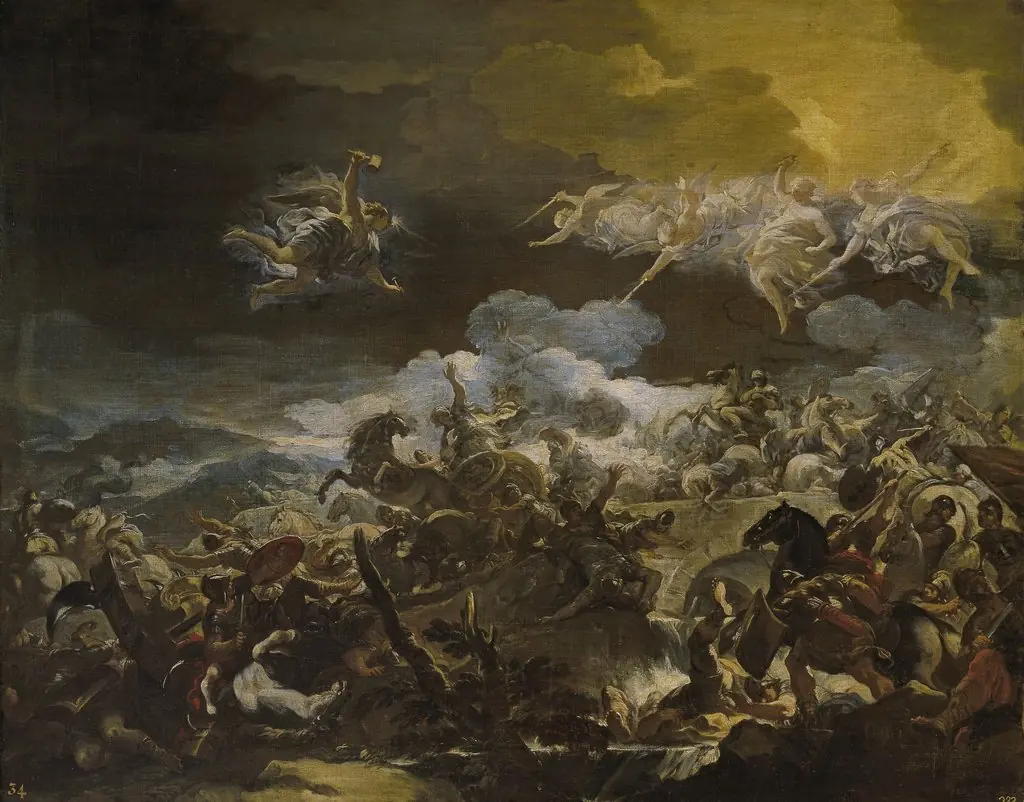 The Defeat of Sisera
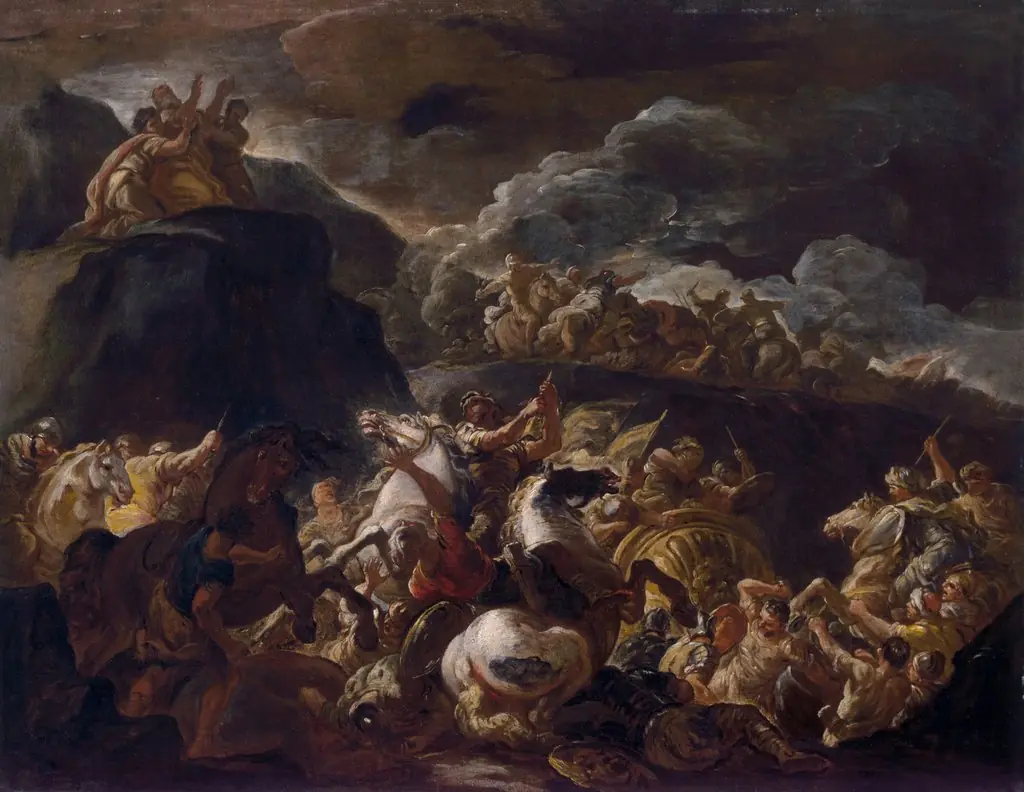 The Battle of Israel and Amalek