Artwork
Beheading of a Martyr
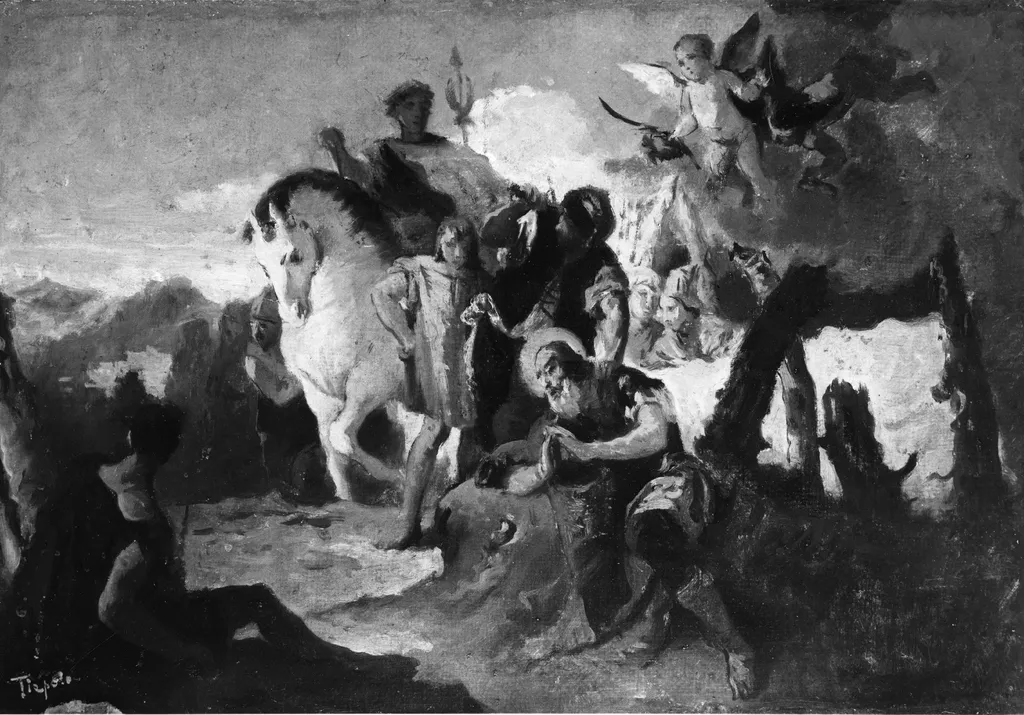
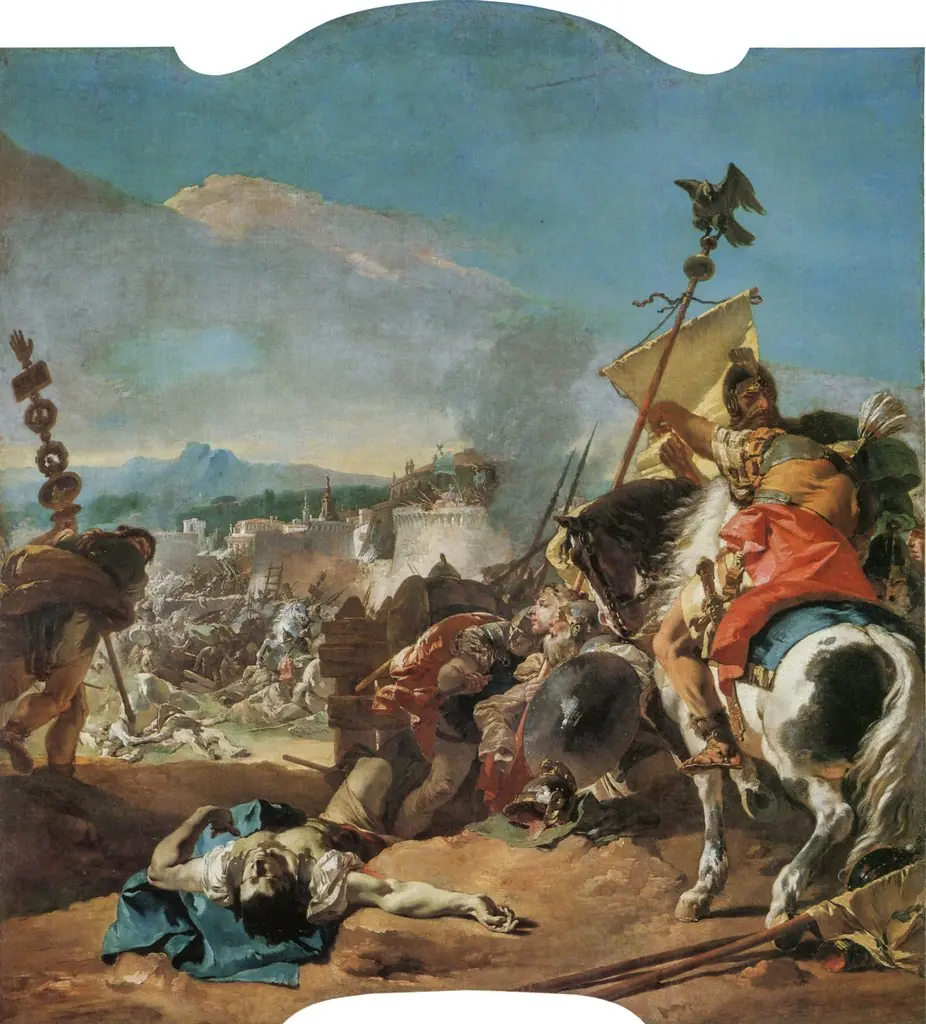
Beheading of a Martyr is an oil painting by the Rococo painting artist Giovanni Battista Tiepolo. It is held in the collection of the Walters Art Museum.
About this work
Overview
The work is part of the Walters Art Museum’s collection and reflects the dramatic sensibility of late Baroque and early Rococo traditions.
An oil painting attributed to Giovanni Battista Tiepolo, dated around 1850, depicts a moment of violent sacrifice. The work is part of the Walters Art Museum’s collection and reflects the dramatic sensibility of late Baroque and early Rococo traditions. Though often linked to Rococo for its theatricality, its emotional intensity and compositional gravity align more closely with earlier religious narratives reinterpreted through 18th-century visual language.
Subject & Meaning
The scene portrays the execution of a Christian martyr, shown kneeling with arms bound, gazing upward as if in prayer or transcendence. A group of onlookers, including a figure in white, observes the act with varied expressions. The upward gaze suggests spiritual focus amid physical suffering, reinforcing themes of faith and divine witness. The absence of overt symbols of sainthood leaves the martyr’s identity ambiguous, emphasizing universal sacrifice over specific hagiography.
Technique & Style
Tiepolo employs chiaroscuro to heighten emotional tension, directing light onto the martyr’s form while plunging surrounding figures and architecture into shadow. Brushwork is fluid yet precise, with soft transitions between light and dark enhancing the three-dimensionality of the figures. The composition is tightly focused, minimizing background detail to isolate the moment of execution, reinforcing its psychological weight through controlled spatial economy.
History & Provenance
The painting entered the Walters Art Museum’s collection in the early 20th century, acquired as part of Henry Walters’ broader assembly of European art. Its attribution to Tiepolo has been subject to scholarly review, with some noting stylistic departures from his better-documented works. Despite uncertainties, its quality and composition support a credible association with his circle or a close follower active in the mid-19th century.
Context
Created during a period when religious imagery was being reevaluated amid secularizing trends, the painting reflects a lingering interest in martyrdom as a visual metaphor for moral conviction. While Tiepolo’s earlier works often celebrated celestial grandeur, this piece turns inward, focusing on human vulnerability. Its production may have responded to revived devotional sentiments in Catholic communities, even as artistic tastes shifted toward realism and romanticism.
Legacy
Though not among Tiepolo’s most widely studied works, the painting contributes to understanding the persistence of religious drama in 19th-century art. Its presence in a major American museum underscores the transatlantic circulation of European religious imagery. Scholars continue to examine its stylistic origins, using it as a case study in how Baroque techniques were adapted beyond their original context into later artistic practices.
Own this work as a print
Artist & collection

Artist
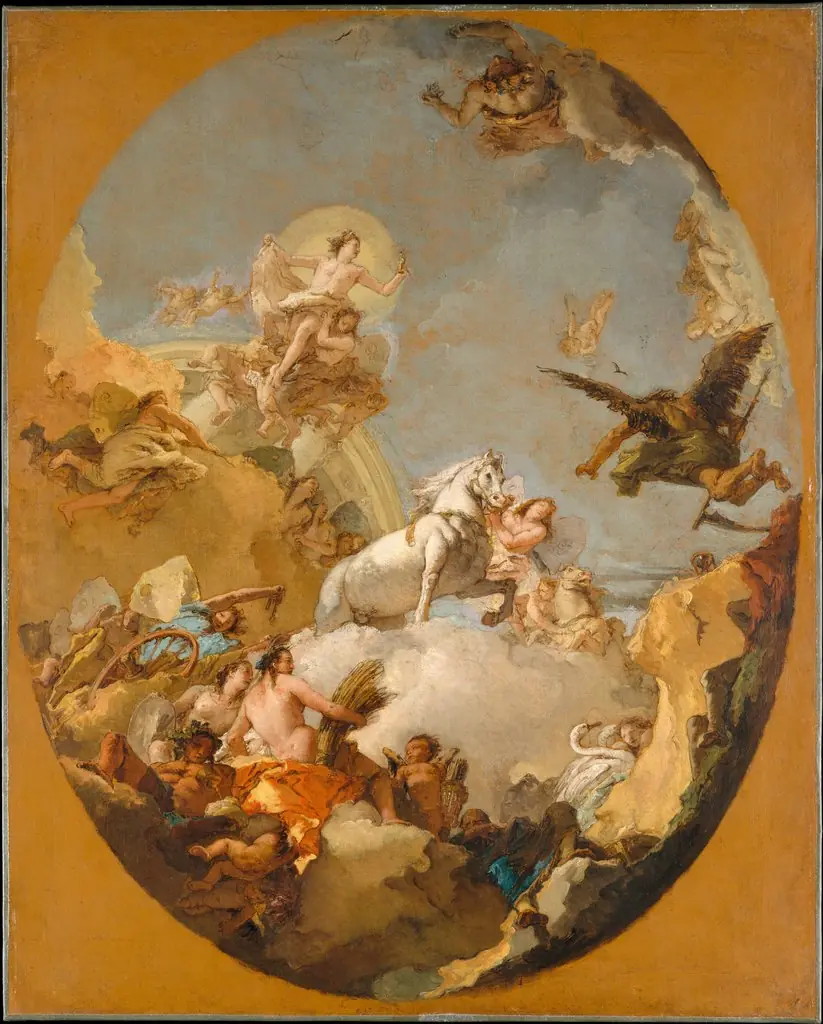
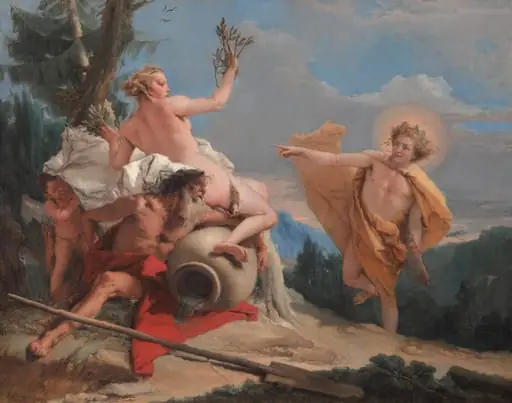
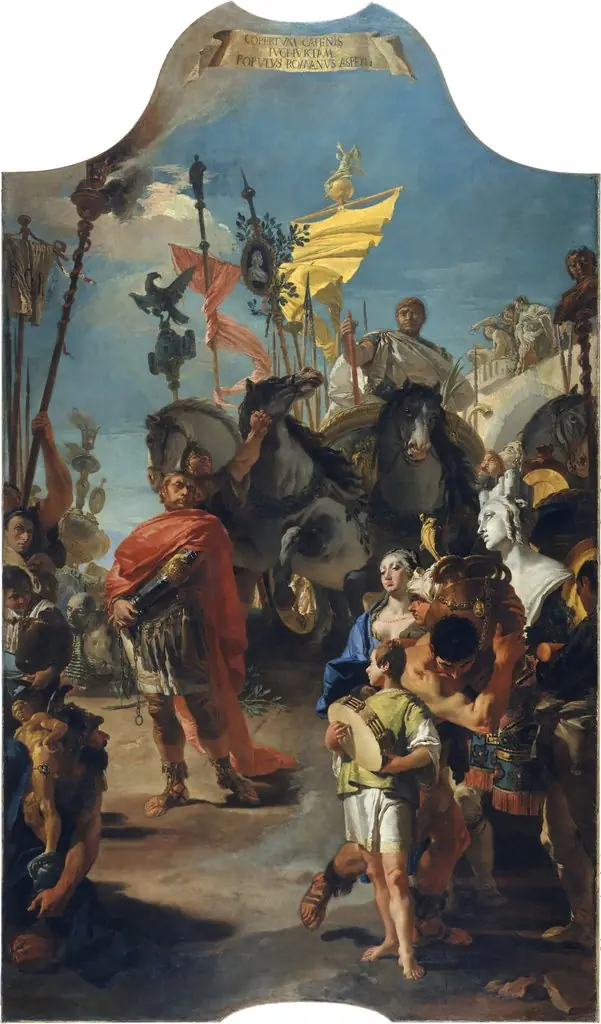
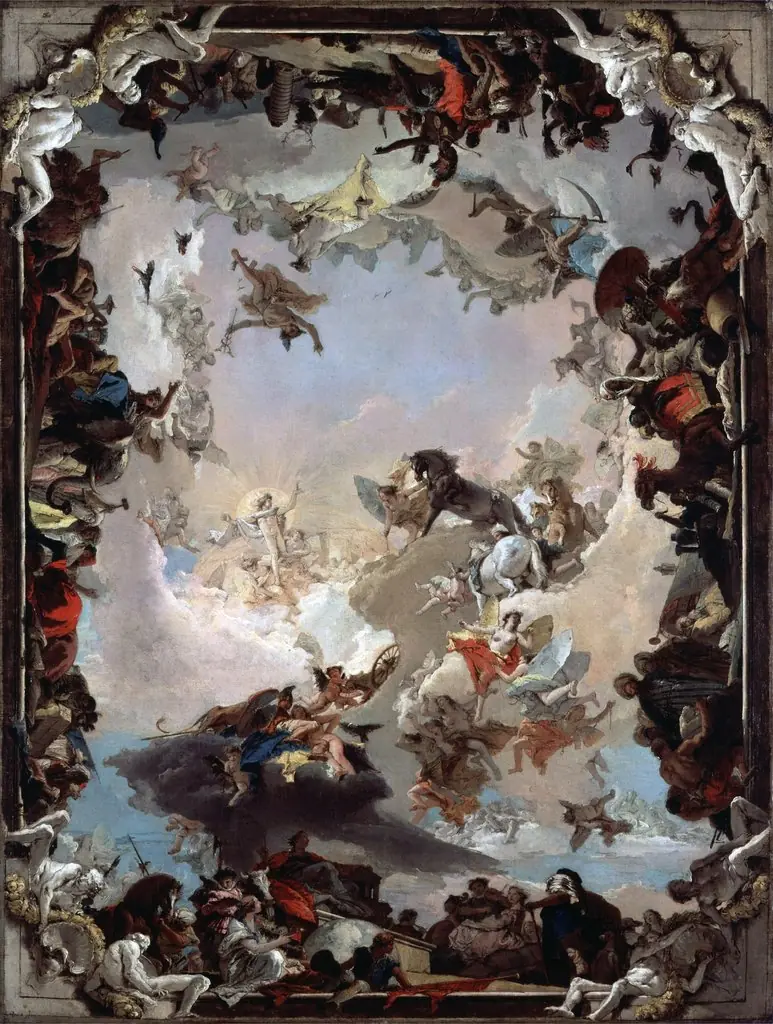
Giovanni Battista Tiepolo, also known as Giambattista Tiepolo, was an Italian painter and printmaker from the Republic of Venice who painted in the Rococo style, considered an important member of the 18th-century Venetian school.

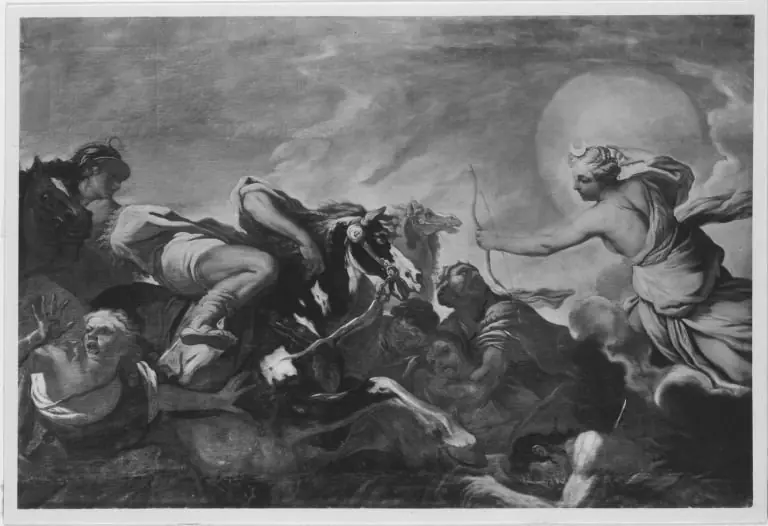 Diana tötet die Kinder der Niobe
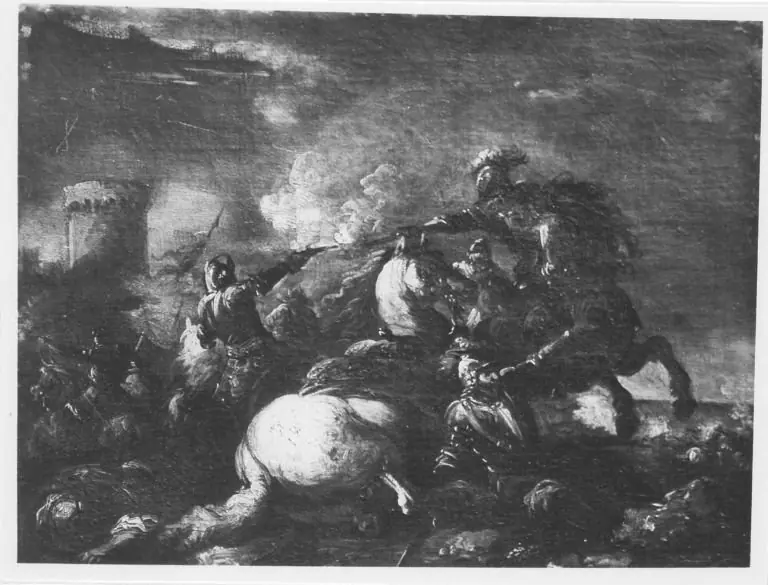 Reitergefecht
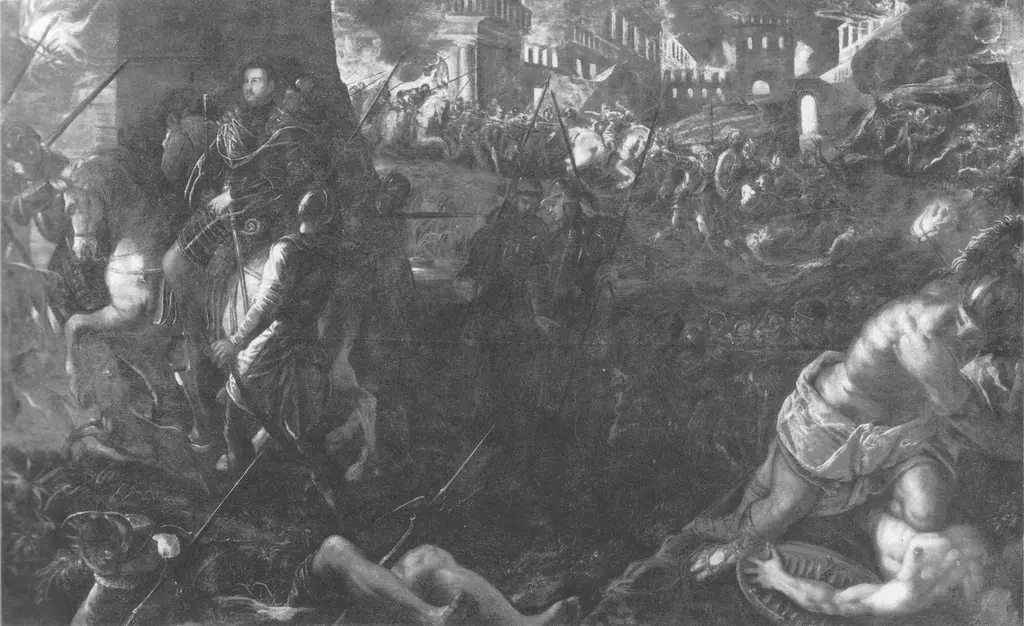 Gonzaga-Zyklus, II. Reihe, 1. Einnahme von Mailand
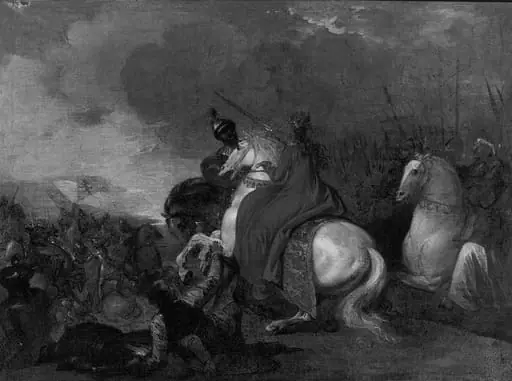 Queen Philippa at the Battle of Neville's Cross
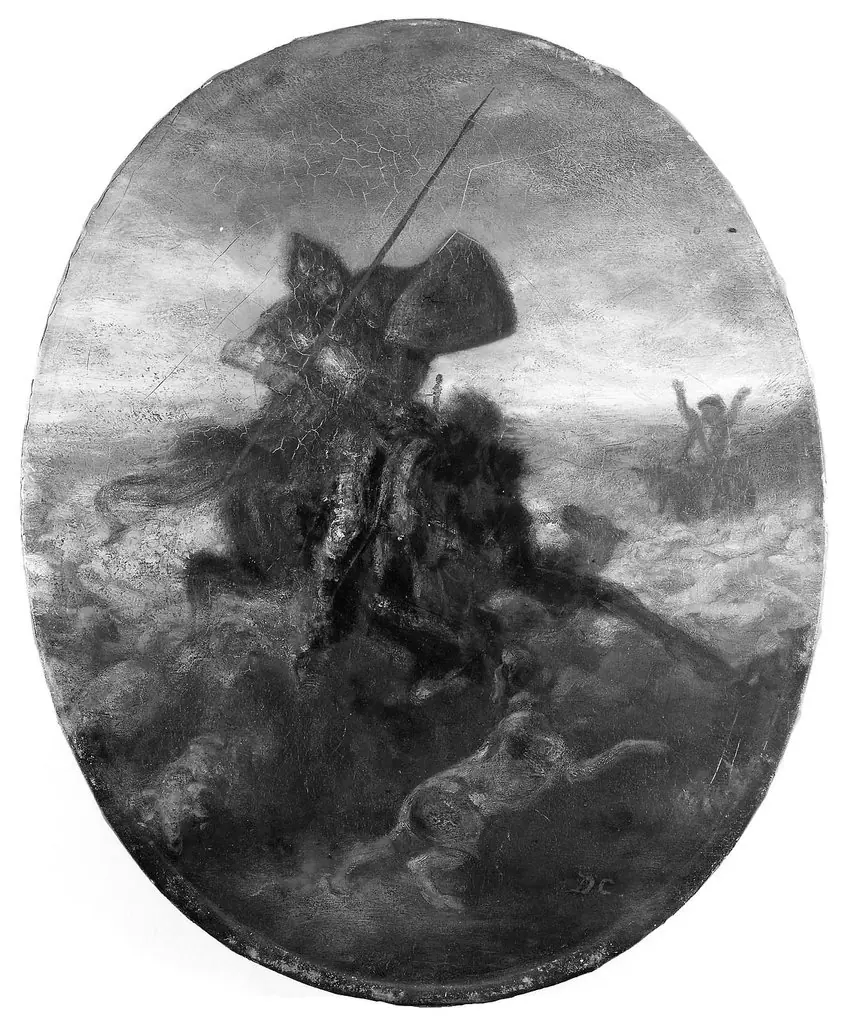 Don Quixote Charging the Sheep
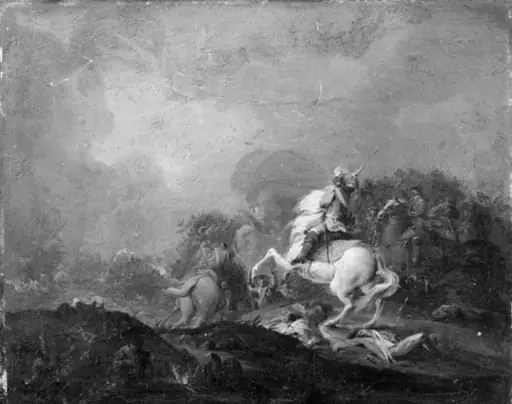 Rytterfægtning
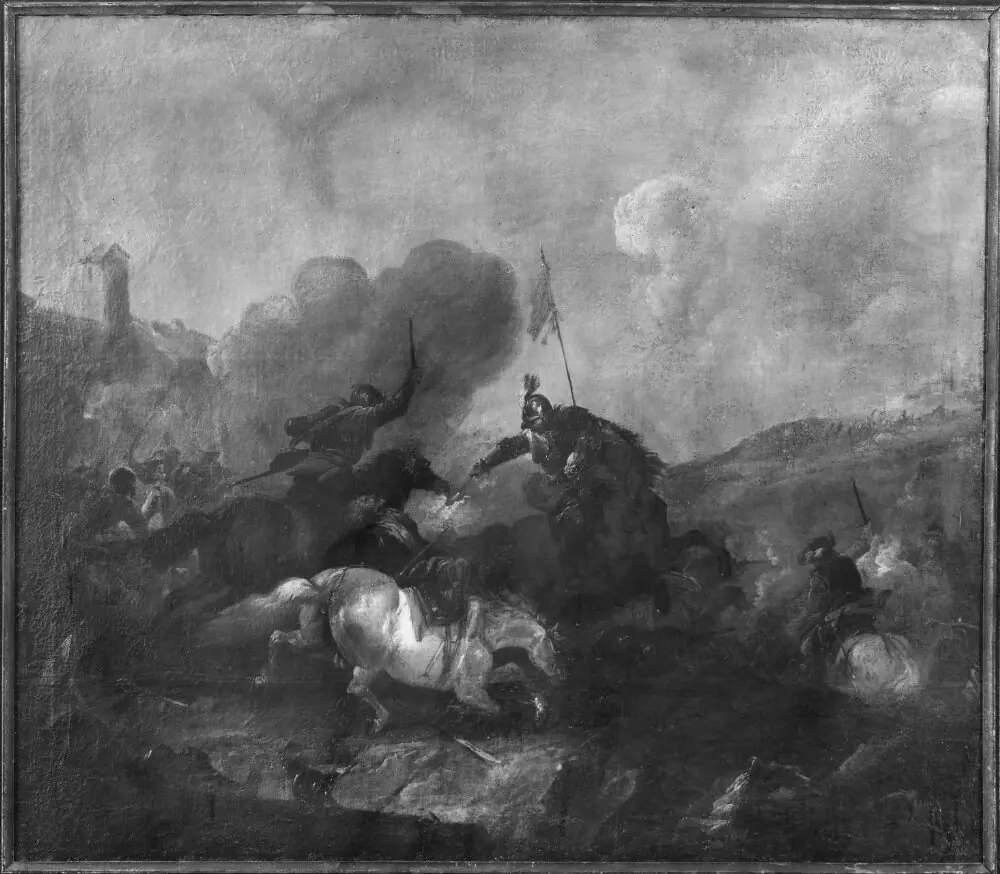 Bataljmålning
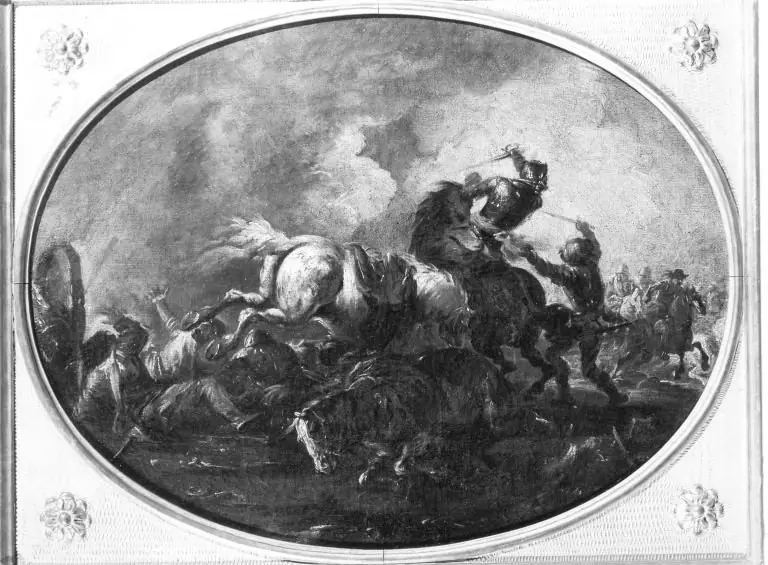 Reitergefecht
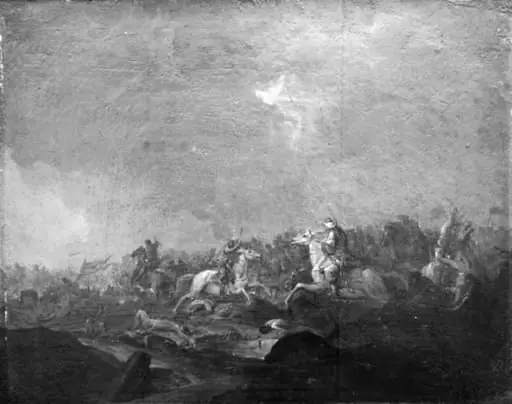 Rytterfægtning
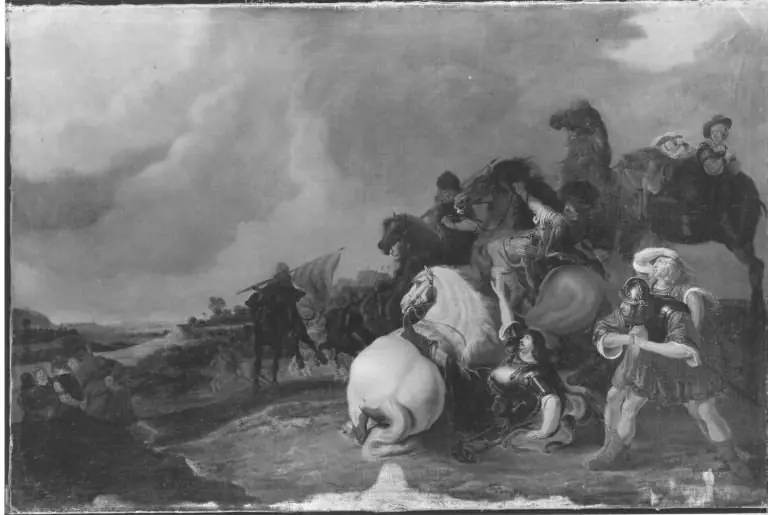 Bekehrung des Saulus
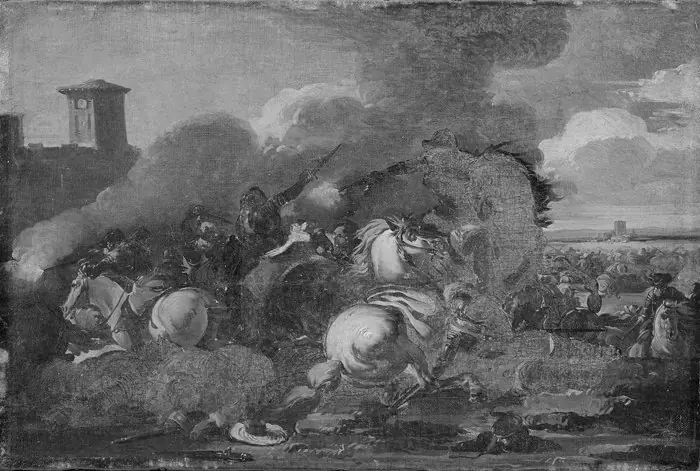 Battle Scene
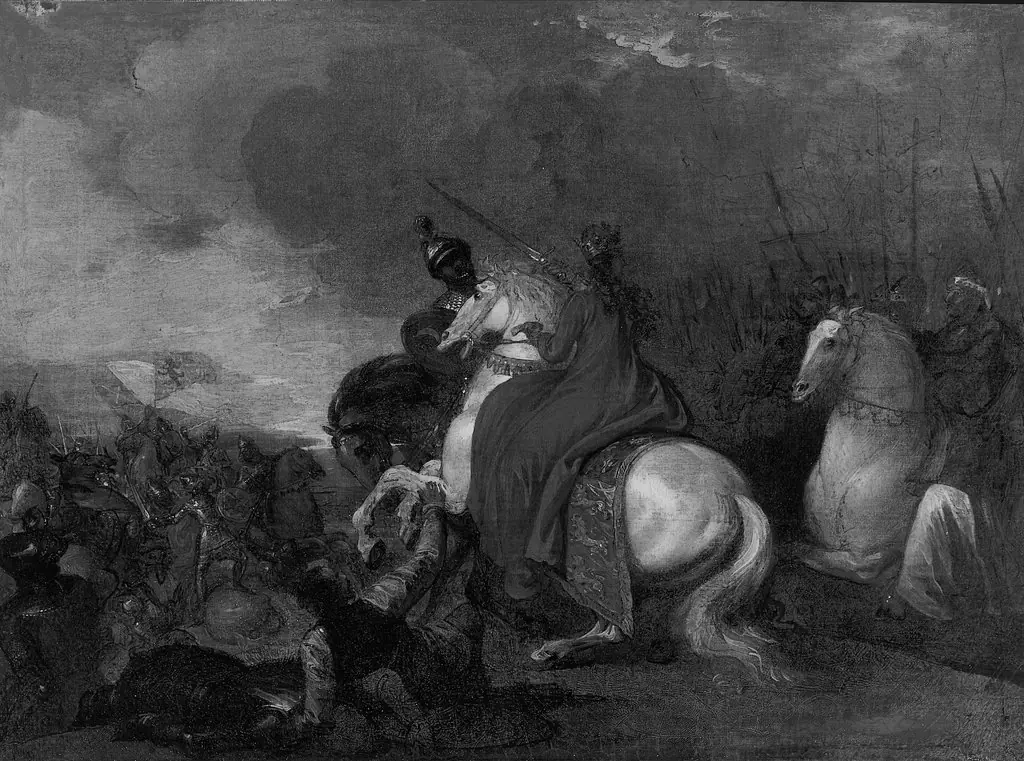 Queen Philippa at the Battle of Neville's Cross