Artwork
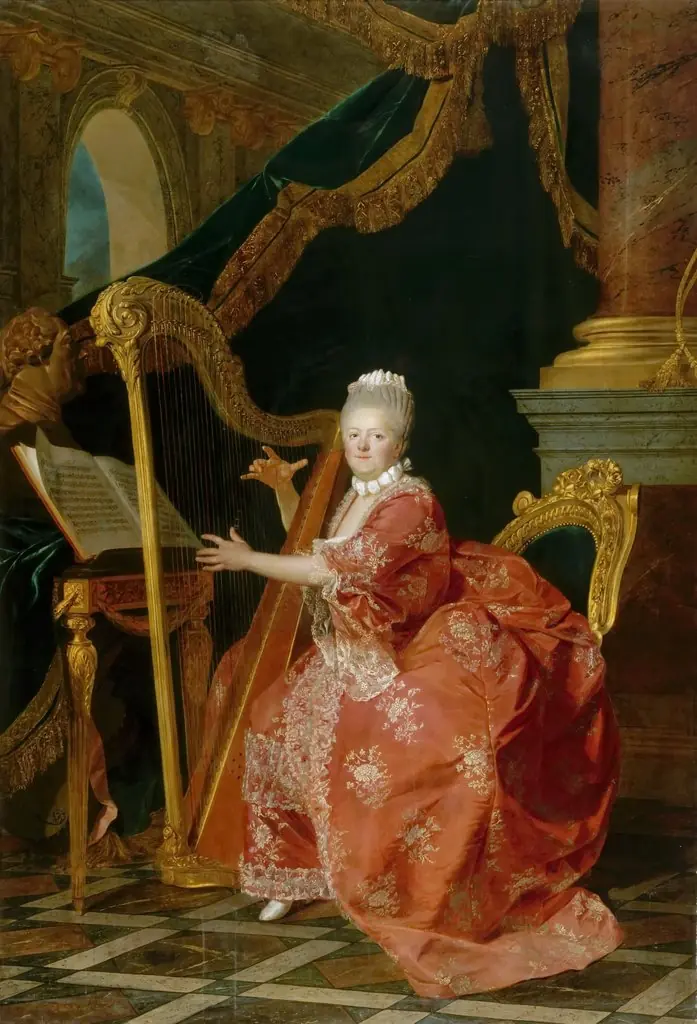
Élisabeth of France seated at her Harp
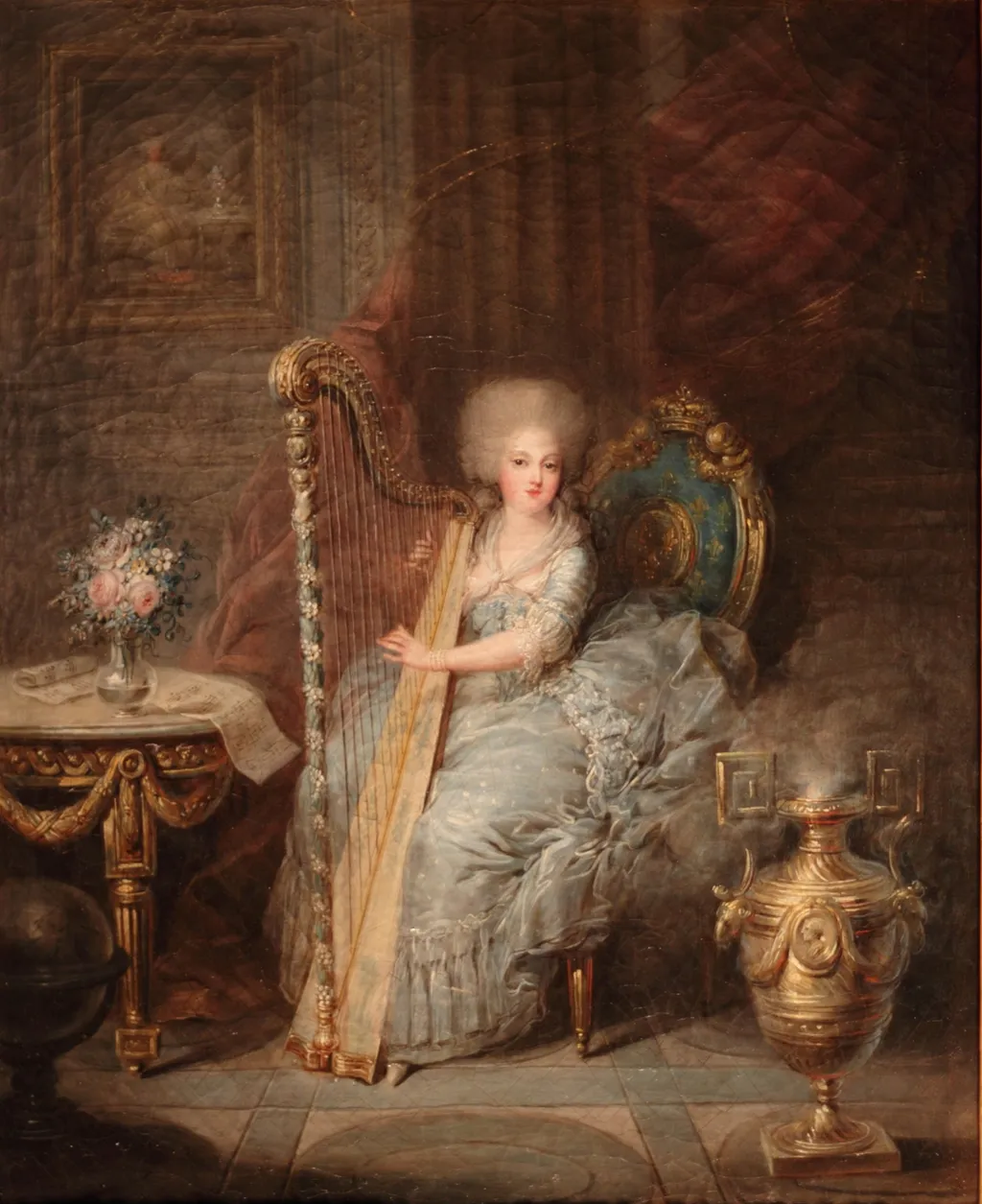
Élisabeth of France seated at her Harp is an oil painting by the Rococo painting artist Charles Le Clercq. It dates from 1792 and is held in the collection of the Palace of Versailles.
About this work
Overview
Painted in 1792 by Charles Le Clercq, this oil portrait captures Élisabeth of France, sister of Louis XVI, engaged in a quiet moment of musical practice.
Painted in 1792 by Charles Le Clercq, this oil portrait captures Élisabeth of France, sister of Louis XVI, engaged in a quiet moment of musical practice. The work is part of the collection at the Palace of Versailles, where it reflects the private life of the French royal family during a period of mounting political tension. The composition centers on the sitter’s calm demeanor and intimate setting, contrasting with the upheaval unfolding beyond the palace walls.
Subject & Meaning
Élisabeth, depicted in a moment of personal repose, is shown playing the harp—a symbol of refinement and moral virtue in 18th-century aristocratic culture. Her attire, a light blue gown with lace trim, and her white curls suggest both elegance and modesty. The presence of flowers and the subdued background reinforce an atmosphere of tranquility, positioning her not as a political figure but as a cultivated, pious woman, aligning with contemporary ideals of female virtue.
Technique & Style
Le Clercq employs soft chiaroscuro to model the figure against a dark, textured background, enhancing the three-dimensionality of the sitter’s form. The brushwork is precise in rendering lace and hair, while the harp and floral arrangement are rendered with delicate attention to detail. The lighting falls gently across her face and hands, guiding the viewer’s focus to her interaction with the instrument and emphasizing the stillness of the moment.
History & Provenance
Commissioned during the final years of the French monarchy, the painting remained in royal collections and was later transferred to the Palace of Versailles. Its survival through the Revolution is notable, as many royal portraits were destroyed or dispersed. The work’s preservation suggests it was valued for its intimate portrayal rather than its political associations, allowing it to endure as a record of private royal life.
Context
Created in 1792, the year Louis XVI was imprisoned and the monarchy’s collapse accelerated, the portrait stands in stark contrast to the revolutionary fervor outside Versailles. While public imagery turned toward civic virtue and republican ideals, this painting preserves a pre-revolutionary aesthetic of domestic grace. Élisabeth’s serene focus on music reflects an aristocratic world increasingly out of step with the times.
Legacy
The painting endures as a quiet testament to the personal lives of the French royal family during their final years. It offers insight into how royalty cultivated images of moral and cultural refinement amid political crisis. Though not widely exhibited beyond Versailles, it remains a significant example of late 18th-century portraiture that prioritizes introspection over grandeur.
Own this work as a print
Artist & collection

 Seated Woman
 Self-Portrait with a Harp
 Madame Desroches
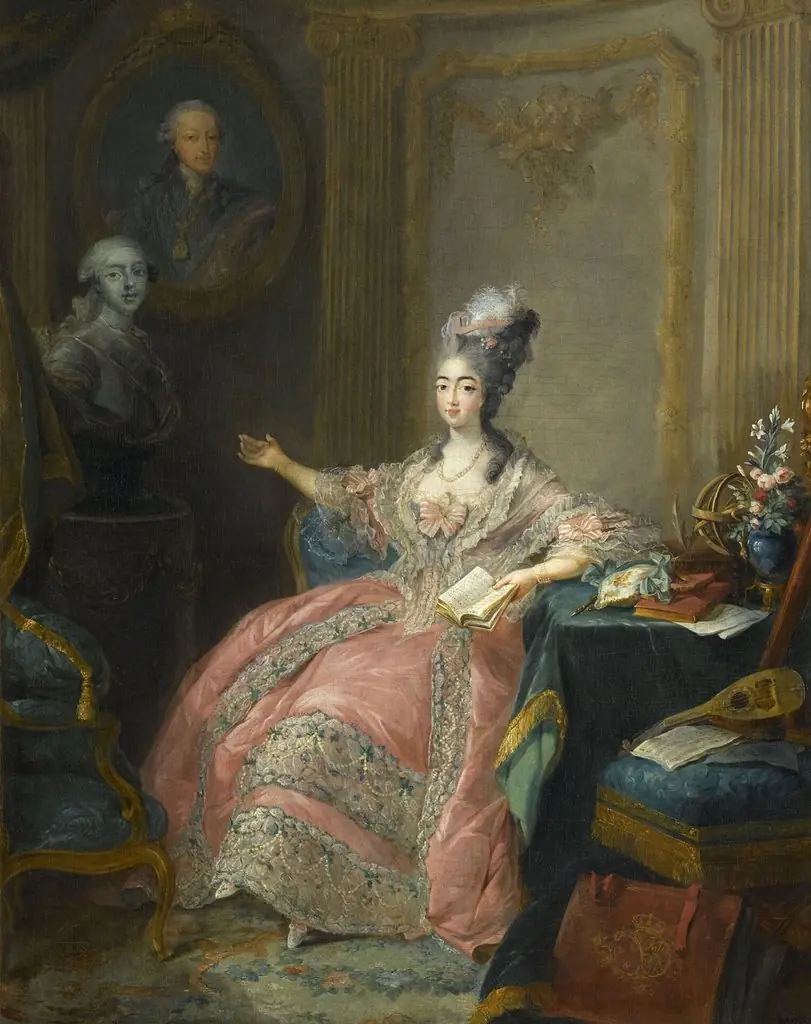 Marie-Joséphine-Louise de Savoie, Countess of Provence
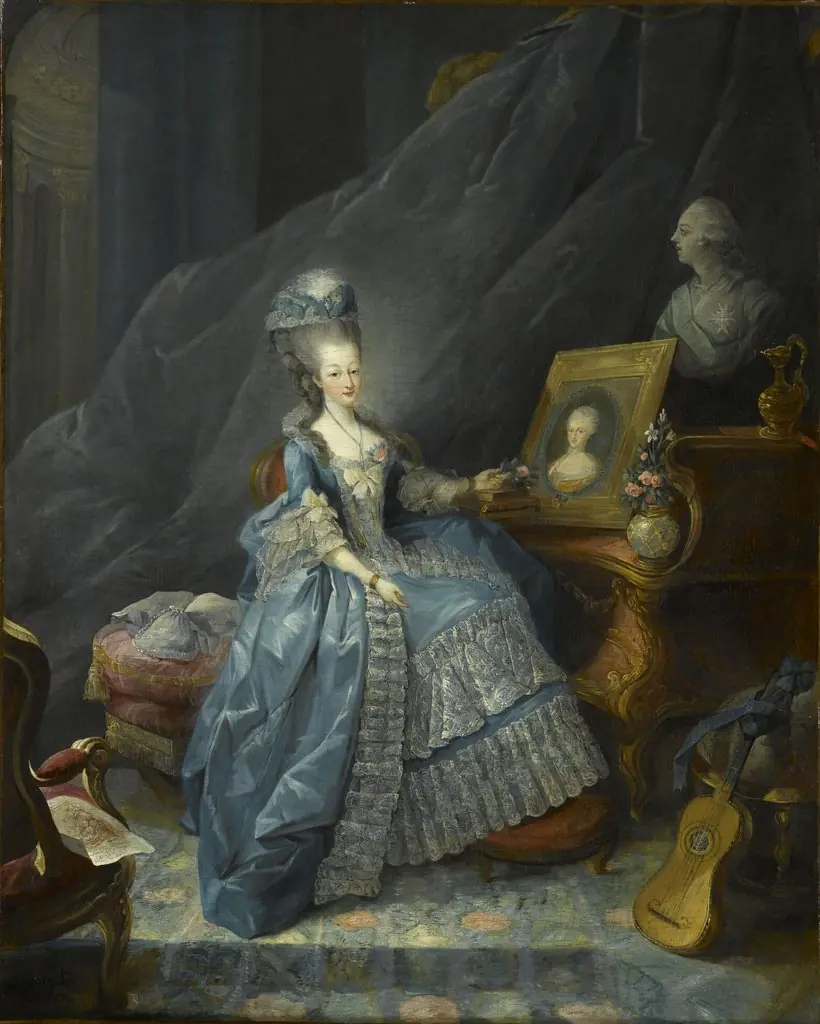 Marie-Thérèse of Savoy, Countess of Artois (1756-1805)
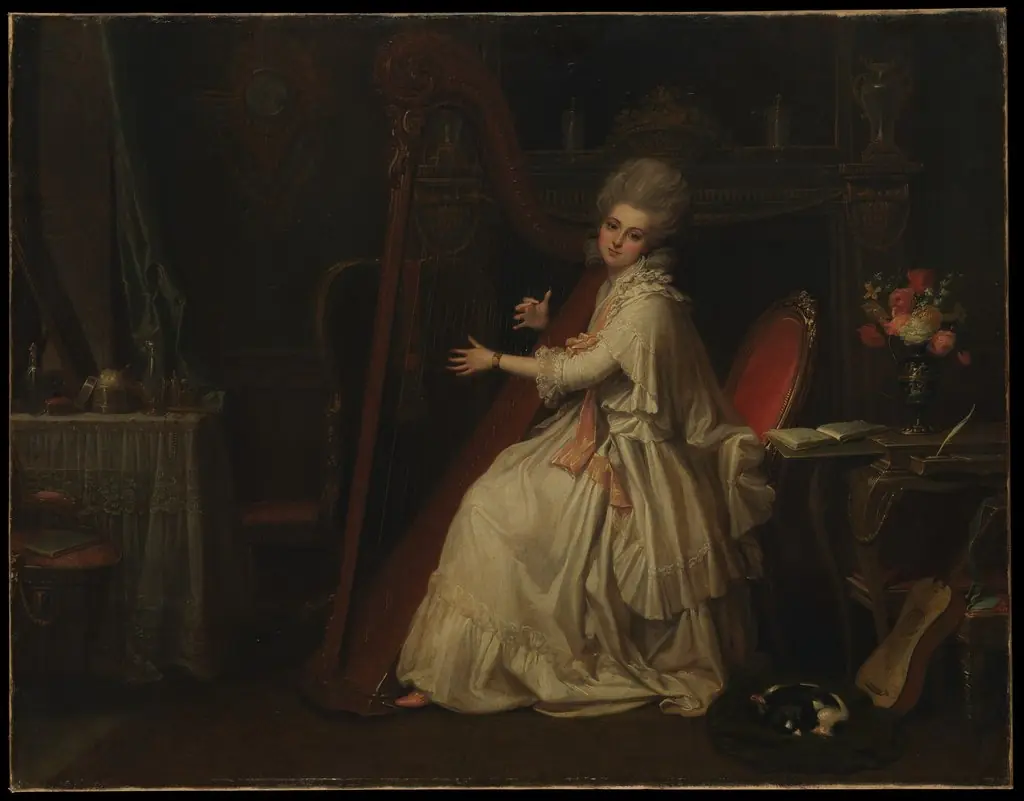 Portrait of Marianne Dorothy Harland (1759–1785), Later Mrs. William Dalrymple
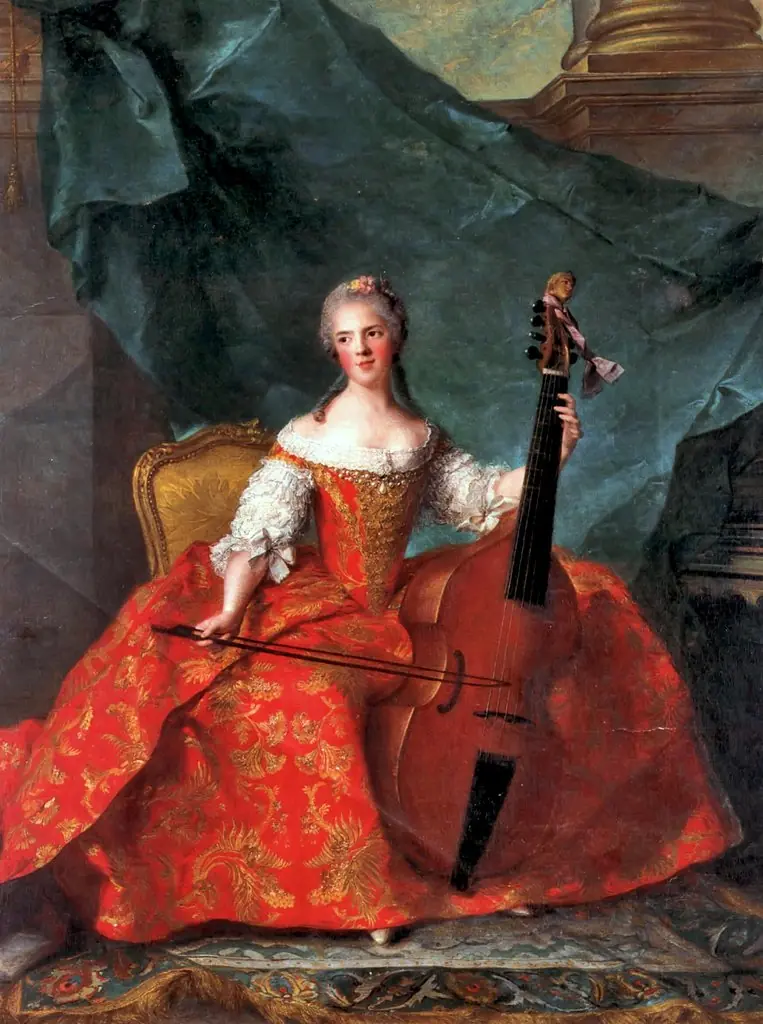 Anne-Henriette de France
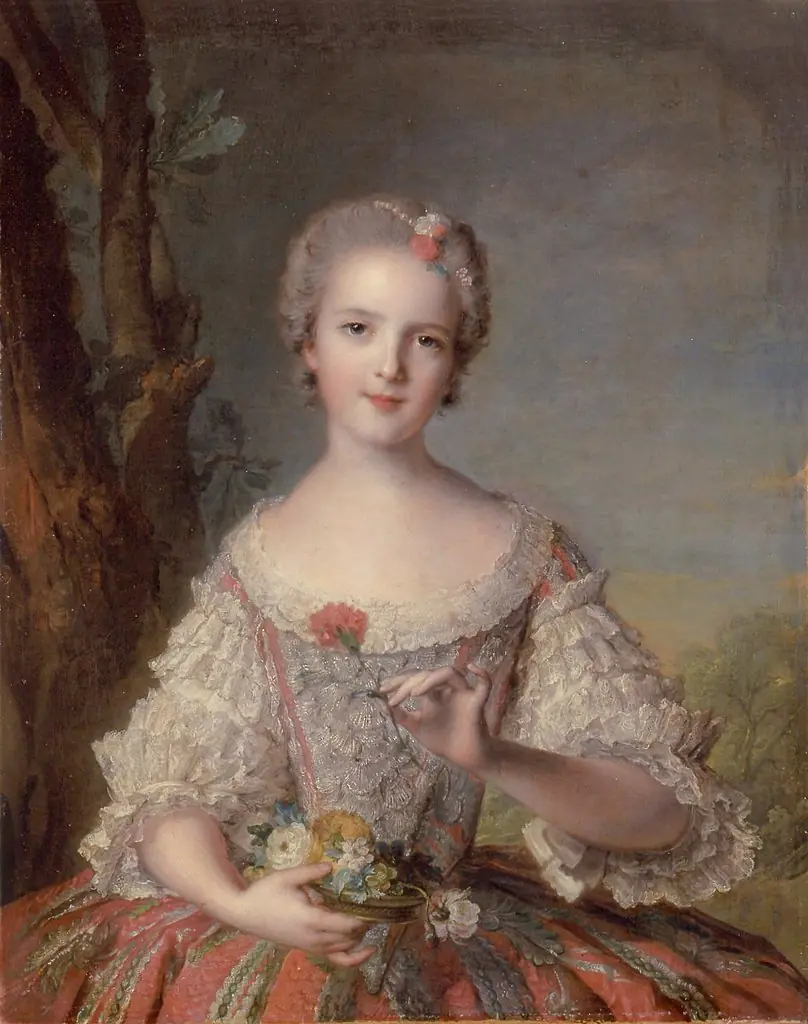 Madame Louise of France
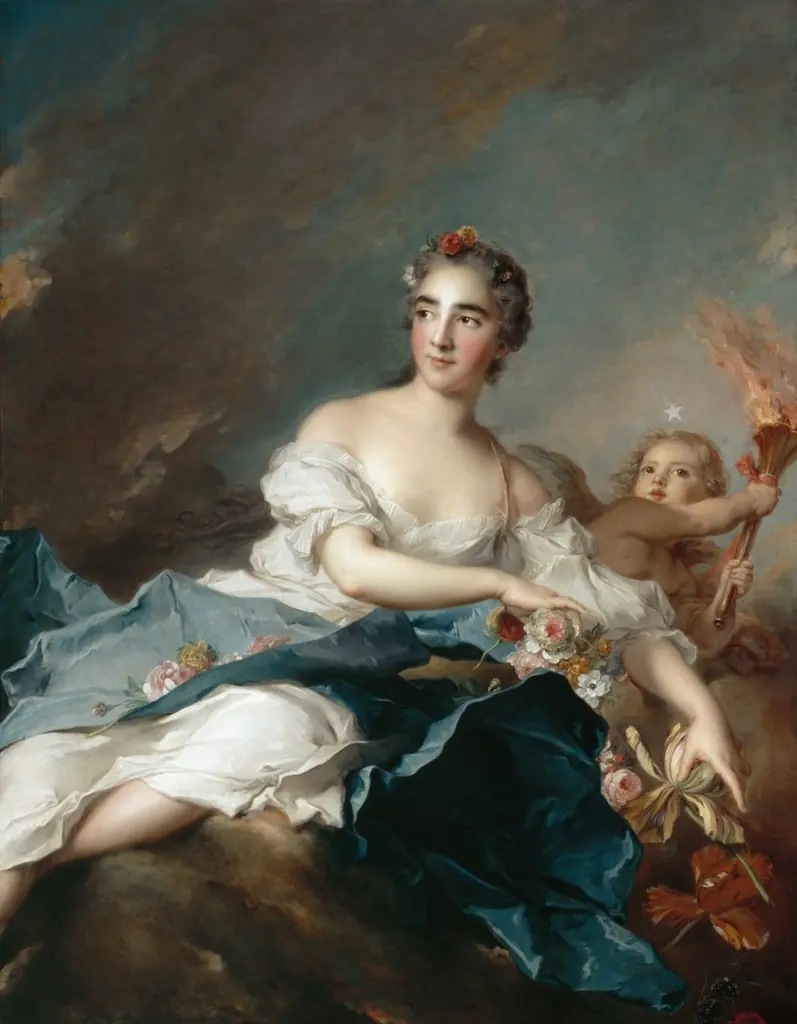 The Countess de Brac as Aurora
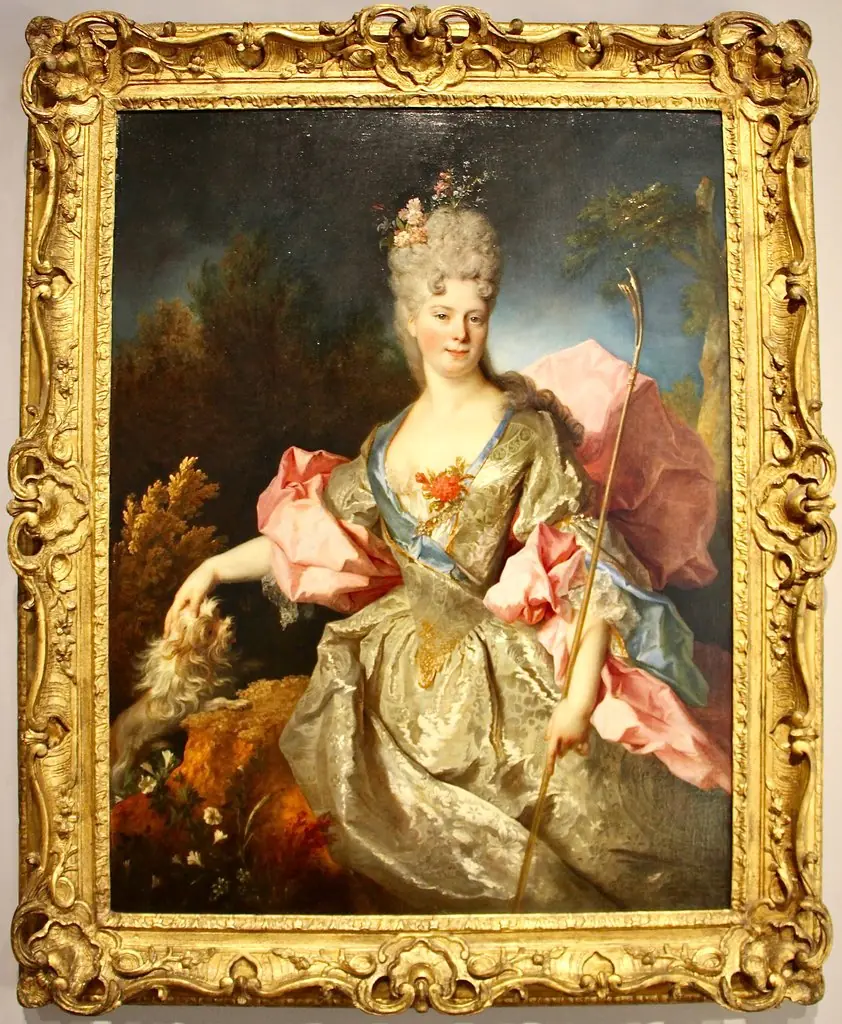 Portrait of a Woman as Astrea, Probably Mary Josephine Drummond, Condesa de Castelblanco
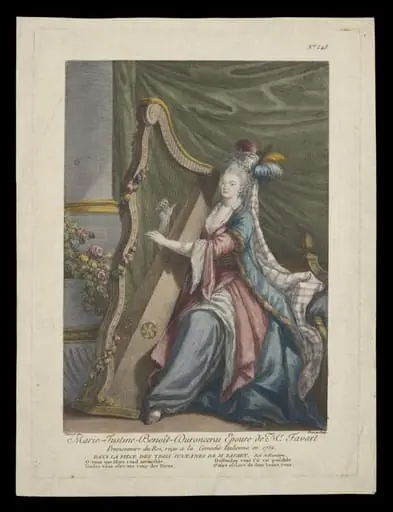 H Beard Print Collection
 Portrait of Princess Victoire of France playing her harp