Artwork
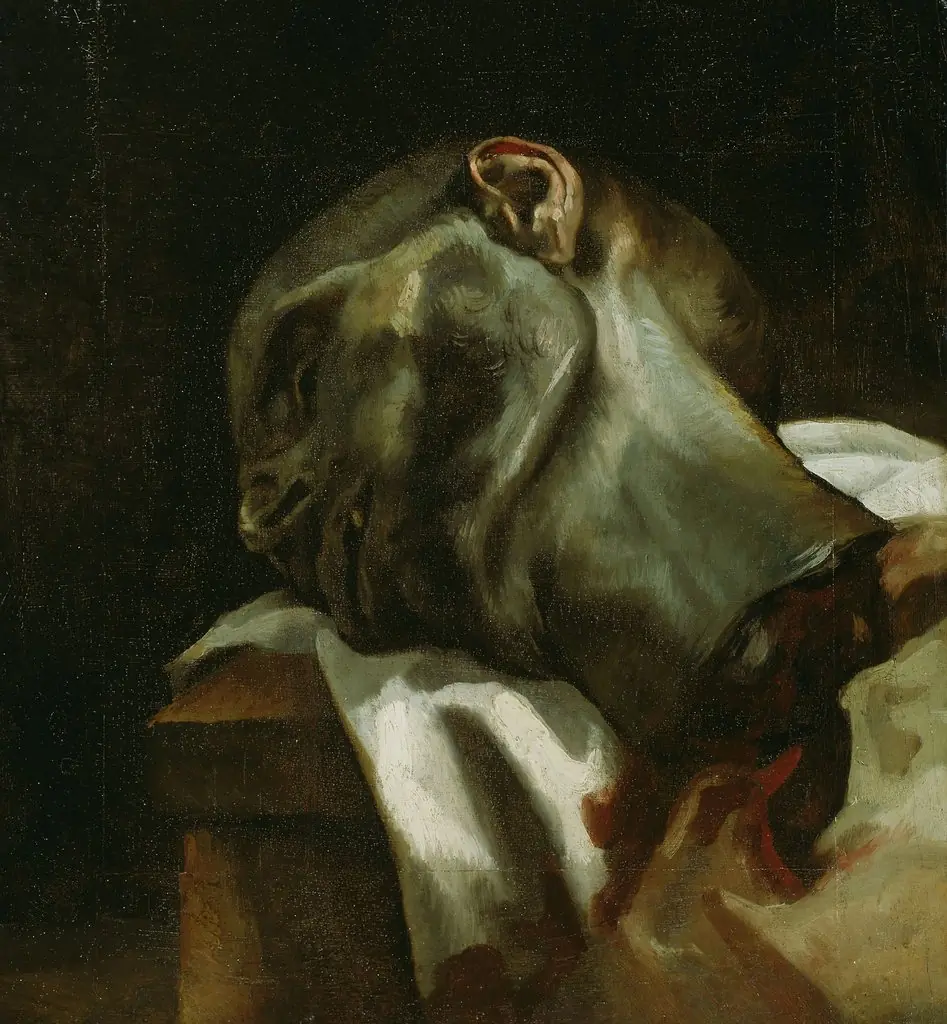
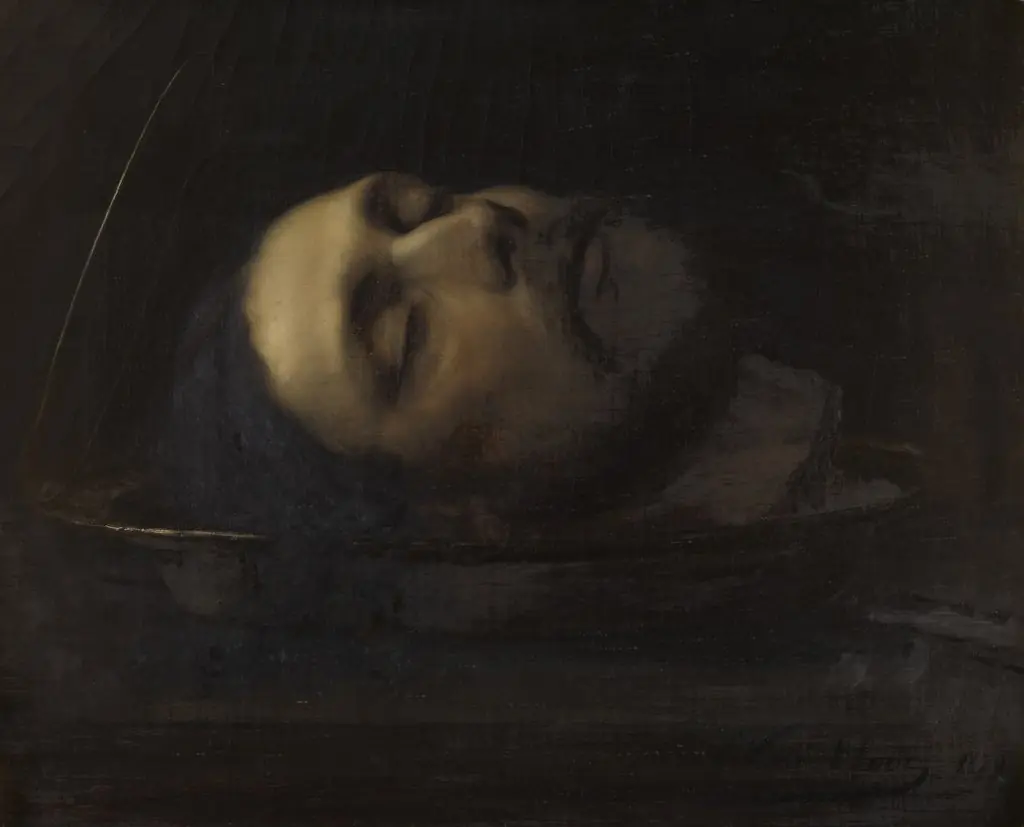
Study of the Head of a Corpse
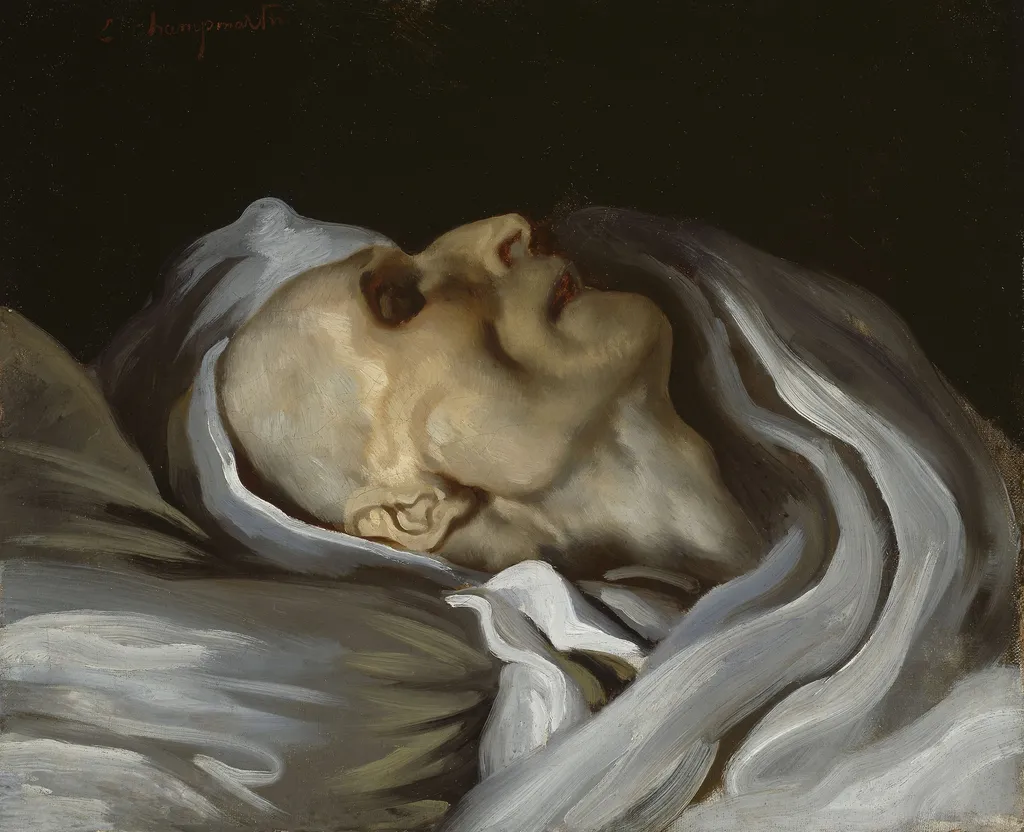
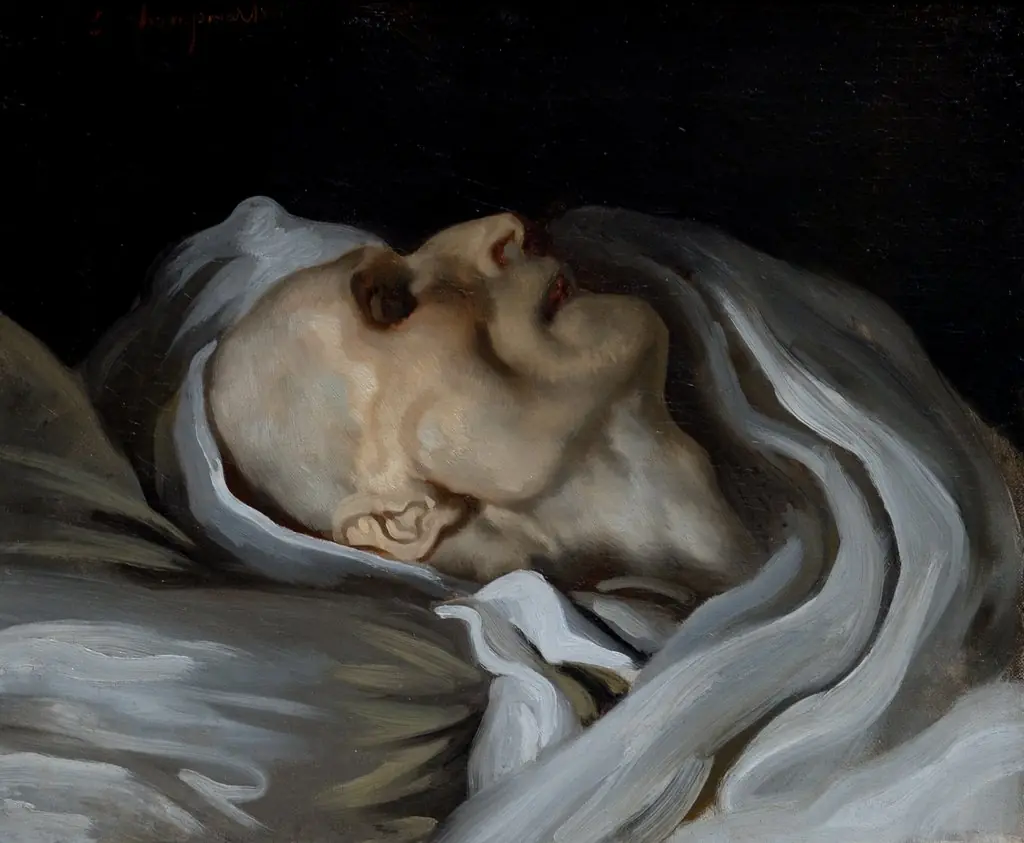
Study of the Head of a Corpse is an oil painting by Charles-Émile-Callande de Champmartin. It dates from 1824 and is held in the collection of the Art Institute of Chicago.
About this work
Overview
Painted in 1824 by French artist Charles-Émile-Callande de Champmartin, this oil-on-canvas work presents a close-up view of a deceased figure’s head.
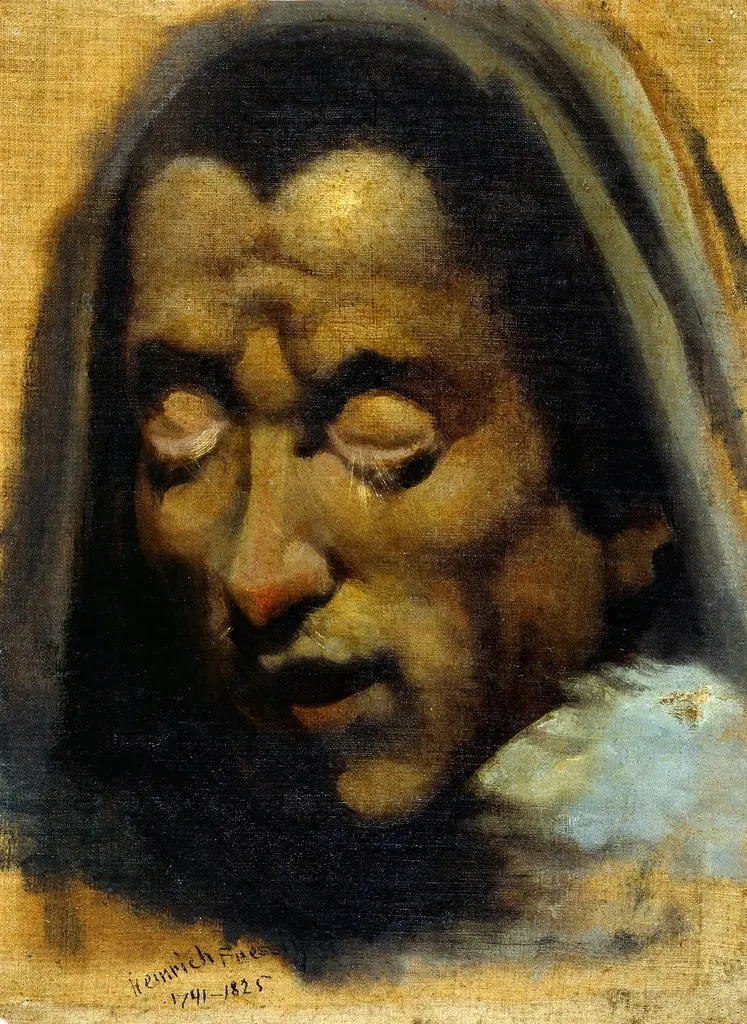
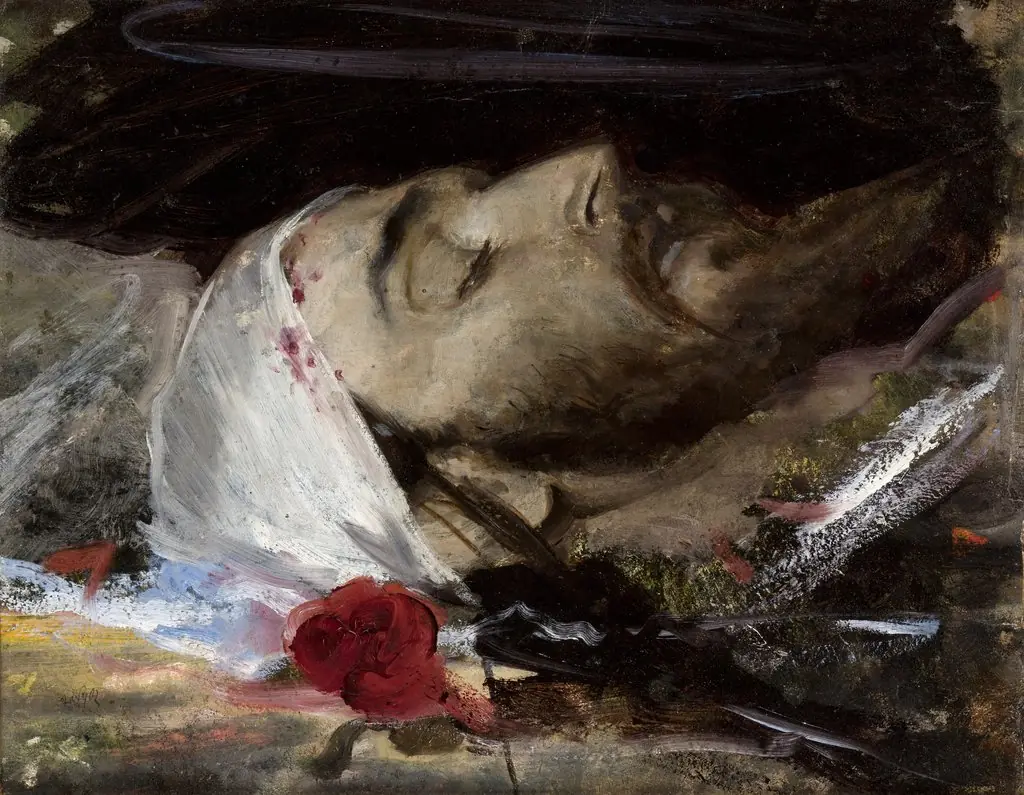
Painted in 1824 by French artist Charles-Émile-Callande de Champmartin, this oil-on-canvas work presents a close-up view of a deceased figure’s head. Wrapped in pale linen and tilted backward, the subject’s closed eyes and still features convey a sense of solemn stillness. The painting’s intimate scale and restrained composition focus attention on the physical reality of death, devoid of dramatic flourish.
Subject & Meaning
The subject is not a named individual but a generic representation of mortality. By isolating the head and omitting context, the artist strips away identity, emphasizing the universal condition of bodily decay. The quietude of the image invites reflection rather than shock, suggesting a meditative engagement with the inevitability of death, common in early 19th-century artistic inquiries into human transience.
Technique & Style
Champmartin employed oil paint with meticulous attention to surface textures—the pallor of skin, the soft creases of damp cloth, the subtle gradations of shadow. The rendering is naturalistic, avoiding idealization or symbolism. Brushwork is controlled and precise, creating a tactile realism that grounds the image in physical observation, aligning it with academic traditions of anatomical study.
History & Provenance
Completed in 1824, the painting entered the collection of the Art Institute of Chicago at an unknown date. Its early history prior to acquisition is undocumented. Unlike Champmartin’s more widely known Orientalist scenes, this work stands as a rare, introspective study, suggesting a personal or academic exercise rather than a commissioned piece.
Context
In the 1820s, French artists increasingly turned to direct observation of the human form, including cadavers, as part of medical and artistic training. Champmartin’s study reflects this trend, paralleling the scientific interest in anatomy while maintaining an artistic sensitivity to the dignity of the subject. It exists within a broader cultural moment where death was examined with both clinical and contemplative intent.
Legacy
Though not among Champmartin’s most celebrated works, this study endures as a quiet testament to his observational skill and willingness to confront unvarnished reality. It contributes to a lesser-known strand of 19th-century French painting that prioritized somber realism over narrative or exoticism, offering a restrained yet powerful meditation on the body’s final stillness.
Own this work as a print
Artist & collection
Artist
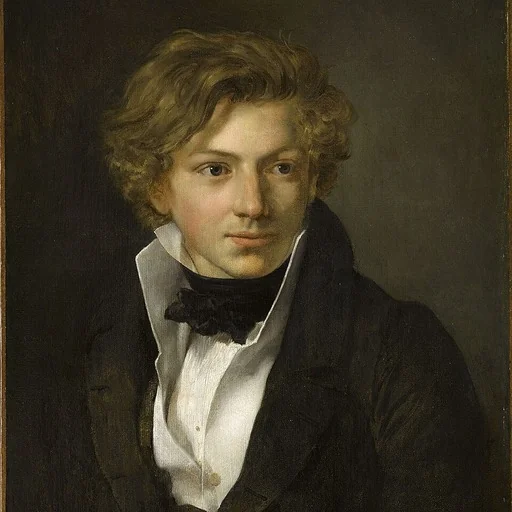
Charles-Émile-Callande de Champmartin
Charles-Émile-Callande de Champmartin (1797 in Bourges – 1883 in Paris) was a French painter, noted for his Orientalist works.