Artwork
The Little Pig Herd
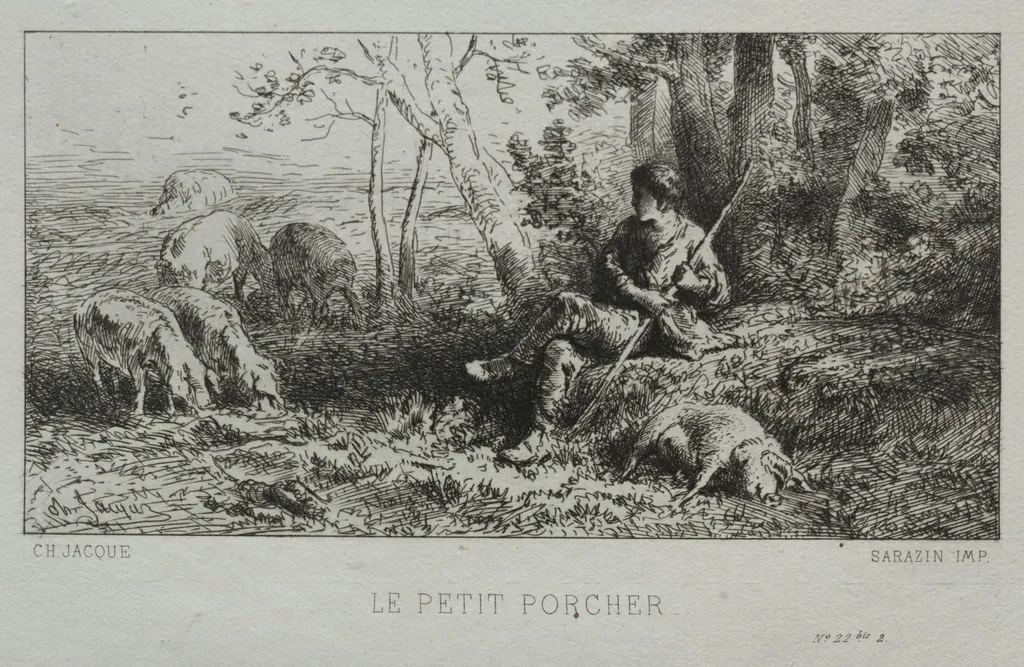
The Little Pig Herd is a print by the Impressionist artist Charles Jacque. It dates from 1864 and is held in the collection of the Cleveland Museum of Art.
About this work
Overview
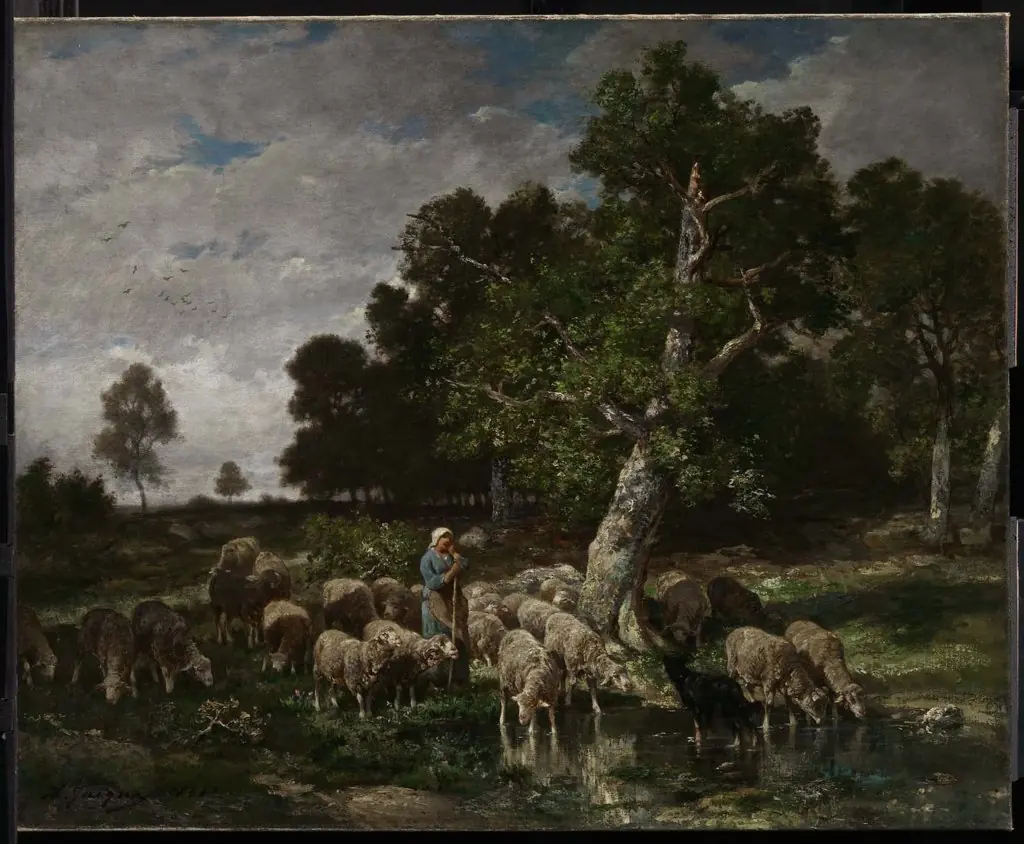
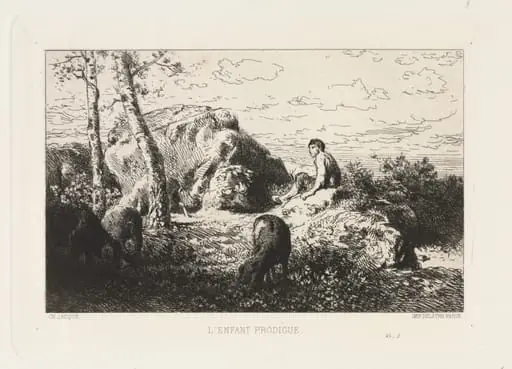
The Little Pig Herd, a black-and-white drawing by Charles-Émile Jacque (1864), depicts a serene rural scene featuring a boy tending to sheep in a grassy field, despite the title's reference to pigs.
Subject & Meaning
The artwork showcases Jacque's affinity for pastoral themes, highlighting everyday rural life, a characteristic shared with fellow Barbizon School artist Jean-François Millet, though the scene actually portrays sheep rather than pigs.
Technique & Style
Executed with simple, loose strokes, the drawing captures light and shadow, imbuing the scene with a sense of spontaneity and naturalism, evident in the sketchy rendering of the background trees and bushes.
History & Provenance
Created in 1864 by Jacque, a French painter and engraver, the work exemplifies his contribution to 19th-century French art's focus on rural subjects, albeit with a titular discrepancy.
Context
Associated with the Barbizon School, this piece reflects the movement's emphasis on depicting everyday rural life, aligning with the broader Realist movement's focus on ordinary subjects.
Legacy
The Little Pig Herd contributes to Jacque's legacy as a painter and engraver who, alongside Millet, helped define the Barbizon School's pastoral and realistic aesthetic in 19th-century France.
Artist & collection
Artist
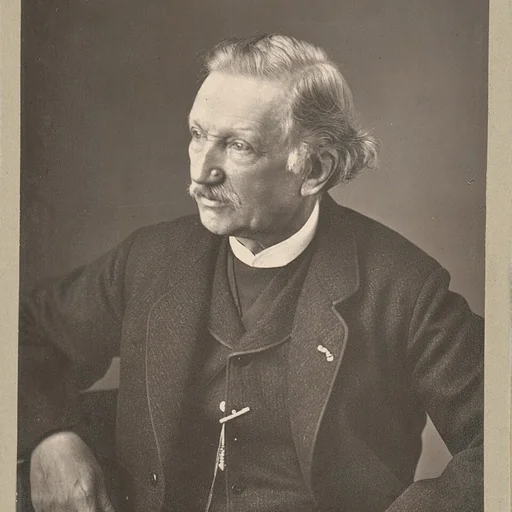
Charles-Émile Jacque (23 May 1813 – 7 May 1894) was a French painter of Pastoralism and engraver who was, with Jean-François Millet, part of the Barbizon School. He first learned to engrave maps when he spent seven years in the French Army.