Artwork
Queen Victoria (1819–1901), in Her Coronation Robes
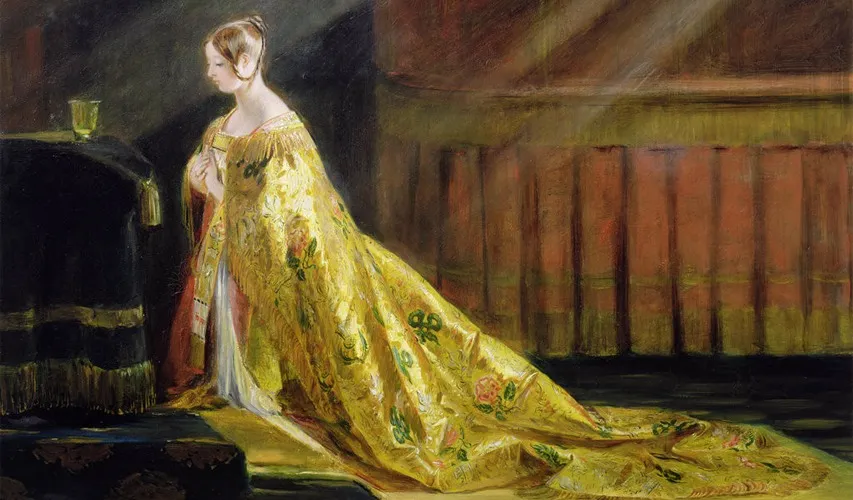
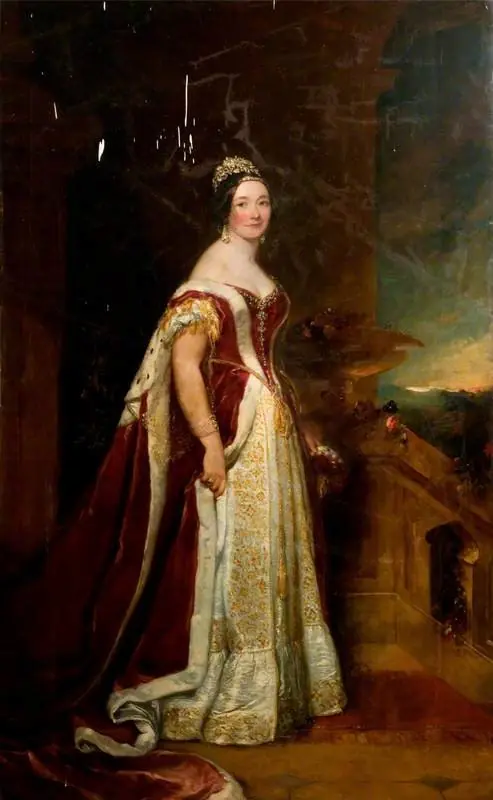
Queen Victoria (1819–1901), in Her Coronation Robes is an oil painting by the British Romanticist artist Charles Robert Leslie. It dates from 1838 and is held in the collection of the Victoria and Albert Museum.
About this work
Overview
The painting is part of the Victoria and Albert Museum’s collection, where it serves as a visual record of early Victorian state imagery.
Painted in 1838 by Charles Robert Leslie, this oil portrait captures Queen Victoria shortly after her coronation. The work presents the young monarch in full ceremonial attire, emphasizing her new role as sovereign. The painting is part of the Victoria and Albert Museum’s collection, where it serves as a visual record of early Victorian state imagery. Leslie, known for his portraiture and literary subjects, rendered the scene with attention to detail and formal dignity.
Subject & Meaning
The portrait depicts Queen Victoria standing in her coronation robes, holding the orb—a symbol of Christian sovereignty. Her composed posture and direct gaze convey authority, while the elaborate garments signify the weight of her office. The dark, richly textured background isolates her figure, reinforcing her singular position. The image was intended to project legitimacy and continuity, aligning the monarchy with tradition during a period of political change.
Technique & Style
Leslie employed fine brushwork to render the intricate embroidery of the robe, using layered glazes to achieve depth in the gold and crimson fabrics. The texture of the fur trim and the sheen of the silk are rendered with precision, contrasting with the muted, shadowed background. The composition is formal and centered, with lighting focused on the figure to highlight the regalia. The style reflects early 19th-century academic portraiture, prioritizing clarity and symbolic detail over emotional expression.
History & Provenance
Commissioned soon after Victoria’s coronation in June 1838, the painting was completed by Leslie within the year. It entered the Victoria and Albert Museum’s collection in the late 19th century, likely through royal donation or state acquisition. The work remained in private royal hands briefly before being transferred to the museum, where it has been consistently displayed as part of the nation’s historical portrait collection.
Context
Created during the early years of Victoria’s reign, the portrait emerged amid efforts to redefine the monarchy’s public image following the excesses of previous generations. The emphasis on ceremonial grandeur was a deliberate return to tradition, countering republican sentiments. Leslie’s depiction aligned with the broader cultural project of restoring dignity to the crown through visual symbolism and controlled representation.
Legacy
The portrait remains one of the earliest official images of Queen Victoria in her sovereign role, influencing later depictions of the monarchy. Its formal composition and attention to regalia set a standard for royal portraiture in the Victorian era. Though not widely reproduced in its time, it continues to serve as a reference for understanding how the institution of monarchy was visually constructed during a pivotal historical transition.
Artist & collection

 Viscountess Dungannon (d.1880)
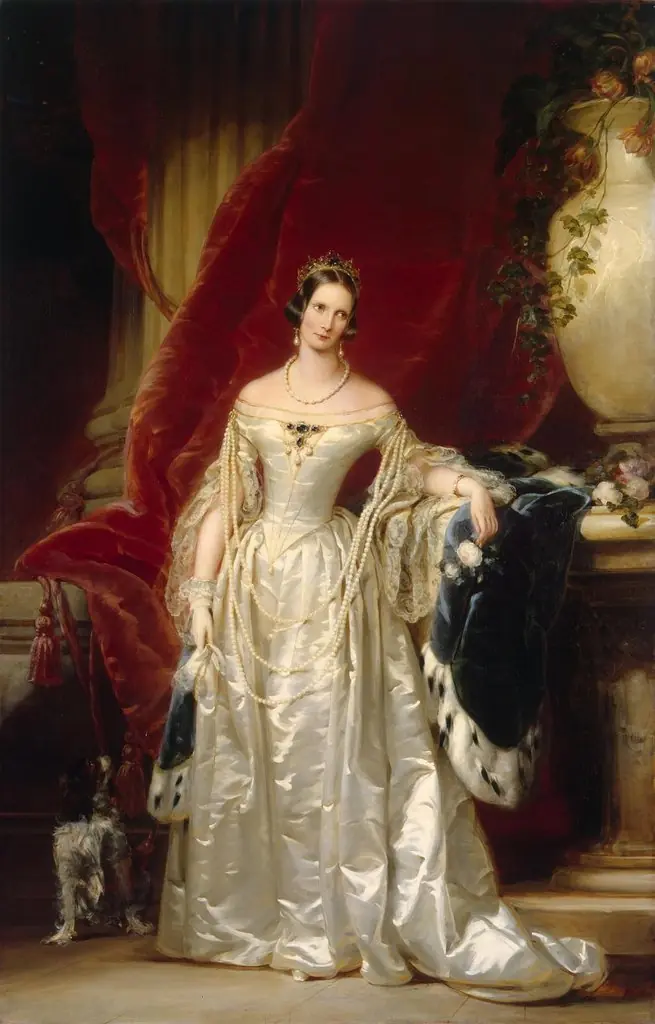 Portrait of Empress Alexandra Fyodorovna
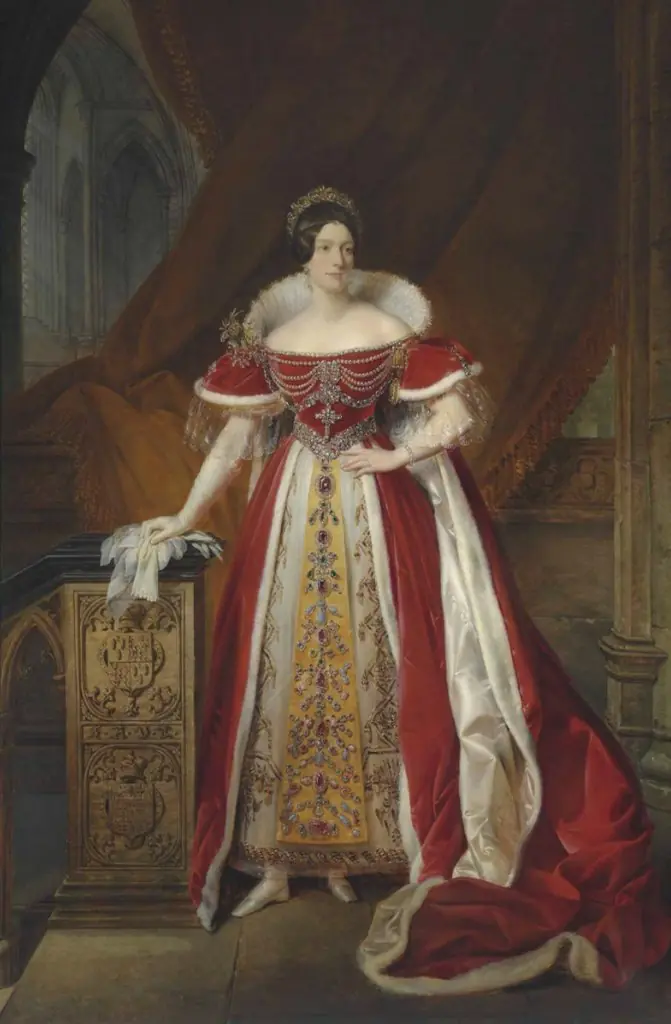 Portrait of Frances Anne Vane, Marchioness of Londonderry
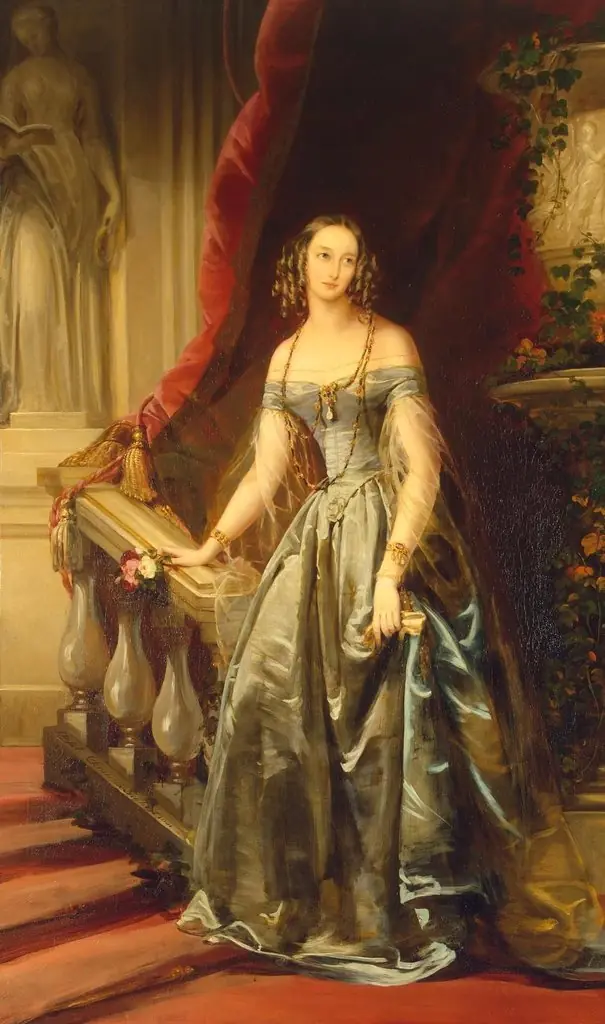 Portrait of Grand Princess Olga Nikolayevna (1822-1892)
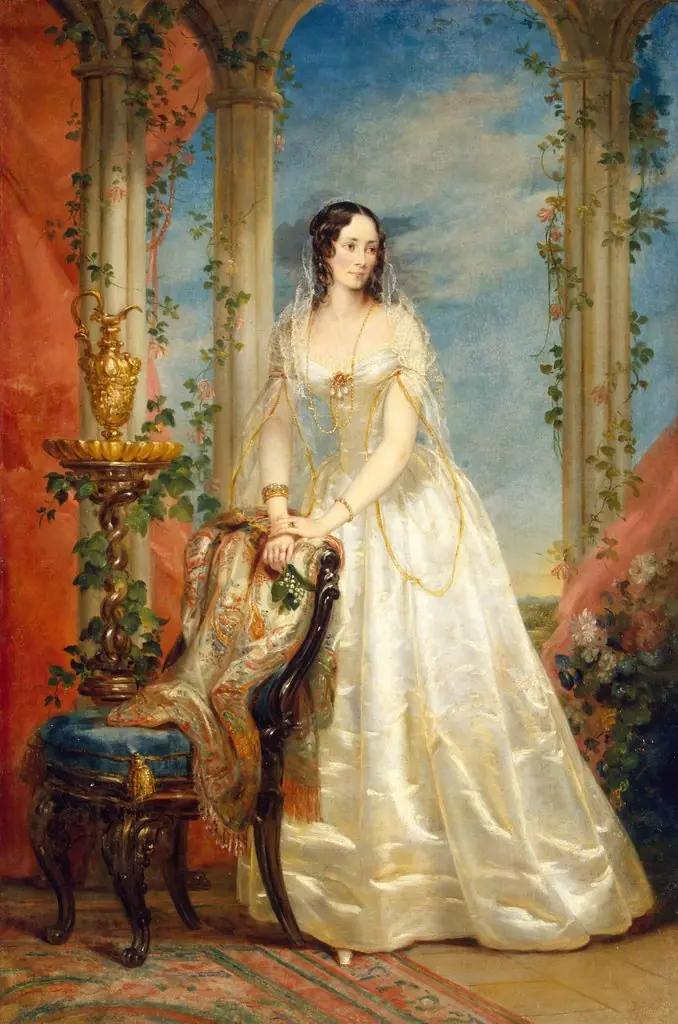 Portrait of Zinaida I. Yusupova (1809/10-1893)
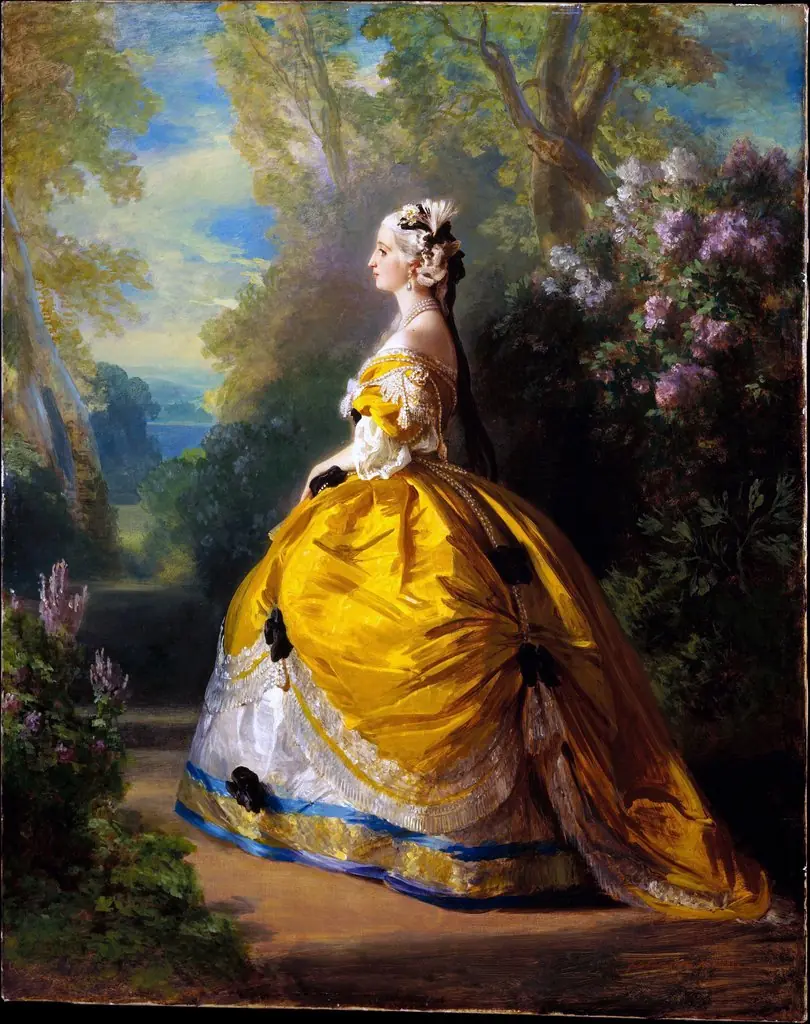 Portrait of Empress Eugénie de Montijo
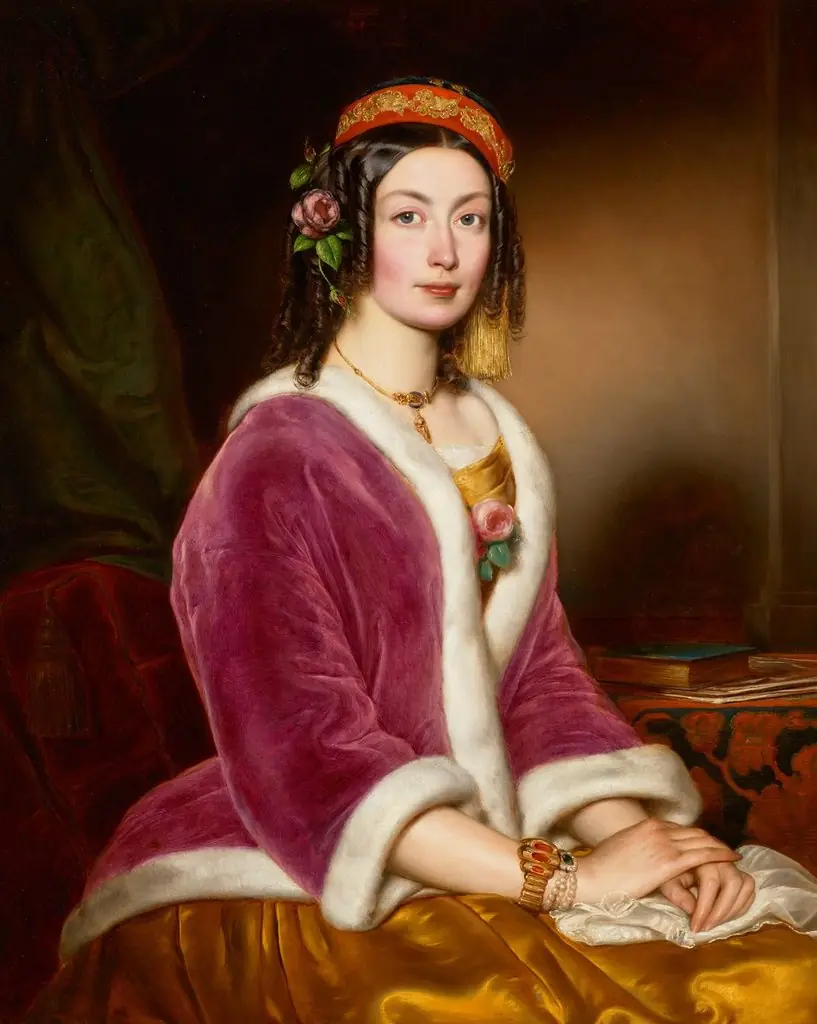 Portrait of a Woman in Velvet Pelisse
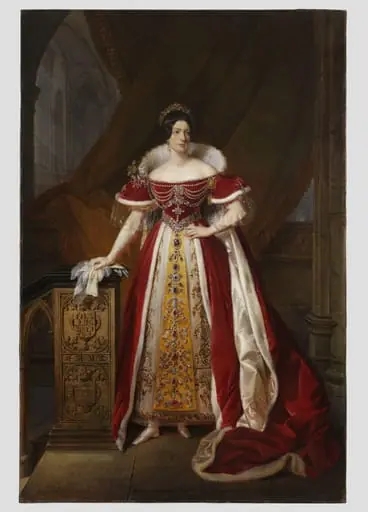 Portrait of Frances Anne Vane, Marchioness of Londonderry