Artwork
Portrait of a Woman in Velvet Pelisse
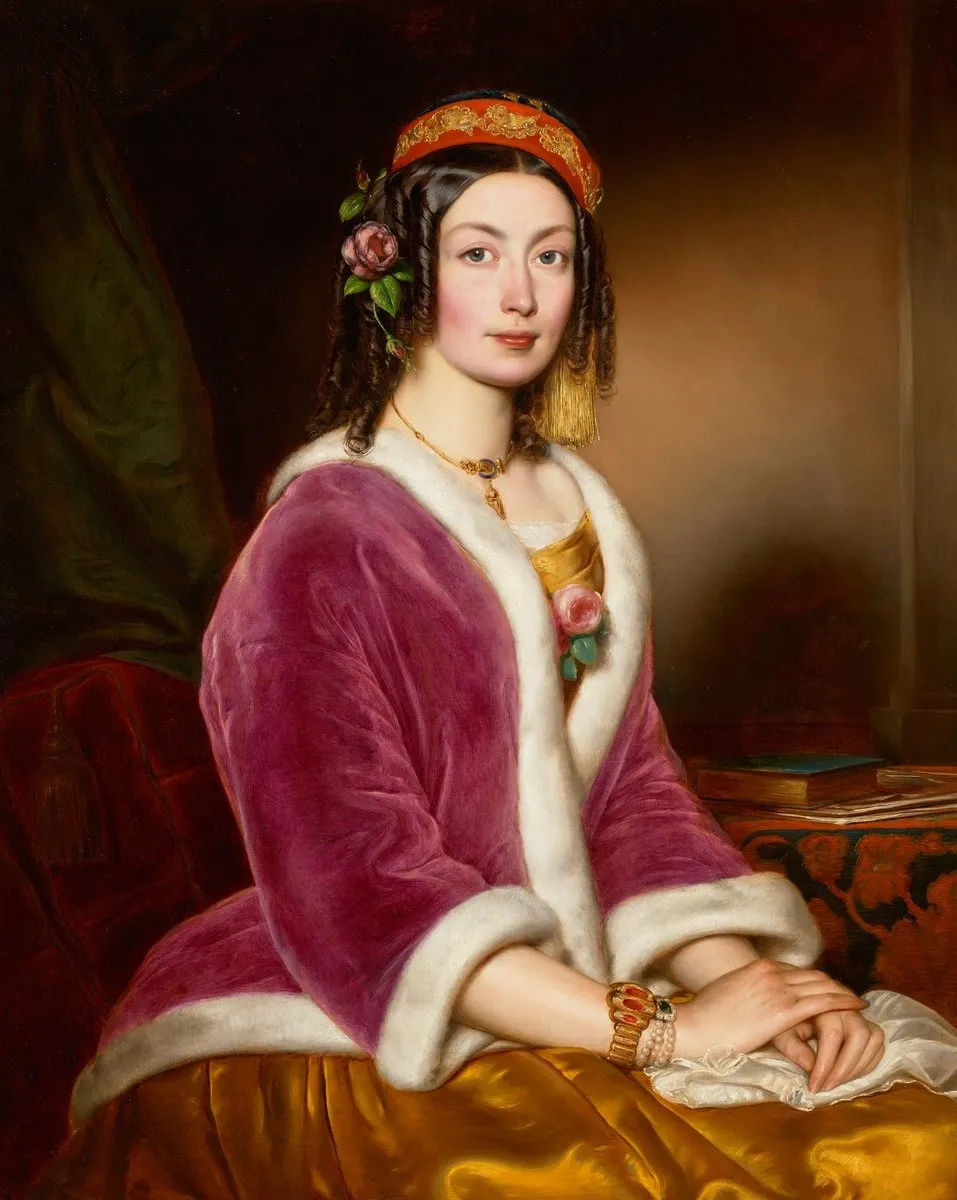
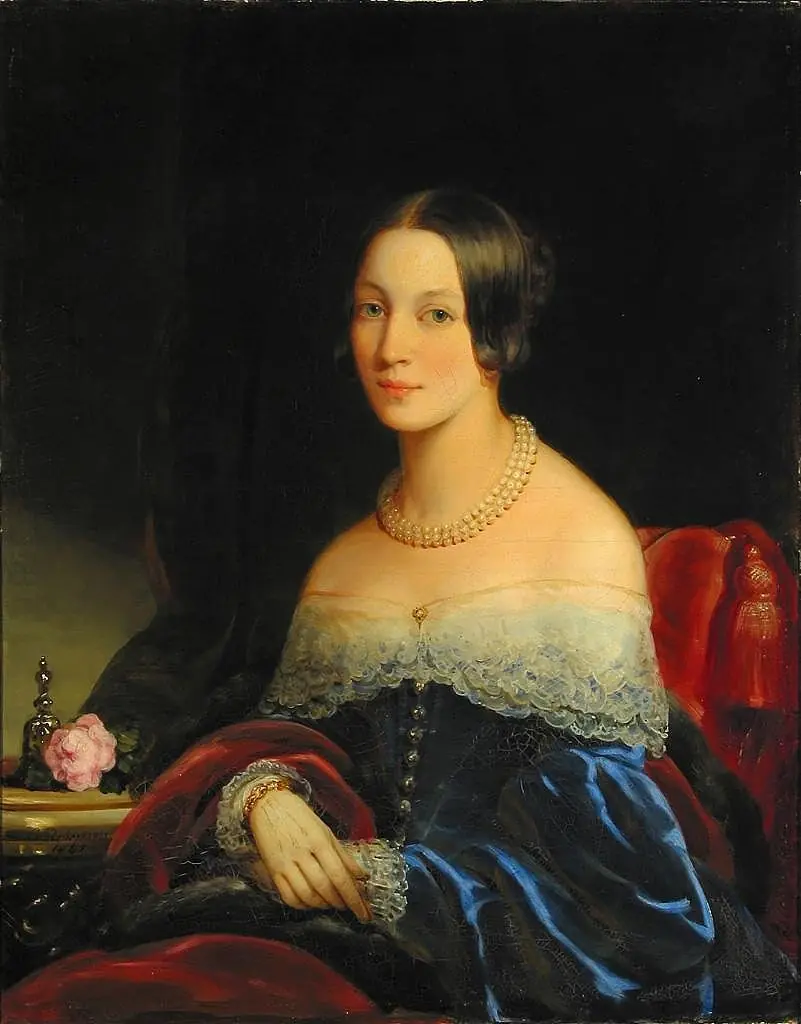
Portrait of a Woman in Velvet Pelisse is an oil painting by József Borsos. It dates from 1850 and is held in the collection of the Hungarian National Gallery.
About this work
Overview
The work reflects mid-19th-century Hungarian artistic sensibilities, blending personal intimacy with social presentation.
Painted around 1850 by Hungarian artist József Borsos, this oil portrait depicts a woman in formal attire, rendered with attention to textile detail and quiet dignity. It resides in the Hungarian National Gallery and exemplifies Borsos’s engagement with Biedermeier portraiture, a style emphasizing domestic refinement and subtle emotional restraint. The work reflects mid-19th-century Hungarian artistic sensibilities, blending personal intimacy with social presentation.
Subject & Meaning
The sitter, seated calmly in a chair, wears a pink velvet pelisse lined with white fur, suggesting affluence and seasonal fashion. Her accessories—a gold necklace, red headband, and pink rose—hint at personal adornment rather than ceremonial display. The books on the table imply intellectual or cultivated interests. The composition avoids theatricality, instead conveying a sense of private composure, characteristic of middle-class portraiture in the Biedermeier era.
Technique & Style
Borsos employs oil paint to capture the sheen of velvet, the softness of fur, and the gleam of gold jewelry with restrained precision. The dark background, punctuated by a green curtain, isolates the figure and enhances the richness of her garments. Brushwork is smooth, avoiding overt expressionism; texture is suggested through careful tonal shifts rather than impasto. The lighting is even, favoring clarity over dramatic contrast, aligning with Biedermeier ideals of order and quiet elegance.
History & Provenance
Created during Borsos’s active period in the mid-1800s, the painting entered the collection of the Hungarian National Gallery, where it remains today. While specific commission details are unrecorded, its subject’s attire and setting suggest it was painted for a member of Budapest’s urban elite. Borsos, also a photographer, often bridged painting and emerging visual technologies, though this work adheres to traditional portraiture conventions of the time.
Context
In mid-19th-century Hungary, portraiture served as a marker of social identity amid rising national consciousness. Borsos’s work emerged alongside a broader Central European trend favoring domestic realism over grand historical themes. The pelisse, a fashionable outer garment, and the inclusion of books reflect the values of a literate, affluent class seeking to express refinement through appearance and environment, distinct from aristocratic pomp.
Legacy
Borsos’s portrait contributes to the understanding of Hungarian Biedermeier art, a lesser-known but significant regional variant of European realism. While not widely exhibited internationally, the painting is a key example of how local artists adapted broader stylistic trends to depict private life with dignity. It preserves a moment in Hungarian visual culture where personal identity and material culture converged in quiet, deliberate imagery.
Artist & collection
Artist
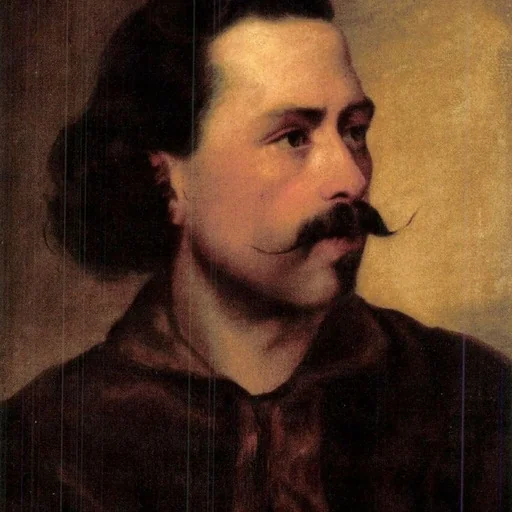
Jozsef Borsos (21 December 1821, in Veszprém – 19 August 1883, in Budapest) was a Hungarian portrait painter and photographer; best known for his genre paintings in the Biedermeier style.

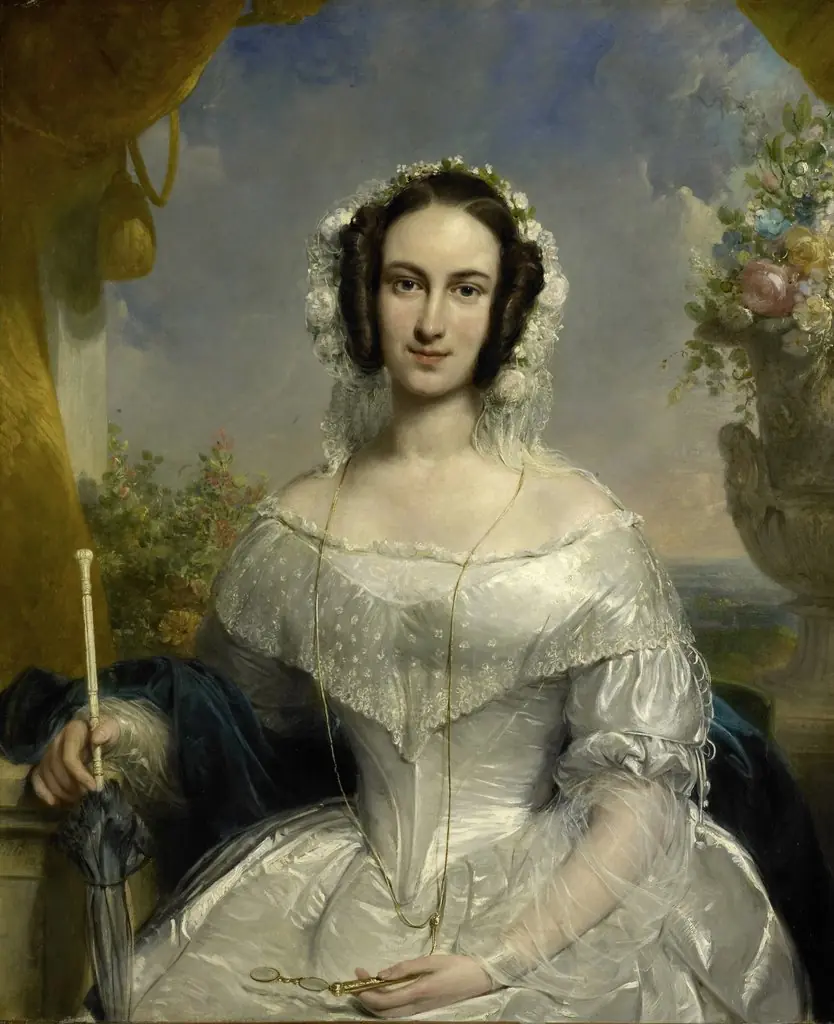 Agatha Petronella Hartsen (1814-78). In bruidstoilet ter gelegenheid van haar huwelijk met Jan van der Hoop op 17 maart 1841
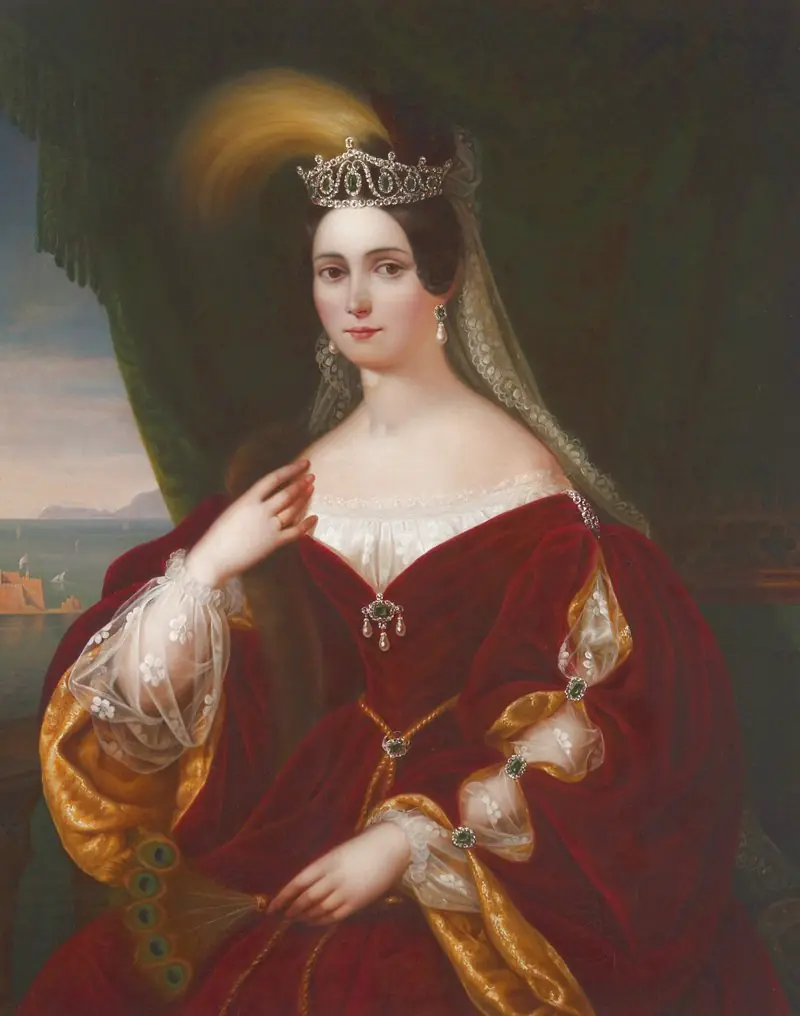 Maria Theresa of Austria, Queen of the Two Sicilies
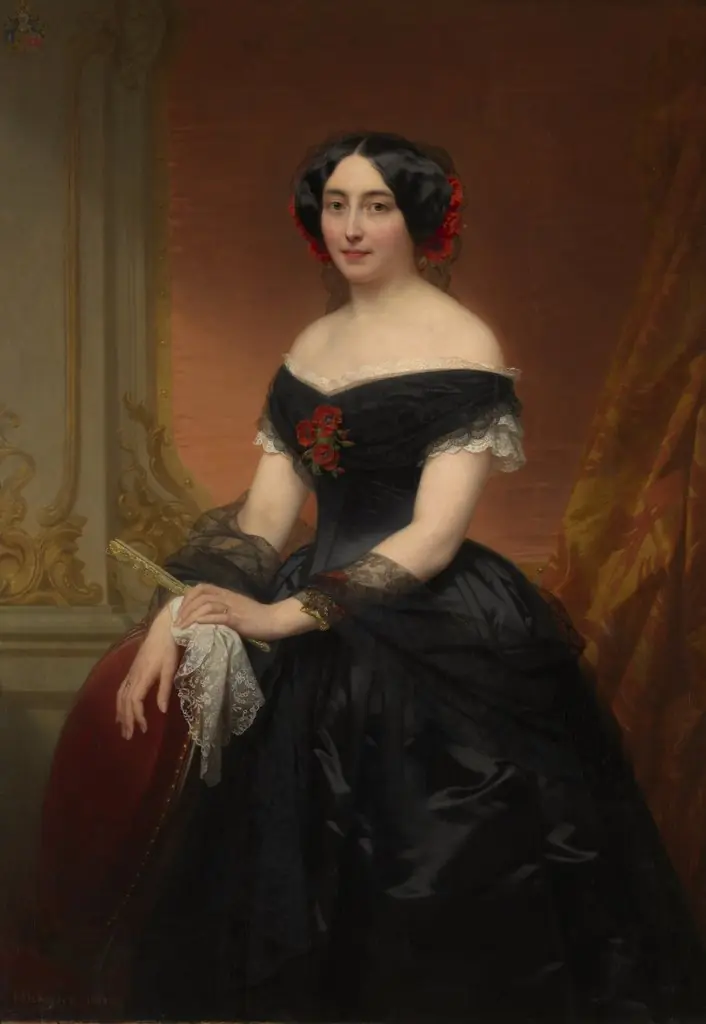 Madame Mols-de Brialmont
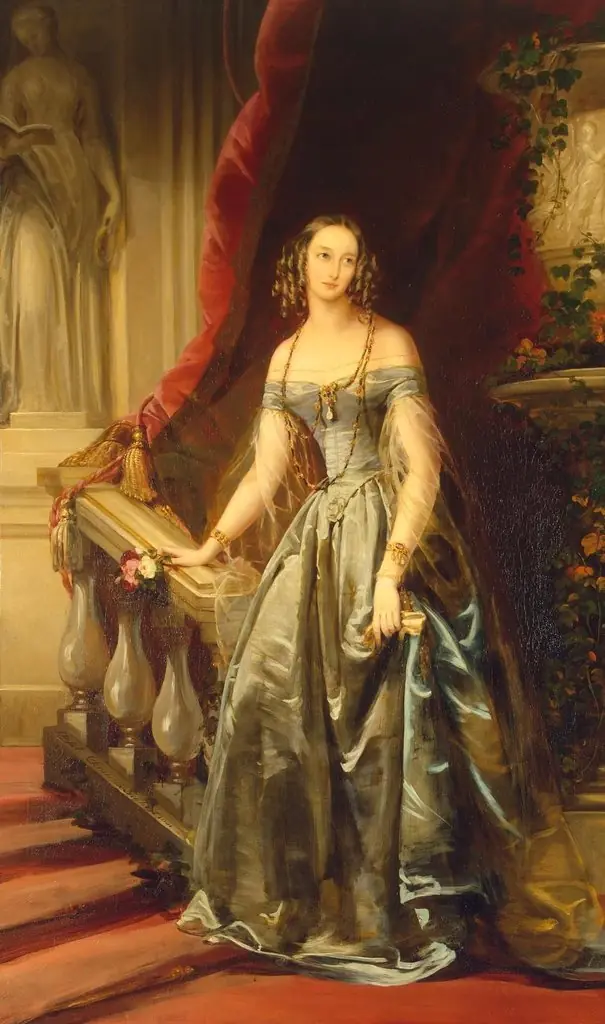 Portrait of Grand Princess Olga Nikolayevna (1822-1892)
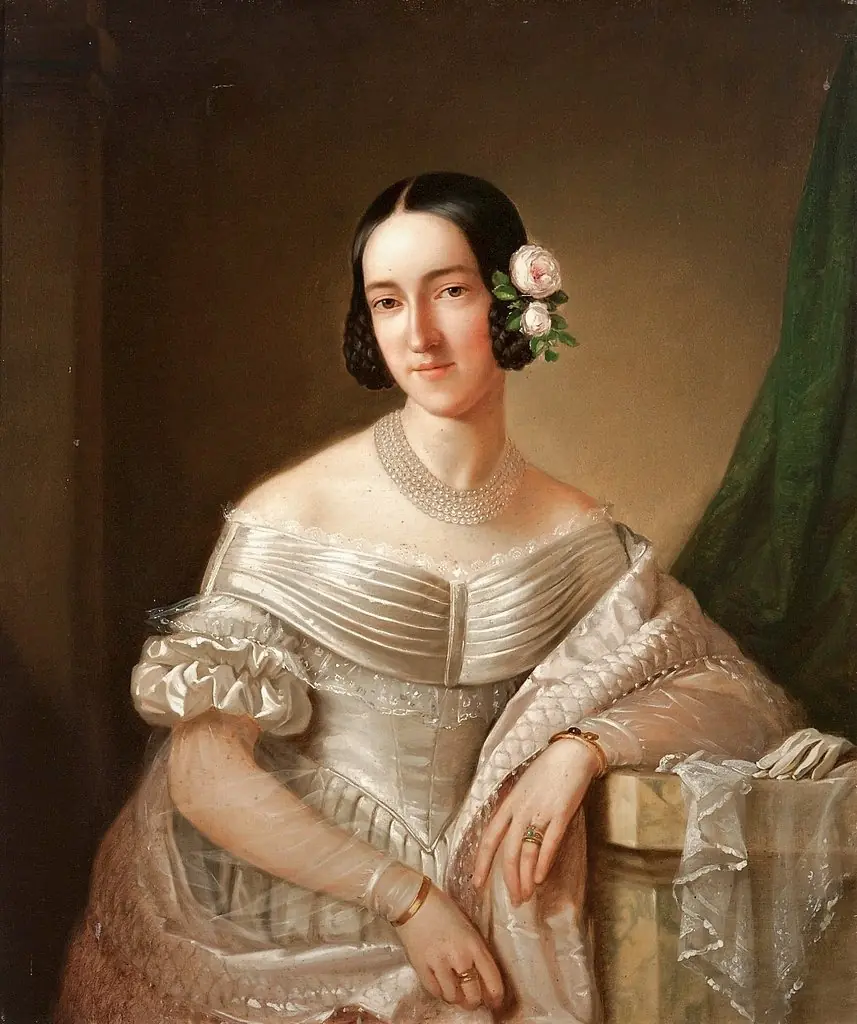 Portrait of Archduchess Hermine of Austria
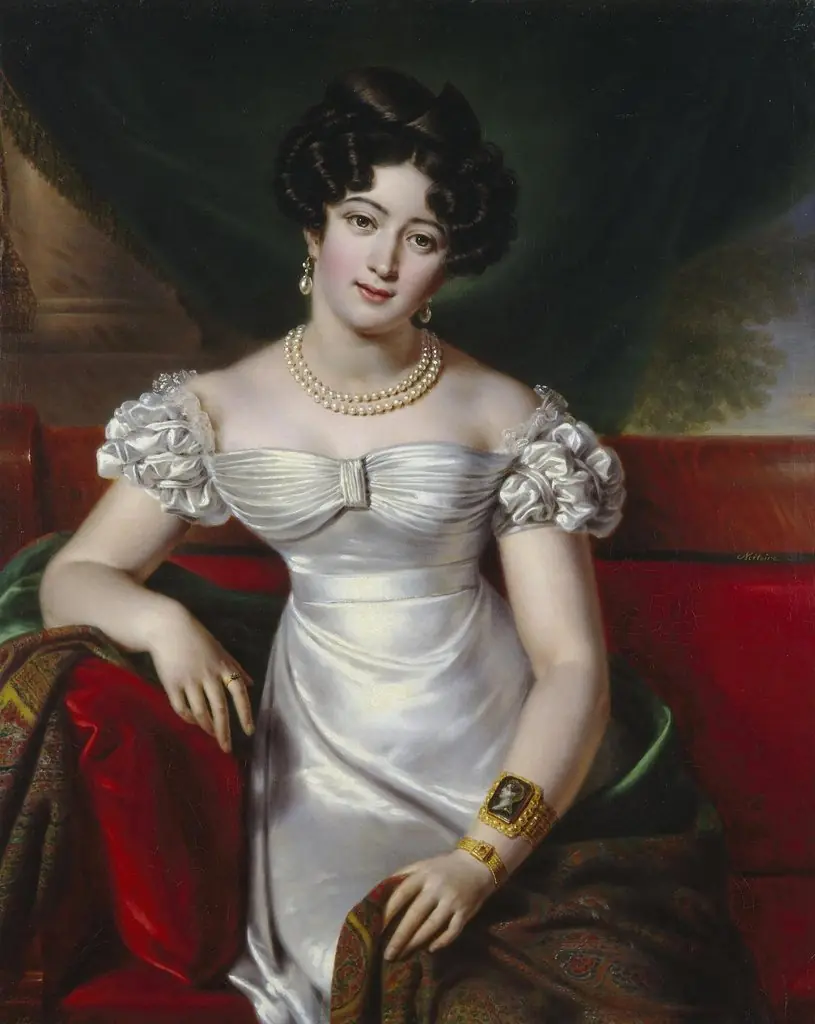 Portrait of Countess Yulia Samoilova
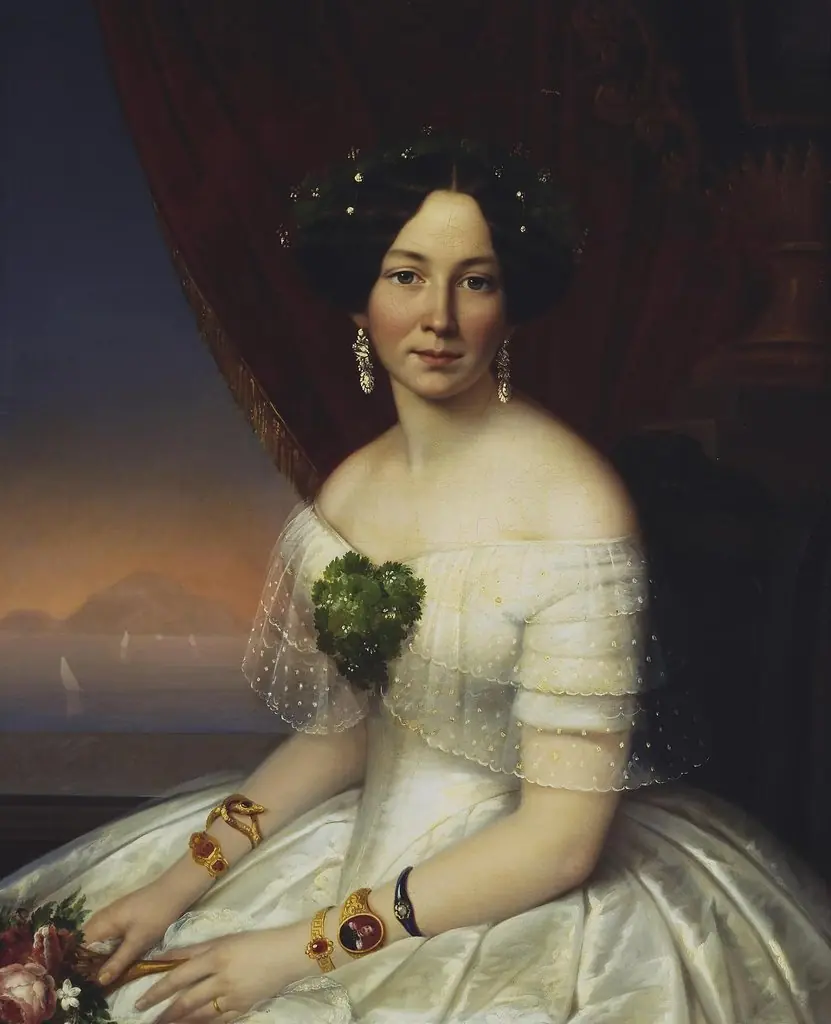 Portrait of Julia Telyakovskaya
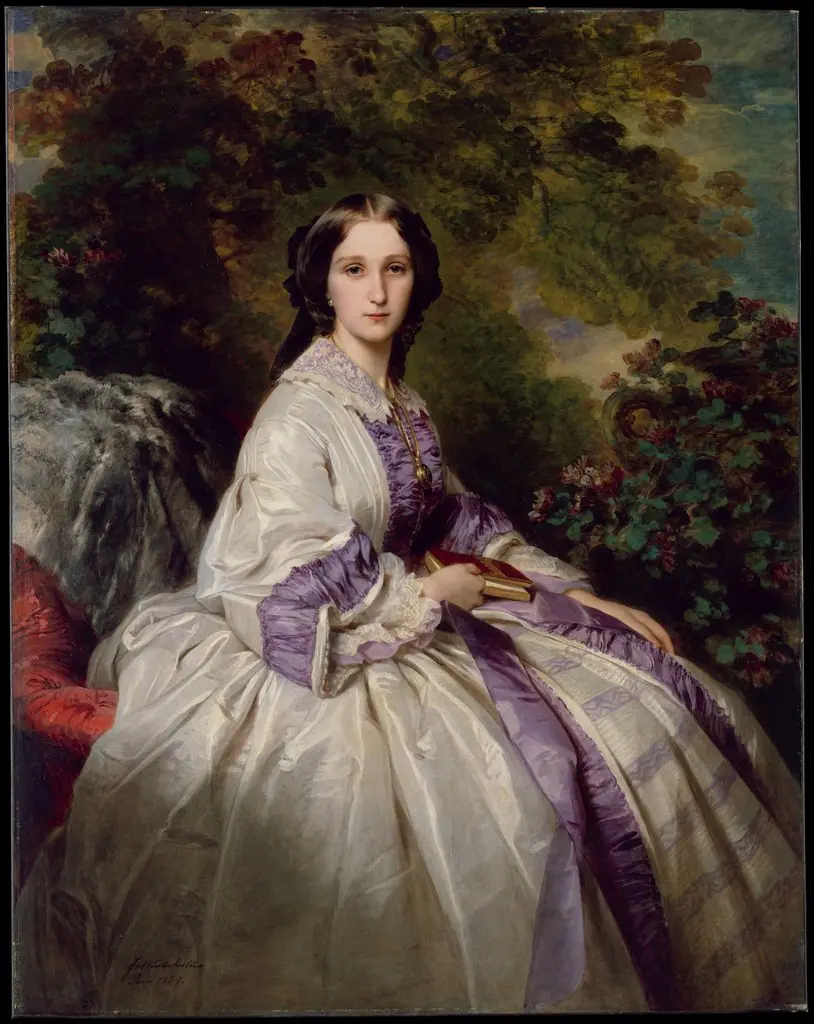 Portrait of Countess Alexander Nikolaevitch Lamsdorff
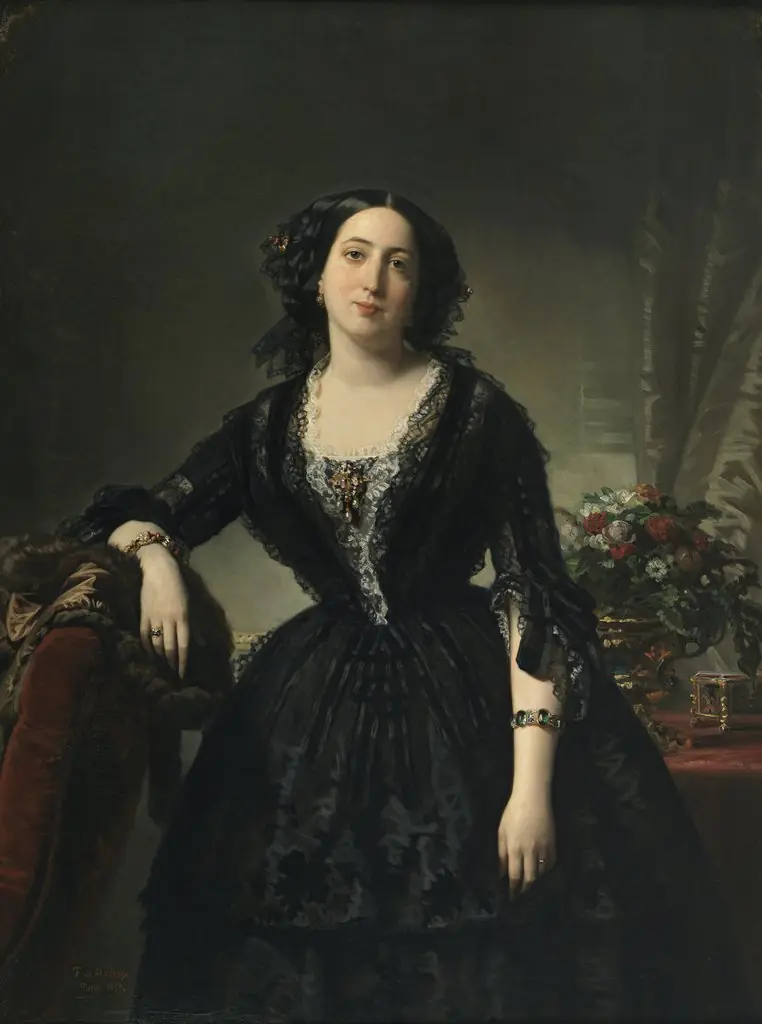 María Dolores de Aldama, Marchioness of Montelo
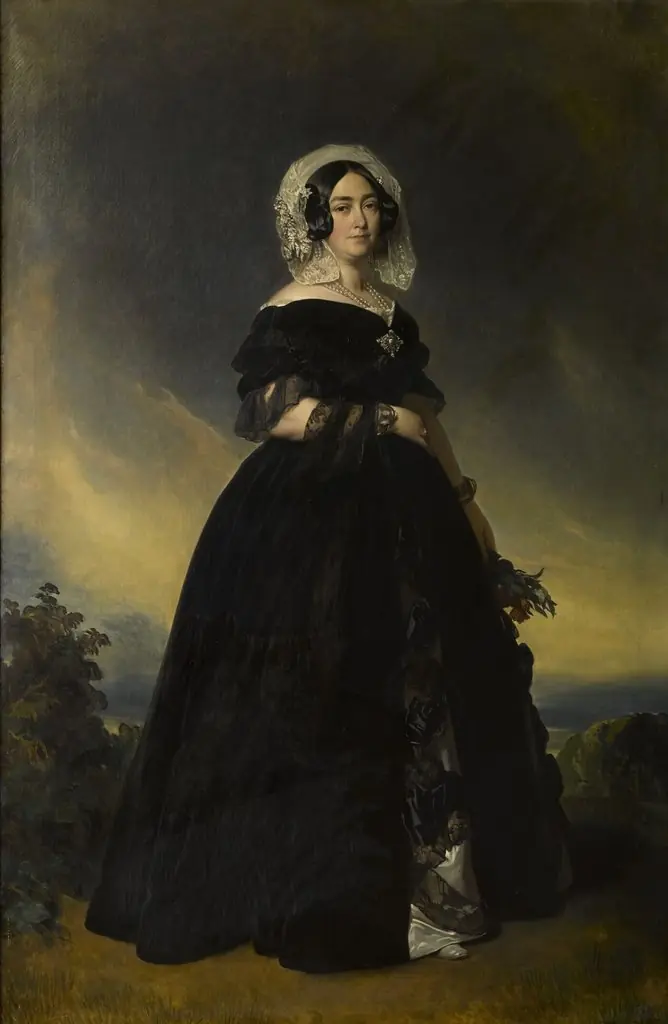 Marie Louise Victoria of Saxe-Coburg-Saafeld, Duchess of Kent (1786–1861)
 Portrait of Yulia F. Kurakina (1814-1881)
![Portrait of Countess Marie Branicka de Bialacerkiew [née Princess Sapieha], by Franz Xaver Winterhalter](https://artifactworldgallery.com/img/franz-xaver-winterhalter--portrait-of-countess-marie-branicka-de-bialacerkiew-nee-prin--b90e3708579c979d-w320.webp) Portrait of Countess Marie Branicka de Bialacerkiew [née Princess Sapieha]
Portrait of Countess Marie Branicka de Bialacerkiew [née Princess Sapieha]