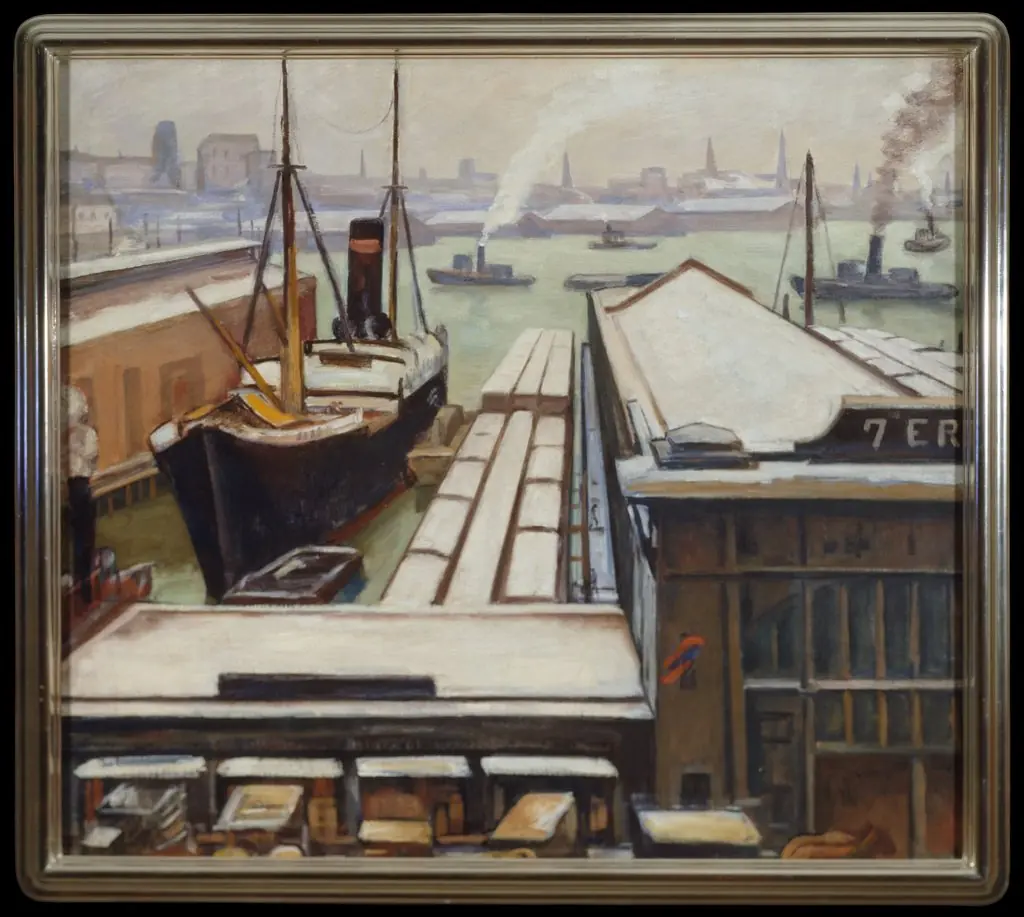
Artwork
Untitled
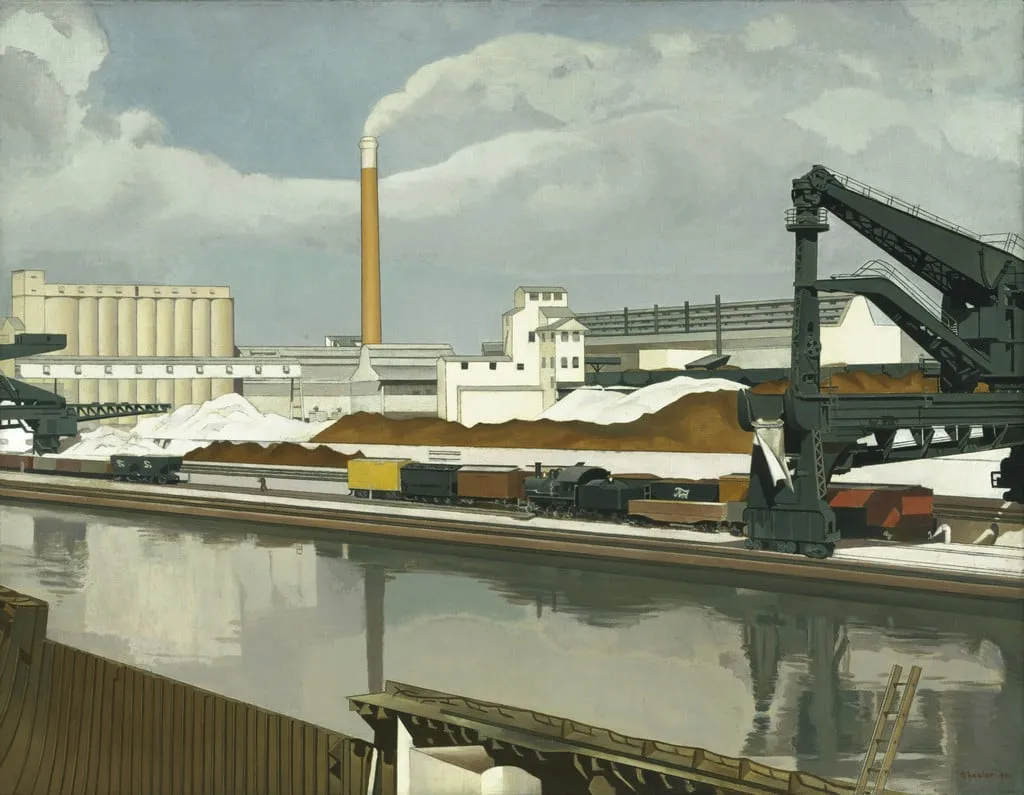
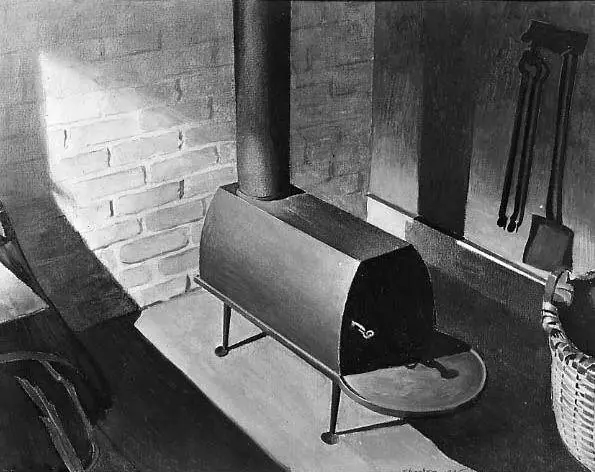
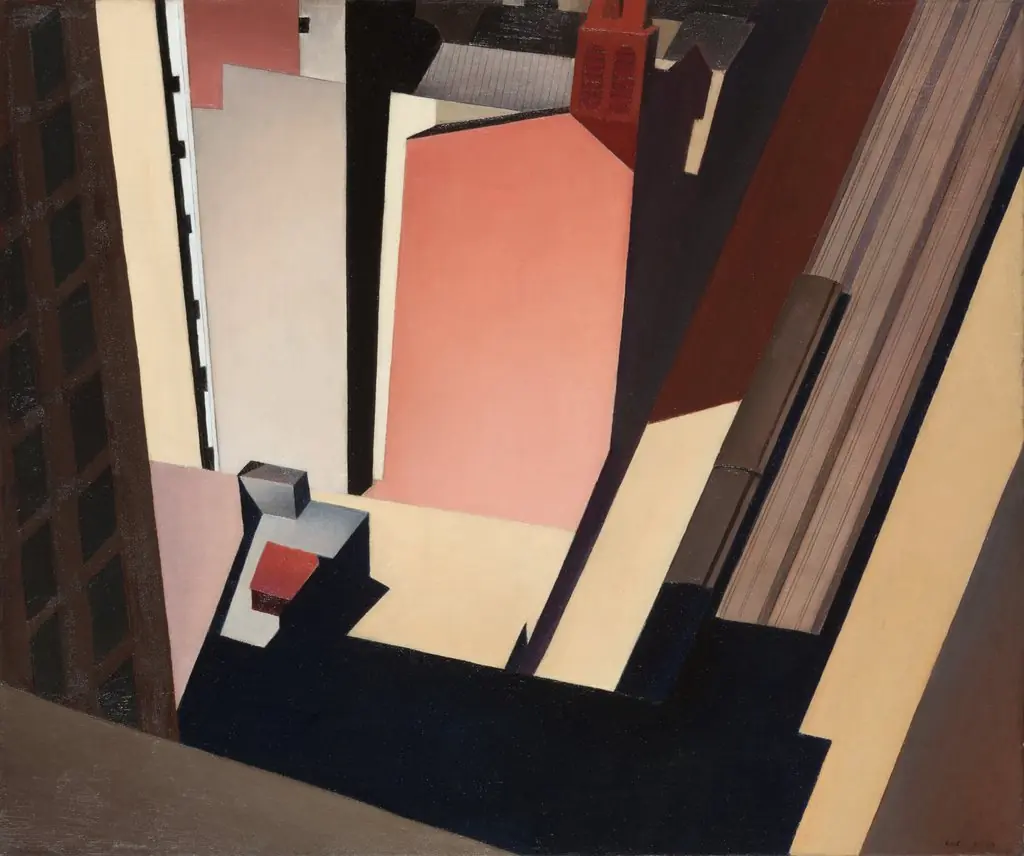
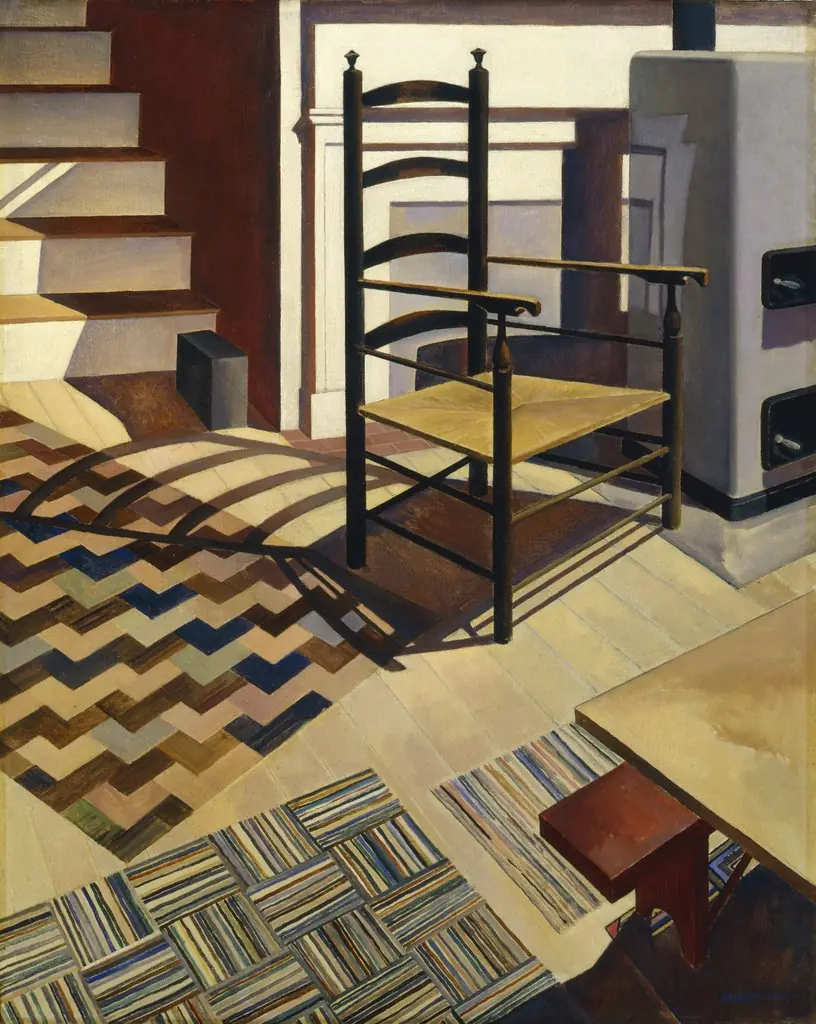
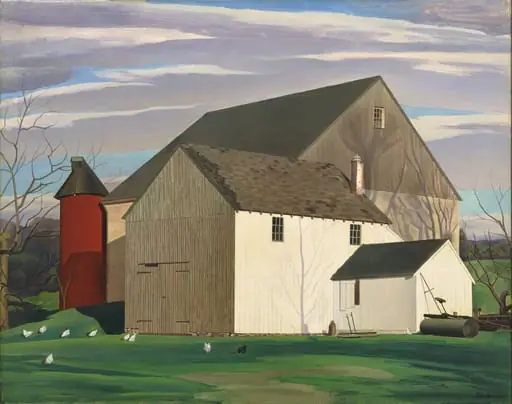
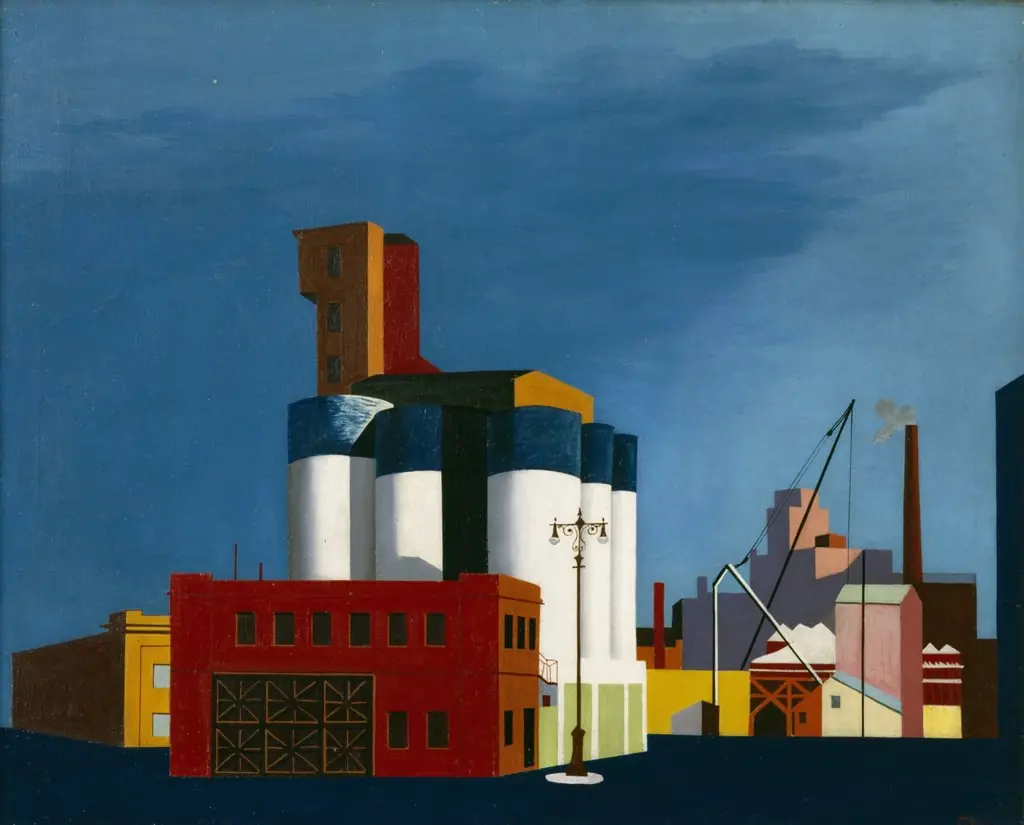
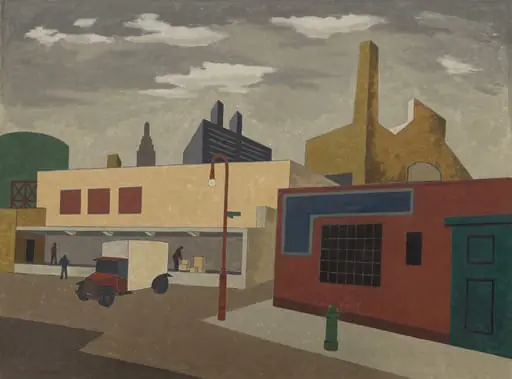
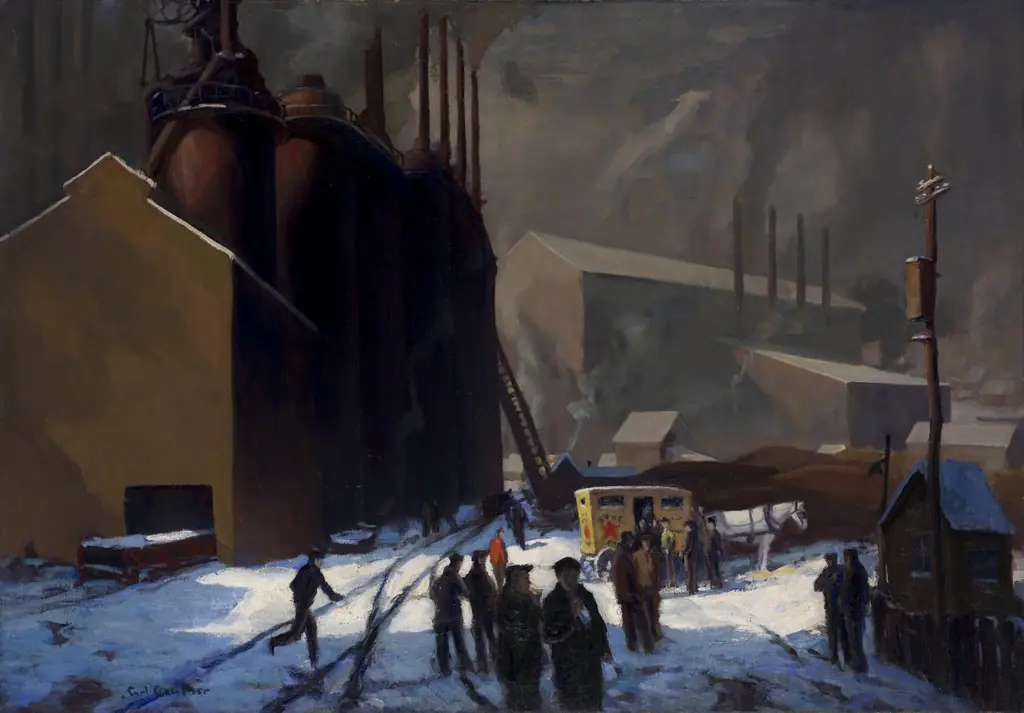
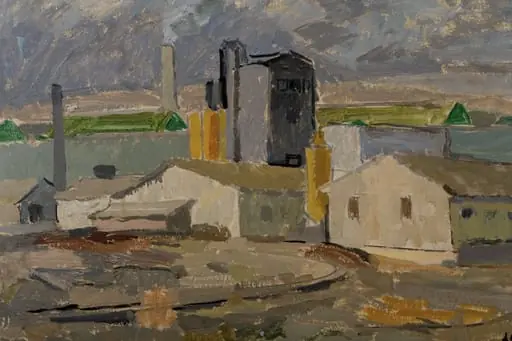
Untitled is an oil painting by the American Impressionist artist Charles Sheeler. It dates from 1930 and is held in the collection of the Museum of Modern Art.
About this work
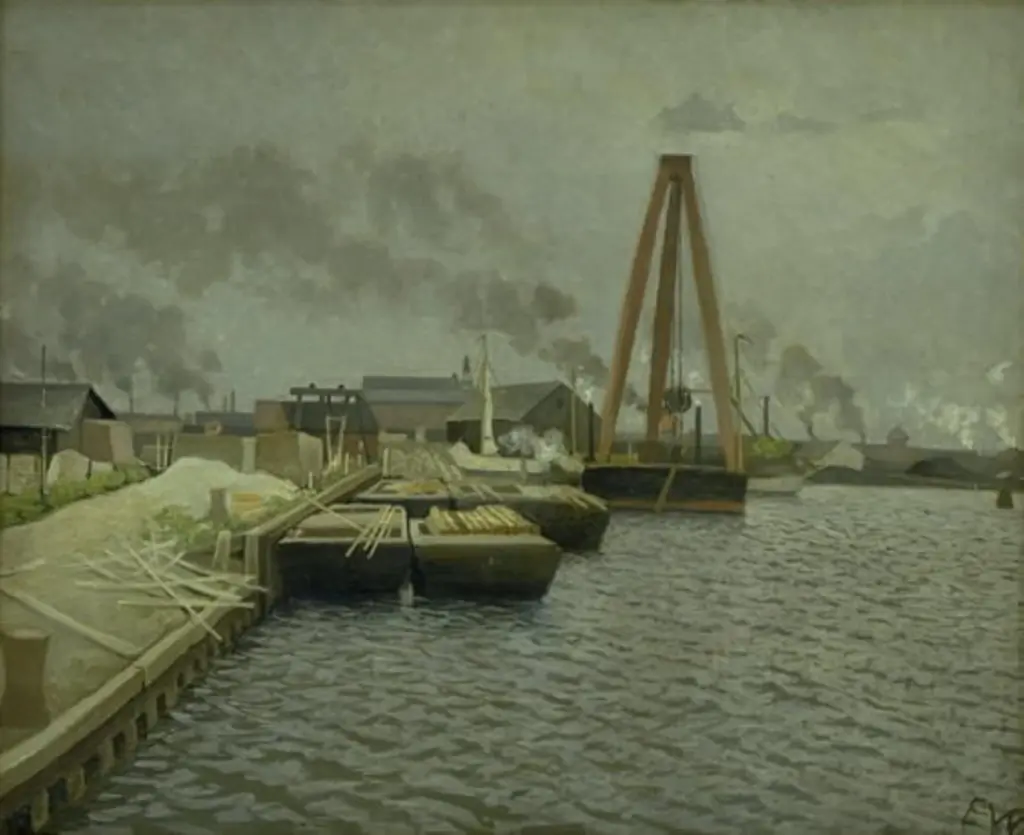
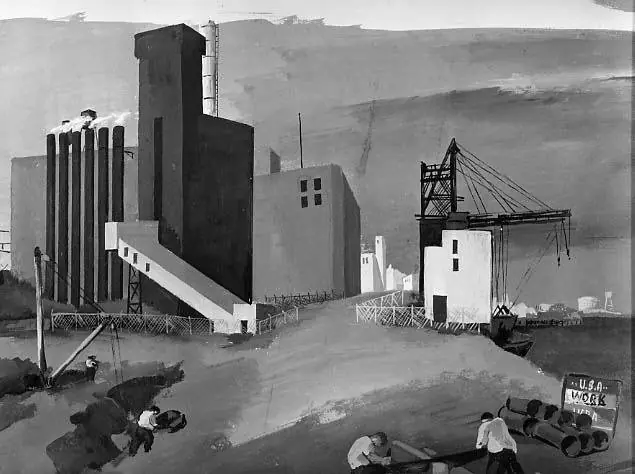
The artist used bold lines and shapes to create this scene, which is interesting because it shows a mix of natural and man-made elements.
You see a simple American landscape in this painting.
It's an oil on canvas work from 1930.
The artist used bold lines and shapes to create this scene, which is interesting because it shows a mix of natural and man-made elements.
The way the buildings and trees are shown is simple, but it works well.
The artist's use of color is also notable, with a focus on earth tones.
Check out the work of Charles Sheeler for more like this.
Overview
Created in 1930, this oil on canvas by Charles Sheeler presents a pared‑down American landscape that merges natural and constructed elements. The composition is organized through clean, angular lines and a restrained palette of earth tones, delivering a clear, almost photographic view of the scene. The work is part of the Museum of Modern Art’s permanent collection.
Subject & Meaning
The painting juxtaposes modest rural forms—trees and low hills—with simplified architectural structures, suggesting the coexistence of agriculture and industry in early twentieth‑century America. By reducing the scene to its essential shapes, Sheeler invites viewers to consider the underlying order and rhythm of the built environment within a natural setting.
Technique & Style
Employing the Precisionist aesthetic, Sheeler renders the landscape with crisp outlines and smooth, unmodulated surfaces. The brushwork is subdued, emphasizing flat planes of color rather than texture, while the composition relies on geometric simplification to convey depth. This approach reflects his broader modernist interest in clarity and structural harmony.
History & Provenance
The canvas entered the Museum of Modern Art’s collection after being acquired in the mid‑20th century, joining a series of Sheeler works that illustrate his evolution from photography to painting. Its provenance traces back to the artist’s own studio, where it was produced during a period of intense exploration of industrial and pastoral motifs.
Context
Created shortly after Sheeler’s influential 1921 film collaboration *Manhatta*, the painting continues his investigation of the American built landscape through a visual language that bridges photography and painting. It stands as a representative example of Precisionism, a movement that shaped subsequent generations of artists interested in the intersection of modern technology and everyday scenery.
Artist & collection
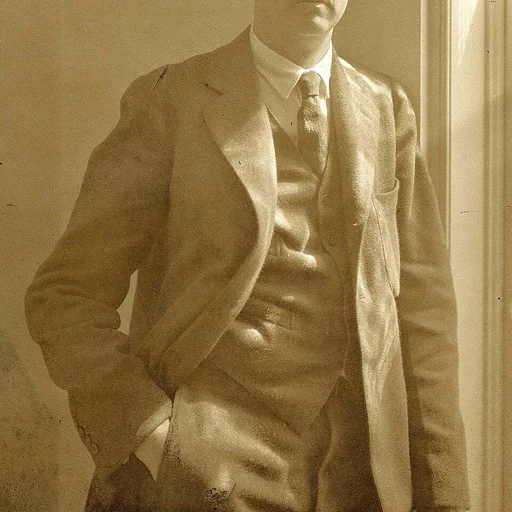
Artist
Charles Sheeler (July 16, 1883 – May 7, 1965) was an American artist known for his Precisionist paintings, commercial photography, and the 1921 avant-garde film, Manhatta, which he made in collaboration with Paul Strand.