Artwork
Untitled
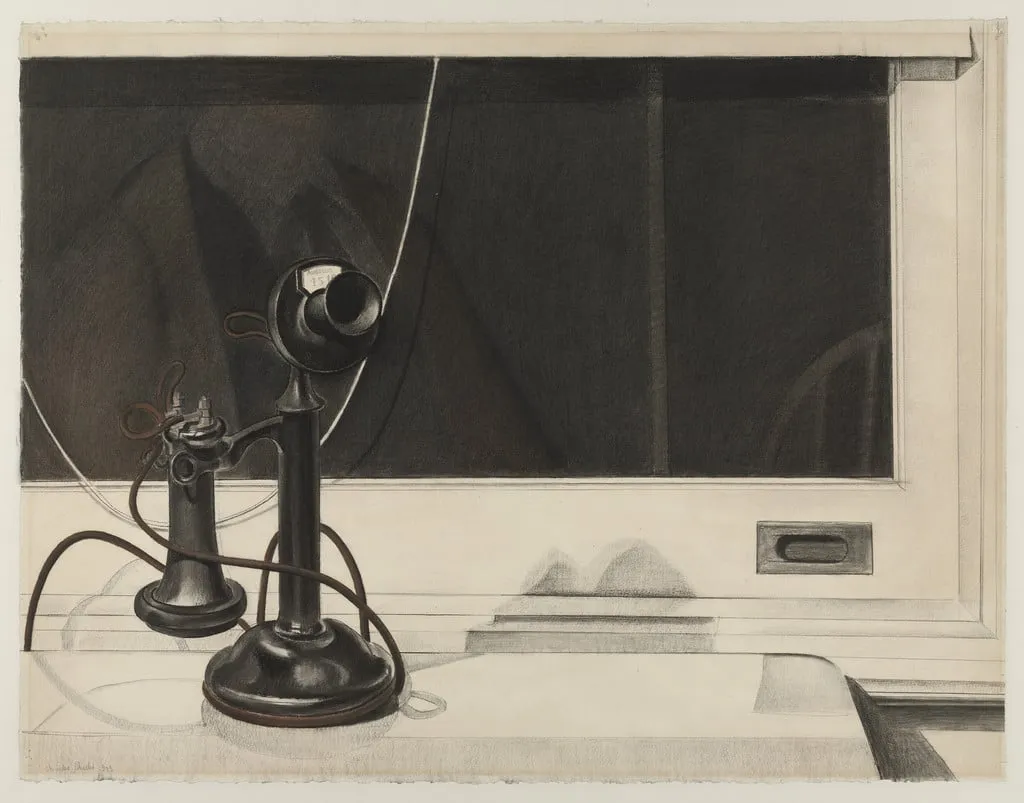
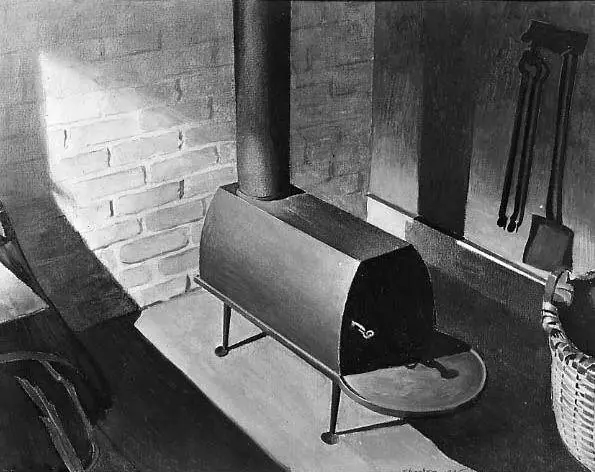
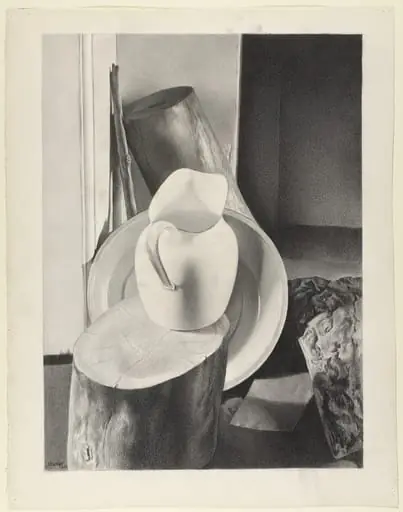
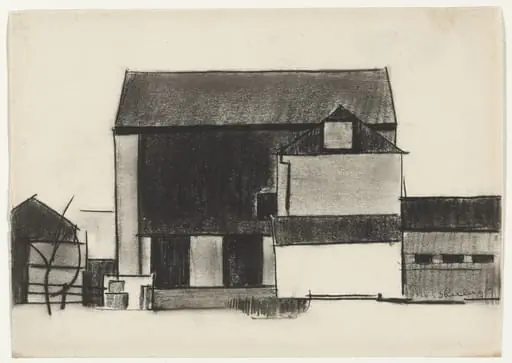
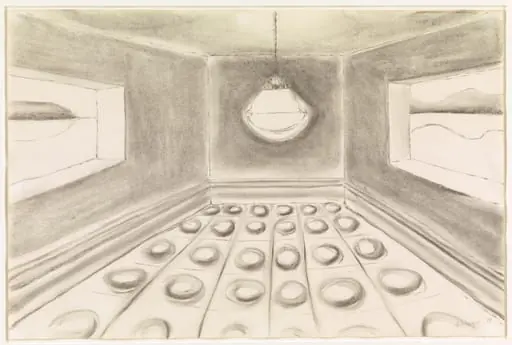
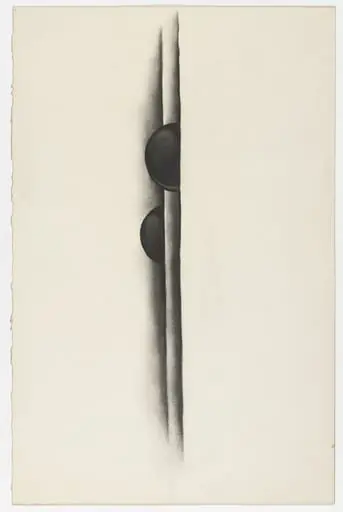
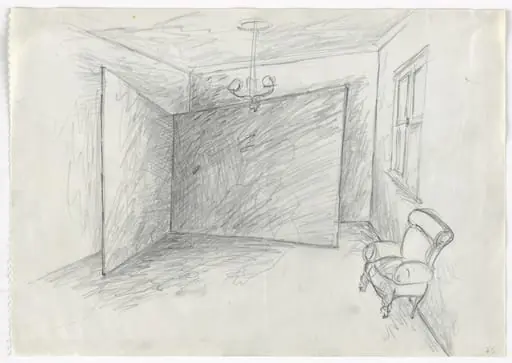
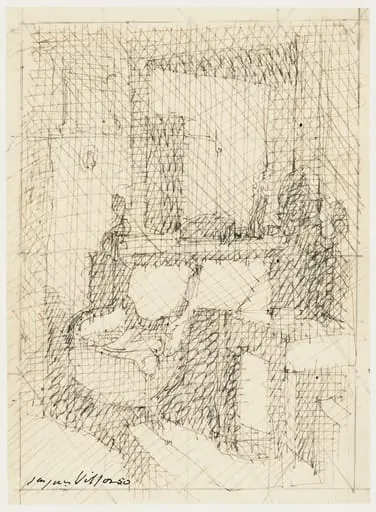
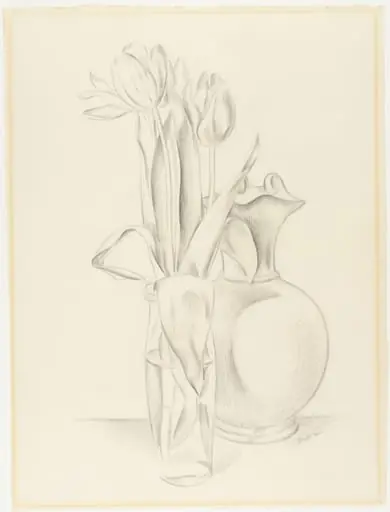
Untitled is a gouache drawing by Charles Sheeler. It dates from 1923 and is held in the collection of the Museum of Modern Art.
About this work
Overview
It is part of The Museum of Modern Art’s collection and exemplifies Sheeler’s interest in quiet, domestic interiors rendered with precise, controlled lines.
Created in 1923, this drawing by Charles Sheeler combines conté crayon, gouache, and pencil on paper. It is part of The Museum of Modern Art’s collection and exemplifies Sheeler’s interest in quiet, domestic interiors rendered with precise, controlled lines. The work reflects his broader engagement with modernist aesthetics, balancing realism with formal abstraction through material economy and compositional restraint.
Subject & Meaning
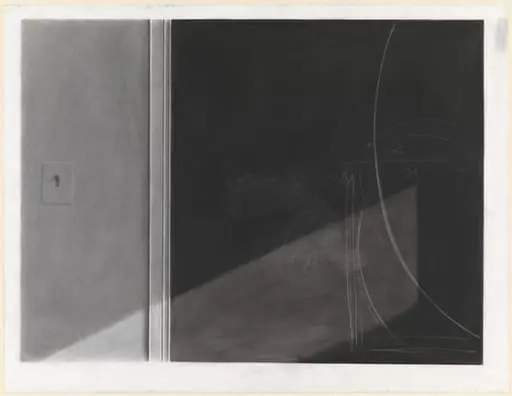
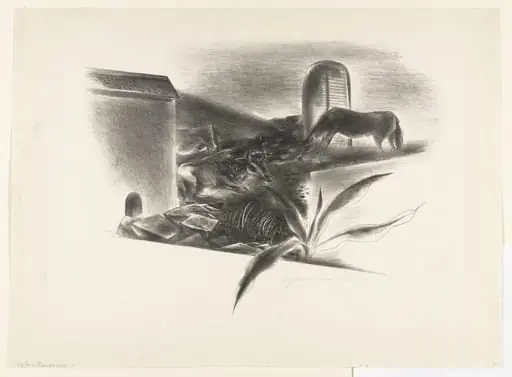
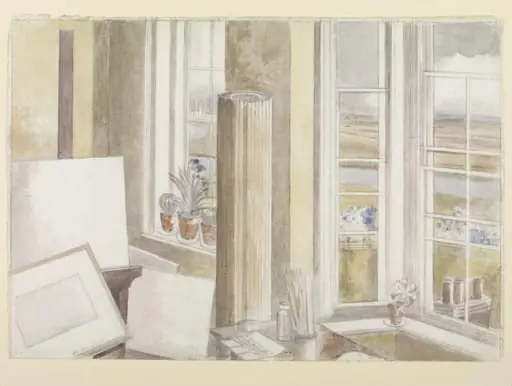
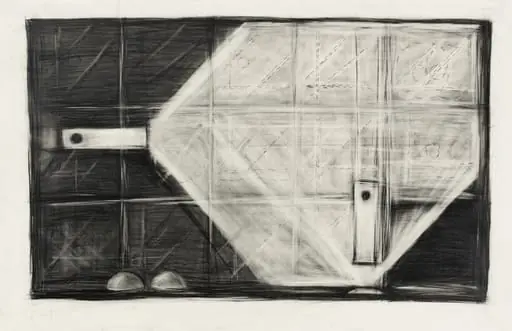
The drawing depicts a simple desk lamp with twin curved arms and a coiled cord resting on a wooden surface. Behind it, a dark window framed in white opens into emptiness, interrupted only by a small metal mail slot. The absence of human presence and the stillness of the scene suggest a contemplative solitude, transforming an ordinary object into a quiet monument of modern life.
Technique & Style
Sheeler employed conté crayon for sharp, dark outlines and subtle tonal gradations, while gouache provided flat, opaque areas of color to define surfaces like the lamp’s base and the window frame. Pencil added fine details and texture to the wood grain. The interplay of sharp edges and muted lighting enhances the three-dimensionality of the objects without relying on traditional perspective.
History & Provenance
This work dates from a period when Sheeler was deeply involved in both painting and photography, refining his visual language through direct observation. It entered The Museum of Modern Art’s collection as part of its early commitment to American modernism. Though not widely exhibited, it remains a key example of his graphic work outside of his better-known industrial paintings.
Context
In the early 1920s, American artists began turning away from European traditions toward subjects rooted in domestic and industrial modernity. Sheeler’s focus on mundane objects—like this lamp—aligned with Precisionism’s emphasis on clarity and structure. His photographic practice informed this drawing’s detached, almost mechanical viewpoint, distancing the viewer from sentimentality.
Legacy
This drawing illustrates Sheeler’s ability to elevate the ordinary through formal discipline. His use of mixed media to suggest weight, texture, and light without embellishment influenced later generations of American realists and minimalist artists. The work stands as a quiet testament to the aesthetic potential of everyday environments in early 20th-century art.
Artist & collection
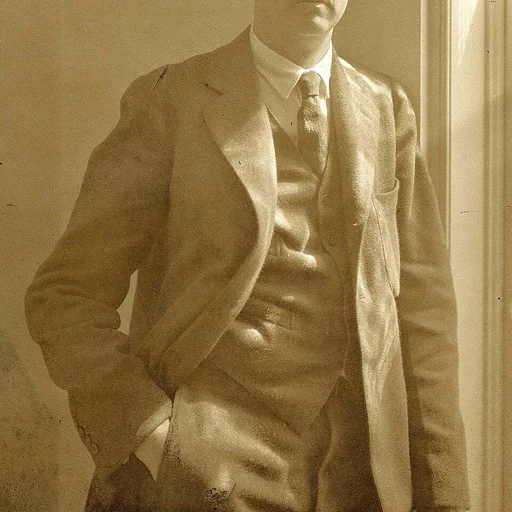
Artist
Charles Sheeler (July 16, 1883 – May 7, 1965) was an American artist known for his Precisionist paintings, commercial photography, and the 1921 avant-garde film, Manhatta, which he made in collaboration with Paul Strand.