Artwork
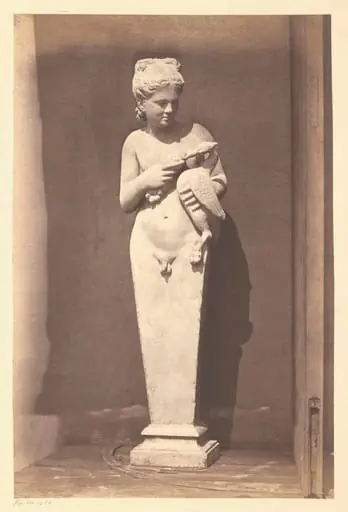
Silenus Holding the Child Dionysus, Louvre Museum, Paris
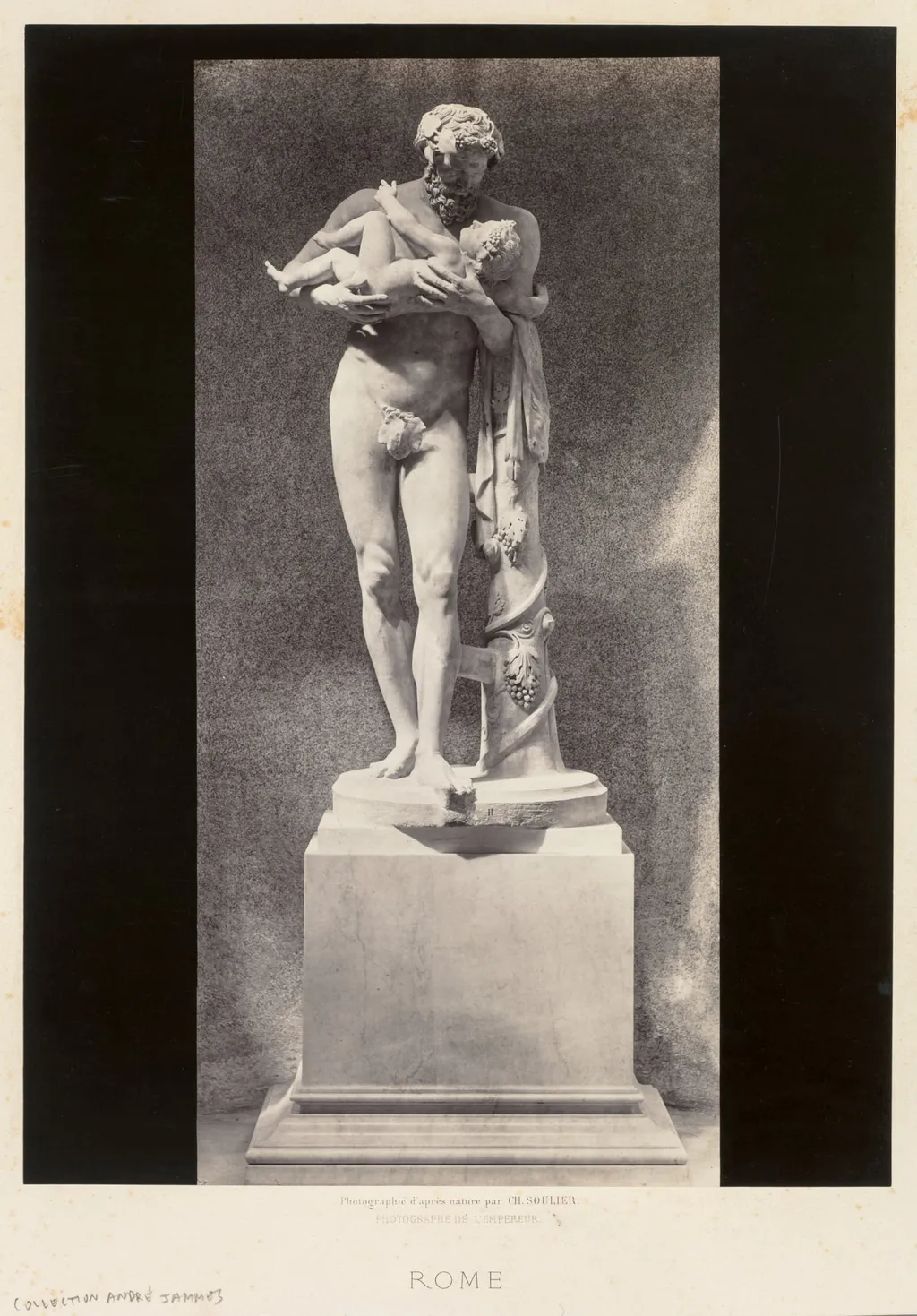
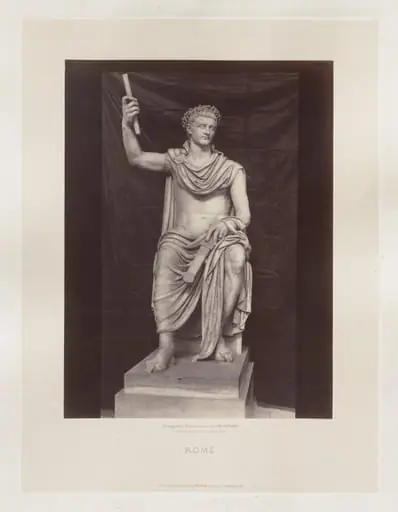
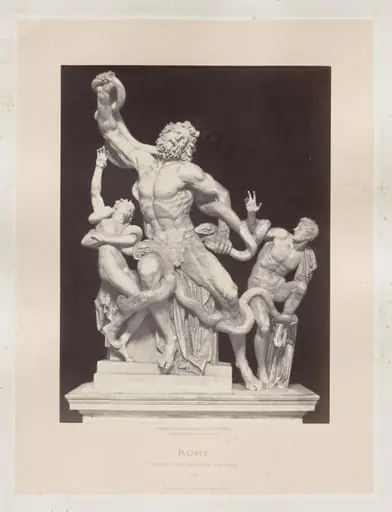
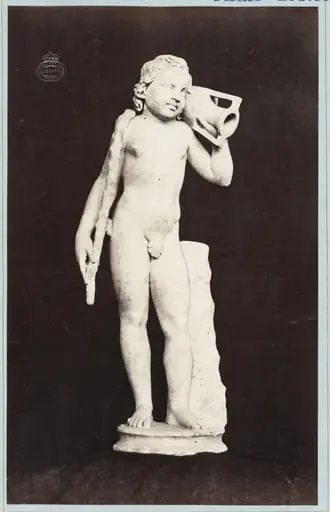
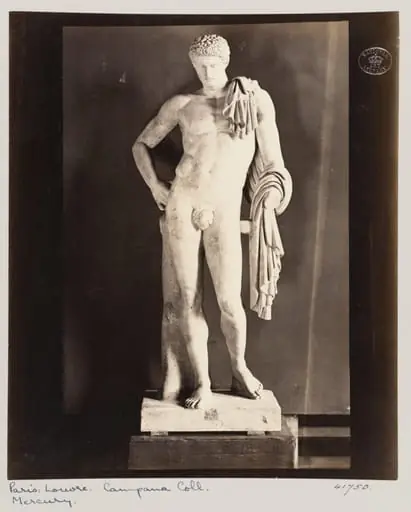
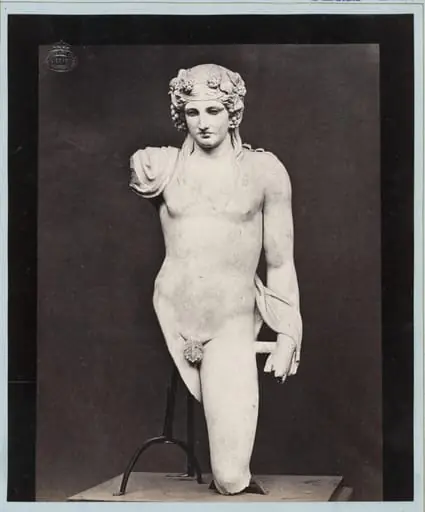
Silenus Holding the Child Dionysus, Louvre Museum, Paris is a photography by the Impressionist artist Charles Soulier. It dates from 1864 and is held in the collection of the Cleveland Museum of Art. The marble group, now displayed in the Louvre, presents the mythological figure Silenus cradling the infant Dionysus.
About this work
Overview
The marble group, now displayed in the Louvre, presents the mythological figure Silenus cradling the infant Dionysus. The composition captures a moment of intimate guardianship, with the elder figure seated and the child gazing upward. The work exemplifies Roman sculptural treatment of Greek myth, translating a narrative scene into a static, three‑dimensional form.
Subject & Meaning
Silenus, a rustic companion of the wine god, is shown as a protective caretaker, emphasizing themes of nurture and mentorship that recur in Dionysian mythology. The child's upward glance suggests reverence and the transmission of divine authority, while the pairing underscores the close bond between the older satyr and the future god of viticulture.
Technique & Style
Carved from marble, the sculpture employs a smooth finish that highlights the flesh of the figures, while the drapery is rendered with shallow relief to suggest folds without heavy detailing. The modeling balances realism with idealized forms, a hallmark of Roman adaptations of Hellenistic prototypes, allowing the viewer to discern both texture and movement.
History & Provenance
Acquired by the Louvre in 1807, the piece entered the museum’s collection during the early 19th‑century expansion of its classical holdings. Its provenance prior to acquisition is not fully documented, but the work reflects the Roman practice of copying earlier Greek models, a common source for many museum pieces of this type.
Context
The representation of Silenus with Dionysus aligns with a broader Roman interest in mythological subjects that conveyed moral and cultural values. Such groups were often displayed in domestic or public settings as decorative elements, reinforcing the patron’s erudition and appreciation for classical narratives.
Artist & collection