Artwork
Statue de Tibere, Vatican
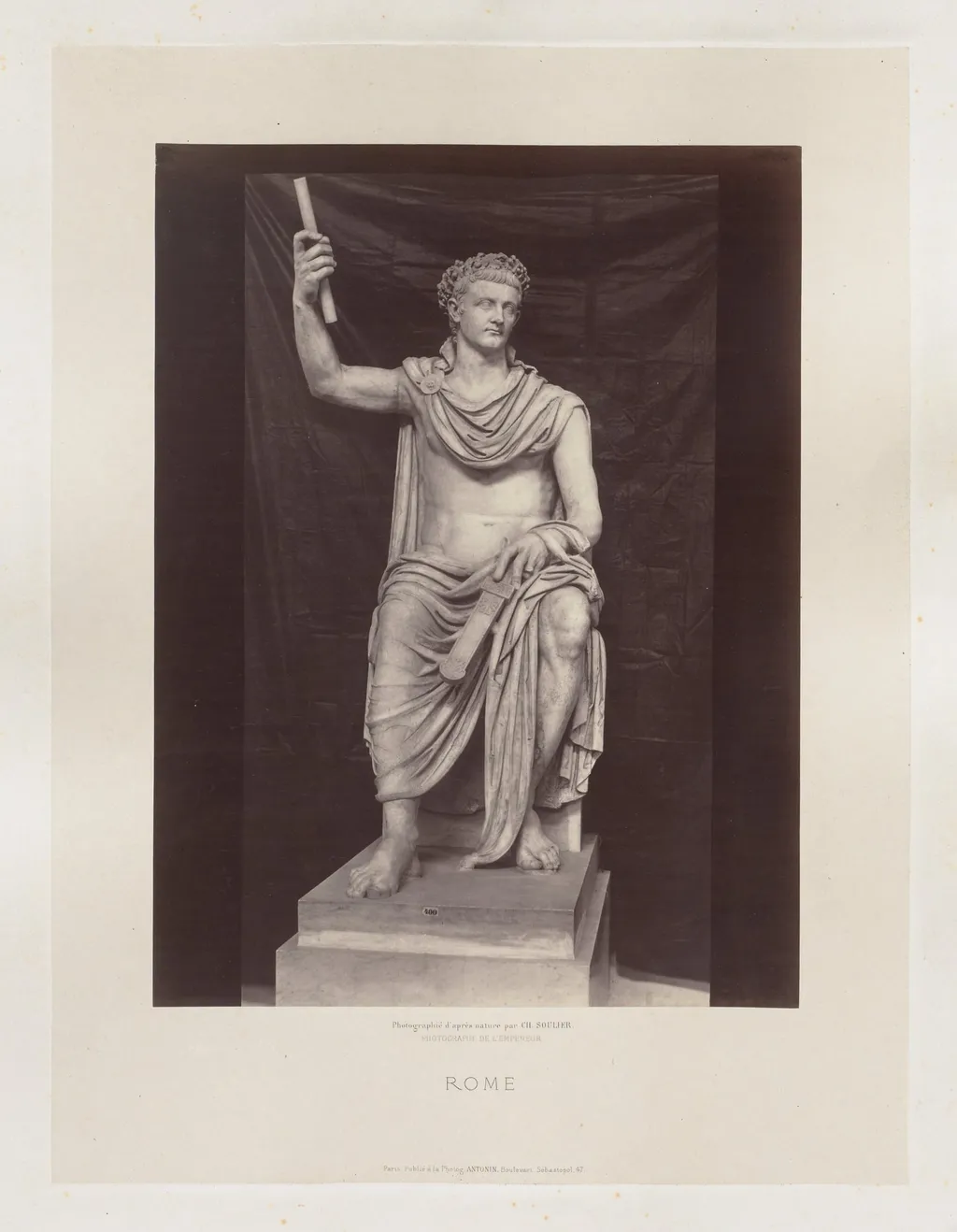
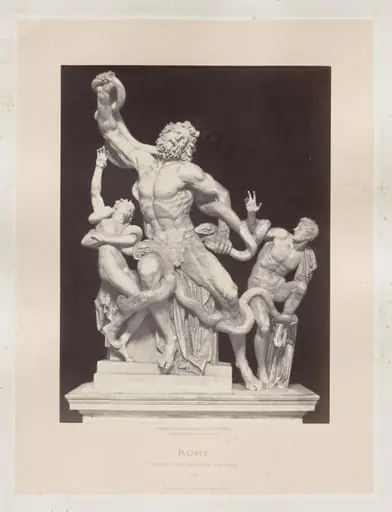
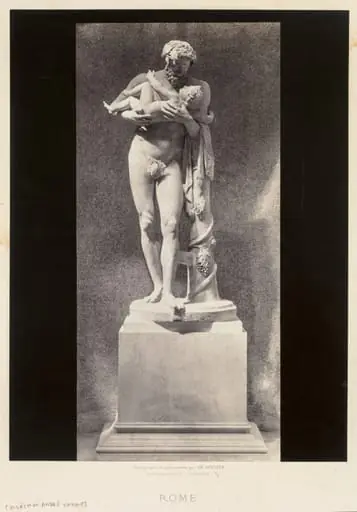
Statue de Tibere, Vatican is a photography by the Impressionist artist Charles Soulier. It dates from 1860 and is held in the collection of the Cleveland Museum of Art.
About this work
Overview
It documents a classical sculpture rather than creating one, serving as a record of an ancient artifact preserved in the Vatican.
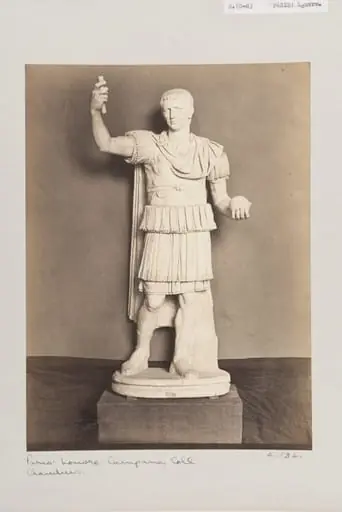
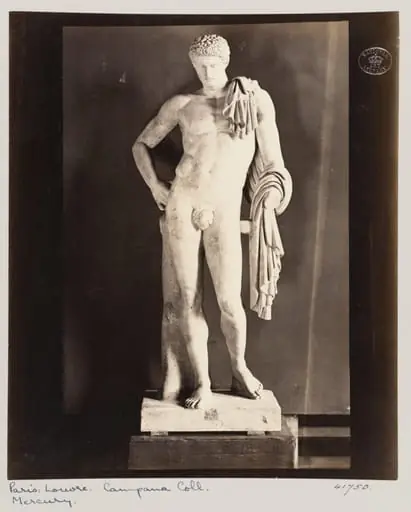
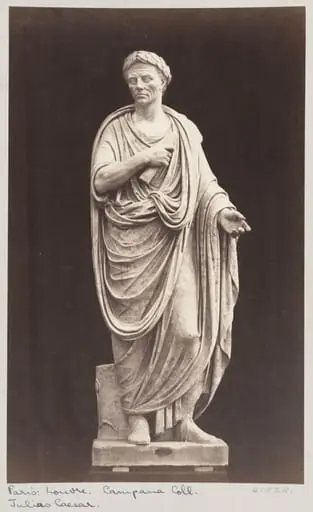
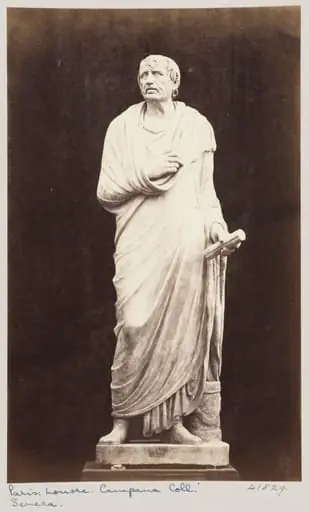
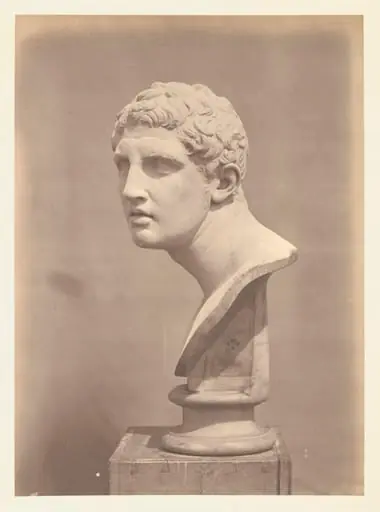
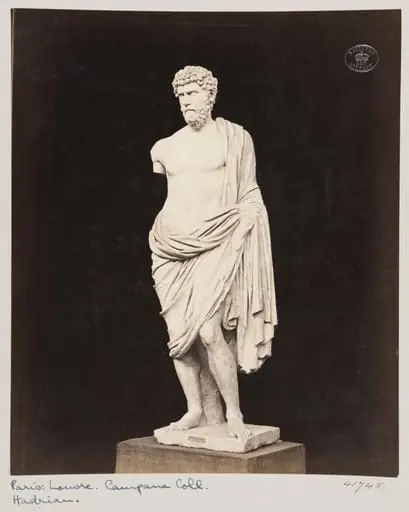
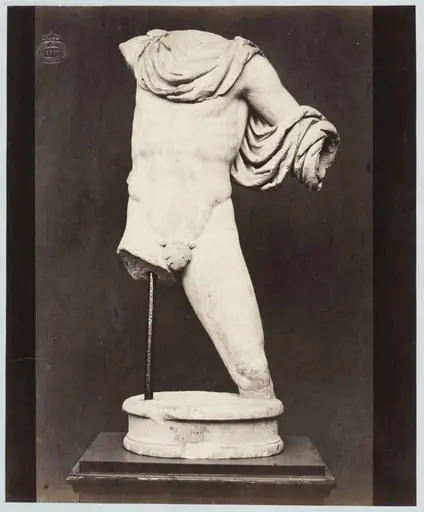
This photograph, taken around 1860 by Charles Soulier, captures a marble statue of the Roman emperor Tiberius. The image is part of the collection at the Cleveland Museum of Art. It documents a classical sculpture rather than creating one, serving as a record of an ancient artifact preserved in the Vatican. The composition emphasizes the statue’s form through contrast with a dark backdrop, isolating it for detailed study.
Subject & Meaning
The statue depicts Tiberius, the second Roman emperor, portrayed in the traditional garb of Roman authority: a toga and laurel wreath. He holds a staff, a symbol of command. The pose and attire reflect imperial dignity, aligning with Roman conventions of depicting rulers as embodiments of order and continuity. The image preserves the visual language of power used in imperial portraiture during the early Empire.
Technique & Style
The original statue is carved from white marble in a style consistent with early imperial Roman sculpture, characterized by restrained realism and idealized features. Soulier’s photograph reproduces these qualities with careful attention to light and shadow, enhancing the texture of the marble and the contours of the drapery. The photographic technique prioritizes clarity and formal accuracy over artistic interpretation.
History & Provenance
The marble statue originates from ancient Rome and was likely created during Tiberius’s reign or shortly after. It entered the Vatican collections during the Renaissance or early modern period, where it remained a subject of scholarly interest. Soulier’s photograph, made in the mid-19th century, reflects the growing practice of documenting classical antiquities for academic and public dissemination.
Context
In the 1860s, European institutions increasingly cataloged ancient art as part of broader archaeological and historical efforts. Soulier’s work aligns with this trend, contributing to the documentation of Roman imperial imagery. The photograph was not made for aesthetic display alone but as part of a systematic effort to preserve and study classical heritage through emerging photographic technology.
Legacy
Soulier’s photograph endures as a historical record of a significant Roman sculpture now housed in the Vatican. It illustrates how 19th-century photography became a tool for art historical scholarship, enabling wider access to antiquities beyond their physical locations. The image remains a reference for studies of Roman portraiture and the transmission of classical ideals in modern times.
Artist & collection