Artwork
Sileno Educatore di Bacco
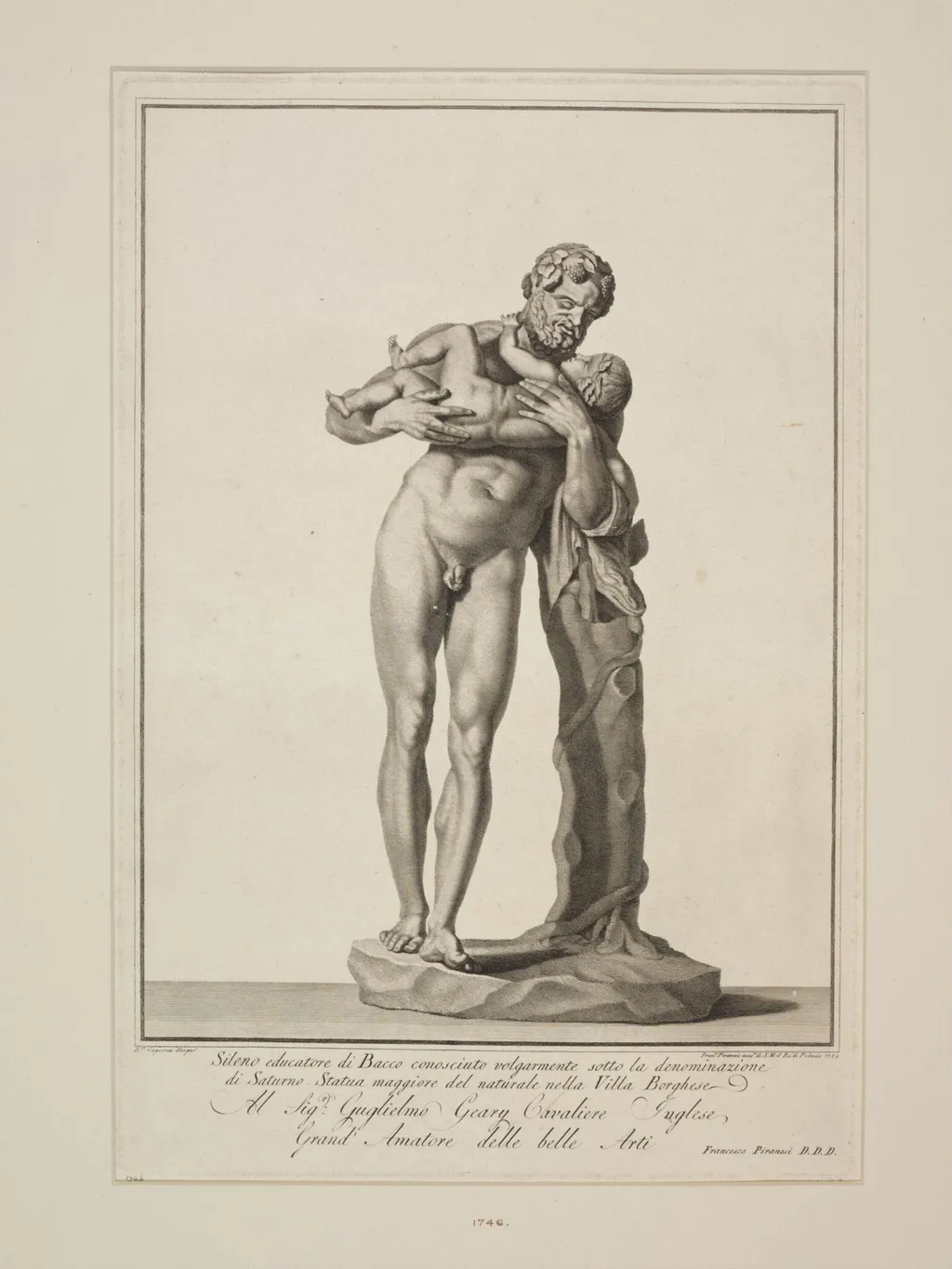
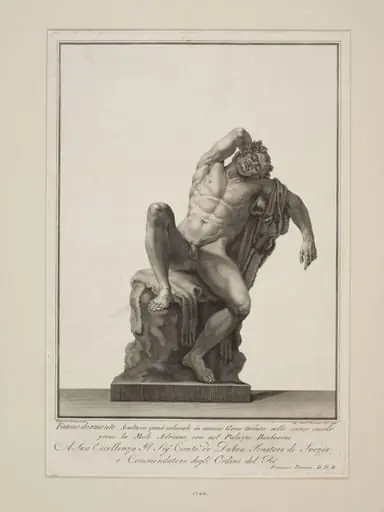
Sileno Educatore di Bacco is a print by Francesco Piranesi. It dates from 1850 and is held in the collection of the Victoria and Albert Museum.
About this work
Overview
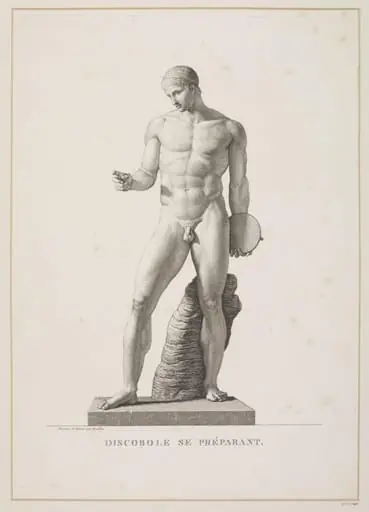
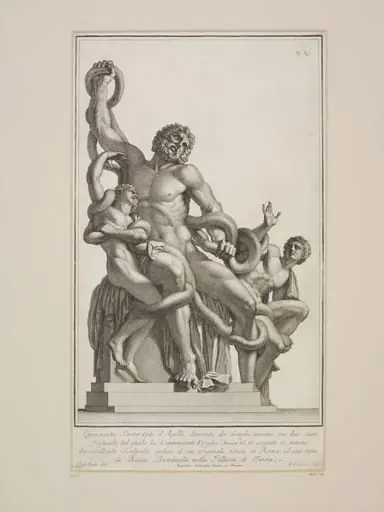
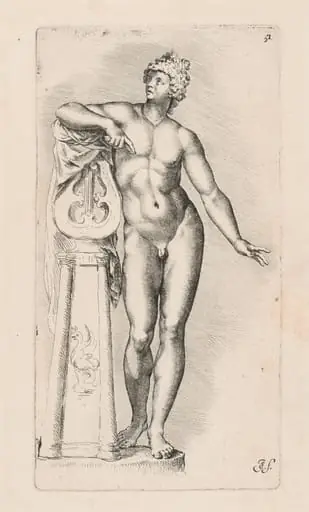
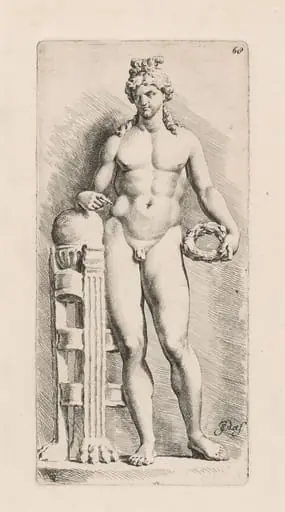
Francesco Piranesi created this print as part of the series *Choix des Meilleures Statues Antiques*, a collection documenting classical sculptures.
Francesco Piranesi created this print as part of the series *Choix des Meilleures Statues Antiques*, a collection documenting classical sculptures. The work reproduces an ancient statue of Silenus, a mythological companion of Dionysus, rendered in etching rather than paint. Unlike his father Giovanni’s grand architectural views, Francesco’s approach here is restrained, focusing on the formal qualities of the original sculpture through precise line work and tonal contrast.
Subject & Meaning
The image portrays Silenus, a satyr-like figure from Greek myth, nurturing the infant Dionysus. Silenus, often depicted as a wise but drunken mentor, is shown here in a tender, protective pose—his arm around the child’s waist, the other holding a draped cloth. The child gazes upward, suggesting dependence and instruction. The scene reflects ancient narratives of divine education, where mythological beings guide the next generation of gods.
Technique & Style
Executed as an etching, the print uses fine, controlled lines to define form and shadow. The figures are rendered with minimal detail, emphasizing silhouette and volume over texture. The rocky base and drapery are suggested rather than elaborated, creating a quiet, atmospheric effect. Piranesi’s technique prioritizes clarity and fidelity to the original statue, avoiding dramatic embellishment in favor of archaeological precision.
History & Provenance
The print belongs to a mid-18th-century series commissioned to document classical antiquities for European collectors and scholars. Francesco Piranesi, working in Rome, produced these prints under the influence of his father’s antiquarian interests. While the original statue’s whereabouts are uncertain, the print’s publication helped circulate knowledge of Hellenistic sculpture among Enlightenment audiences, preserving its form for study.
Context
During the 1760s–1780s, European interest in classical antiquity surged, fueled by archaeological discoveries and scholarly publications. Piranesi’s series responded to this trend, offering accessible reproductions of statues from private collections and ruins. Unlike theatrical interpretations, these prints aimed to serve as reference tools—documenting form, proportion, and iconography for artists and intellectuals engaged in the revival of classical ideals.
Legacy
Though less celebrated than his father’s work, Francesco Piranesi’s prints contributed to the systematic recording of ancient sculpture. His *Choix des Meilleures Statues Antiques* provided a visual archive that influenced neoclassical aesthetics and academic training. The print of Silenus remains a quiet example of how Enlightenment-era printmaking preserved and disseminated cultural heritage without romanticizing it.
Artist & collection


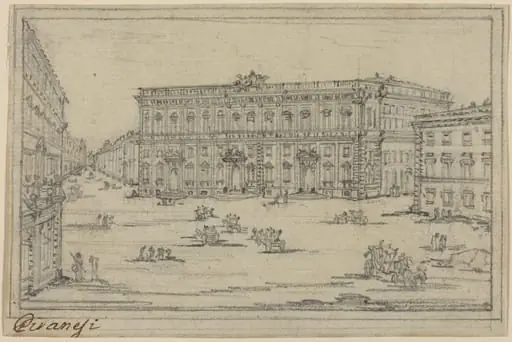 Palazzo della Consultà
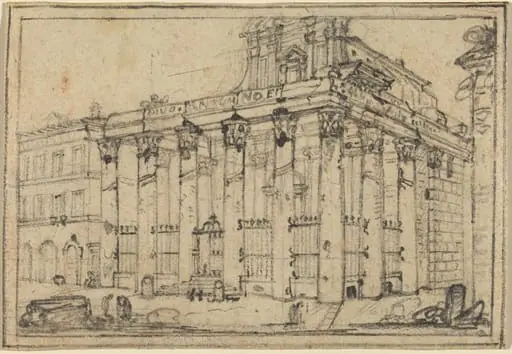 The Temple of Antoninus and Faustina
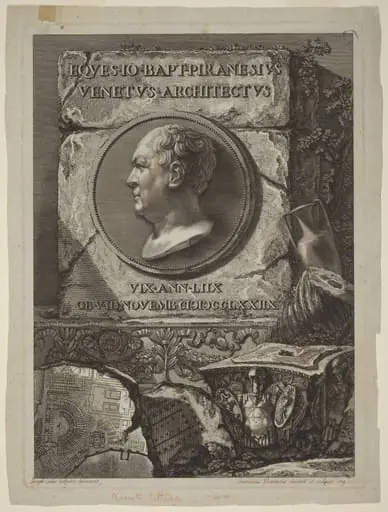 Giovanni Battista Piranesi
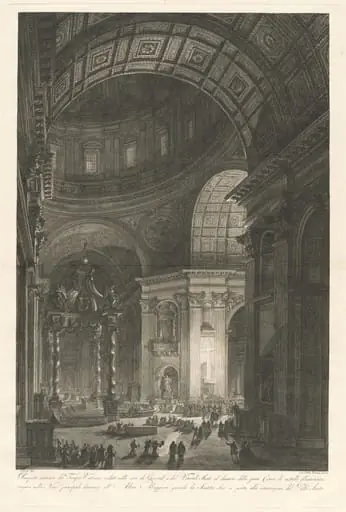 Interior of St. Peter’s, with the Illumination of the Cross of St. Peter
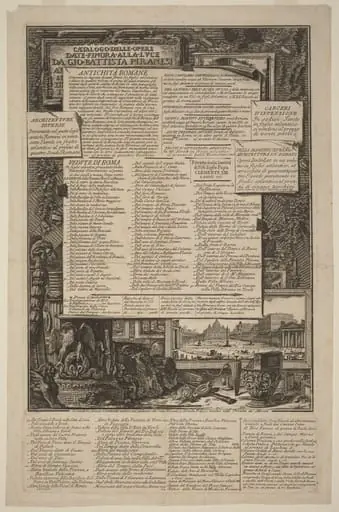 Catalogo delle Opere Date Finora Alla Lvce Da Gio Battista Piranesi
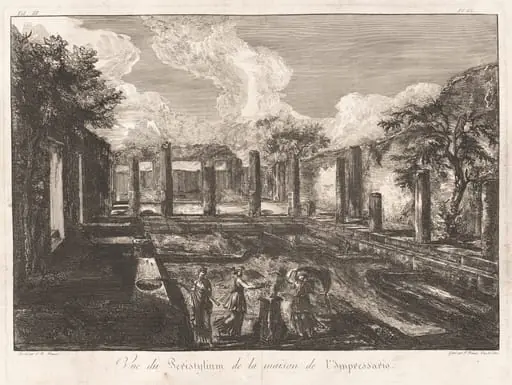 Vue du Peristylium de la maison de l'Impressario
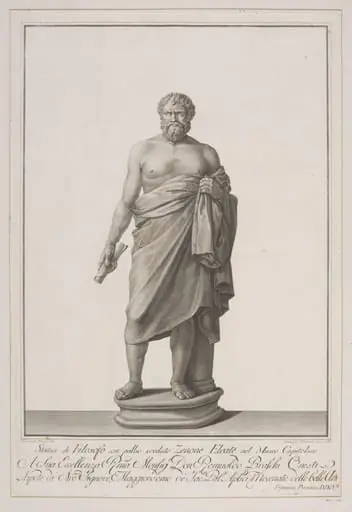 Statua di Filosofo
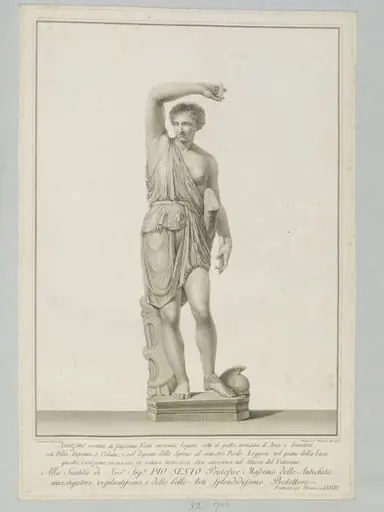 Statue of an Amazon