Artwork
Life School Royal Academy
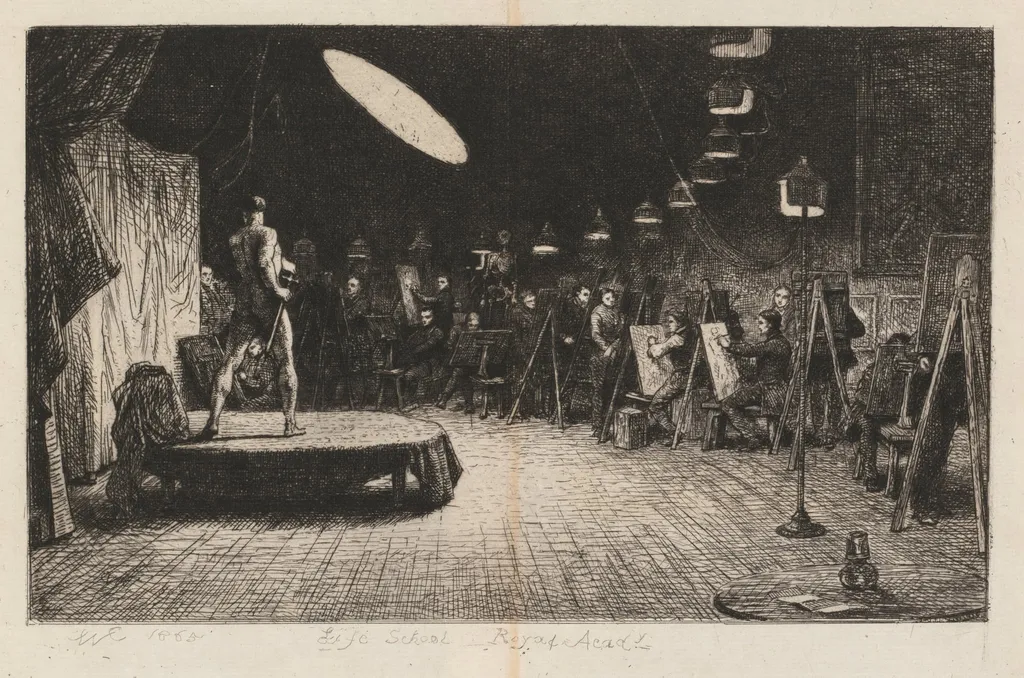
Life School Royal Academy is a print by the Impressionist artist Charles West Cope. It dates from 1865 and is held in the collection of the Cleveland Museum of Art.
About this work
Overview
A British artist known for historical and genre subjects, Cope used this scene to document the institutional training of artists during the Victorian period.
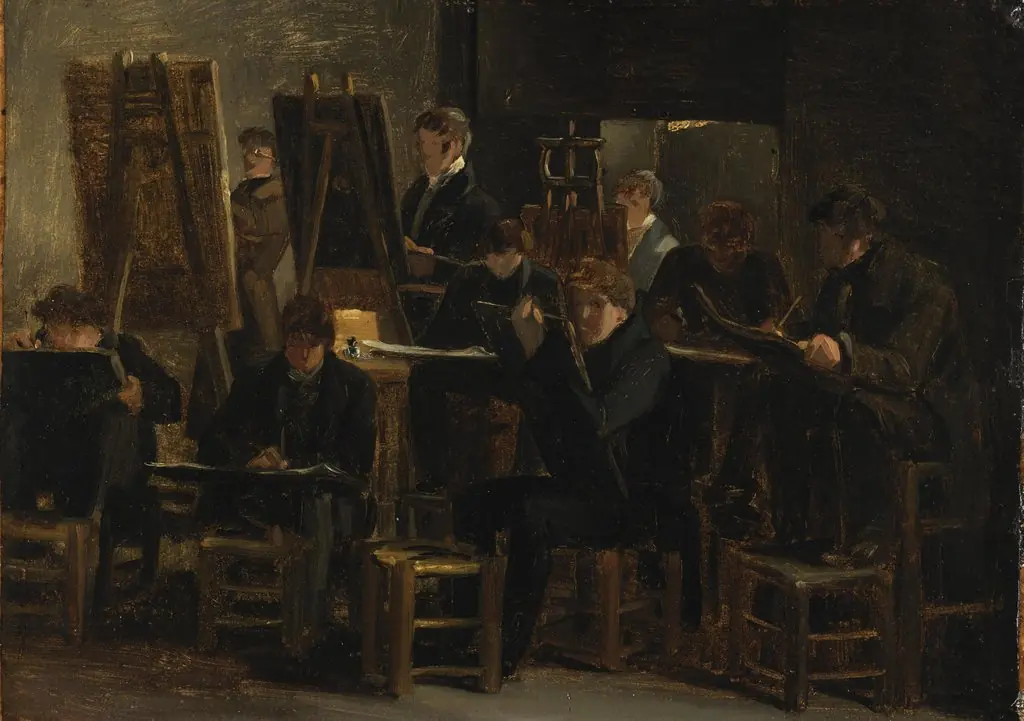
Charles West Cope painted *Life School Royal Academy* in 1865, capturing a moment within the Royal Academy’s life drawing class. A British artist known for historical and genre subjects, Cope used this scene to document the institutional training of artists during the Victorian period. The work is now part of The Cleveland Museum of Art’s collection, offering a quiet record of artistic education in 19th-century Britain.
Subject & Meaning
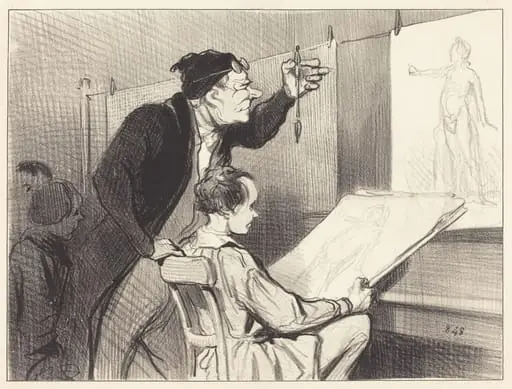
The painting portrays students engaged in drawing from a nude male model, a standard exercise in academic art training. The focused postures of the learners and the stillness of the model convey the disciplined nature of the classroom. Rather than dramatizing the scene, Cope emphasizes routine and concentration, reflecting the Royal Academy’s commitment to rigorous foundational study.
Technique & Style
Cope employed a restrained, detailed approach typical of mid-Victorian realism. Soft lighting defines the figures and interior space without theatrical contrast. The brushwork is precise yet unobtrusive, prioritizing clarity over expressive flourish. While the scene lacks overt symbolism, its quiet composition underscores the gravity of artistic apprenticeship.
History & Provenance
Created in 1865, the painting was likely made as a record of the Royal Academy’s pedagogical practices. It entered The Cleveland Museum of Art’s collection through documented acquisition, though its early ownership history remains largely unrecorded. Its preservation reflects a growing 20th-century interest in documenting the institutional history of art education.
Context
In mid-19th-century Britain, the Royal Academy’s Life School was central to training professional artists. Drawing from live models was considered essential for mastering anatomy and form. Cope’s depiction aligns with broader cultural values that elevated academic discipline over individual expression, reinforcing the Academy’s authority in shaping artistic standards.
Legacy
The painting endures as a documentary record of artistic pedagogy, not as a celebrated work of innovation. It provides insight into the daily rituals of art education before modern curricula emerged. While not widely reproduced, it remains a valuable reference for scholars studying the institutional foundations of British art training.
Artist & collection
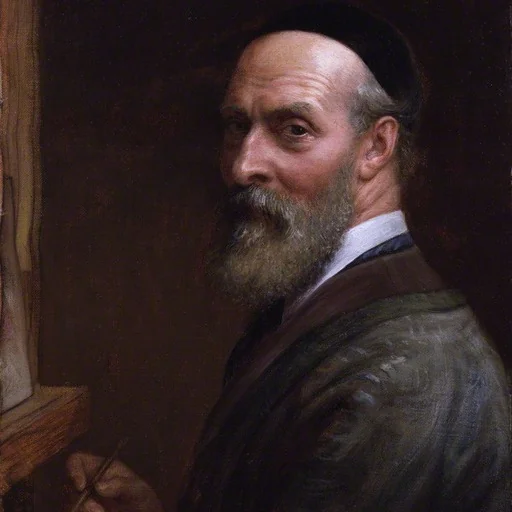
Artist
Charles West Cope (28 July 1811– 21 August 1890) was an English, Victorian era painter of genre and history scenes, and an etcher. He was responsible for painting several frescos in the House of Lords in London.