Artwork
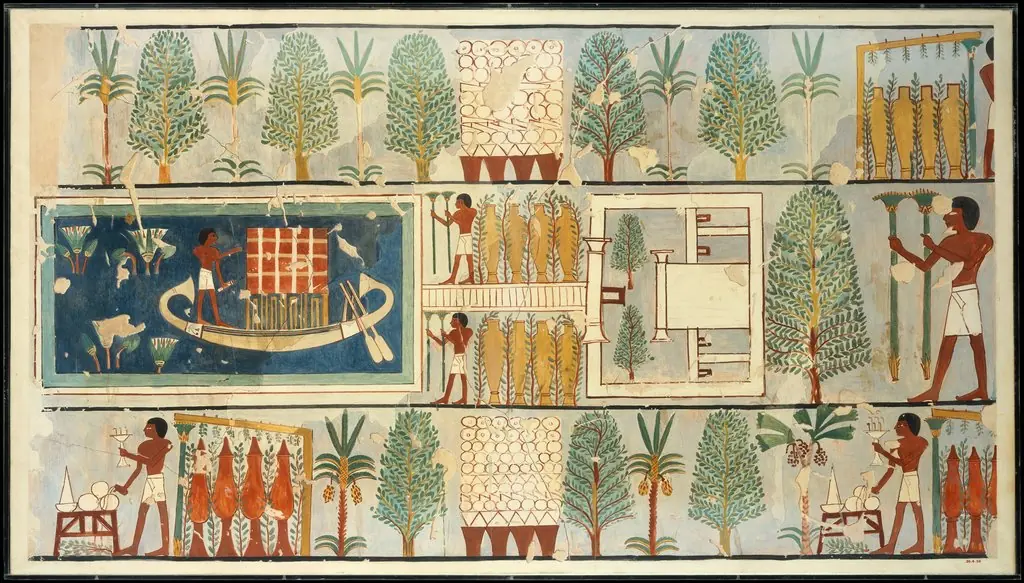
Nebamun Supervising Estate Activities, Tomb of Nebamun
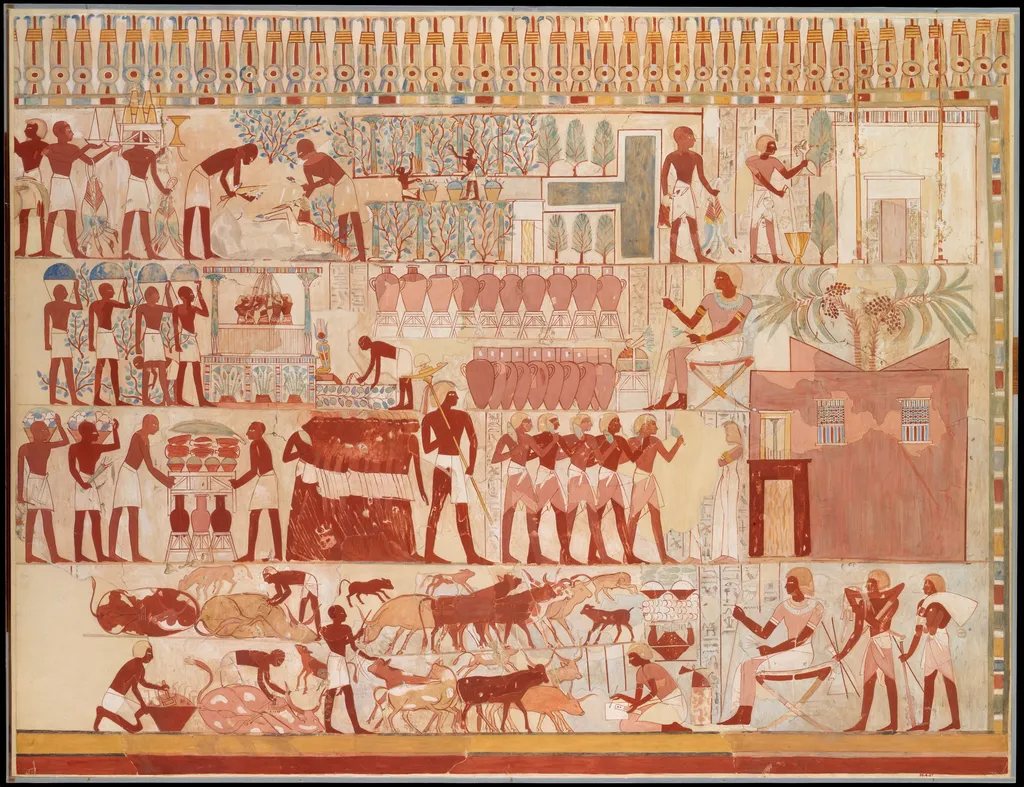
Nebamun Supervising Estate Activities, Tomb of Nebamun is an unspecified painting by Charles Wilkinson. It is held in the collection of the Metropolitan Museum of Art. The wall painting from the tomb of Nebamun, a middle‑ranking official of the 18th Dynasty, depicts a bustling estate scene.
About this work
Overview
The wall painting from the tomb of Nebamun, a middle‑ranking official of the 18th Dynasty, depicts a bustling estate scene. Executed on plastered limestone, the composition is organized in horizontal registers, filled with figures engaged in agricultural and domestic tasks, rendered in a palette of earthy ochres, muted blues and greens.
Subject & Meaning
The scene illustrates the overseer supervising his estate’s activities: laborers tend to livestock, harvest crops, and transport goods, while Nebamun himself appears seated, directing the work. Such depictions served to emphasize the deceased’s role in ensuring prosperity and order in the afterlife.
Technique & Style
Painted with mineral pigments mixed into a water‑based medium, the work employs the traditional Egyptian technique of outline drawing followed by flat color application. Figures are stylized yet convey movement through overlapping poses, and the use of hierarchical proportion places Nebamun prominently within the scene.
History & Provenance
Discovered in the early 20th century at Thebes, the fragmentary painting was acquired by the Metropolitan Museum of Art in 1920. It now forms part of the museum’s Egyptian collection, representing one of the most detailed examples of New Kingdom domestic art.
Context
During the New Kingdom, tomb decorations functioned as both funerary spells and records of daily life. The estate scene reflects the economic organization of the period, where officials like Nebamun managed agricultural estates that supplied grain and livestock to the royal court.
Legacy
The Nebamun estate painting has informed scholarly understanding of Egyptian labor organization, clothing, and animal husbandry. Its vivid representation continues to influence exhibitions and publications on ancient Egyptian art and society.
Artist & collection
Artist
Egyptian artists carved lively scenes on tomb walls to keep the dead company. Wilkinson’s bundle offers five such reliefs, from a falcon guarding a pharaoh to wine presses and chariots left behind for the next world.…

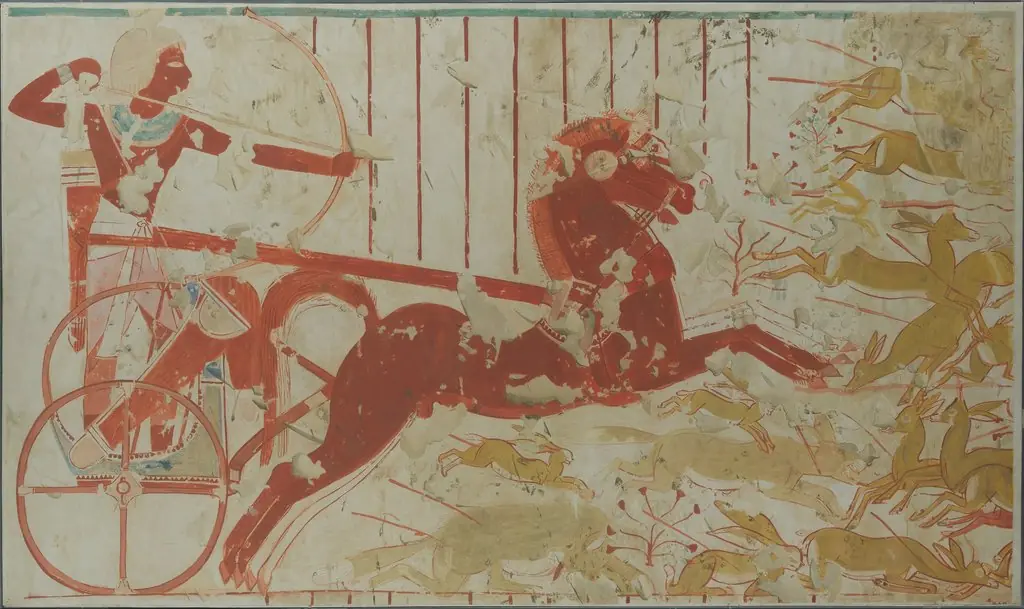
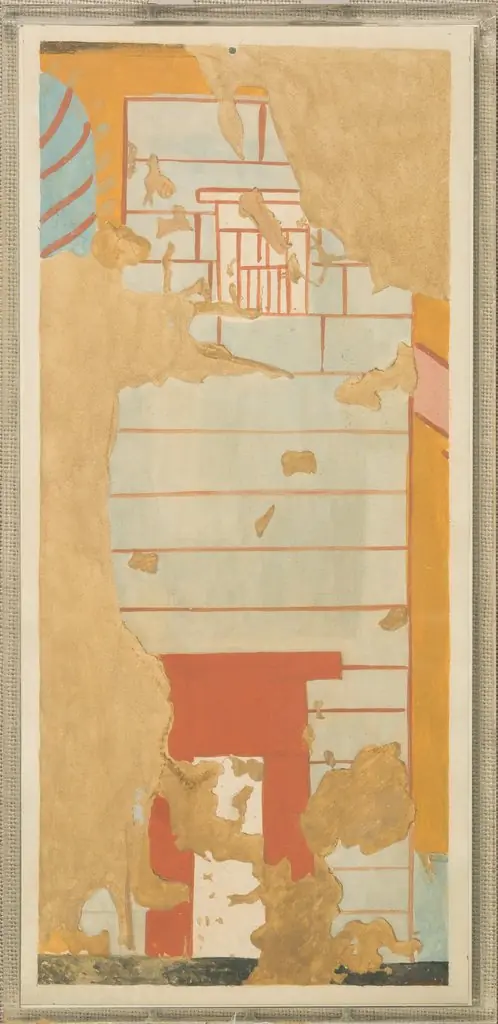
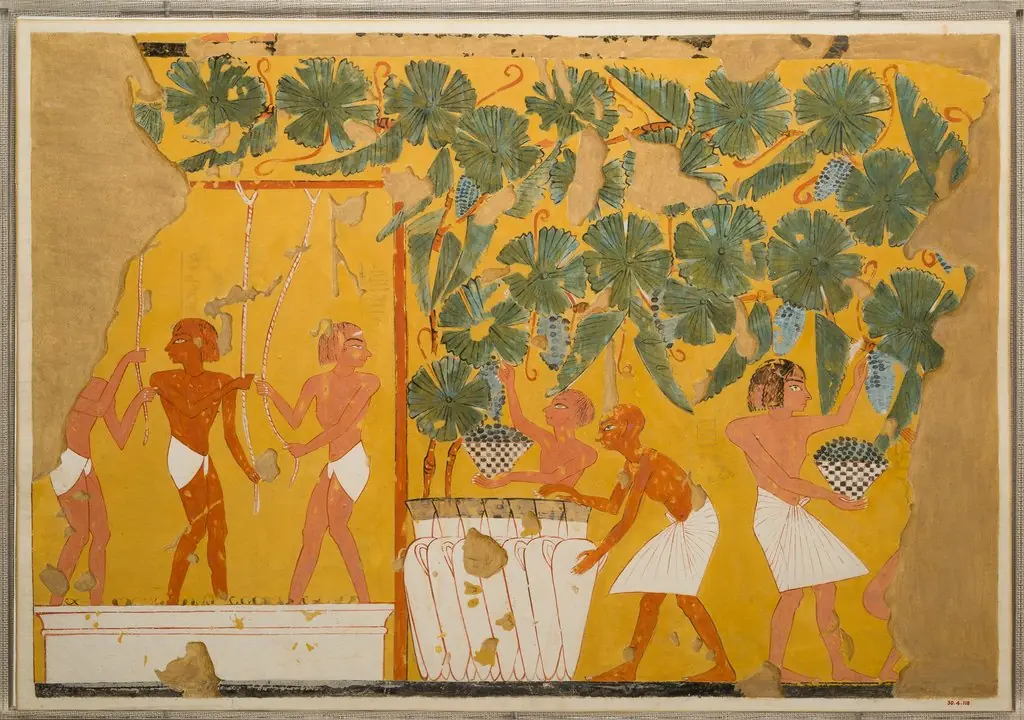
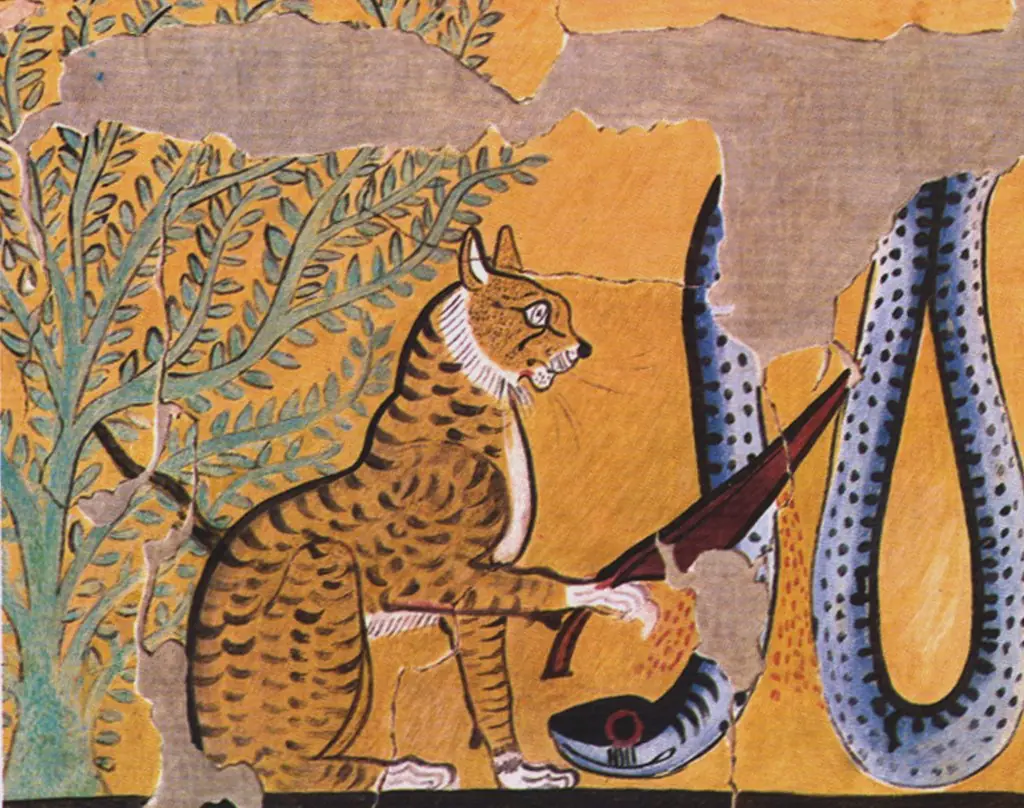
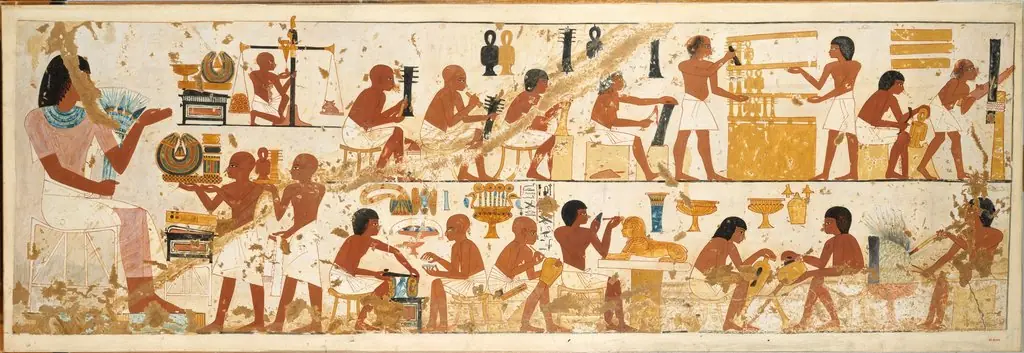 Craftsmen, Tomb of Nebamun and Ipuky
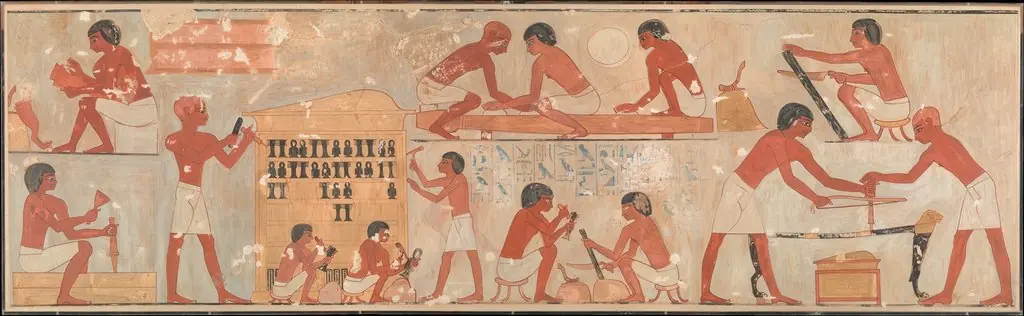 Carpenters at Work, Tomb of Rekhmire
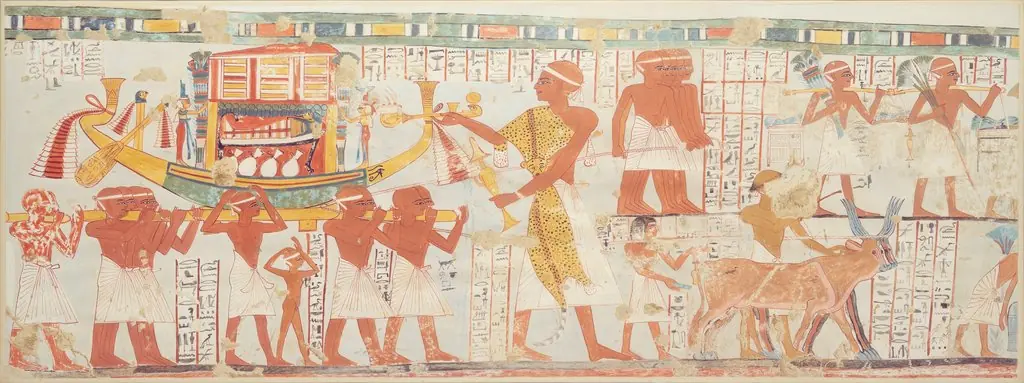 Nakhtamun's Funeral Procession, Tomb of Nakhtamun
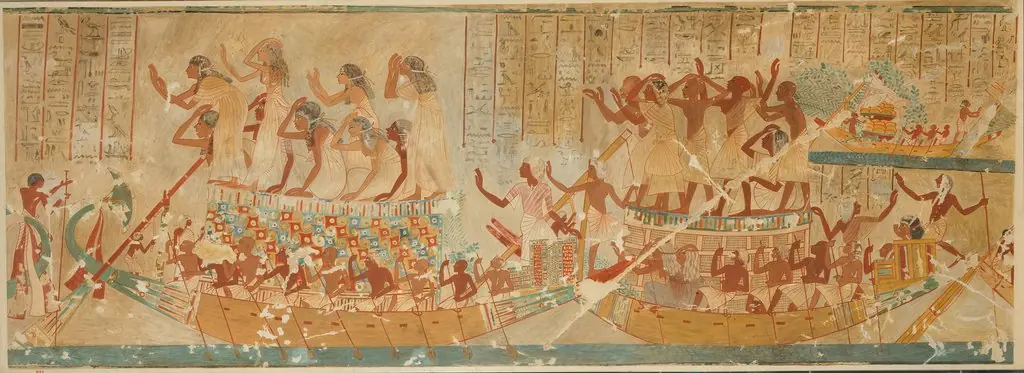 Boats with Mourners and Provisions, Tomb of Neferhotep
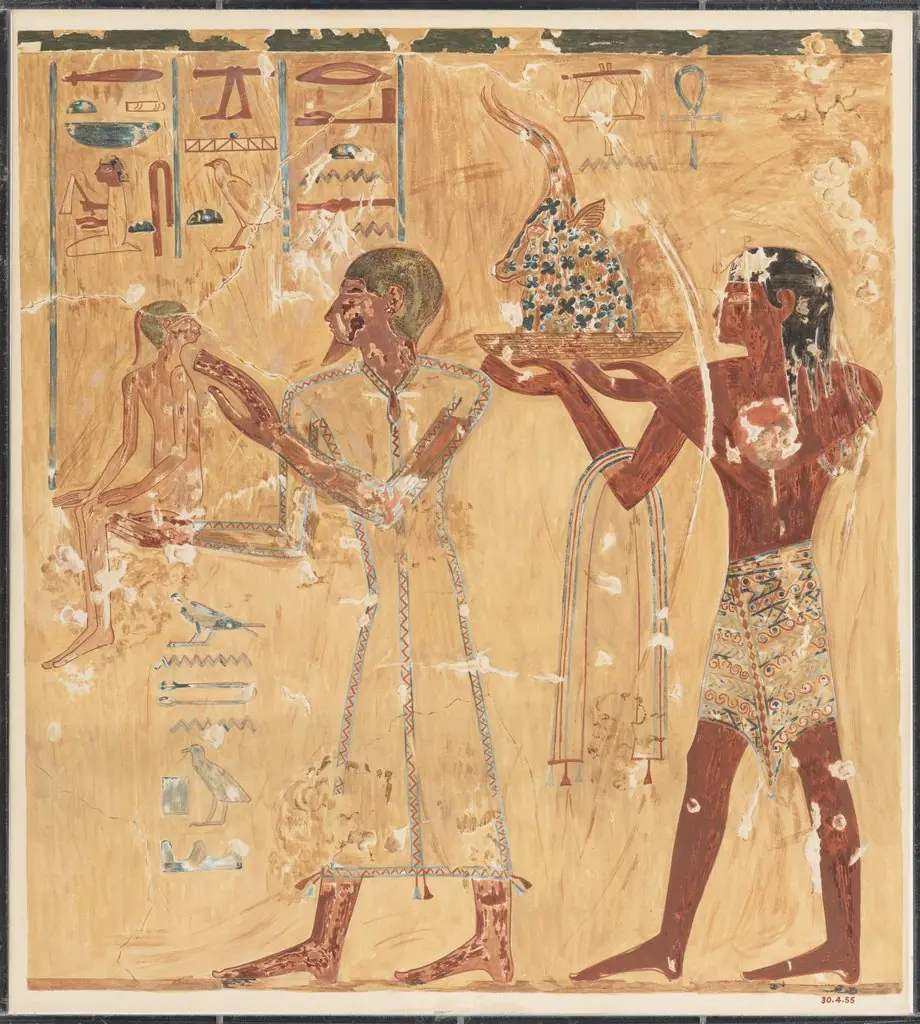 Foreigners, Tomb of Menkheperraseneb
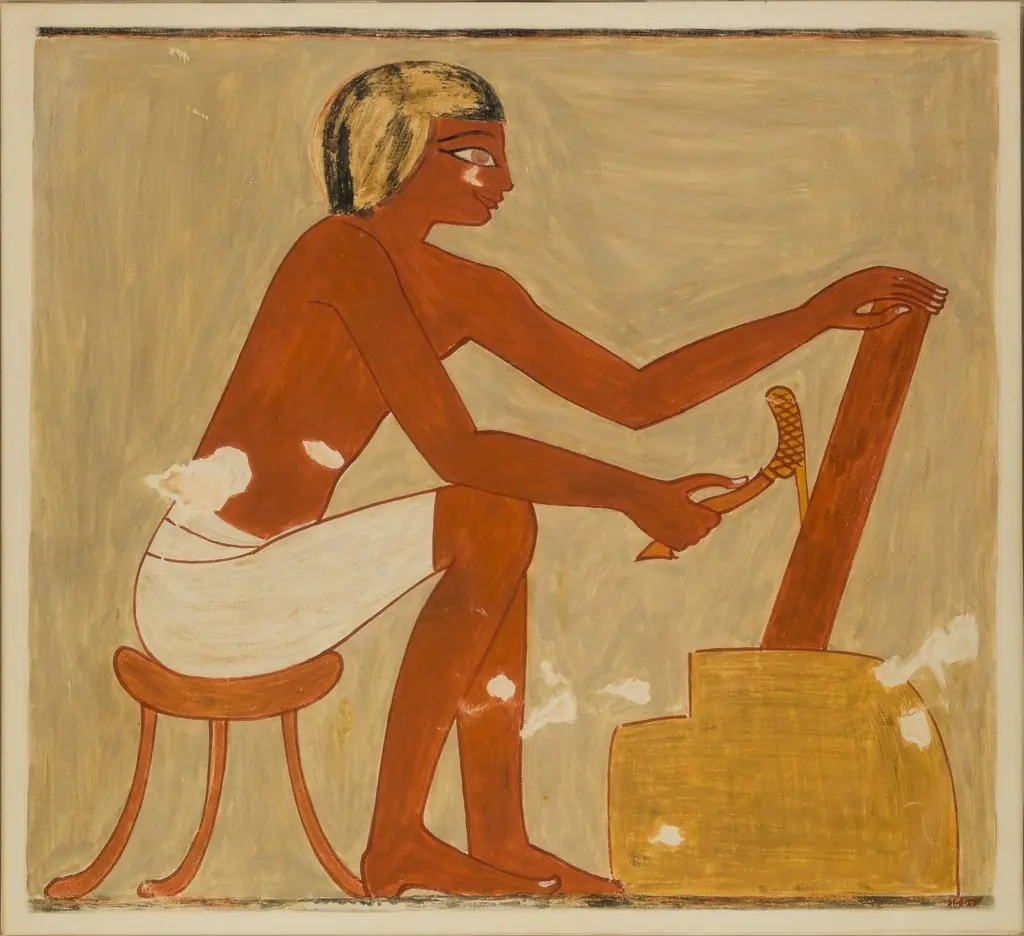 Trimming Wood with an Adze, Tomb of Rekhmire
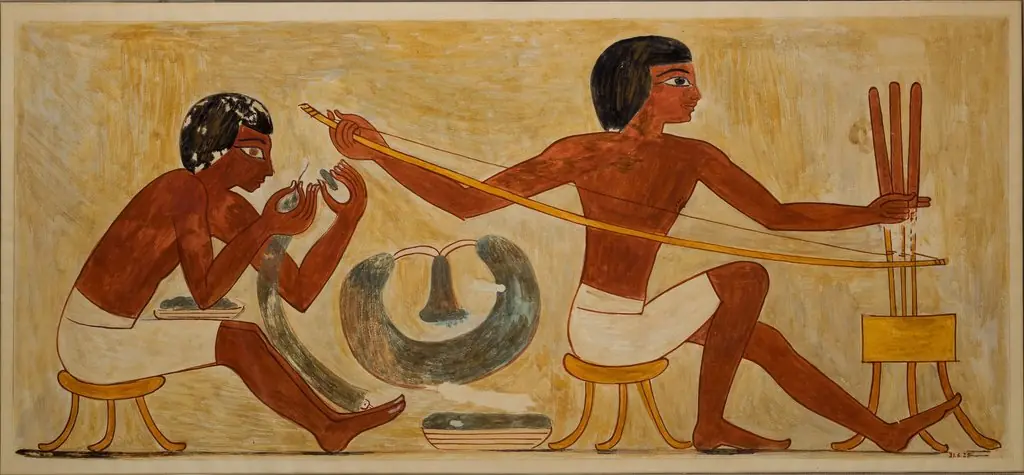 Stringing and Drilling Beads, Tomb of Rekhmire
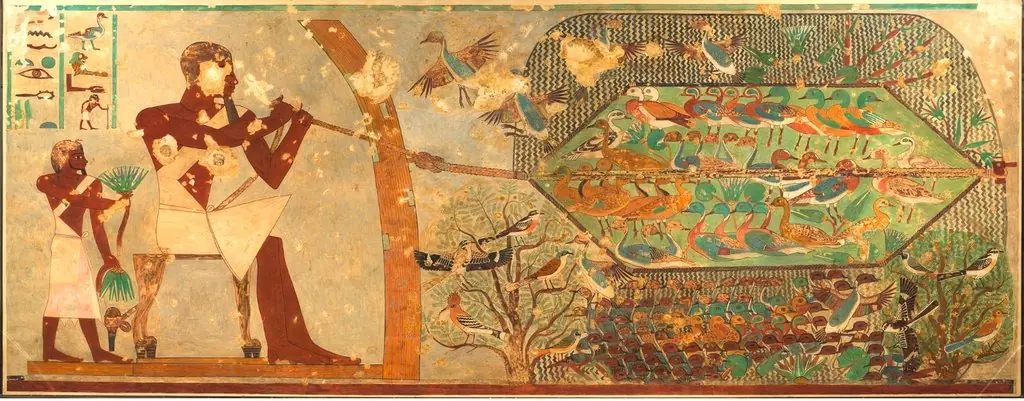 Netting Birds, Tomb of Khnumhotep
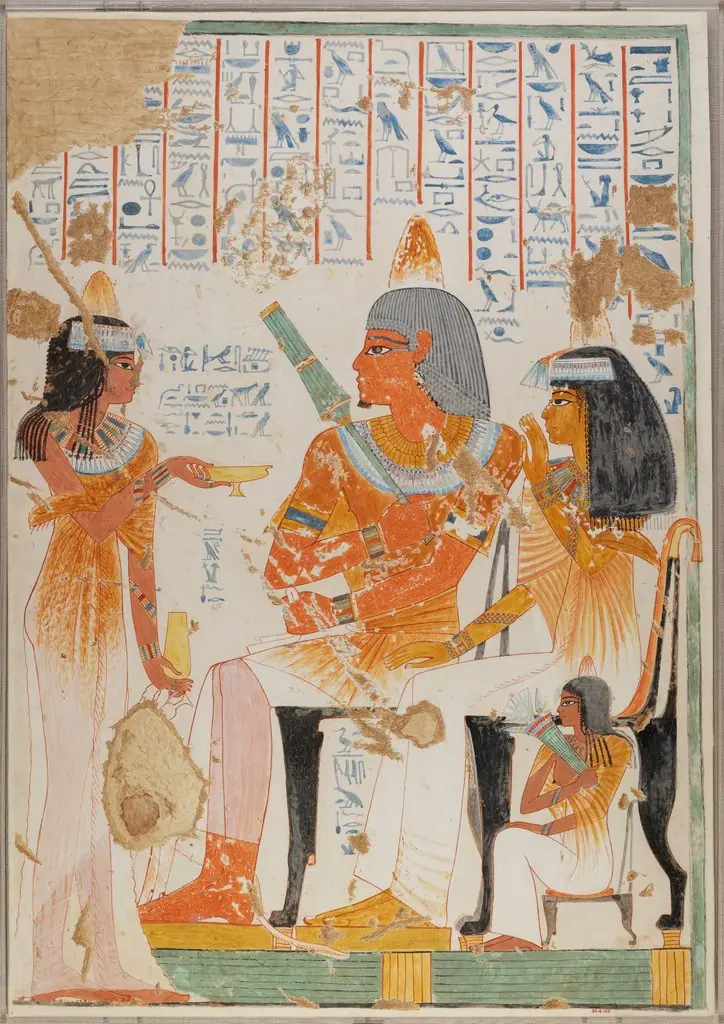 Nebamun Receiving Wine