Artwork
Paintings after Ancient Masters: Portrait of Zhongqing in a Landscape
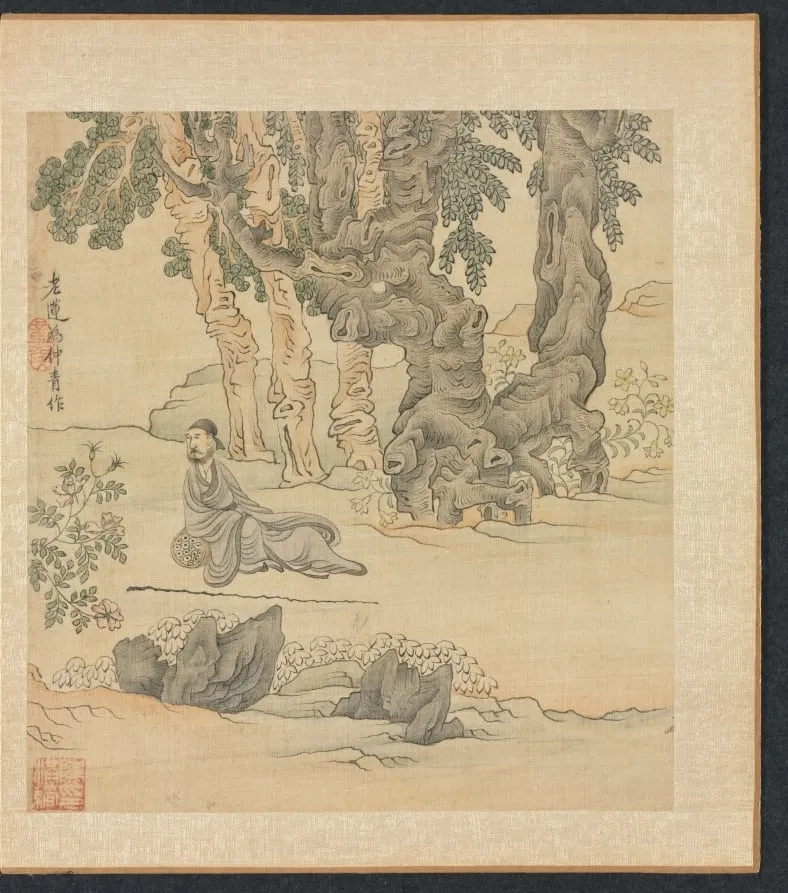
Paintings after Ancient Masters: Portrait of Zhongqing in a Landscape is an unspecified painting by the Ming dynasty painting artist Chen Hongshou. It dates from 1625 and is held in the collection of the Cleveland Museum of Art.
About this work
You see a small, careful painting of a man in old-fashioned robes standing in a rocky landscape.
You see a small, careful painting of a man in old-fashioned robes standing in a rocky landscape. The trees and rocks are tiny, almost like a dollhouse scene.
Chen Hongshou painted this long after the Ming dynasty ended, but he kept the old style alive. He made everything extra neat and a little odd—like a storybook version of history.
To see more of his quirky, detailed work, look up Chen Hongshou (Chinese, 1598/99–1652).
Overview
The work belongs to a double-album of twenty paintings by Chen Hongshou, created in the later phase of his career. It combines landscape, figure, and floral motifs, and includes a single leaf that depicts a woman—a subject that does not appear elsewhere in his late albums. The composition is rendered on a small scale, presenting a miniature scene of a robed figure amid rocky terrain.
Subject & Meaning
The central figure is a man in traditional robes standing within a stylised rocky landscape. The diminutive trees and stones evoke the intimacy of a miniature garden, suggesting a contemplative retreat. Scholars interpret the reduced scale as an expression of the melancholy experienced by Ming loyalist officials, whose loss of status is reflected in the constrained, almost doll‑like world.
Technique & Style
Chen employs an archaic, highly refined brushwork that characterises his late period. The painting is noted for its meticulous detail and slightly eccentric rendering, giving the scene a storybook quality. The miniaturisation of elements mirrors the practice of arranging small rocks or roots for meditation, emphasizing precision over broad gesture.
History & Provenance
Created after the fall of the Ming dynasty, the album demonstrates Chen Hongshou’s commitment to preserving the earlier court aesthetic despite the political upheaval of his time. The work remains part of a rare collection of his late albums, which were compiled as a personal artistic statement rather than for official patronage.
Context
During the early Qing period, many scholars and officials who remained loyal to the Ming felt disenfranchised. Chen’s miniaturised landscapes can be read as a visual metaphor for their reduced social sphere, offering a private, controlled environment that contrasts with the broader political dislocation.
Legacy
The album exemplifies Chen Hongshou’s distinctive blend of antiquarian taste and meticulous execution, influencing later Qing painters who sought to reconcile traditional forms with personal expression. Its nuanced treatment of scale and sentiment continues to inform studies of post‑Ming artistic responses to loss and identity.
Artist & collection


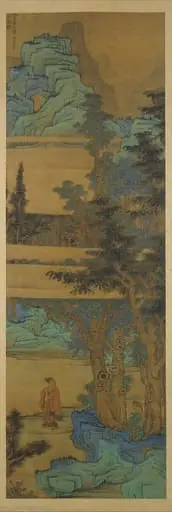 明 陳洪綬 樹下高士圖 軸|Scholar-recluse in blue-green landscape
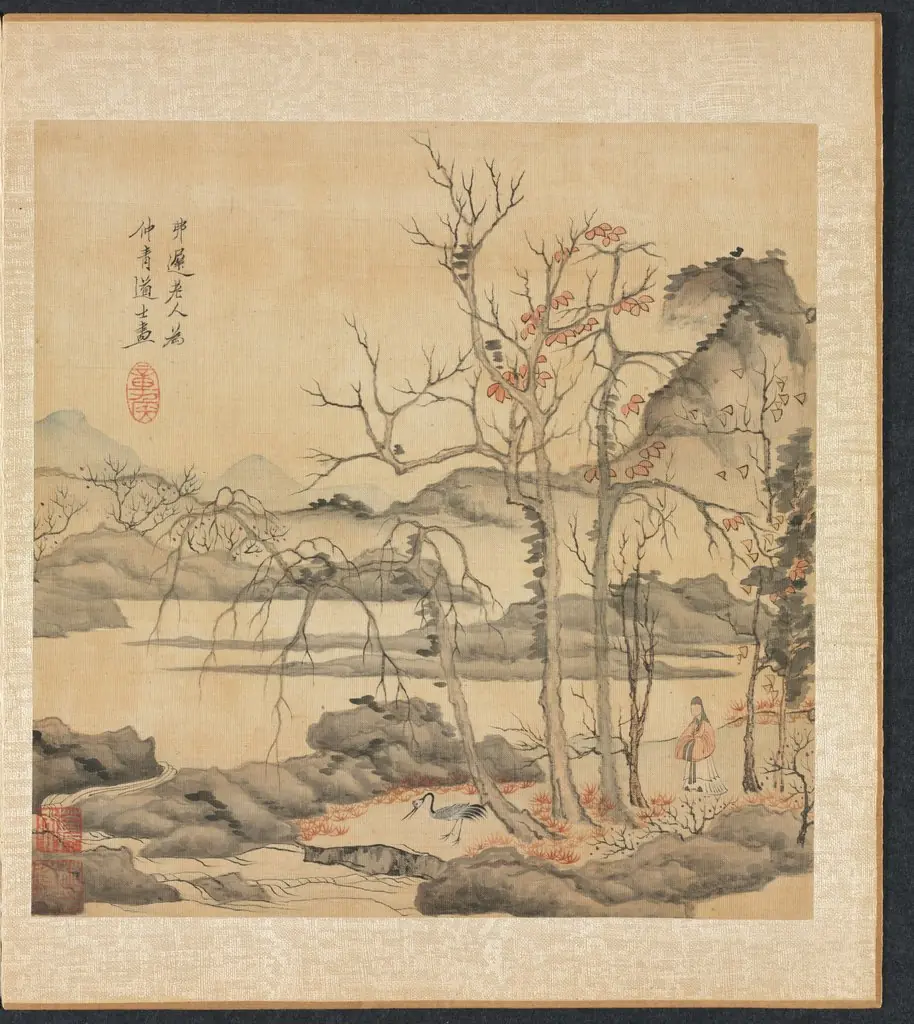 Paintings after Ancient Masters: Daoist and Crane in Autumn Landscape
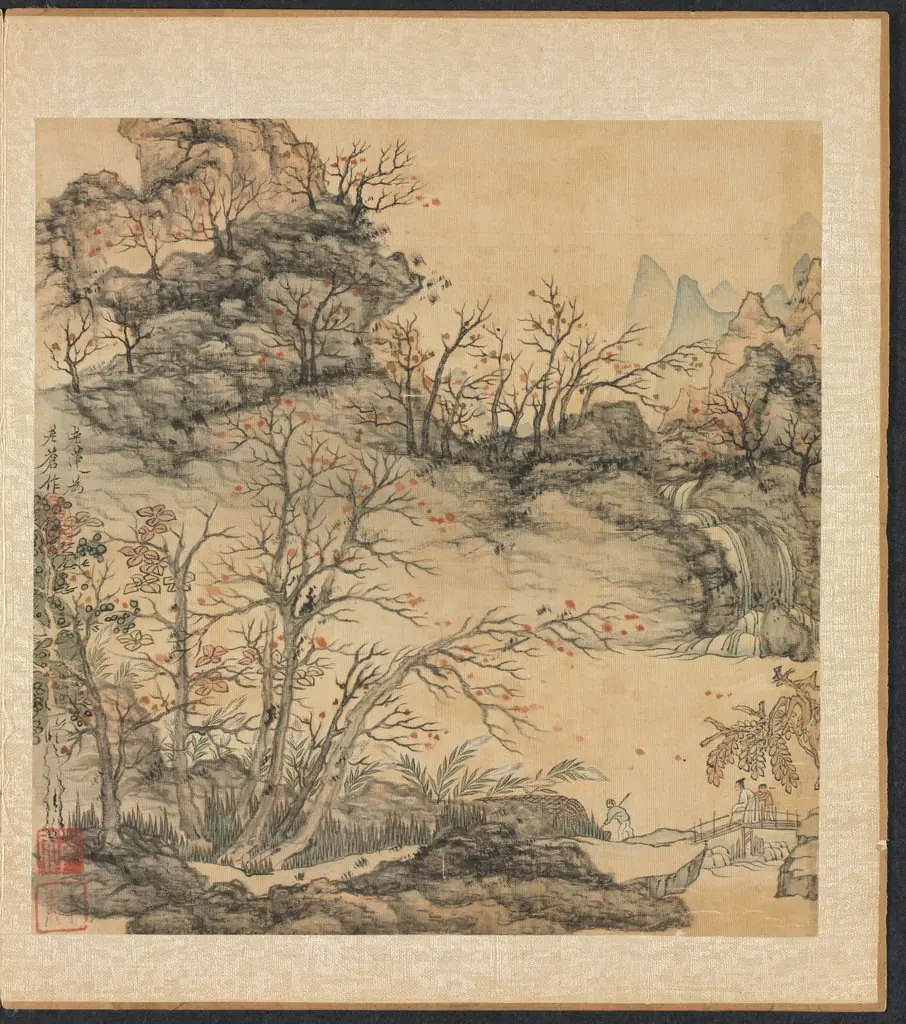 Paintings after Ancient Masters: Autumn Landscape
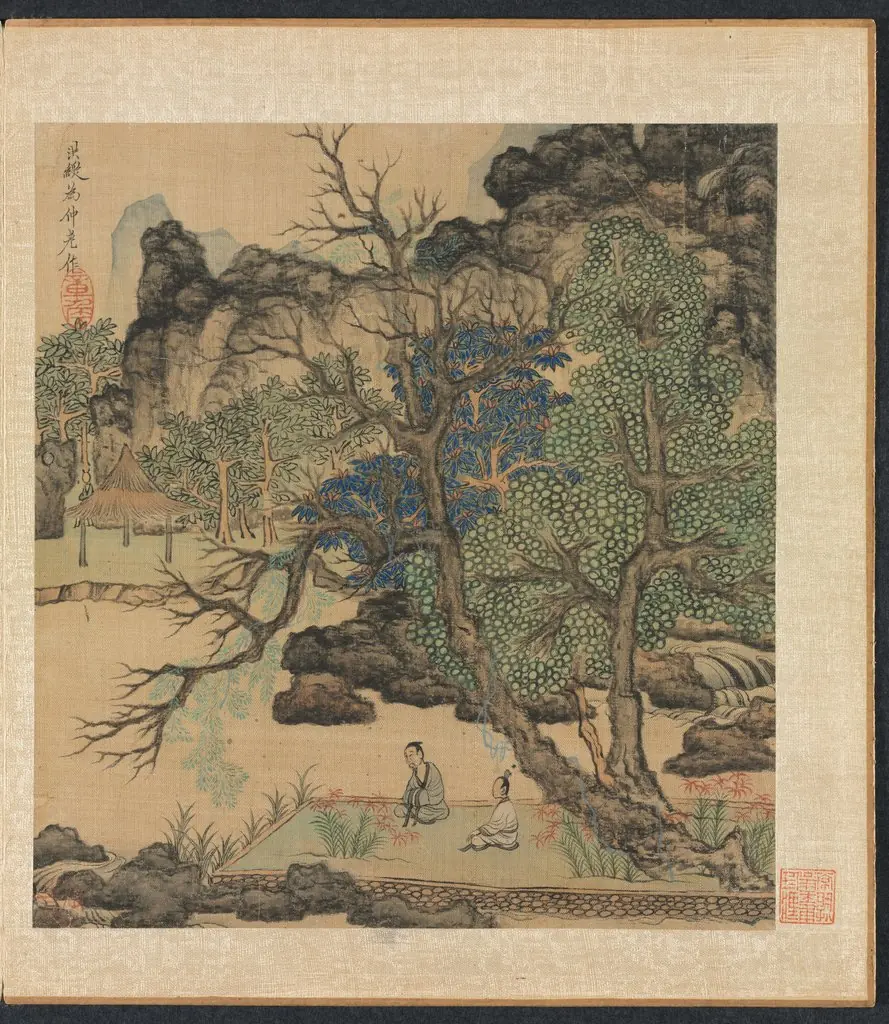 Paintings after Ancient Masters: Scholars in a Garden
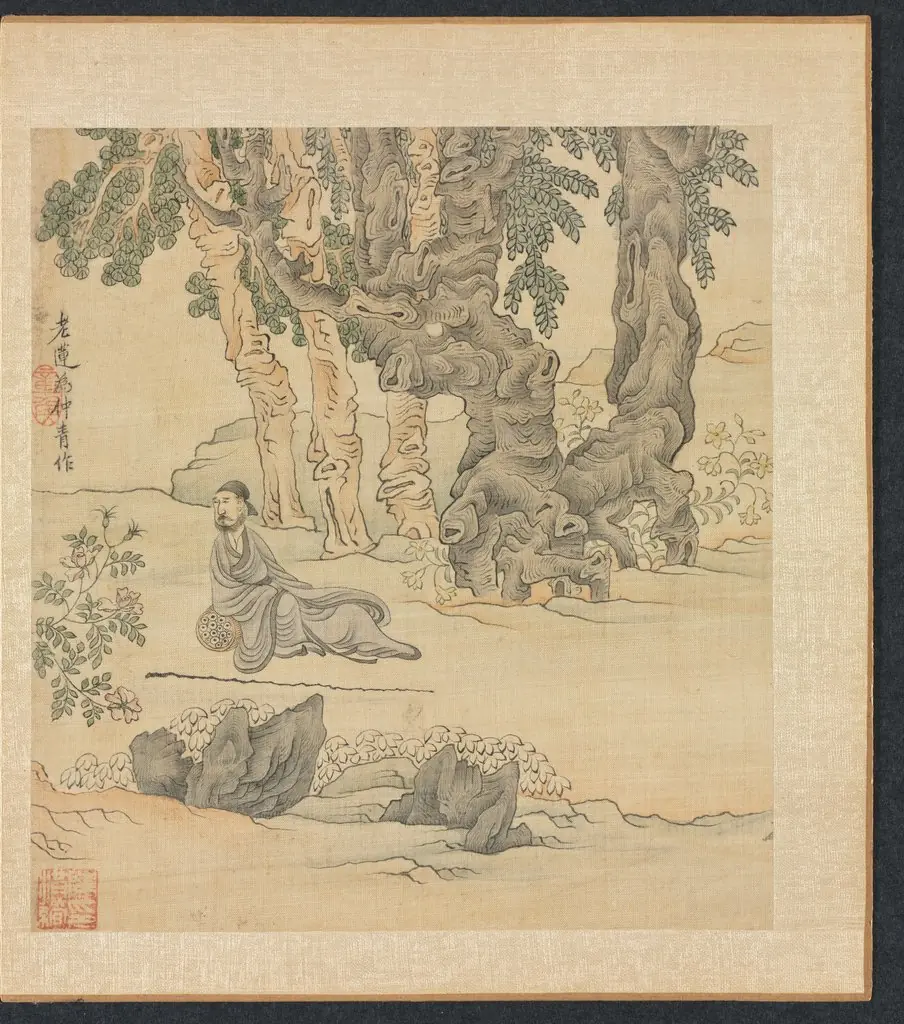 Paintings after Ancient Masters: Portrait of Zhongqing in a Landscape
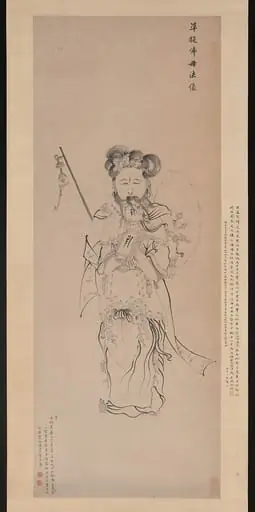 明 陳洪綬 準提佛母法像圖 軸|Bodhisattva Guanyin in the Form of the Buddha Mother
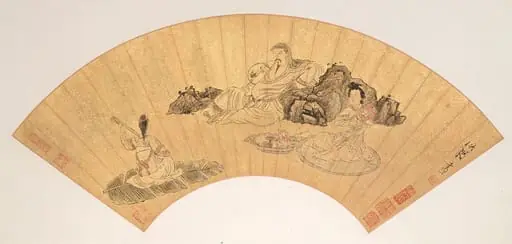 明 陳洪綬 山水花鳥人物圖 扇冊|Landscapes and Flowers
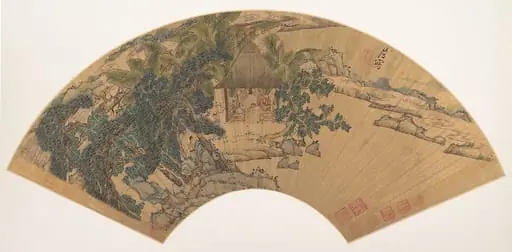 明 陳洪綬 山水圖 扇|Landscape
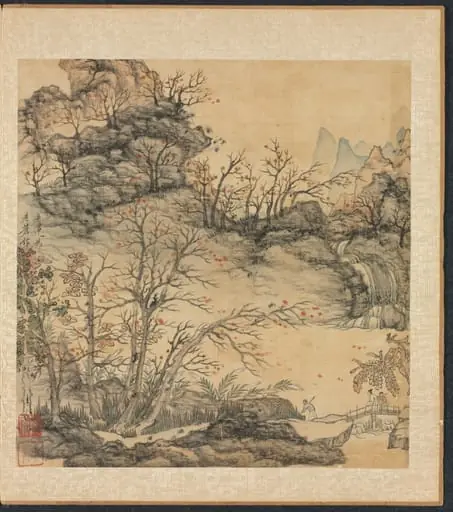 Paintings after Ancient Masters: Autumn Landscape
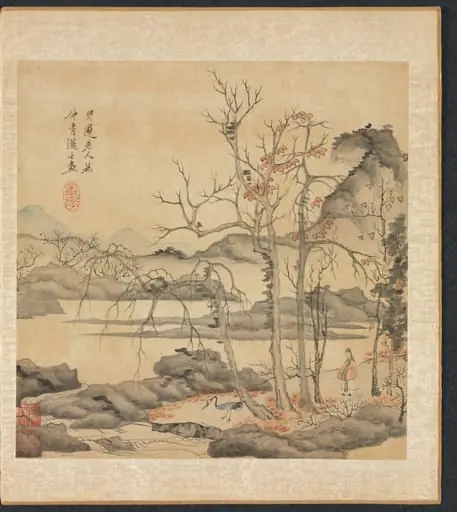 Paintings after Ancient Masters: Daoist and Crane in Autumn Landscape
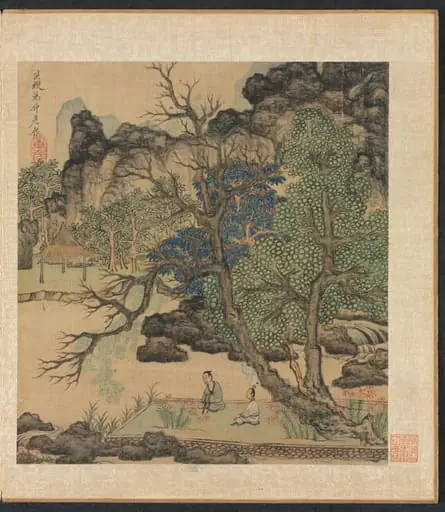 Paintings after Ancient Masters: Scholars in a Garden
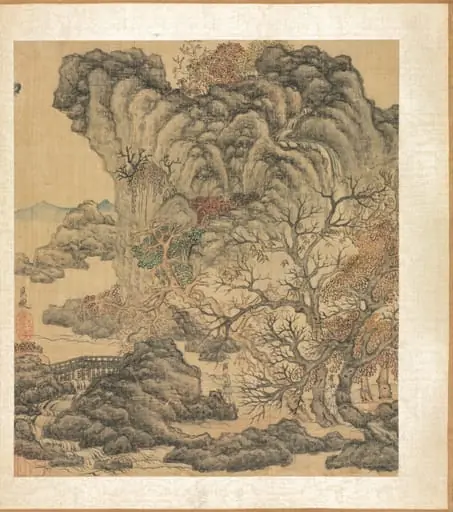 Paintings after Ancient Masters:Travelers in an Autumn Landscape
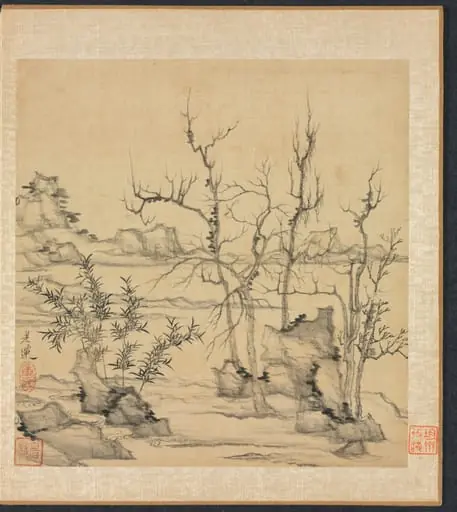 Paintings after Ancient Masters: Landscape in the Style of Ni Zan
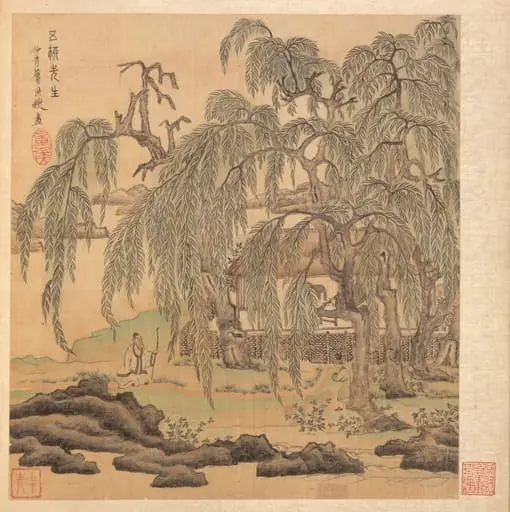 Paintings after Ancient Masters: Mr. Five Willows (Wuliu), Tao Yuanming
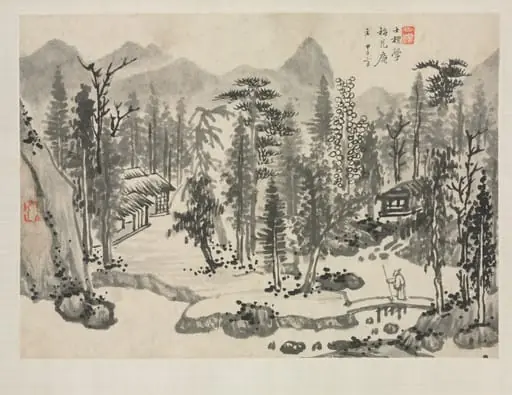 Landscape Album in Various Styles: Landscape after Wu Zhen