Artwork
Paintings after Ancient Masters: Scholars in a Garden
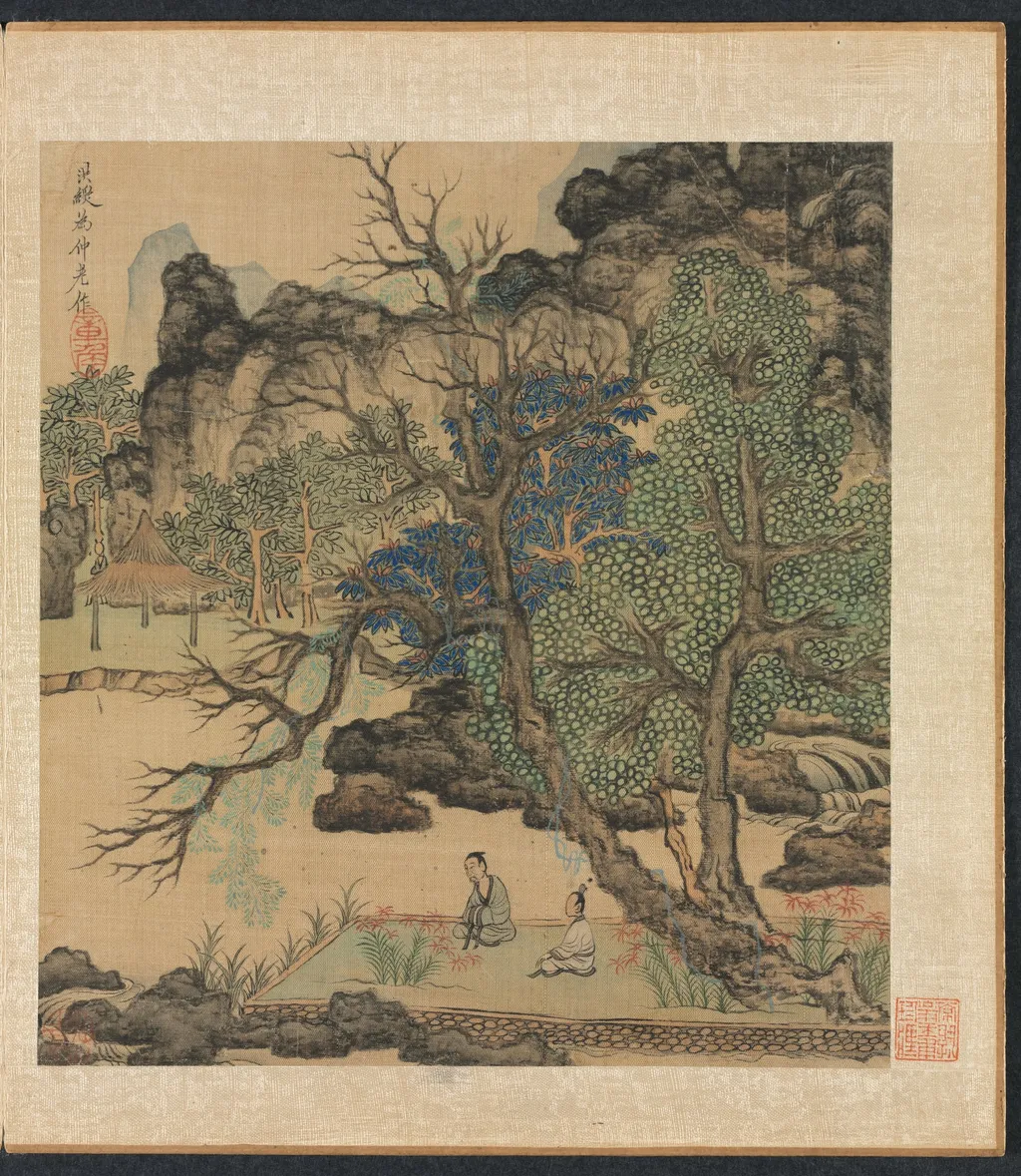
Paintings after Ancient Masters: Scholars in a Garden is an unspecified painting by the Ming dynasty painting artist Chen Hongshou. It dates from 1625 and is held in the collection of the Cleveland Museum of Art.
About this work
Overview
This work is one of twenty leaves from a double album by Chen Hongshou, created in his later years. Each page presents a compact scene—figures, flora, or landscape—rendered with meticulous detail and a deliberate diminution of scale. The album as a whole reflects a retreat from public life, channeling personal and political disillusionment into intimate, contemplative imagery.
Subject & Meaning
Their loose robes and tall hats signal scholarly identity, while their quiet posture suggests introspection rather than discourse.
Two scholars sit in a secluded garden, one reading a book, the other studying a scroll. Their loose robes and tall hats signal scholarly identity, while their quiet posture suggests introspection rather than discourse. The garden, reduced to a few carefully placed rocks and a single tree, becomes a microcosm of a world lost—symbolizing the constrained existence of Ming loyalists after the dynasty’s fall.
Technique & Style
Chen employs a refined, archaic style, echoing earlier dynastic traditions with sharp linework and flattened space. Details are rendered with precision: individual grass blades, folds in fabric, and subtle facial expressions. A single touch of bright red on a robe interrupts the muted palette, drawing attention without disrupting the overall restraint. The scale is intentionally small, inviting close, meditative viewing.
History & Provenance
The album was produced during Chen’s final years, a period marked by his withdrawal from public life following the collapse of the Ming dynasty. As a loyalist, he avoided service under the new Qing regime. These works were likely created for private circulation among fellow scholars, preserving cultural memory through art rather than political action.
Context
In the post-Ming era, many scholar-officials retreated into private realms, finding solace in poetry, calligraphy, and painting. Chen’s miniaturized scenes echo the aesthetics of scholar’s rocks and potted landscapes—objects chosen for their symbolic resonance rather than grandeur. His art mirrors a broader cultural turn toward introspection and coded expression under political suppression.
Legacy
Chen’s late works influenced later generations of artists who sought to preserve Ming cultural values through stylized, non-naturalistic forms. His fusion of archaism with personal expression became a model for how art could encode resistance and memory without overt confrontation. The album remains a key example of how aesthetic discipline can carry profound emotional weight.
Artist & collection


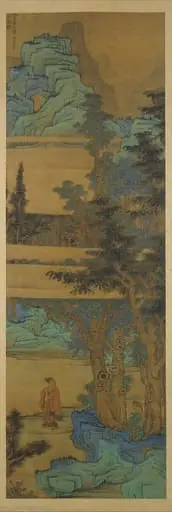 明 陳洪綬 樹下高士圖 軸|Scholar-recluse in blue-green landscape
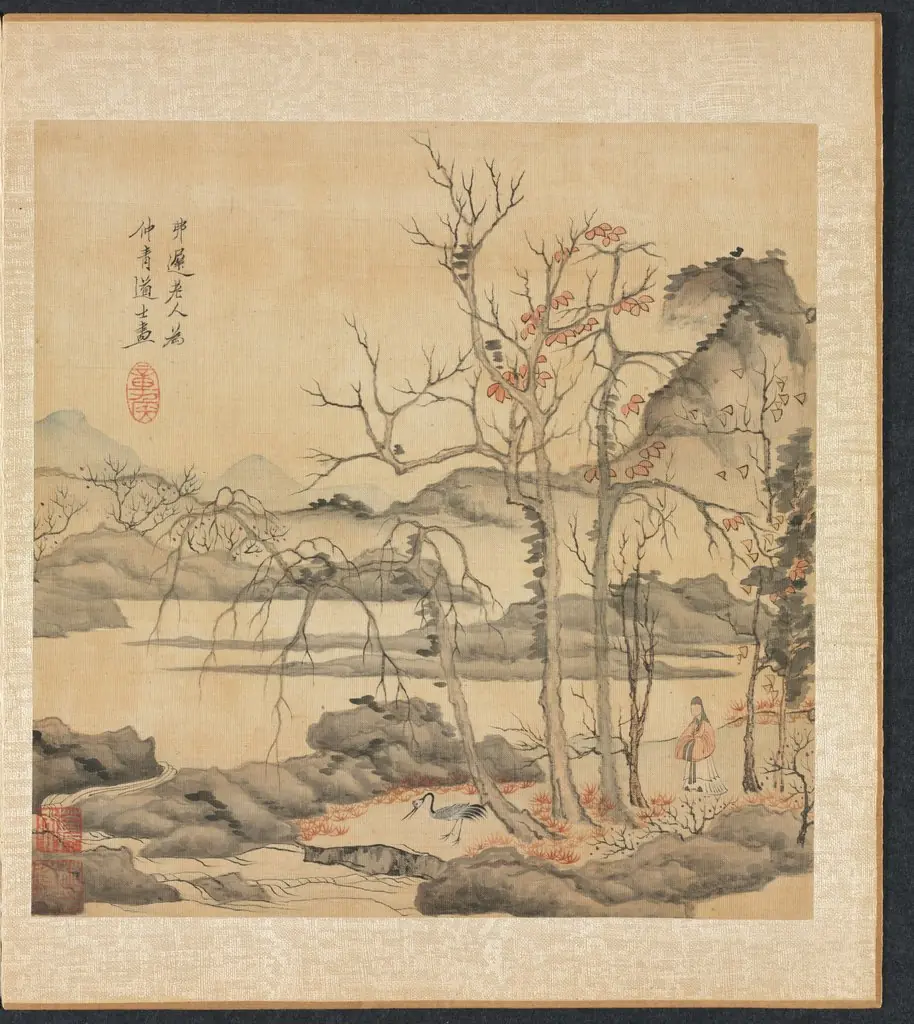 Paintings after Ancient Masters: Daoist and Crane in Autumn Landscape
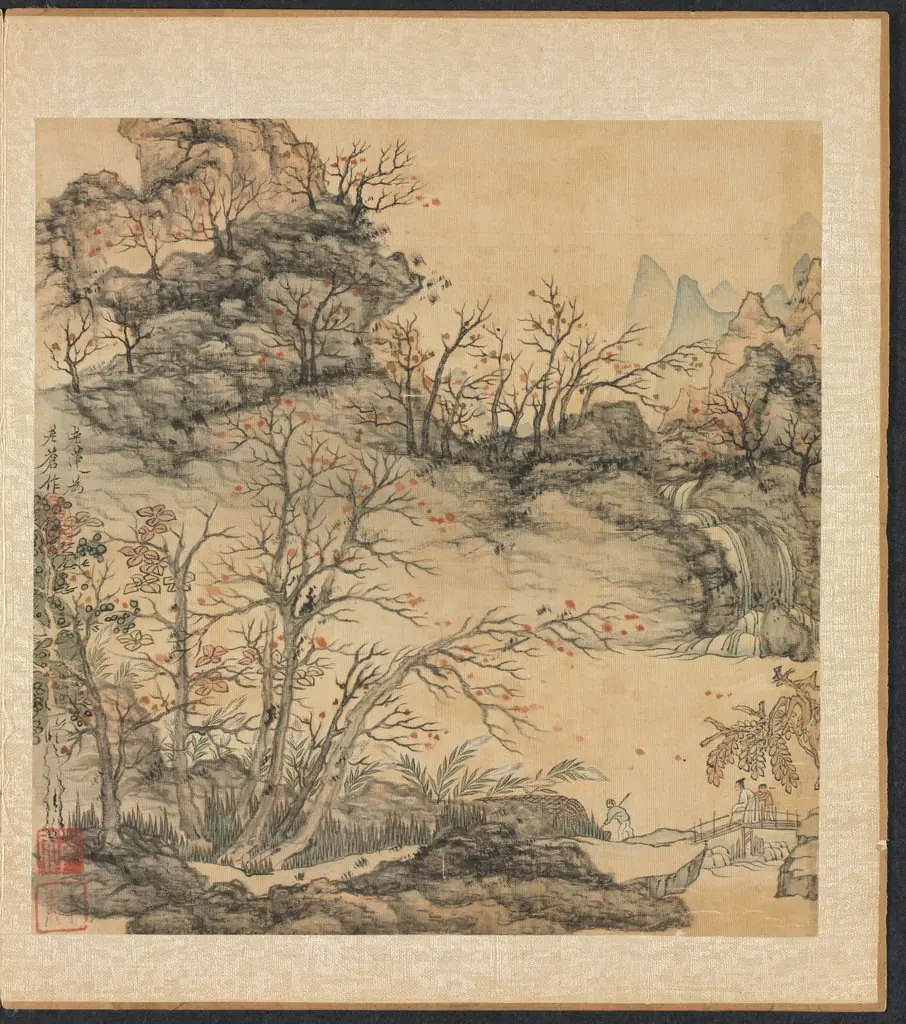 Paintings after Ancient Masters: Autumn Landscape
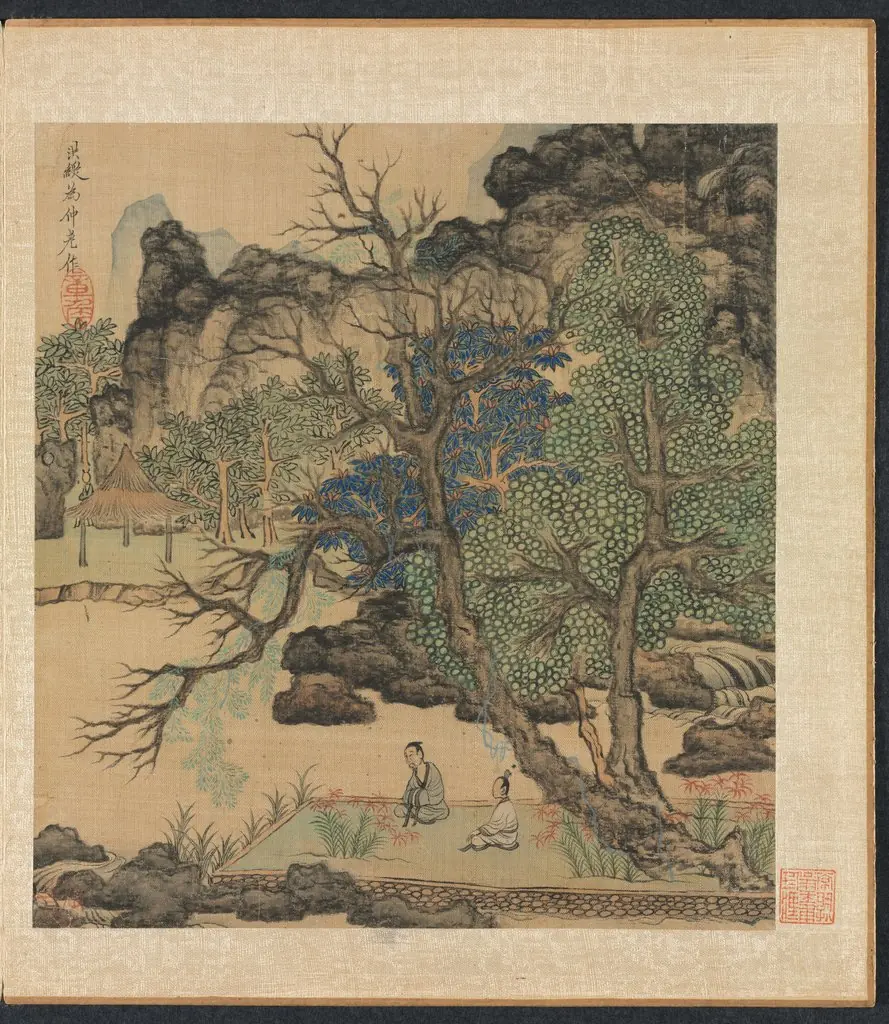 Paintings after Ancient Masters: Scholars in a Garden
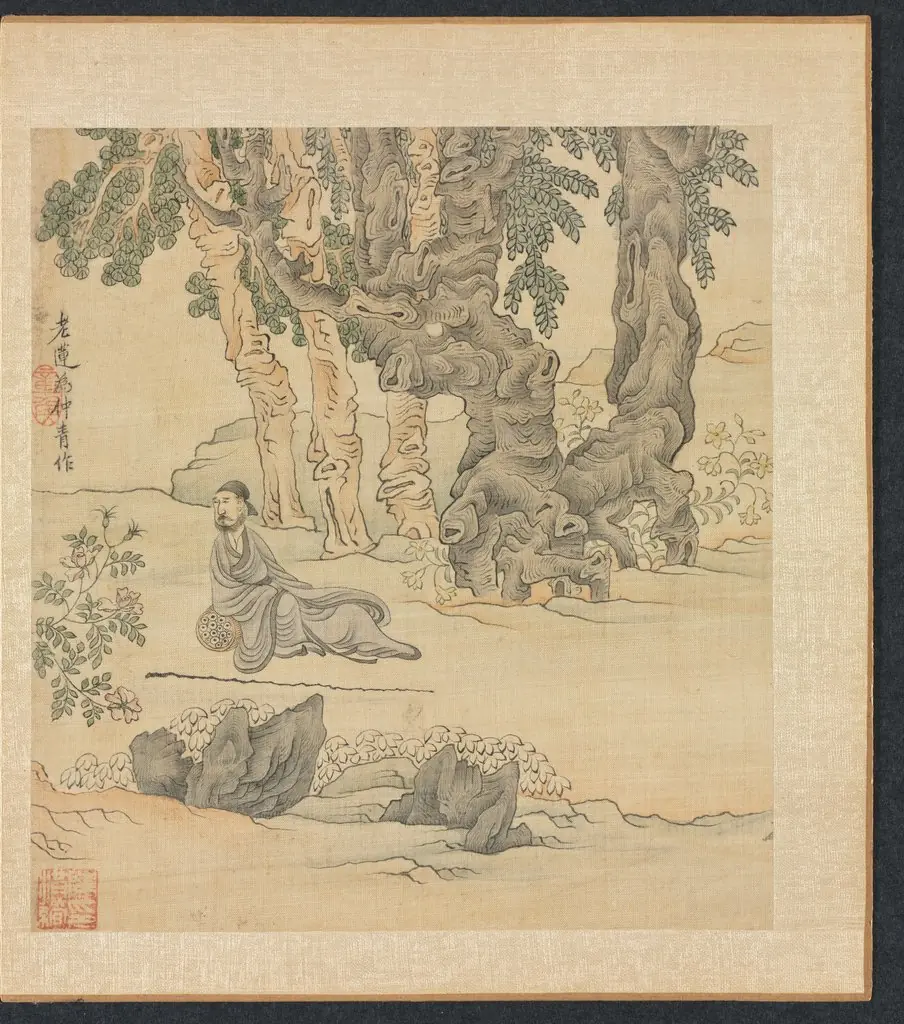 Paintings after Ancient Masters: Portrait of Zhongqing in a Landscape
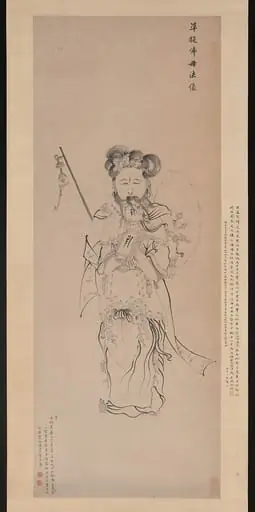 明 陳洪綬 準提佛母法像圖 軸|Bodhisattva Guanyin in the Form of the Buddha Mother
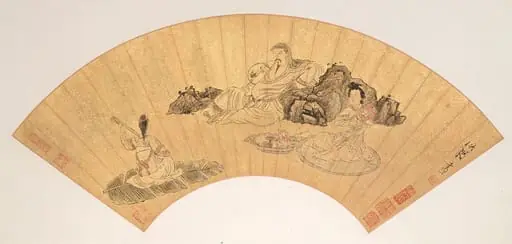 明 陳洪綬 山水花鳥人物圖 扇冊|Landscapes and Flowers
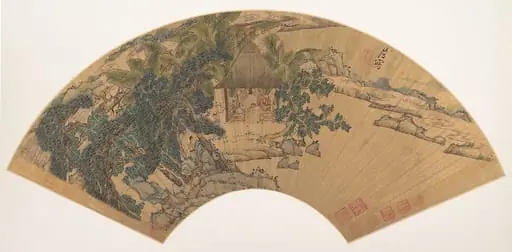 明 陳洪綬 山水圖 扇|Landscape
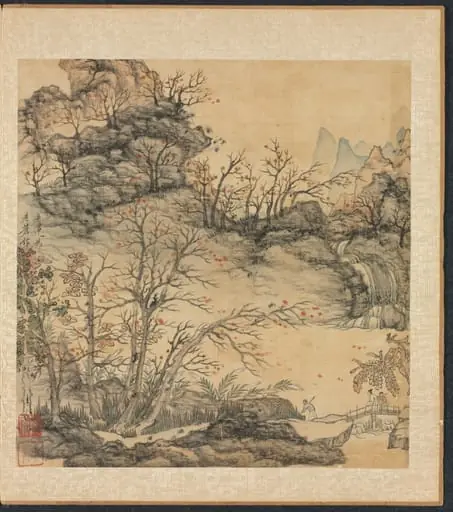 Paintings after Ancient Masters: Autumn Landscape
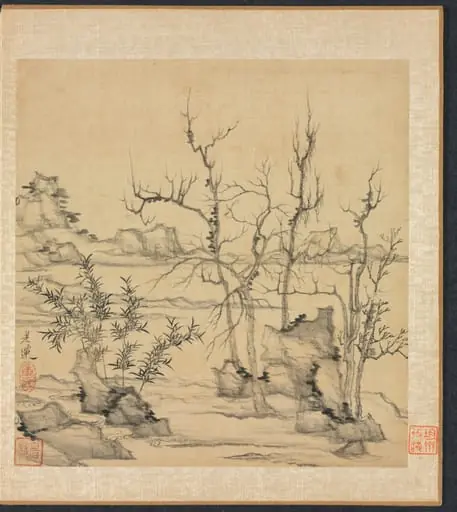 Paintings after Ancient Masters: Landscape in the Style of Ni Zan
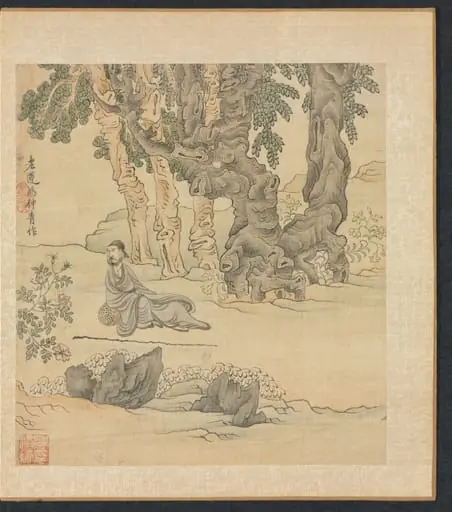 Paintings after Ancient Masters: Portrait of Zhongqing in a Landscape
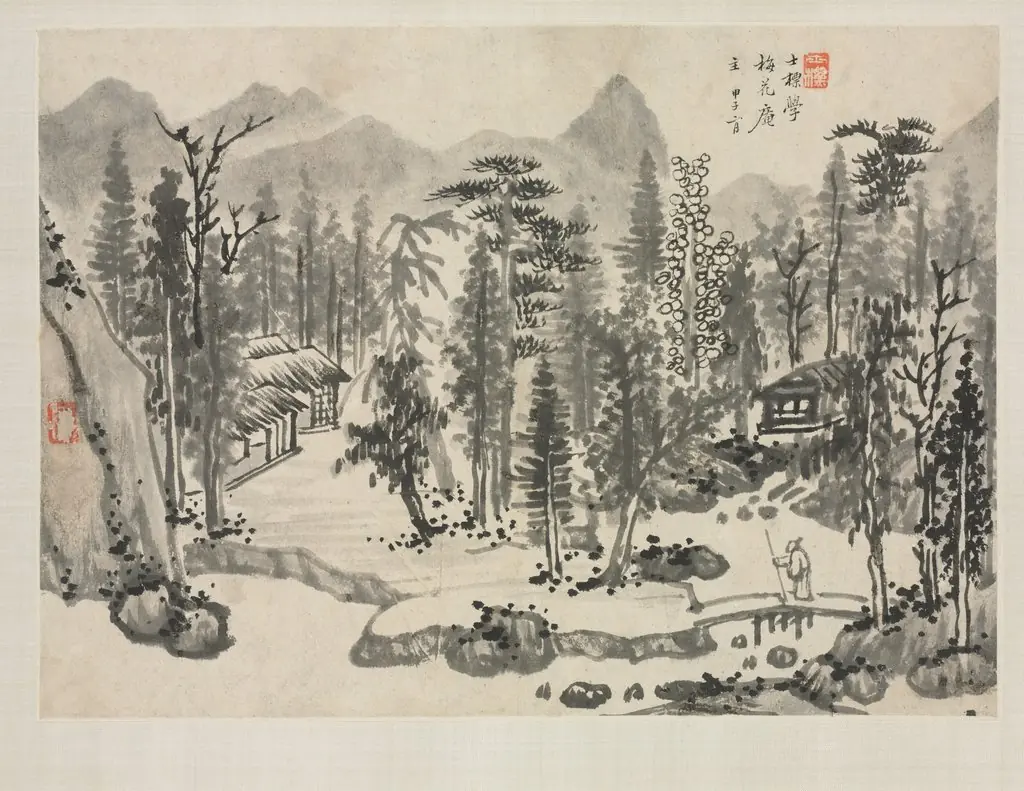 Landscape Album in Various Styles: Landscape after Wu Zhen
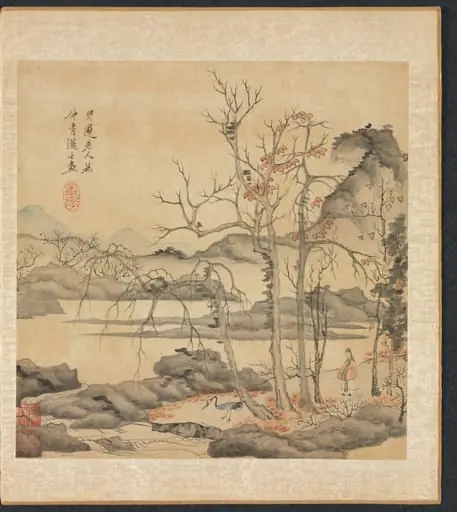 Paintings after Ancient Masters: Daoist and Crane in Autumn Landscape
 Landscape Album in Various Styles: Landscape after Wu Zhen
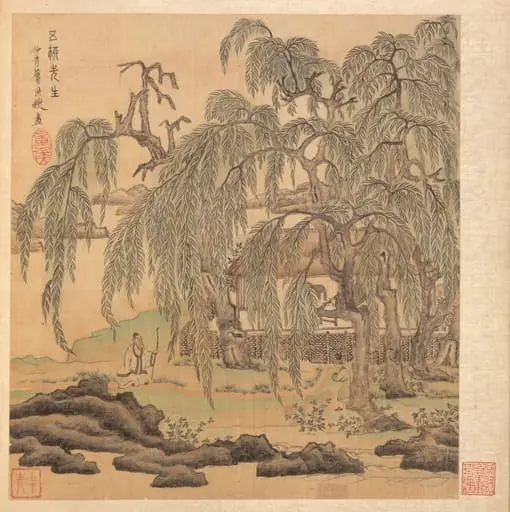 Paintings after Ancient Masters: Mr. Five Willows (Wuliu), Tao Yuanming
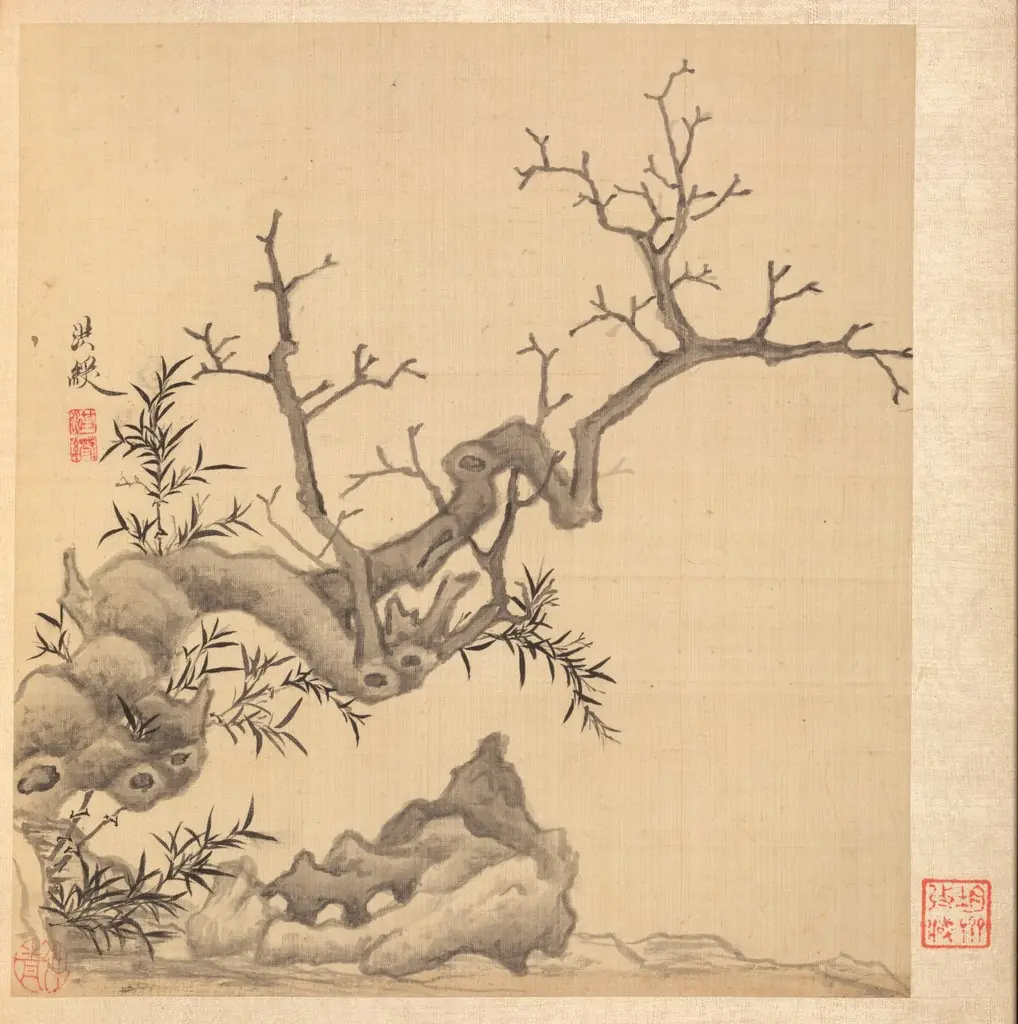 Paintings after Ancient Masters: Rock, Old Tree, and Bamboo