Artwork
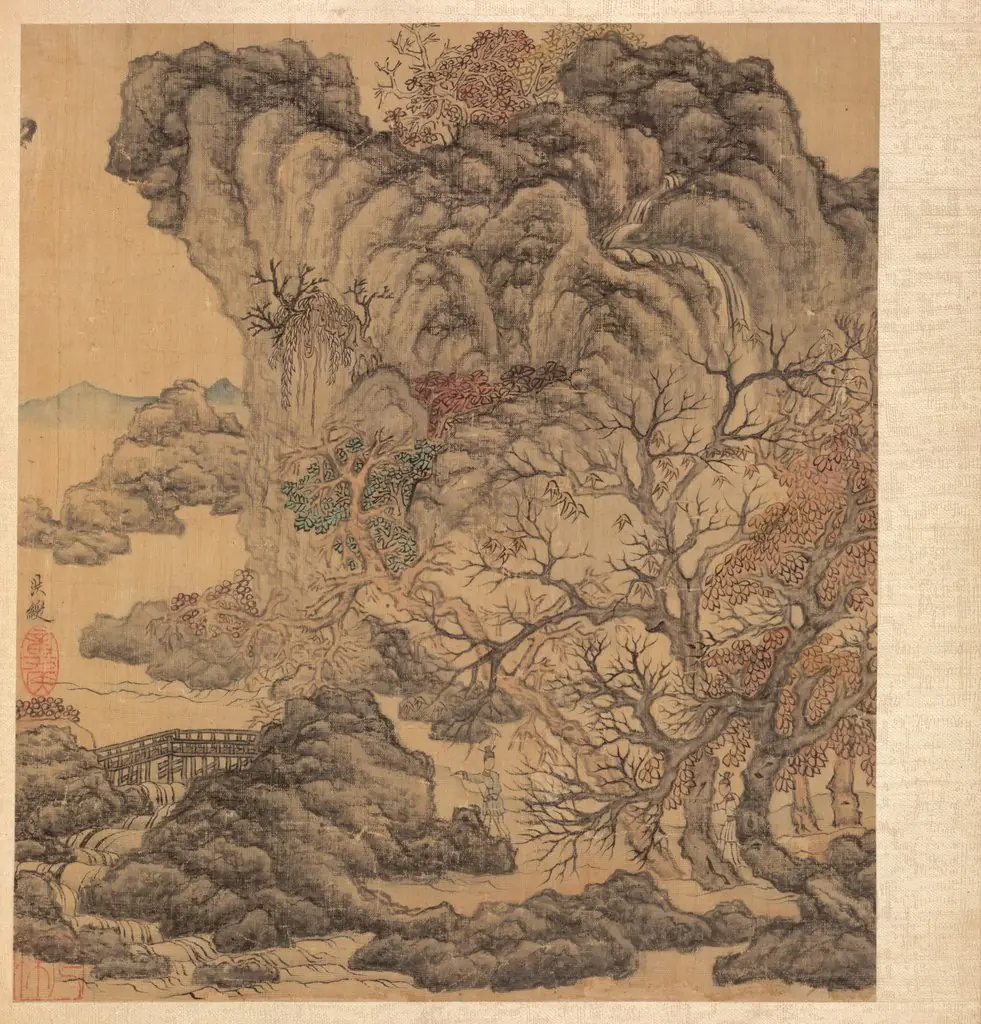
Paintings after Ancient Masters:Travelers in an Autumn Landscape
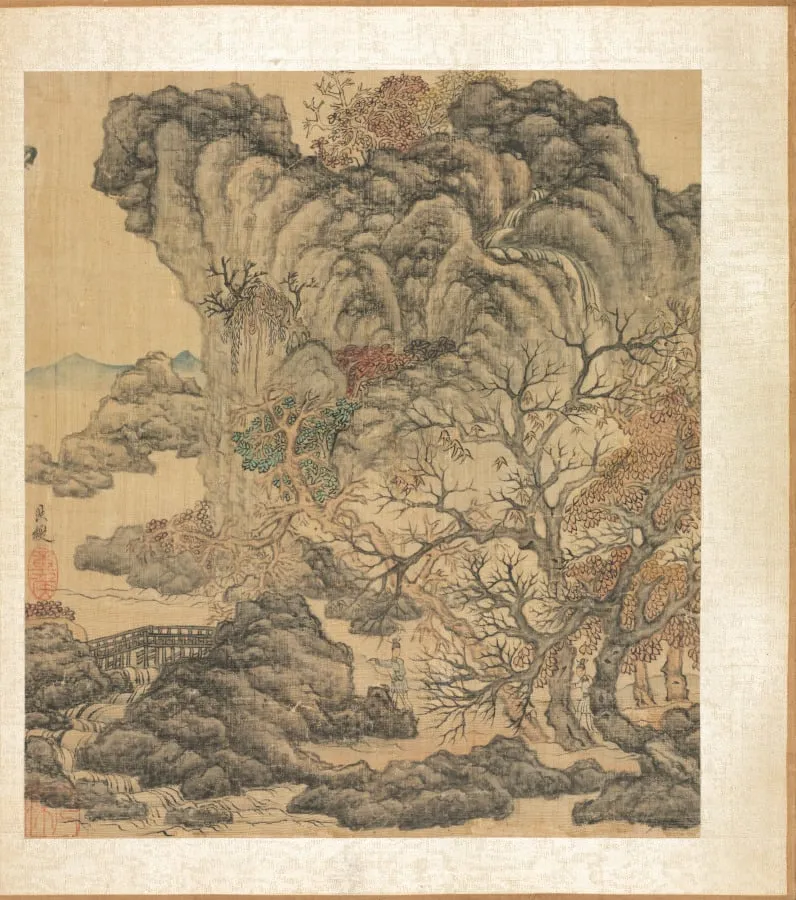
Paintings after Ancient Masters:Travelers in an Autumn Landscape is an unspecified painting by the Ming dynasty painting artist Chen Hongshou. It dates from 1625 and is held in the collection of the Cleveland Museum of Art.
About this work
This painting shows travelers walking through a bright autumn forest. Trees blaze in red and gold. A few figures pause on a narrow path.
Chen Hongshou loved old styles but made them playful. His late albums shrink scenes to tiny details. Each leaf feels like a small world.
Look up Chen Hongshou (Chinese, 1598/99–1652) to see more of his quirky art.
Overview
The album as a whole reflects a retreat from grandeur, favoring intimate, contemplative compositions that echo the constrained realities of its creator’s time.
This work is one of twenty leaves from a double-album by Chen Hongshou, created in the final years of his life. Each page presents a compact scene—landscapes, figures, or flora—rendered with meticulous detail and a deliberate reduction in scale. The album as a whole reflects a retreat from grandeur, favoring intimate, contemplative compositions that echo the constrained realities of its creator’s time.
Subject & Meaning
The scene depicts travelers pausing along a winding path through an autumn forest, their small forms dwarfed by the vividly colored trees. This motif, common in traditional Chinese painting, is here infused with quiet melancholy. The diminished scale of figures and landscape suggests a world shrunk by political loss and personal displacement, mirroring the experience of Ming loyalists after the dynasty’s fall.
Technique & Style
Chen employed a refined, archaistic style, drawing from earlier dynastic traditions but infusing them with idiosyncratic precision. His brushwork is controlled yet expressive, with bold outlines and flat planes of color that flatten spatial depth. The autumn foliage is rendered in vivid reds and golds, not for naturalism, but to heighten emotional resonance within the miniature frame.
History & Provenance
Created between 1645 and 1652, the album was produced during Chen’s retreat from public life following the collapse of the Ming dynasty. As a loyalist scholar, he withdrew from official service, channeling his grief into art. The album remained in private collections in China before entering institutional hands, its origins tied closely to the cultural upheavals of mid-17th century southern China.
Context
Chen’s late works emerged amid widespread political disillusionment. Many scholar-officials, stripped of status and agency, turned inward, seeking solace in art and nature. The miniature landscapes in this album parallel the practice of viewing rock gardens or potted bonsai—small, controlled worlds that offered symbolic refuge from a fractured reality.
Legacy
Chen’s late albums influenced later generations of artists who valued emotional restraint and formal innovation over decorative flourish. His ability to convey profound psychological states through scaled-down, stylized forms set a precedent for expressive minimalism in Chinese painting, distinguishing his work from both courtly convention and popular trends of his era.
Artist & collection


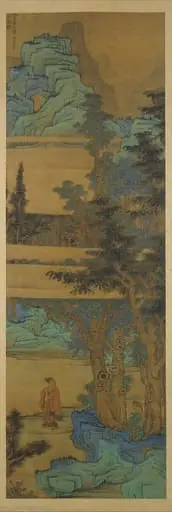 明 陳洪綬 樹下高士圖 軸|Scholar-recluse in blue-green landscape
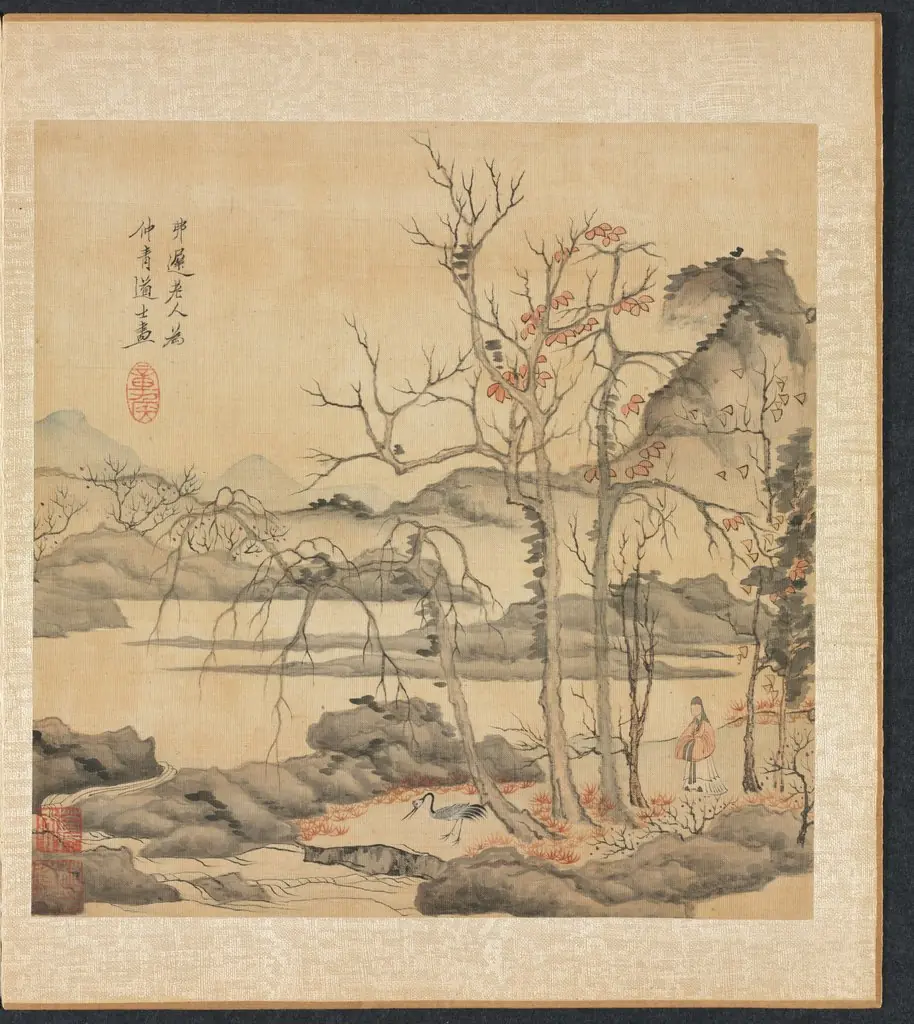 Paintings after Ancient Masters: Daoist and Crane in Autumn Landscape
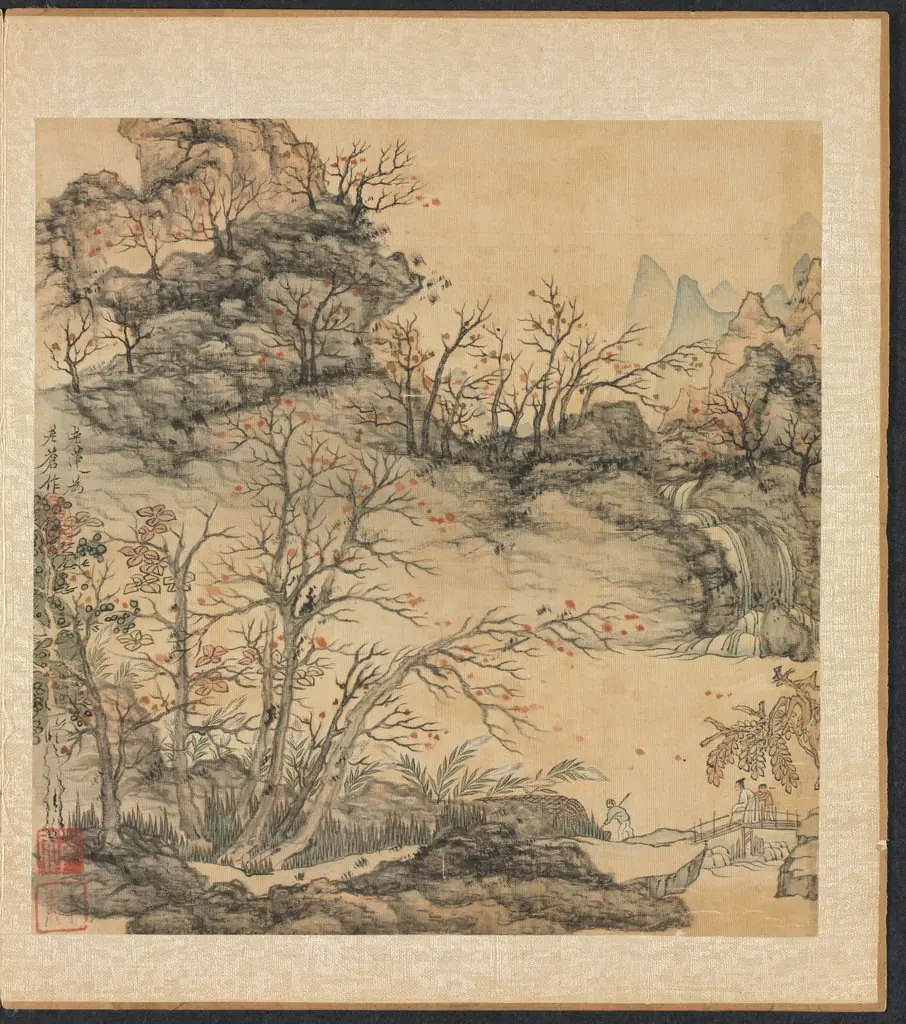 Paintings after Ancient Masters: Autumn Landscape
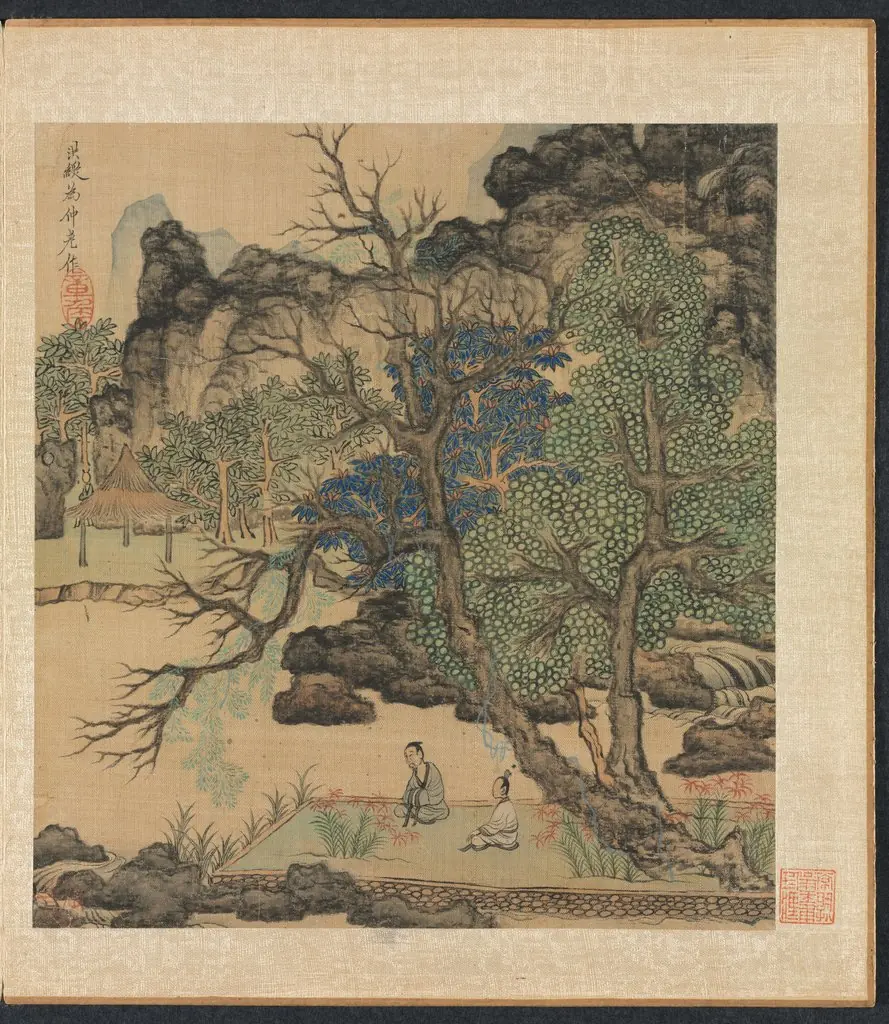 Paintings after Ancient Masters: Scholars in a Garden
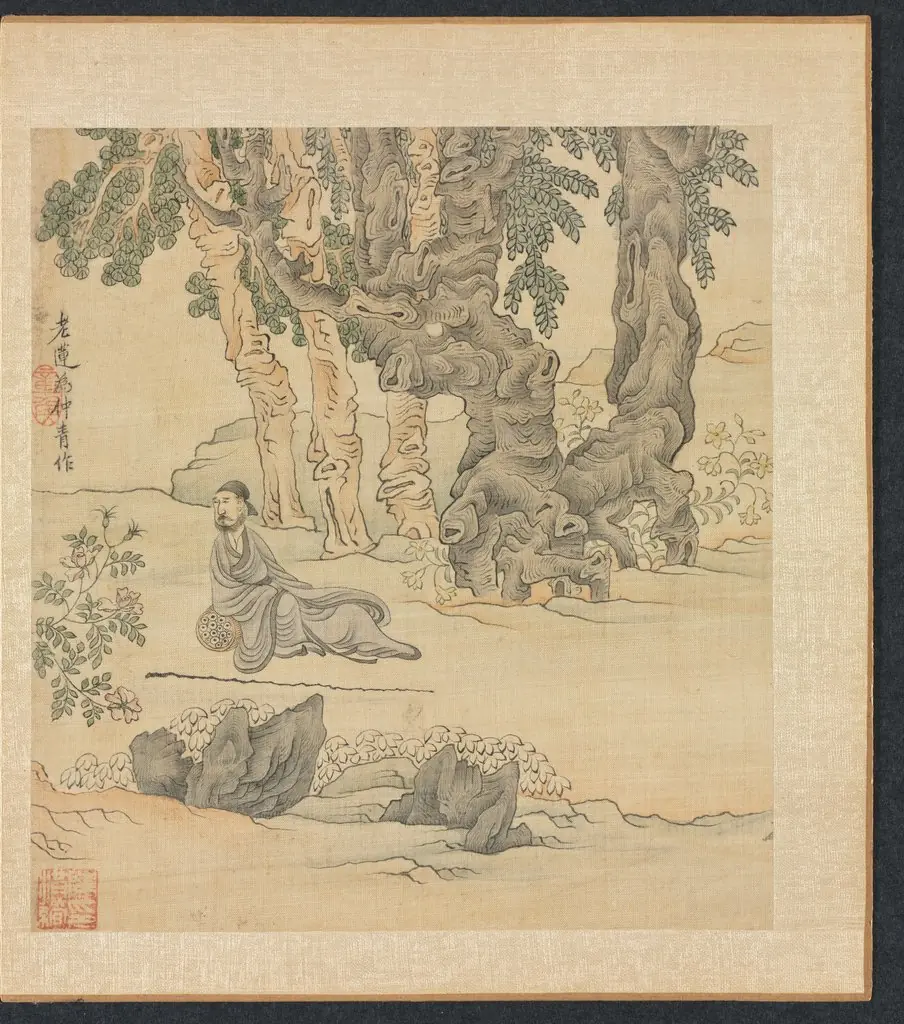 Paintings after Ancient Masters: Portrait of Zhongqing in a Landscape
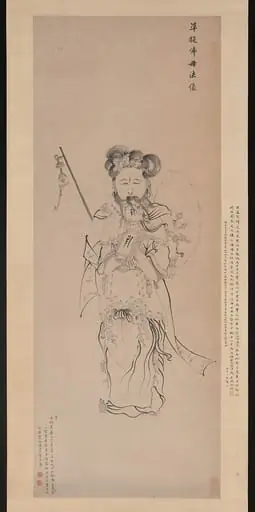 明 陳洪綬 準提佛母法像圖 軸|Bodhisattva Guanyin in the Form of the Buddha Mother
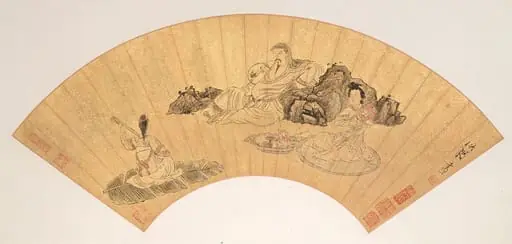 明 陳洪綬 山水花鳥人物圖 扇冊|Landscapes and Flowers
 明 陳洪綬 山水圖 扇|Landscape
 Paintings after Ancient Masters: Autumn Landscape
 Paintings after Ancient Masters: Portrait of Zhongqing in a Landscape
 Paintings after Ancient Masters:Travelers in an Autumn Landscape
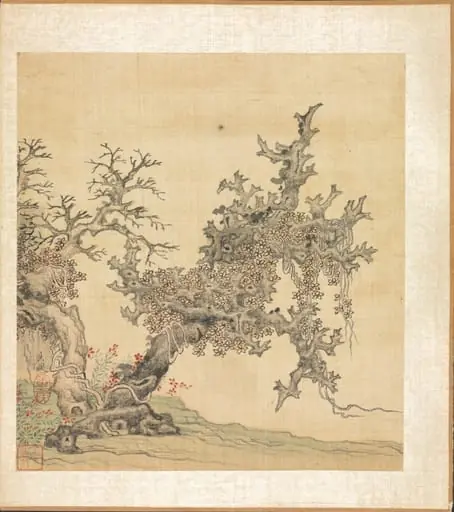 Paintings after Ancient Masters: An Ancient Tree
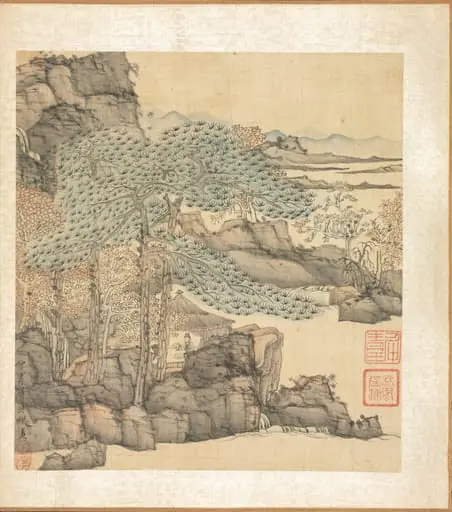 Paintings after Ancient Masters: Scholar Reading in a Thatched Hut by a Waterfall
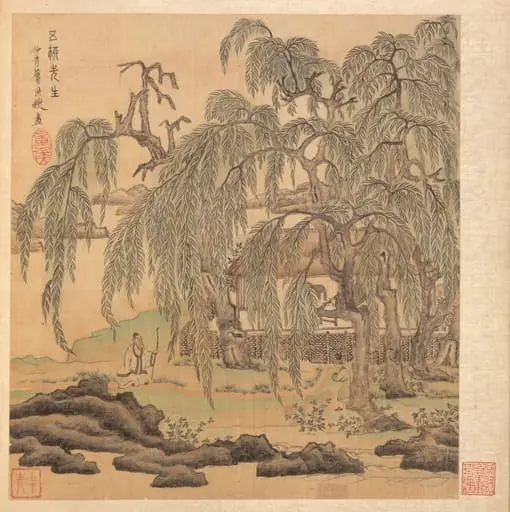 Paintings after Ancient Masters: Mr. Five Willows (Wuliu), Tao Yuanming
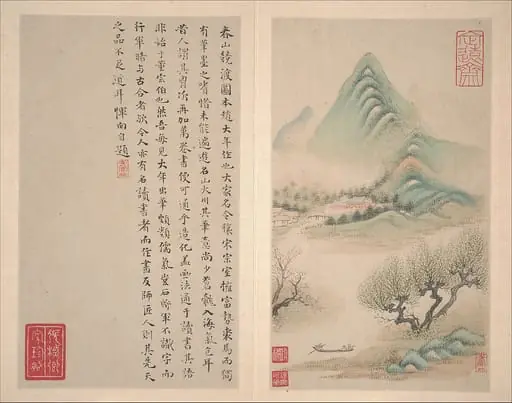 明/清 惲向 仿古山水圖 冊 紙本|Landscapes after old masters