Artwork
Paintings after Ancient Masters: An Ancient Tree
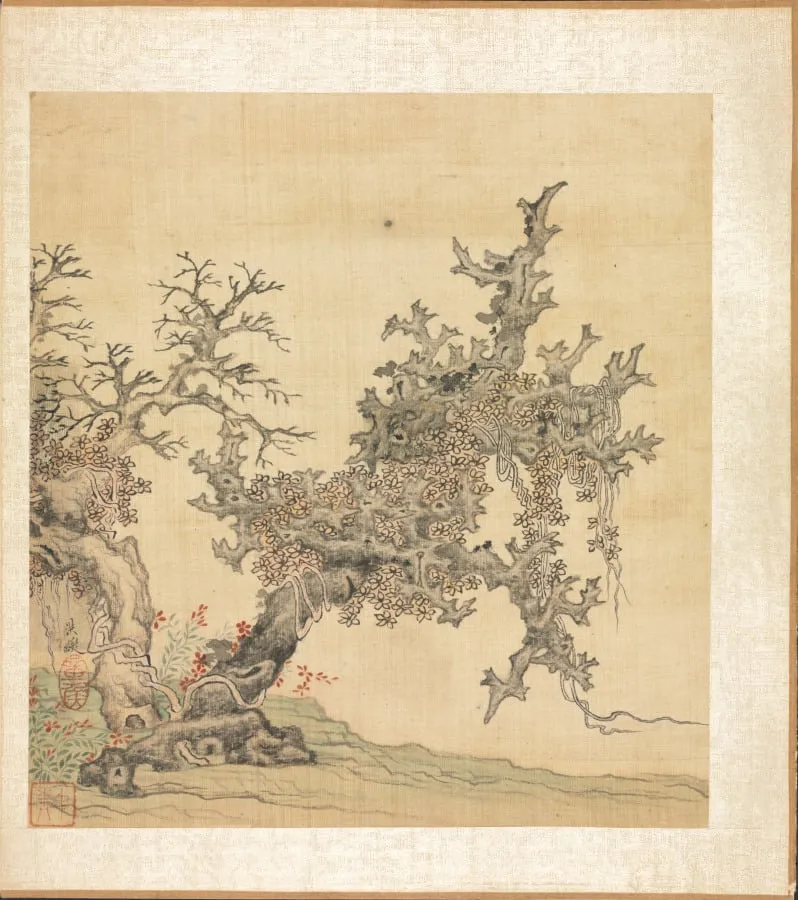
Paintings after Ancient Masters: An Ancient Tree is an unspecified painting by the Chinese Orthodox School artist Chen Hongshou. It dates from 1625 and is held in the collection of the Cleveland Museum of Art.
About this work
Overview
This album contains twenty paintings by Chen Hongshou, blending landscapes, figures, and floral motifs.
This album contains twenty paintings by Chen Hongshou, blending landscapes, figures, and floral motifs. One leaf uniquely depicts a woman, a rare subject in his later output. The works are compact in scale, reflecting a deliberate aesthetic of miniaturization that mirrors the constrained lives of Ming loyalists after the dynasty’s fall. Each piece is densely detailed, rejecting grandeur in favor of intimate, contemplative forms.
Subject & Meaning
Chen’s imagery—trees, figures, and isolated natural elements—serves as metaphors for resilience and withdrawal. The lone female figure stands apart, hinting at personal or political solitude. The diminished scale of his subjects echoes the diminished status of scholar-officials who, after the Ming collapse, retreated into private worlds. These images are not decorative but introspective, embodying quiet endurance.
Technique & Style
Chen renders every branch and fold with meticulous, almost obsessive precision. His lines are sharp and energetic, avoiding the stiffness of conventional archaism. Rather than imitating old styles passively, he revitalizes them with dynamic tension. Forms are compressed into small spaces, yet retain vitality through intricate patterning and rhythmic brushwork, creating a sense of life within confinement.
History & Provenance
The album was produced during Chen’s final years, after the fall of the Ming dynasty. As a loyalist, he withdrew from public life, channeling his grief and defiance into art. The album’s intimate format suggests private circulation among like-minded scholars. Its survival reflects its value as a personal testament, preserved through generations within collector circles.
Context
Chen worked amid political upheaval, when Ming loyalists faced suppression and loss of status. His art diverged from mainstream trends, rejecting ornamental excess in favor of austere, scaled-down compositions. This aesthetic aligned with Daoist and Chan Buddhist ideals of finding depth in smallness, offering a visual language for those who could no longer act publicly.
Legacy
Chen’s late albums influenced later artists who sought to express inner conviction through restrained forms. His ability to infuse miniature spaces with emotional weight redefined literati painting’s potential. Rather than being seen as mere revivalism, his work is now recognized as a profound response to historical trauma, shaping how later generations understood art as personal resistance.
Artist & collection


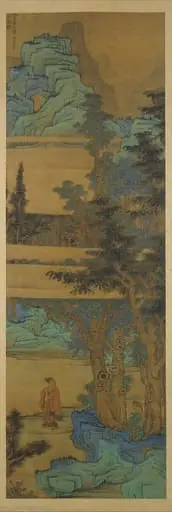 明 陳洪綬 樹下高士圖 軸|Scholar-recluse in blue-green landscape
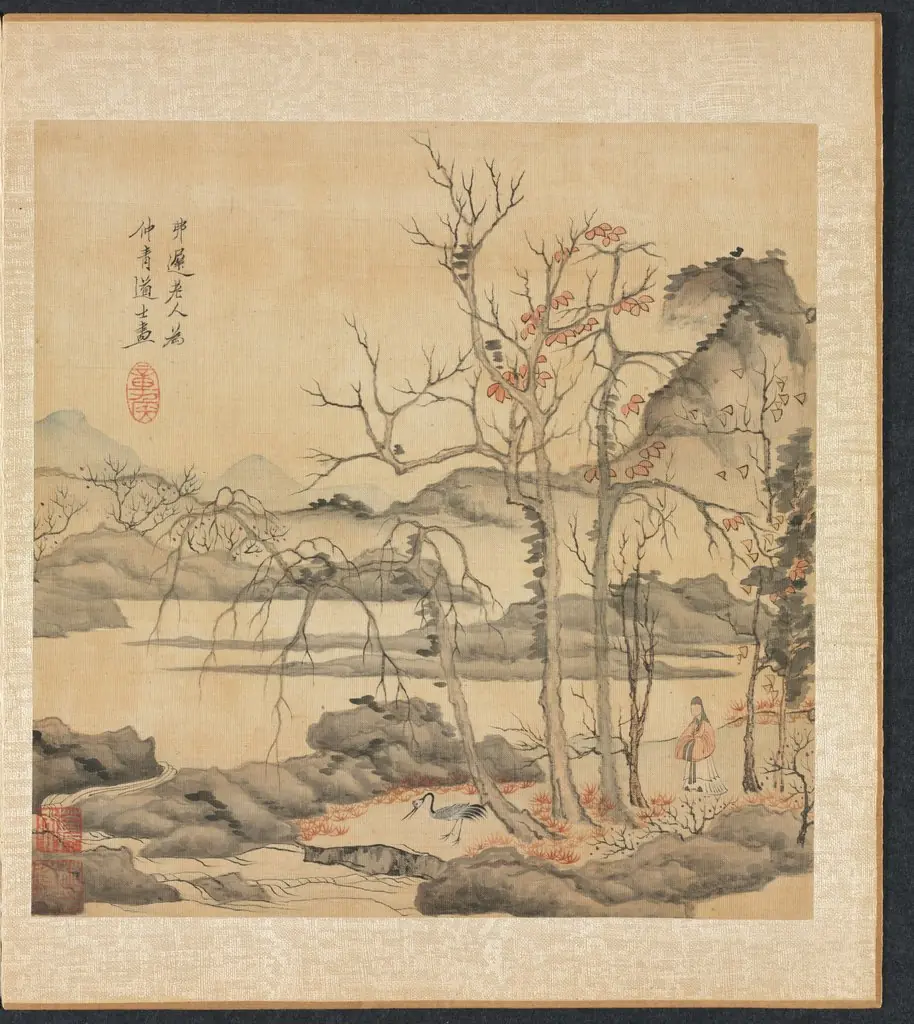 Paintings after Ancient Masters: Daoist and Crane in Autumn Landscape
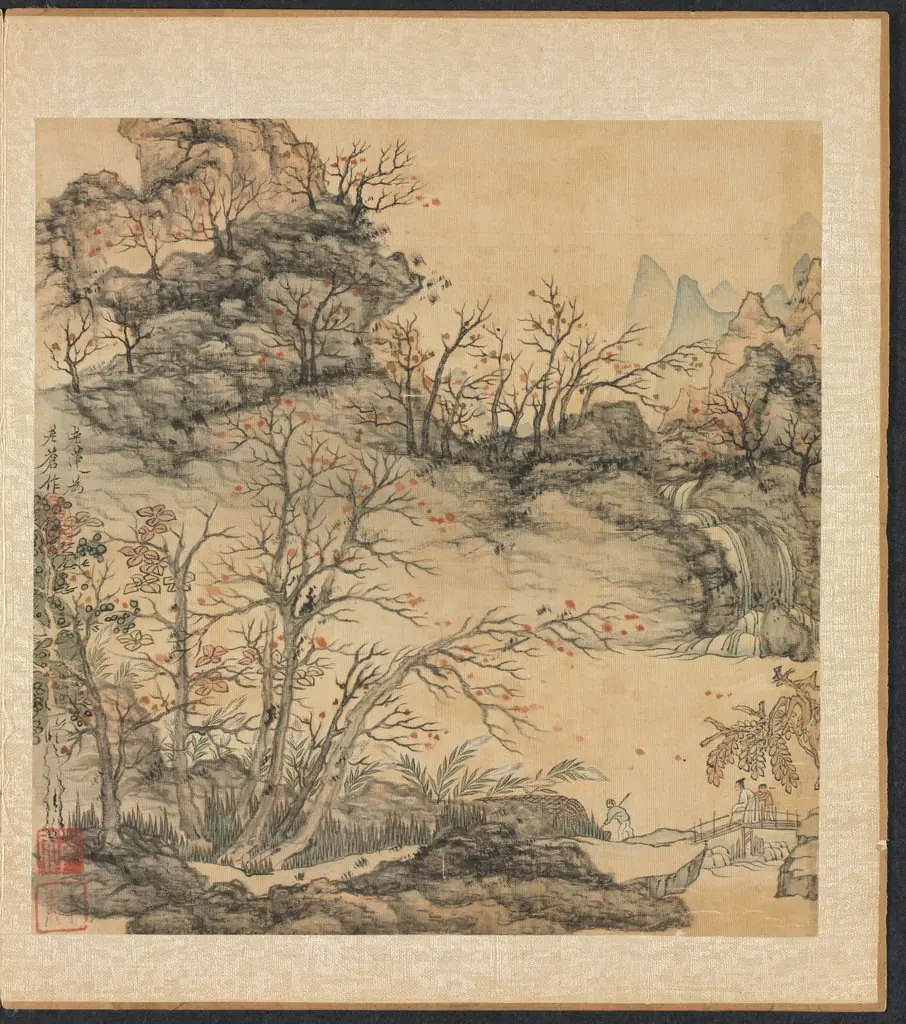 Paintings after Ancient Masters: Autumn Landscape
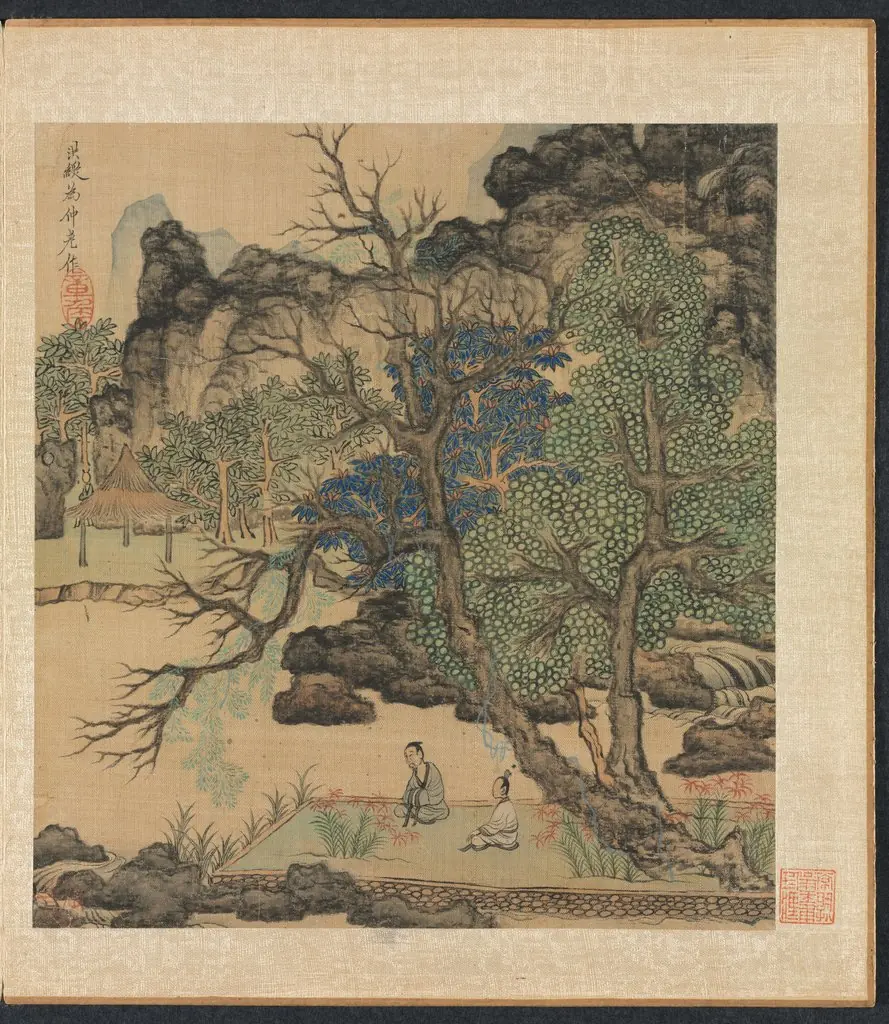 Paintings after Ancient Masters: Scholars in a Garden
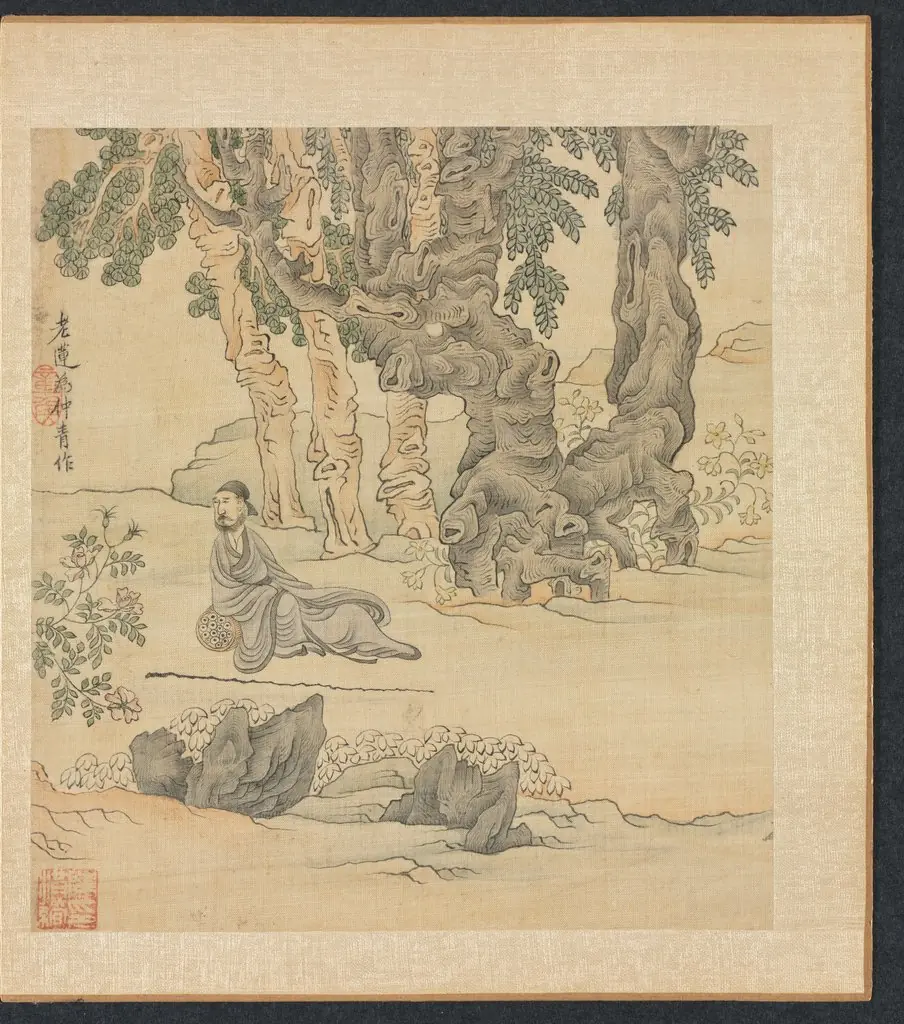 Paintings after Ancient Masters: Portrait of Zhongqing in a Landscape
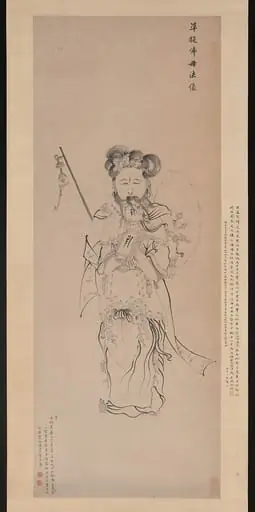 明 陳洪綬 準提佛母法像圖 軸|Bodhisattva Guanyin in the Form of the Buddha Mother
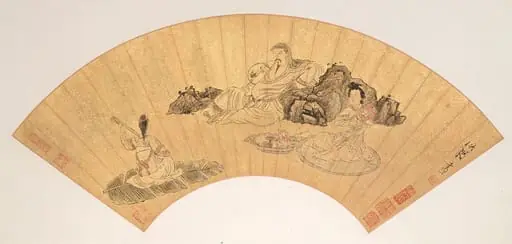 明 陳洪綬 山水花鳥人物圖 扇冊|Landscapes and Flowers
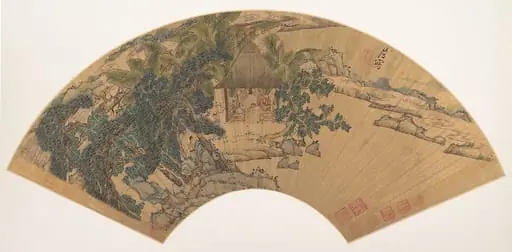 明 陳洪綬 山水圖 扇|Landscape
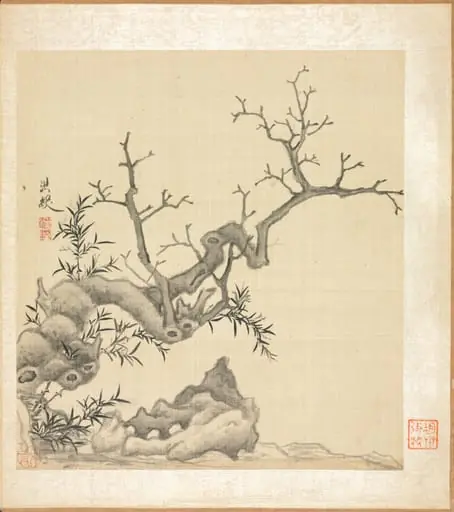 Paintings after Ancient Masters: Rock, Old Tree, and Bamboo
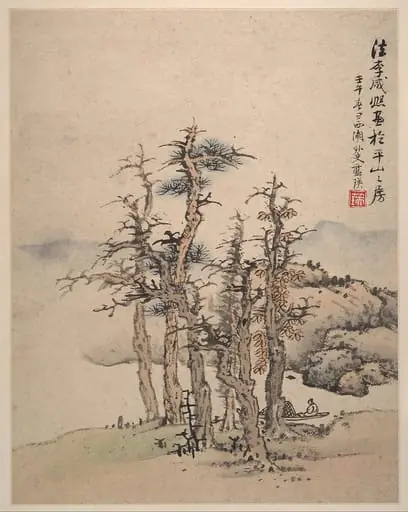 明 藍瑛 仿宋元山水圖 冊|Landscapes after Song and Yuan masters
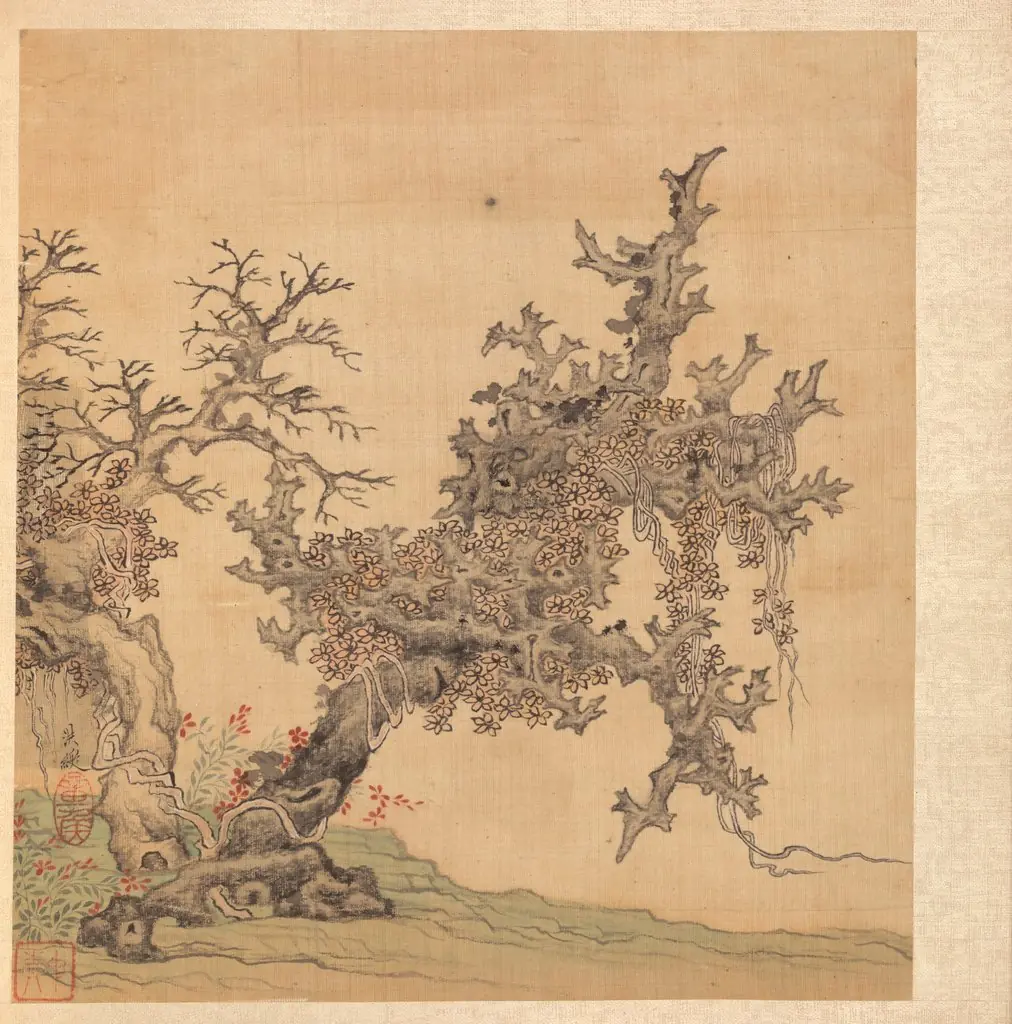 Paintings after Ancient Masters: An Ancient Tree
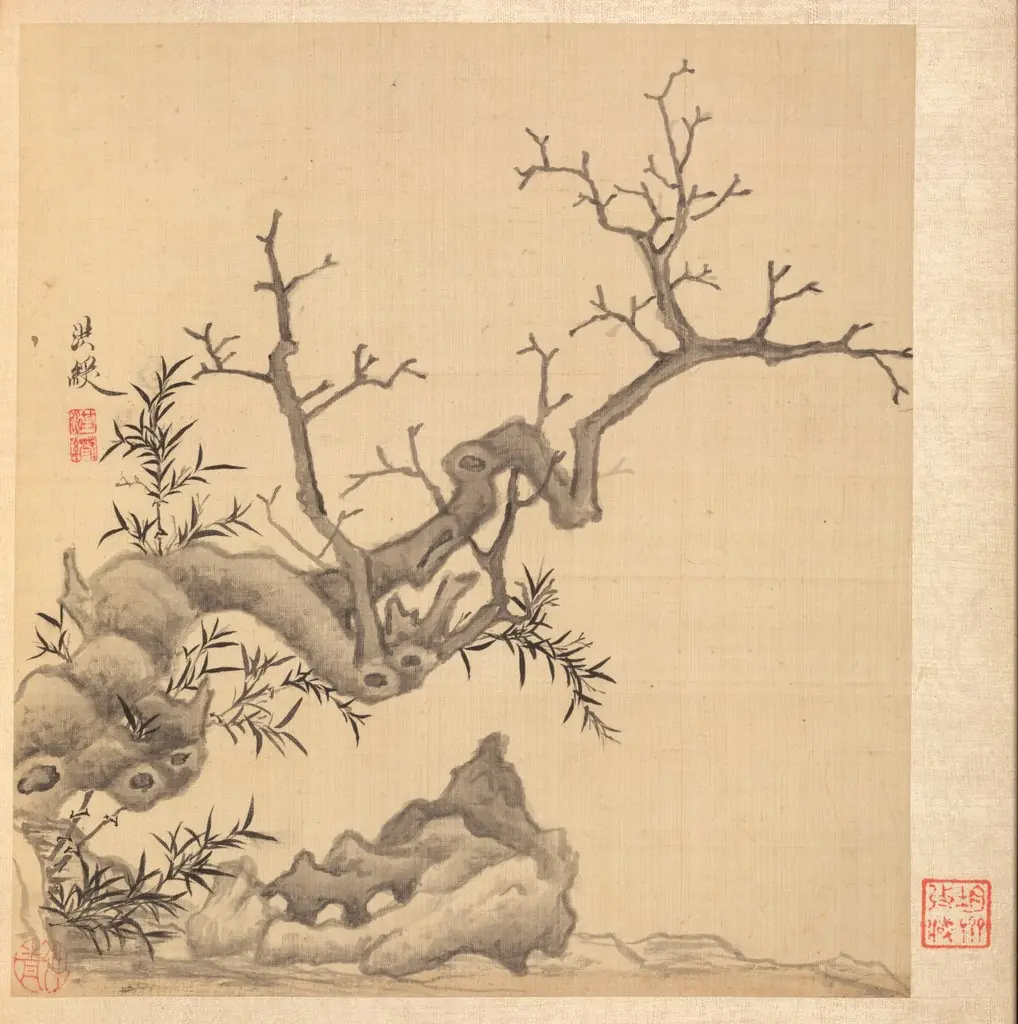 Paintings after Ancient Masters: Rock, Old Tree, and Bamboo
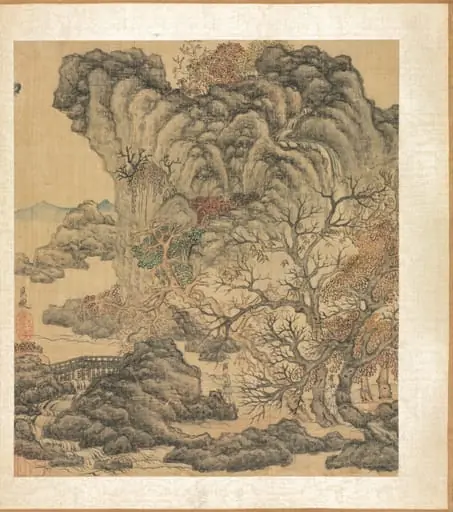 Paintings after Ancient Masters:Travelers in an Autumn Landscape
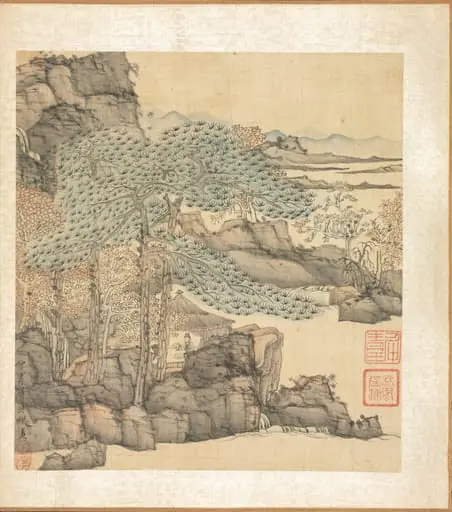 Paintings after Ancient Masters: Scholar Reading in a Thatched Hut by a Waterfall
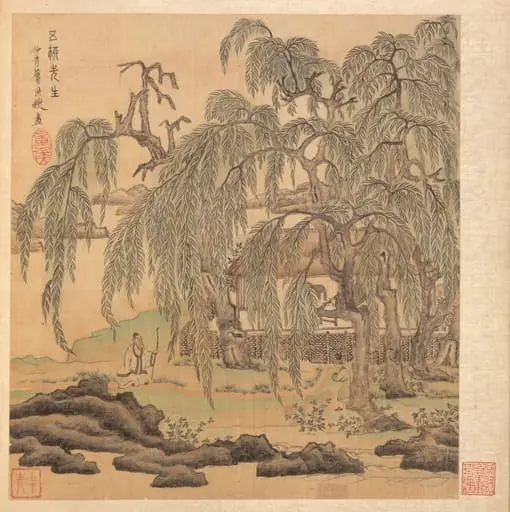 Paintings after Ancient Masters: Mr. Five Willows (Wuliu), Tao Yuanming
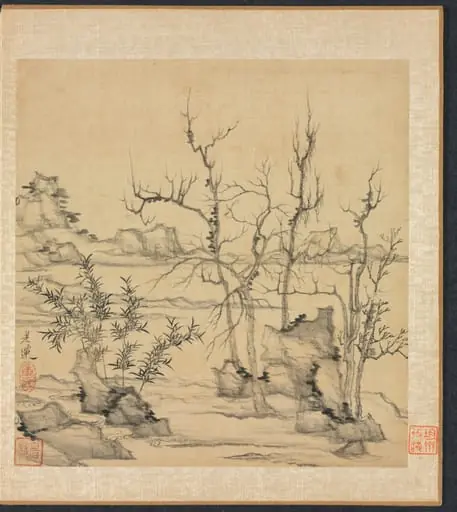 Paintings after Ancient Masters: Landscape in the Style of Ni Zan
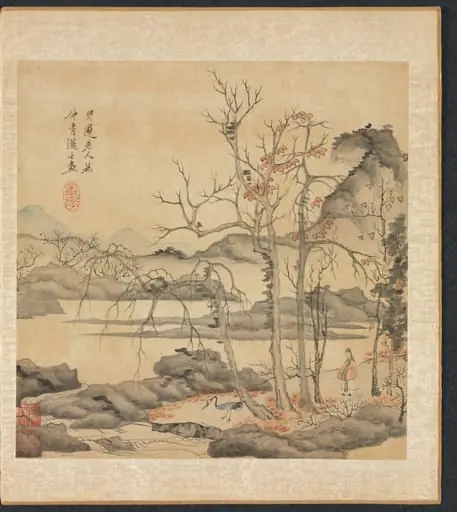 Paintings after Ancient Masters: Daoist and Crane in Autumn Landscape
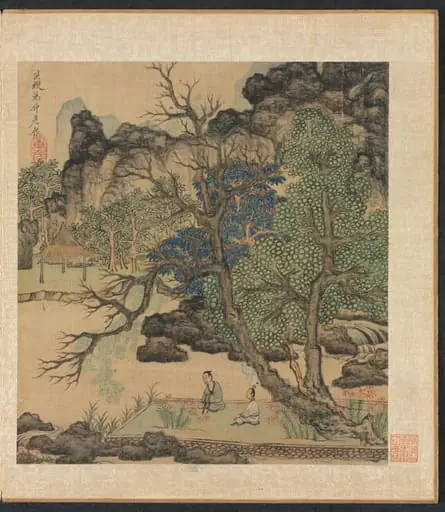 Paintings after Ancient Masters: Scholars in a Garden
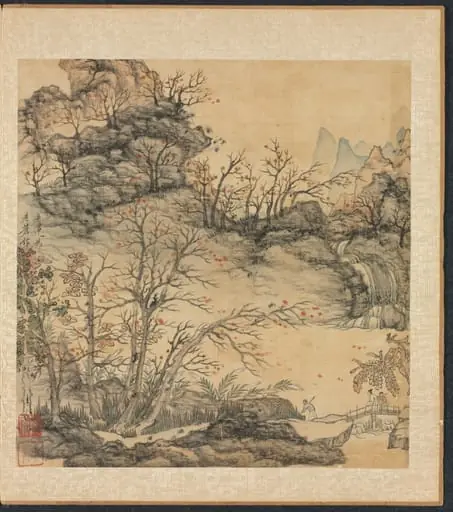 Paintings after Ancient Masters: Autumn Landscape