Artwork
Vasul este confecționat din lut și este prevăzut cu toartă. Acesta este smălțuit în interior (maro), iar exteriorul este 3/4 angobat. Pe pântecul vasului au fost pictate cu pensula, cu smalț verde trei spirale, una dintre acestea aflându-se pe toartă. Cromatică: alb; maro; verde.
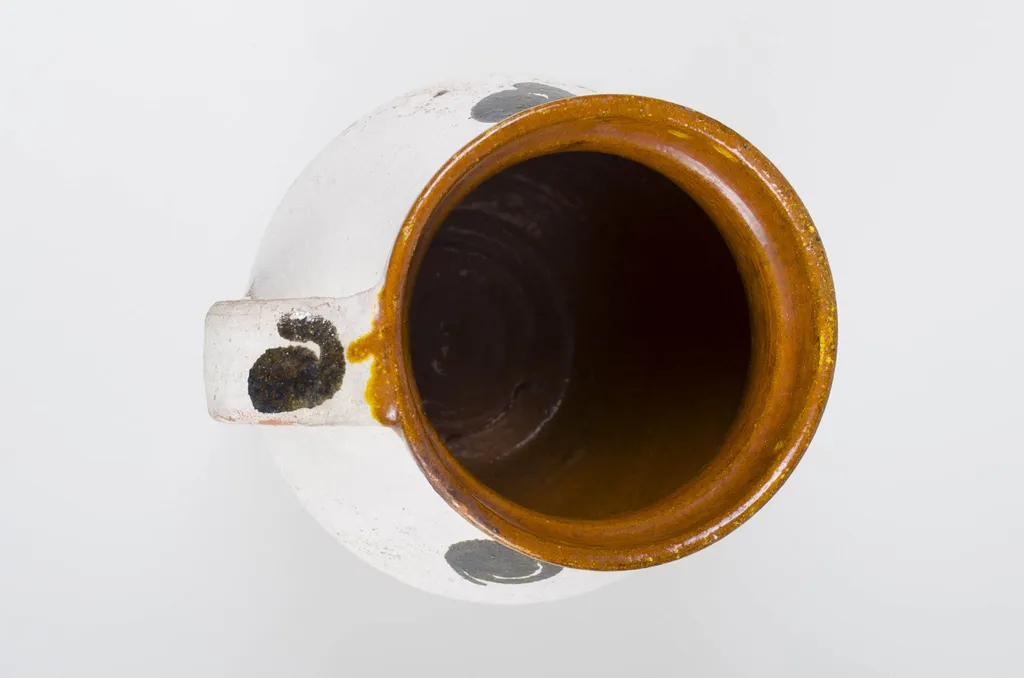
Vasul este confecționat din lut și este prevăzut cu toartă. Acesta este smălțuit în interior (maro), iar exteriorul este 3/4 angobat. Pe pântecul vasului au fost pictate cu pensula, cu smalț verde trei spirale, una dintre acestea aflându-se pe toartă. Cromatică: alb; maro; verde. is a photography by Șchiopu Dumitru. It is held in the collection of the ASTRA National Museum Complex. This vessel is a hand-formed clay container with a single handle, shaped using basic ceramic techniques.
About this work
Overview
This vessel is a hand-formed clay container with a single handle, shaped using basic ceramic techniques. Its surface retains the irregular texture typical of handmade pottery, suggesting it was not thrown on a wheel. The interior is coated with a dark brown glaze, while the exterior is partially covered in a light-colored slip, leaving patches of raw clay exposed.
Subject & Meaning
Three green spiral motifs, painted with slip, adorn the vessel’s belly and extend onto the handle. These abstract patterns lack clear narrative content but may reflect symbolic or ornamental traditions common in regional pottery. Their placement near the handle suggests intentional visual balance, possibly indicating aesthetic or ritual significance rather than utilitarian function alone.
Technique & Style
The pot was constructed from coarse clay and treated with a two-part surface finish: a brown glaze inside and a white slip covering three-quarters of the exterior. The green spirals were applied with a brush using a contrasting slip, creating a subtle decorative contrast. The uneven surface and uneven slip application point to a non-industrial, likely domestic or small-scale production method.
History & Provenance
The vessel’s materials and decoration align with early ceramic traditions from the Carpathian region, possibly dating to the late Neolithic or early Bronze Age. Its simple form and limited palette suggest it was not a high-status object but rather a functional item, possibly used for storage or ritual purposes within a local community.
Context
This piece belongs to a broader category of prehistoric pottery where slip decoration and limited glazing were common. Similar spirals appear in other regional artifacts, often associated with symbolic or cosmological motifs. The use of locally sourced clay and natural pigments reflects a self-sufficient craft tradition, tied to seasonal or communal production cycles.
Legacy
Though modest in scale, the vessel exemplifies early ceramic experimentation with color and form. Its decorative approach—using slip to create contrast against unglazed surfaces—influenced later regional pottery styles. Today, it serves as a tangible record of prehistoric artisans’ attention to subtle visual rhythm and material expression.
Artist & collection
Artist
Șchiopu Dumitru made ceramics and prints. Check out "Recipient ceramic" or "Disc concav smălțuit" to see their style. They used simple shapes and bold colors, like red and green. Look at "Vas ceramic" to see more of…

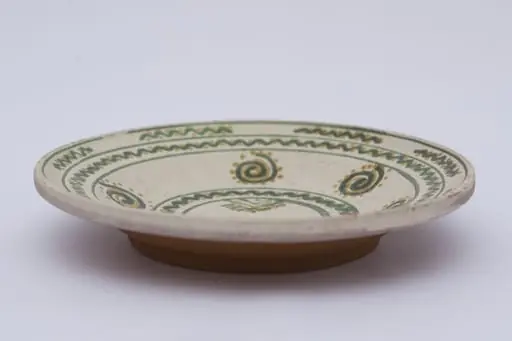 Vas ceramic de formă discoidală pe bază puțin înălțată. Fața farfuriei a fost introdusă în angobă albă, decorația a fost făcută cu pensula. Pe fundul vasului sunt două cercuri concentrice: în primul sunt doi brăduți, iar în al doilea valul punctat. Pe pereți sunt șase spirale punctate. Marginea vasului a fost împărțită în două registre, primul cu val punctat, în al doilea sunt șapte valuri întrerupte. La posterior, pe fund, semătura ”D Șchiopu ''. Pentru atârnare baza este perforată. Cromatică: fond: alb; motive; verde; galben.
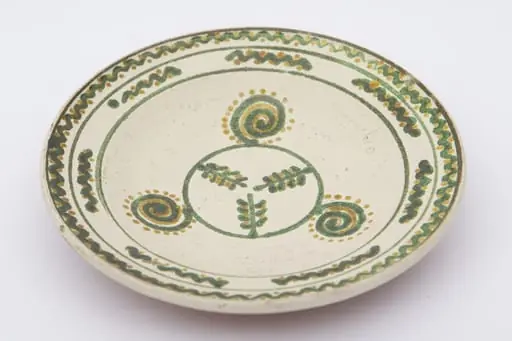 Vas ceramic de formă rotundă și profil tronconic aplatizat cu pereții larg evazați. Fața farfuriei a fost introdusă în angobă albă, decorația a fost făcută cu pensula. Pe fundul vasului sunt trei crengi de brad circumscrise. Pe pereți au fost pictate trei spirale punctate. Buza a fost împărțită în două registre: primul cu șapte valuri întrerupte; al doilea val continu, punctat. La posterior, baza este perforată pentru atârnare și incizată inscripția ,,D. Șchiopu''. Cromatica: fond: motive: verde, galben.
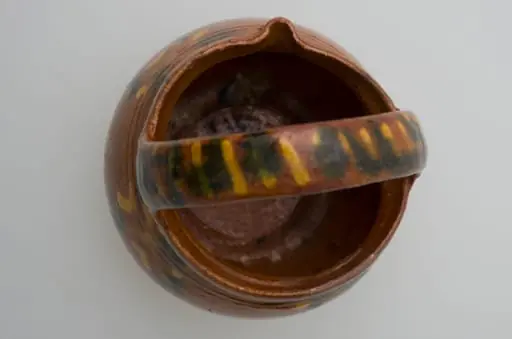 Vas de mici dimensiuni sub forma de bijou; pântecos cu gâtul scurt și gros, gură răsfrântă și cioc. Smălțuit în interior și la exterior. În partea superioară se află două linii incizate. Pe corp avem motive florale stilizate, iar pe mănușă decor geometrice: liniar și punctiform. Diametral, peste gură aven o mânușă aproximativ la fel de înaltă ca vasul. Cromatică: fond: cărămiziu; motive: galben, verde.
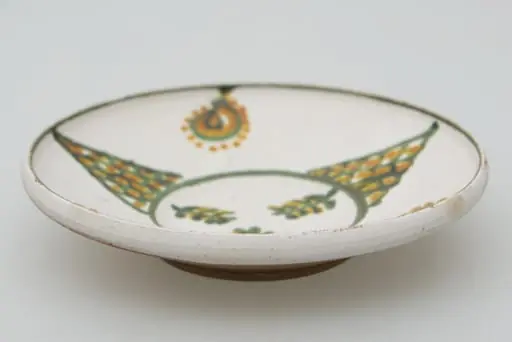 Disc concav smălțuit cu smalț incolor; decor amplasat pe toată suprafața; ordonat în registre; organizare radială; motive geometrice; triunghiuri; cerc; spirale; puncte. Cromatică: fond: alb; motive: verde; cărămiziu.
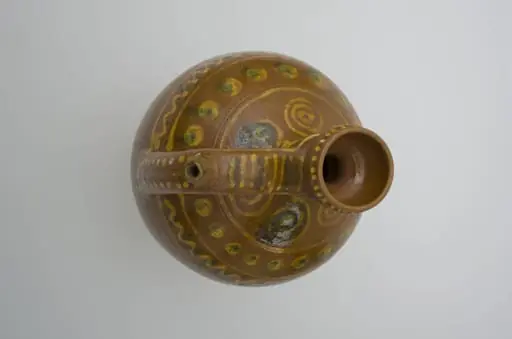 Ulcior de formă sferică cu gât înalt cu guler la mijloc; gura înaltă și largă, în formă de pâlnie tronconică. Buză rotundă și îngustă retrasă spre interior. Prezintă toartă goală aplatizată cu țâța ușor înălțată oblic ce pornește din gulerul gâtului și intră în pântece la diametrul maxim, într-un arc oval. Decorul este format din motive geometrice: brâu median de linii pararele și zig-zag; liniuțe orizontale și două șiruri de punctmotive florale; sub gât avem spirale. Smălțuit cu smalț incolor. Cromatică: fond: maro cărămiziu; motive: galben; verde.
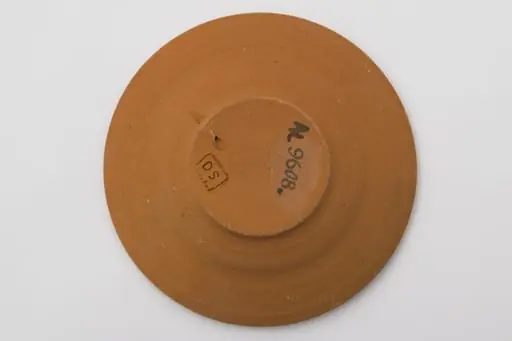 Vas ceramic cu fundul plat puțin adâncit și marginile evazate, puțin ridicate. Ornamentată cu pensula cu angoba albă. Fundul este marcat printr-o spirală din care ies alte șase spirale mici dispuse pe circumferința exterioară. Pe marginea vasului două benzi, una cu o linie întreruptă, a doua cu șase valuri întrerupte. La posterior ștanțat ”DS” încadrat într-un dreptunghi. Cromatică: fond: cărămiziu; motive: alb.
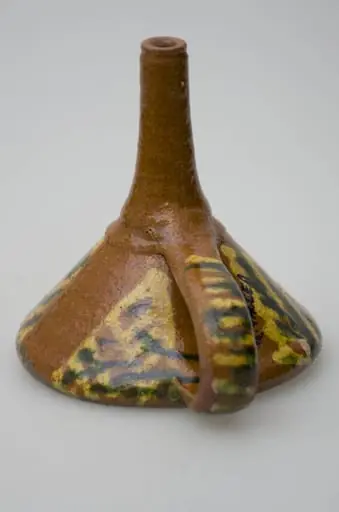 Pâlnie ceramică smălțuită, de formă tronconică, cu gura astupată cu o suprafață de lut găurită, formând o sită. La cealaltă latură a conului pâlnia este continuată printr-un tub cilindric, care se folosește la scurgerea lichidelor. Piesa de uz casnic este dotată cu un mâner care pleacă de la buză până la tubul cilindric de scurgere. Pe suprafața obiectului apar motive geometrice realizate cu pensula. Cromatică: fond: maro; motive: galben; verde.
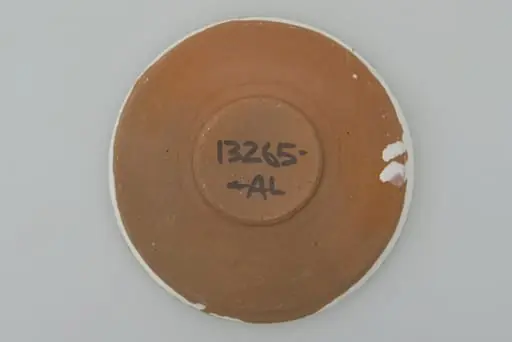 Farfurie de formă tronconică cu buza rotunjită. Decorul este compus din motive geometrice și vegetale pictate cu cornul: pe fund: două spirale cu puncte și două frunze; pe buză: linie ondulată; interior angobat; decor smălțuit. Cromatică: fond: alb; motive: verde; galben.
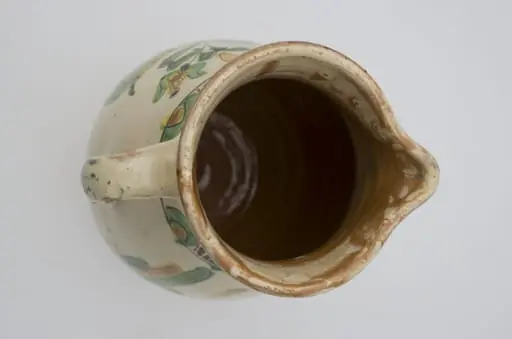 Cană bitronconică cu baza lată, pereții ușor bombați, ce se subțiază spre gât, lărgindu-se spre buză. Prezintă o toartă puternic arcuită. În partea opusă torții buza vasului are un cioc de scurgere. Decorații sub formă de șiruri de semicercuri dispuse concentric la baza gâtului și sub buză. . Motiv central pe pântecul vasului; o pasăre cu ciocul îndreptat spre o creangă cu frunze; un cal sau un cerb ce are pe spinare o lalea și în bot o frunză. Cromatică: fond: alb; cromatică: verde; galben; maron.
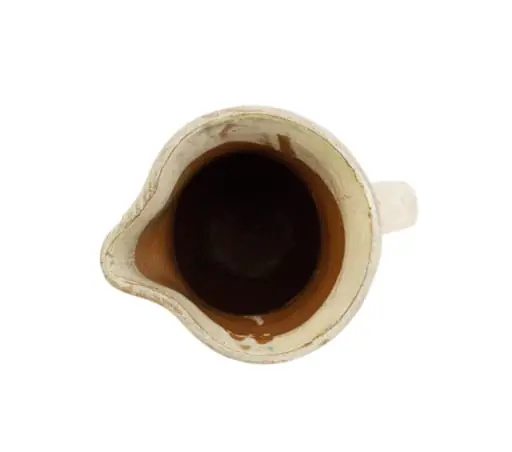 Cană de formă cilindrică, bombată la mijloc, modelată la roată; prezintă o toartă pentru prindere și lob pentru turnarea lichidelor realizat prin impresiune cu degetul; decor geometrizant realizat în registre: spre baza vasului linii circulare întrerupte de linii drepte dispuse perpendicular și puncte, mărginite de un șir de puncte; două șiruri de motive astrale: soare, realizate cu puncte de culoare pe mijlocul și spre extremitatea superioară a vasului, despărțite de o linie vălurită (șarul) în alveolele căreia sunt dispuse puncte; cromatică: fond alb și cărămiziu, decor realizat cu alb, verde, cărămiziu și brun. Pe exteriorul vasului este stampilat numele meșterului cu majusculă și caractele italice: Colibaba.
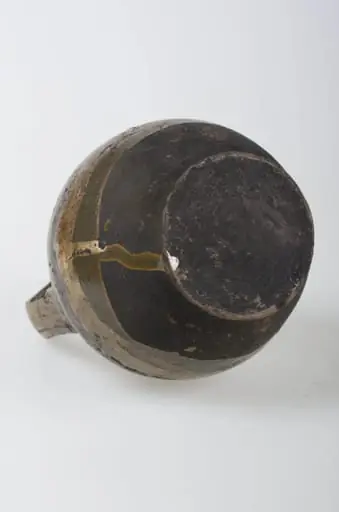 Recipient ceramic de formă sferică cu o toartă ce pornește de la baza buzei, printr-un inel, și se prinde de corp deasupra diametrului maxim. Buza este înaltă și relativ îngustă. Decorul este compus din motive geometrice (liniare, curbilinii) pictate, plasate pe toată suprafața obiectului. Pe alocuri sunt prezente pete de smalț. Vasul este smălțuit la exterior. Cromatică: fond: maron; bej; motive: maron închis, verde, galben.
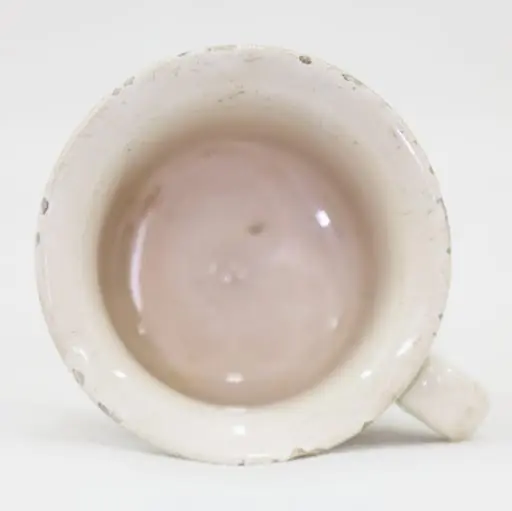 Piesa are o formă relativ cilindrică, cu buza ușor evazată și toartă plină. Sub buză și la bază, câte un cerc concentric. Decorul pictat dispune de motive florale și vegetale (flori și frunze). Cromatică: alb (fondul), verzui (decorul).
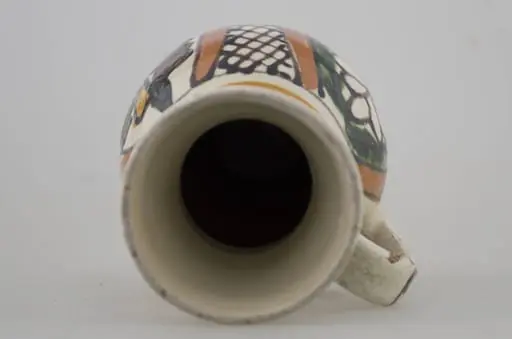 Vas de formă bitronconică, cu baza plată și bombat în zona „pântecelui”, prezintă o toartă ce pornește din zona gâtului și se termină în zona diametrului maxim al vasului. Vasul este smălțuit în interior și exterior. Decorul este compus din două registre picturale. La baza obiectului sunt pictate linii orizontale și sinusoidale. Primul registru este încadrat de două benzi, și cuprinde crenguțe cu frunze intercalate de benzi și linii paralele și perpendiculare formând romburi. Cel de-al doilea registru pictural a fost decorat cu patru motive florale stilizate. Ambele registre picturale sunt încadrate de linii concentrice de culoare maro, galben și verde. Pe toarta recipientului a fost inscripționat textul: „Korund 1974”, iar pe fund este scris numele meșterului ”Jozsa Janos”. Cromatică: fond: crem; motive: verde; maro; galben.
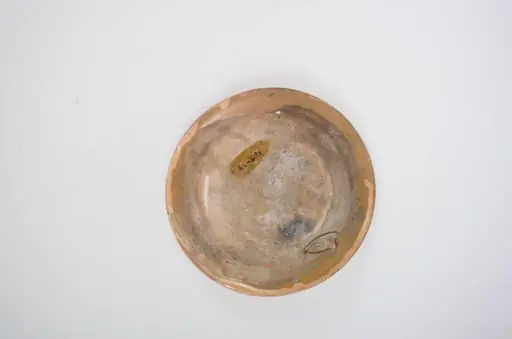 Blid de formă tronconică cu buza îngustă, smălțuit, cu decor floral stilizat amplasat pe fund și motive geometrice formate din două cercuri poziționate la baza buzei și perimetral, la partea interioară a fundului. Cromatică: fond: cărămiziu; decor: alb; verde; maro deschis.