Artwork
Bethrothal
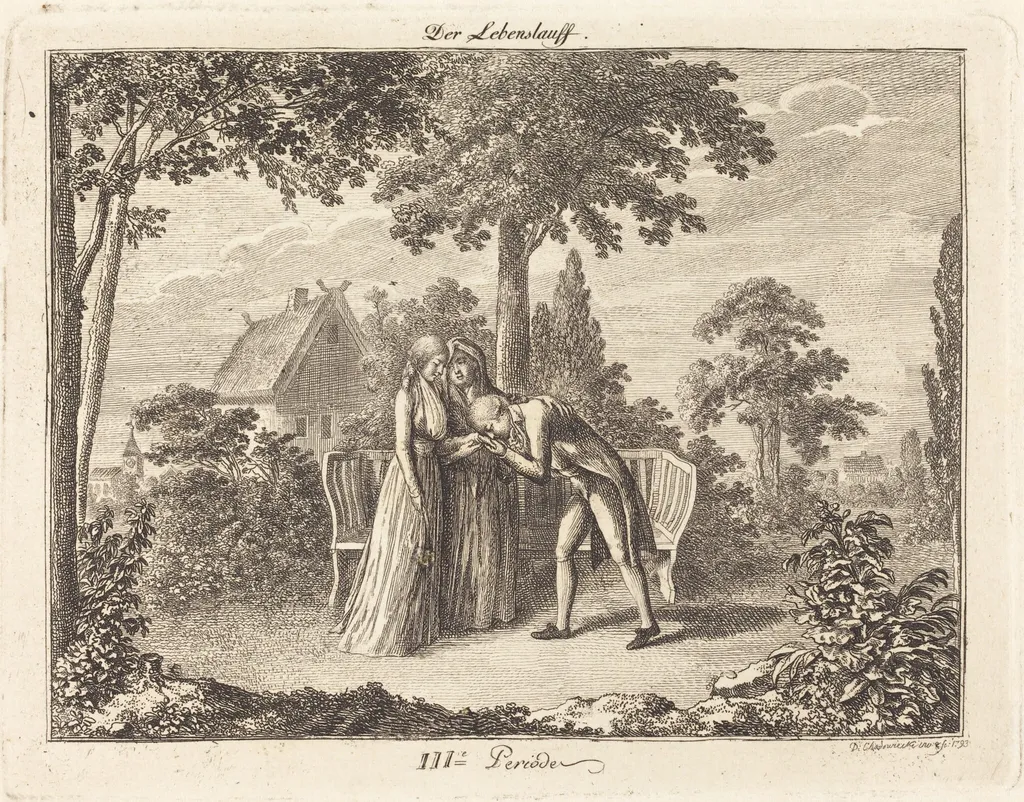
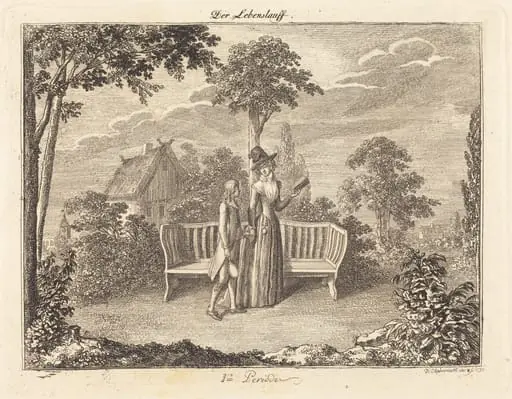
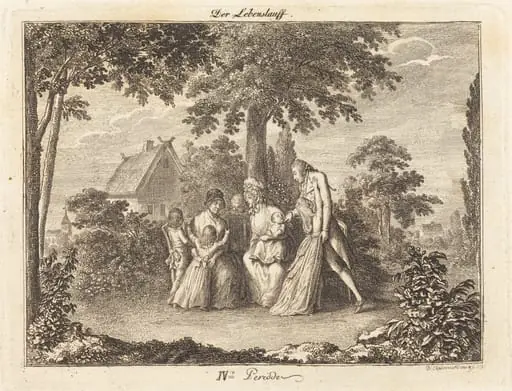
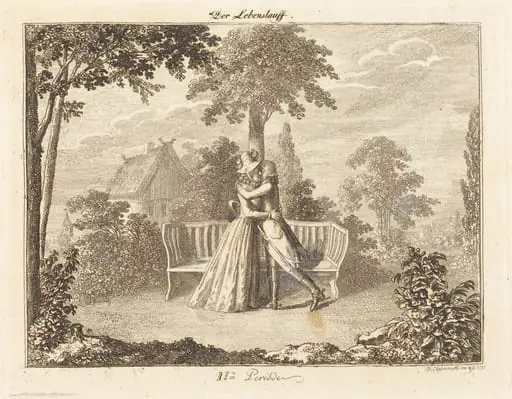
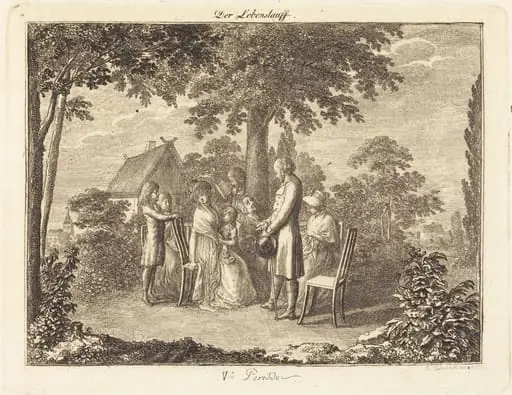
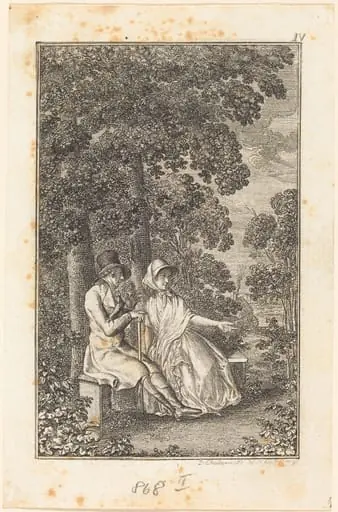
Bethrothal is an ink print by the Romanticist artist Daniel Nikolaus Chodowiecki. It dates from 1793 and is held in the collection of the National Gallery of Art.
About this work
Overview
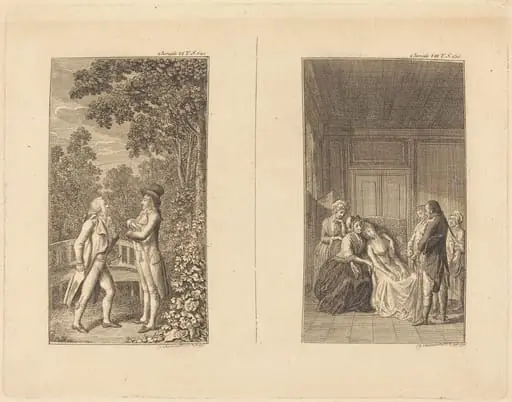
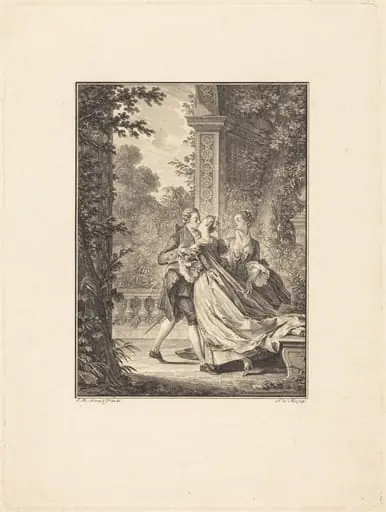
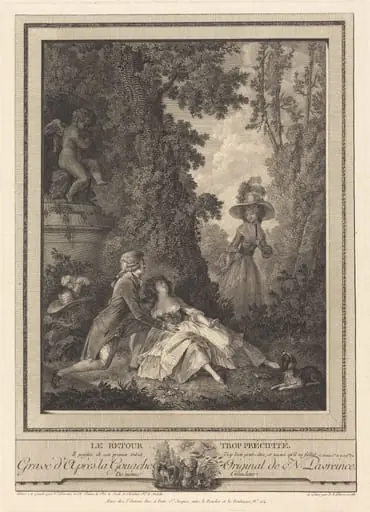
Daniel Nikolaus Chodowiecki, a German artist of Huguenot and Polish descent, produced the etching *Bethrothal* in 1793. Executed during the final decade of the eighteenth century, the work exemplifies his prolific output in printmaking, a medium through which he communicated narrative scenes to a broad audience.
Subject & Meaning
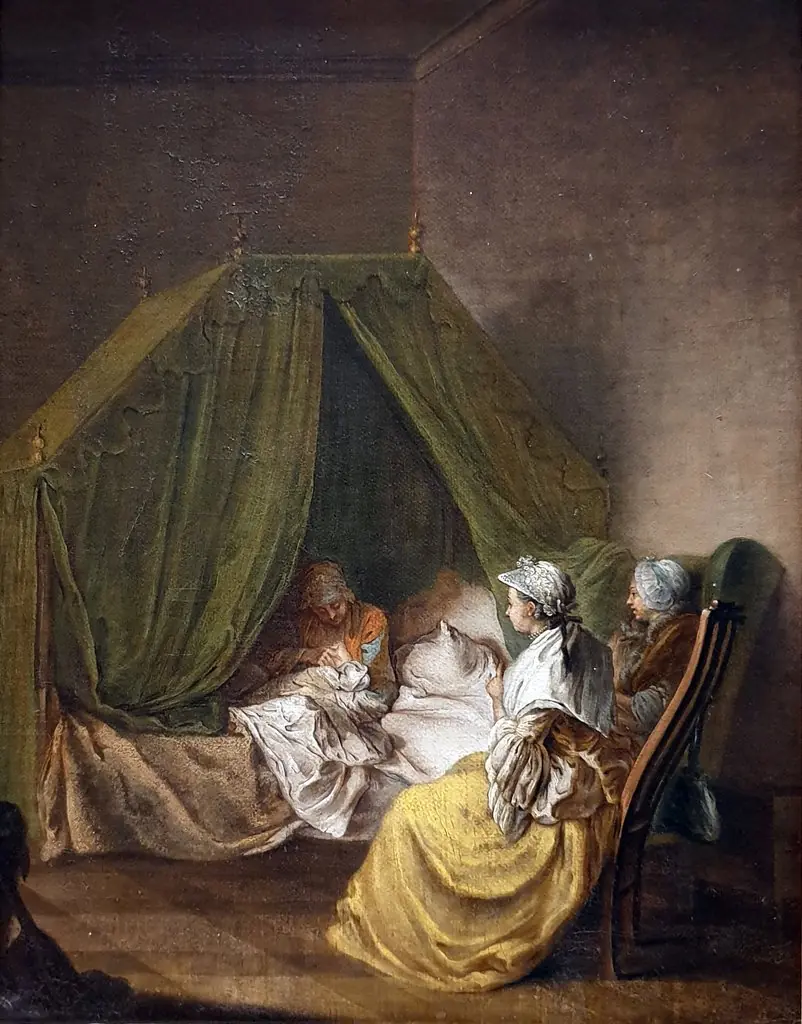
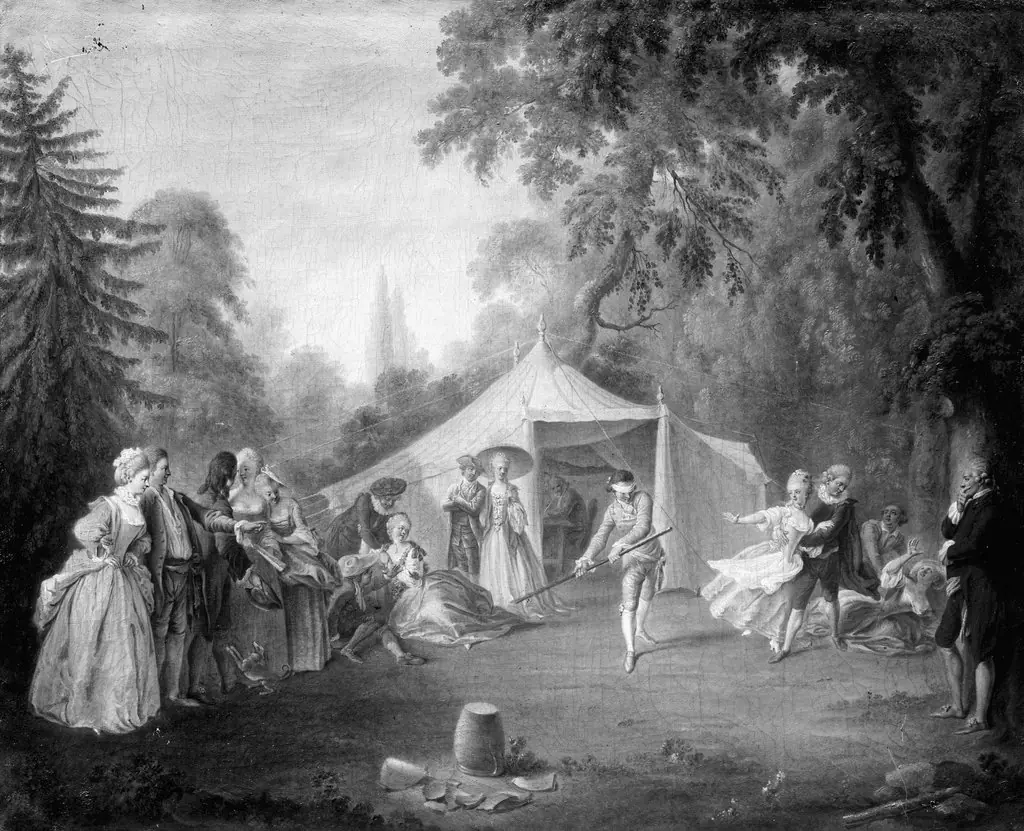
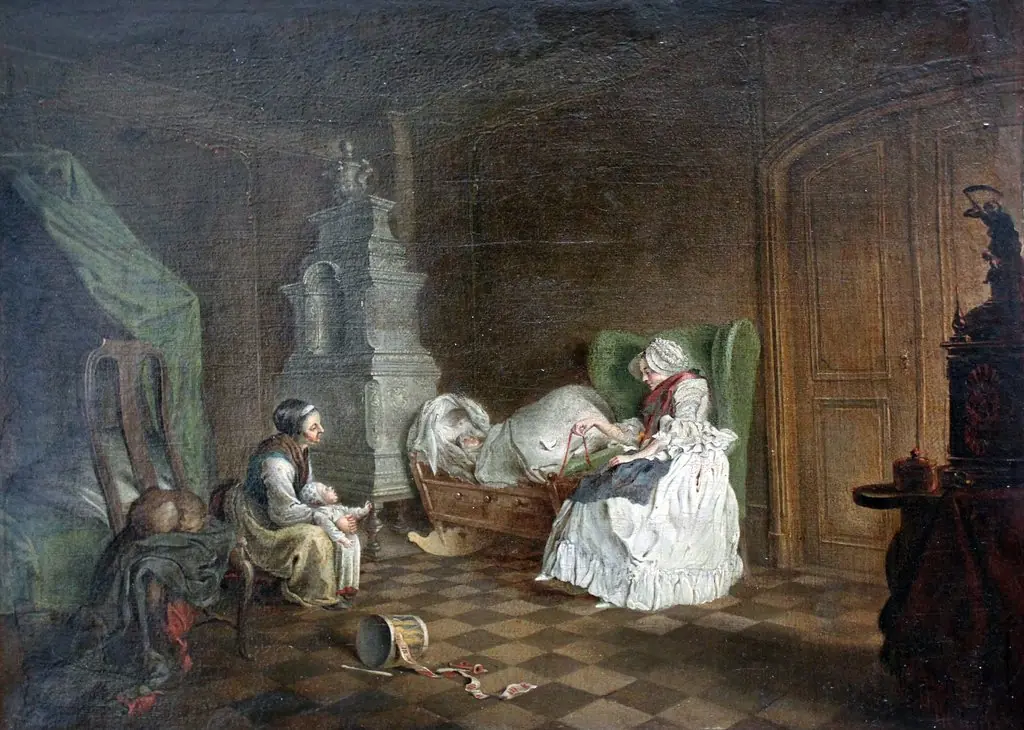
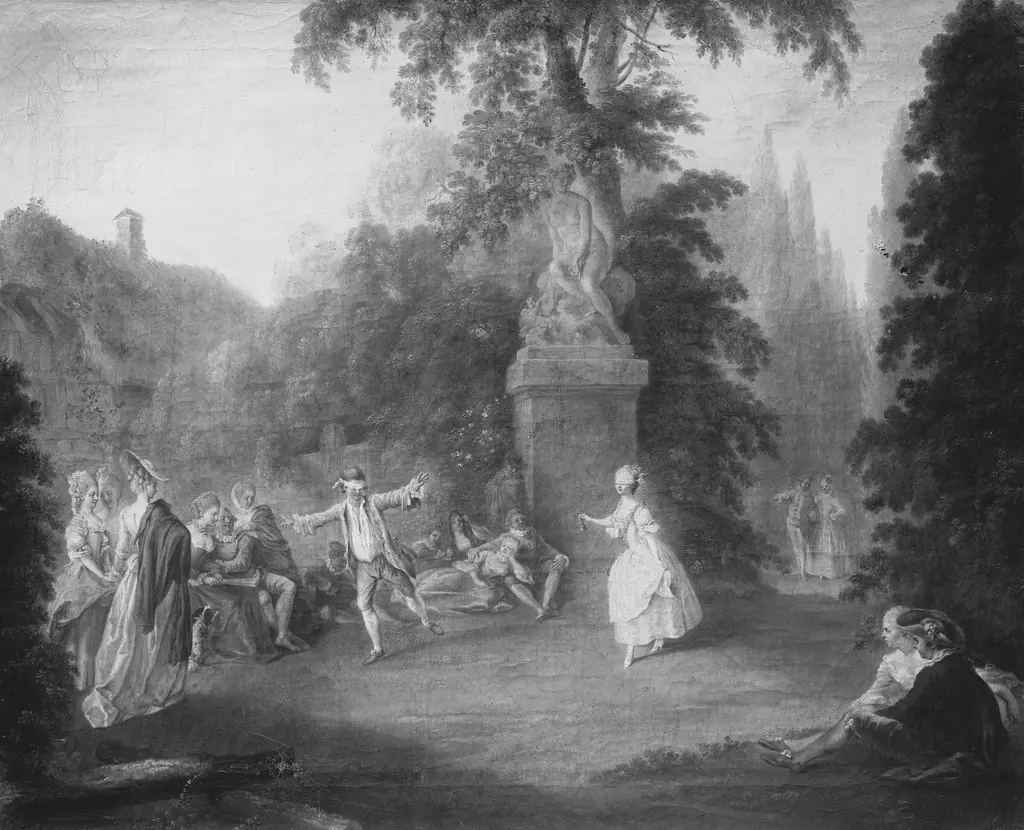
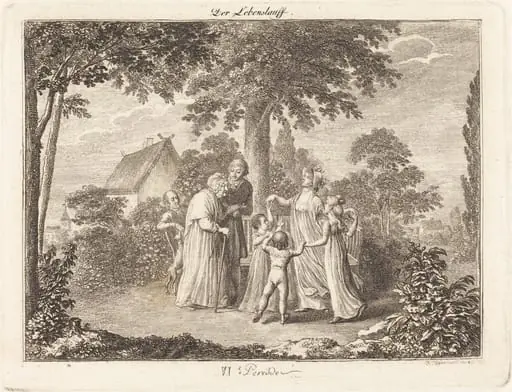
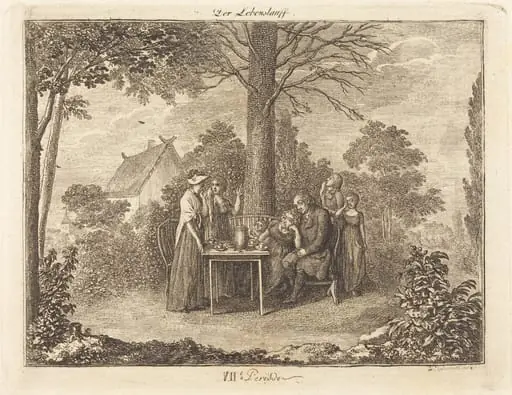
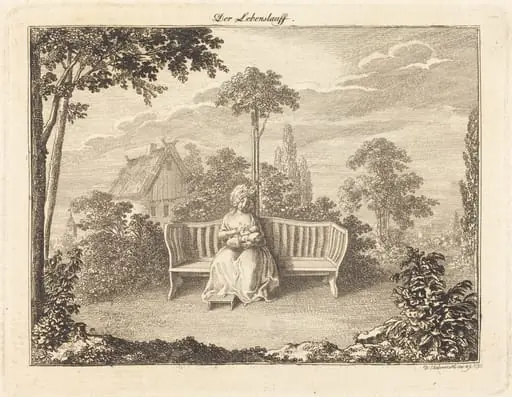
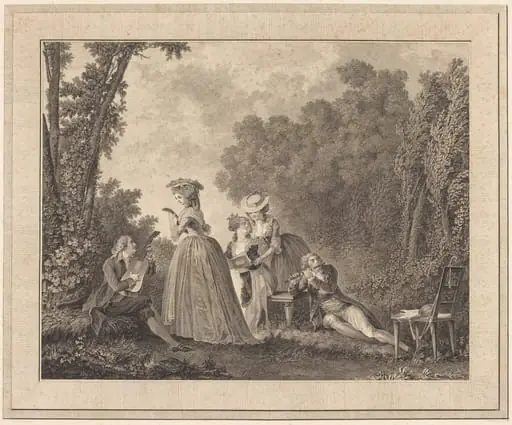
The composition presents a man and a woman standing within a garden setting. The woman, dressed in a flowing gown, cradles an infant, while the male figure leans on a walking stick and gazes toward her. The title suggests a moment of engagement or promised marriage, underscored by the intimate exchange of glances and the tranquil surrounding landscape.
Technique & Style
Created with the traditional copper-plate etching process, Chodowiecki employed fine line work to render delicate details such as the foliage, the architecture of a modest house, and the texture of clothing. His characteristic clarity of form and subtle tonal gradations convey depth while maintaining the crispness typical of late‑18th‑century German printmaking.
History & Provenance
Chodowiecki, who later directed the Berlin Academy of Art, produced *Bethrothal* while active in Berlin’s vibrant artistic community. The piece reflects his established reputation as an etcher and contributes to the body of work that secured his standing among contemporary printmakers. Its survival in museum collections attests to its continued relevance in studies of German Enlightenment art.
Artist & collection
Artist
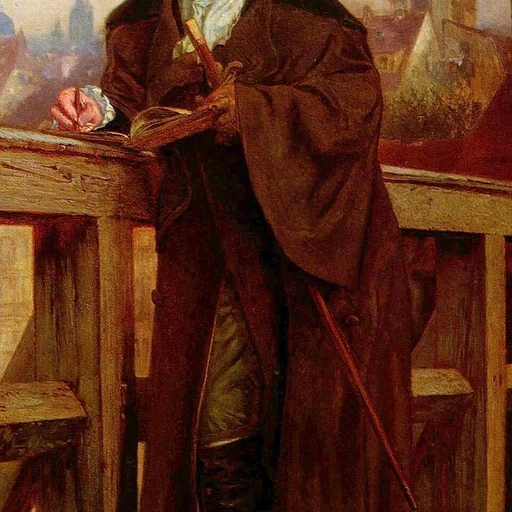
Daniel Niklaus Chodowiecki (16 October 1726 – 7 February 1801) was a German painter and printmaker of Huguenot and Polish ancestry, who is most famous as an etcher.