Artwork
Mansporträtt
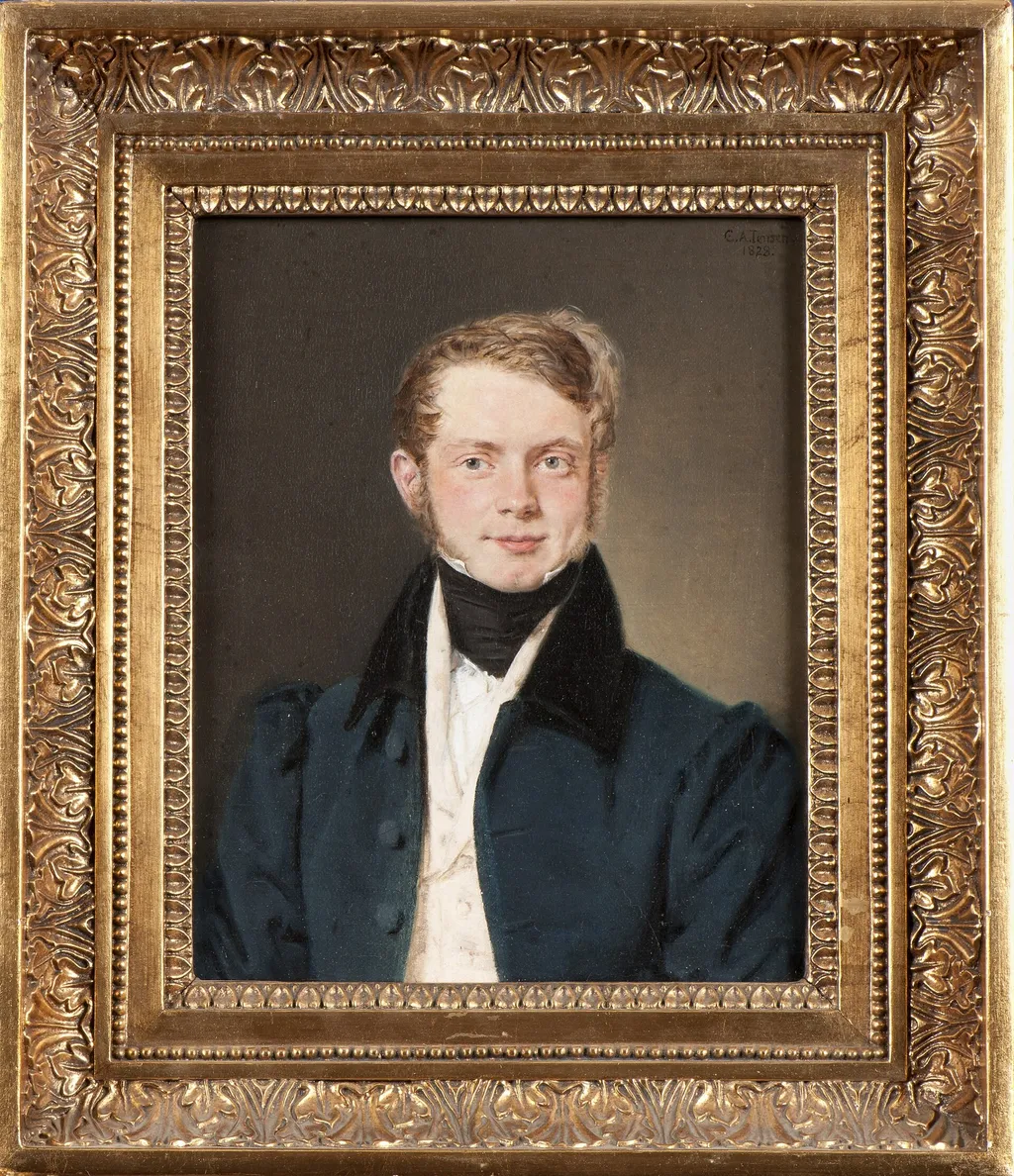
Mansporträtt is an oil painting by the Biedermeier artist Christian Albrecht Jensen. It dates from 1828 and is held in the collection of the Nationalmuseum.
About this work
The artist's use of oil paint creates a rich, detailed texture in the subject's clothing and facial features.
This portrait features a man with short, light-brown hair and a serious expression. He is dressed in a dark blue jacket over a white shirt, complemented by a black cravat.
The subject's attire and hairstyle suggest a formal setting, possibly from the early 19th century. The artist's use of oil paint creates a rich, detailed texture in the subject's clothing and facial features.
To explore more works by the artist behind this piece, look up Christian Albrecht Jensen.
Overview
Christian Albrecht Jensen painted this portrait in 1828, during the height of the Danish Golden Age. A prolific portraitist, he completed over four hundred likenesses of Denmark’s intellectual and cultural elite. This work exemplifies his precision in capturing individual presence through careful observation and controlled brushwork, reflecting the era’s preference for restrained, dignified representation.
Subject & Meaning
The sitter is a man of probable professional standing, rendered with solemn composure and minimal gesture. His dark blue jacket, white shirt, and black cravat signal formality without ostentation, aligning with Biedermeier ideals of modest dignity. The absence of symbolic props or elaborate settings focuses attention on character and quiet self-possession, suggesting an emphasis on inner life over social display.
Technique & Style
Jensen employed oil paint to achieve subtle gradations of tone and texture, particularly in the fabric of the jacket and the soft modeling of the face. The brushwork is deliberate but not overly refined, allowing the materiality of paint to enhance realism. Lighting is even and naturalistic, avoiding dramatic contrasts, which reinforces the portrait’s intimate, unadorned character.
History & Provenance
The painting has remained in the collection of the Nationalmuseum in Sweden since its acquisition, likely entering the museum through state or institutional channels in the 19th century. Its preservation reflects its status as a representative example of Nordic portraiture from the period, though the identity of the sitter remains unconfirmed in public records.
Context
Created during the Biedermeier period, the portrait aligns with broader Central European trends favoring domestic realism and emotional restraint. In Denmark, such works served both personal and cultural functions—documenting individuals while reinforcing ideals of civic virtue and quiet refinement amid political and social change.
Legacy
Jensen’s body of work helped define the visual language of Danish elite portraiture in the early 19th century. While less widely known internationally, his paintings remain important within Scandinavian art history for their fidelity to character and their role in shaping national visual identity during a period of cultural consolidation.
Artist & collection
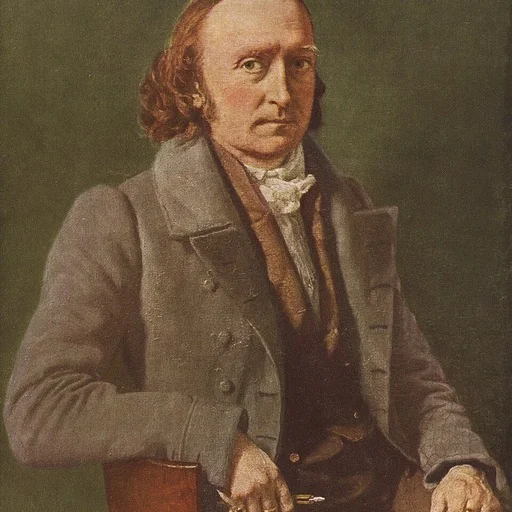
Artist
Christian Albrecht Jensen (26 June 1792 – 13 July 1870) was a Danish painter who specialised in portrait painting and was active during the Danish Golden Age.

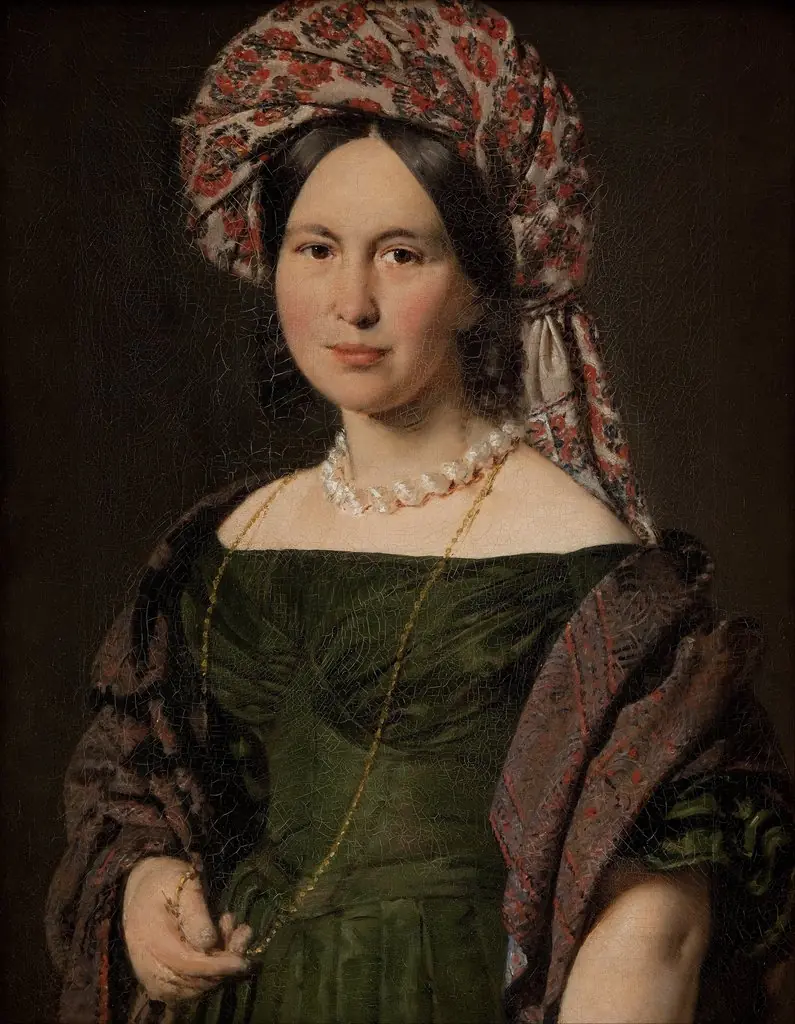 Portrait of Cathrine Jensen, née Lorenzen, the Artist's Wife Wearing a Turban
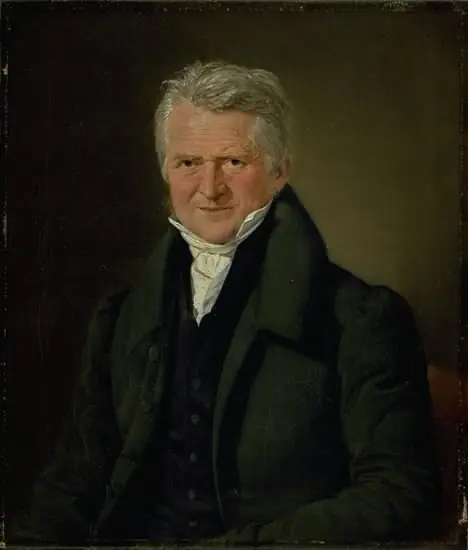 The Painter C.W. Eckersberg
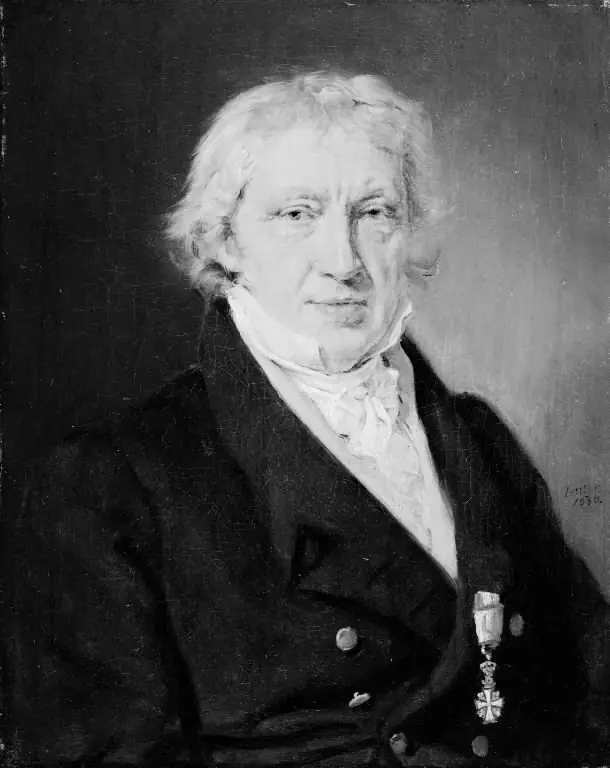 Portræt af Søren Nicolaus Johan Bloch, rektor ved Roskilde Kathedralskole
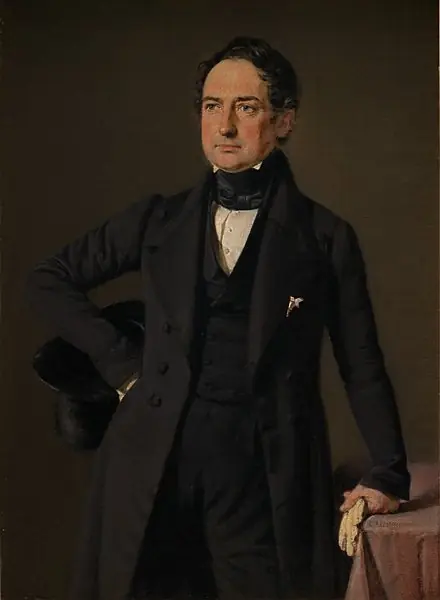 Fabriksdirektør Ole Jørgen Rawert
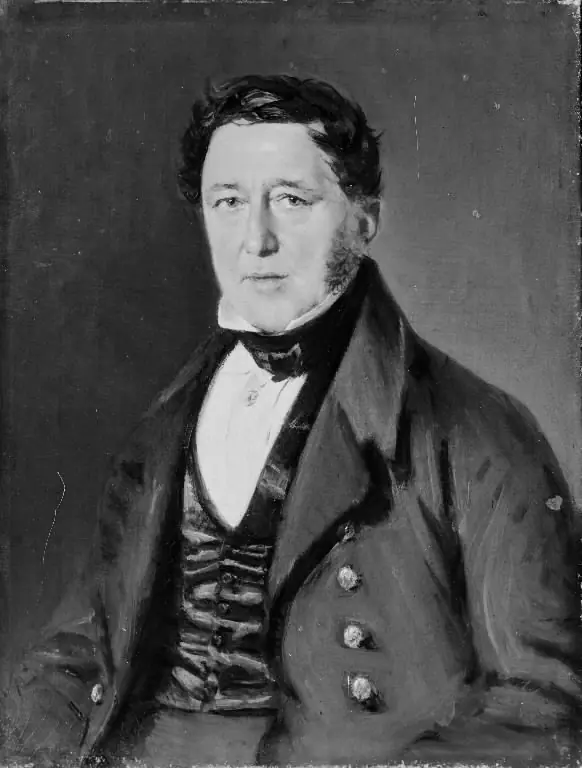 Peter Hiort Lorenzen, slesvigsk stænderdeputeret, kunstnerens svoger
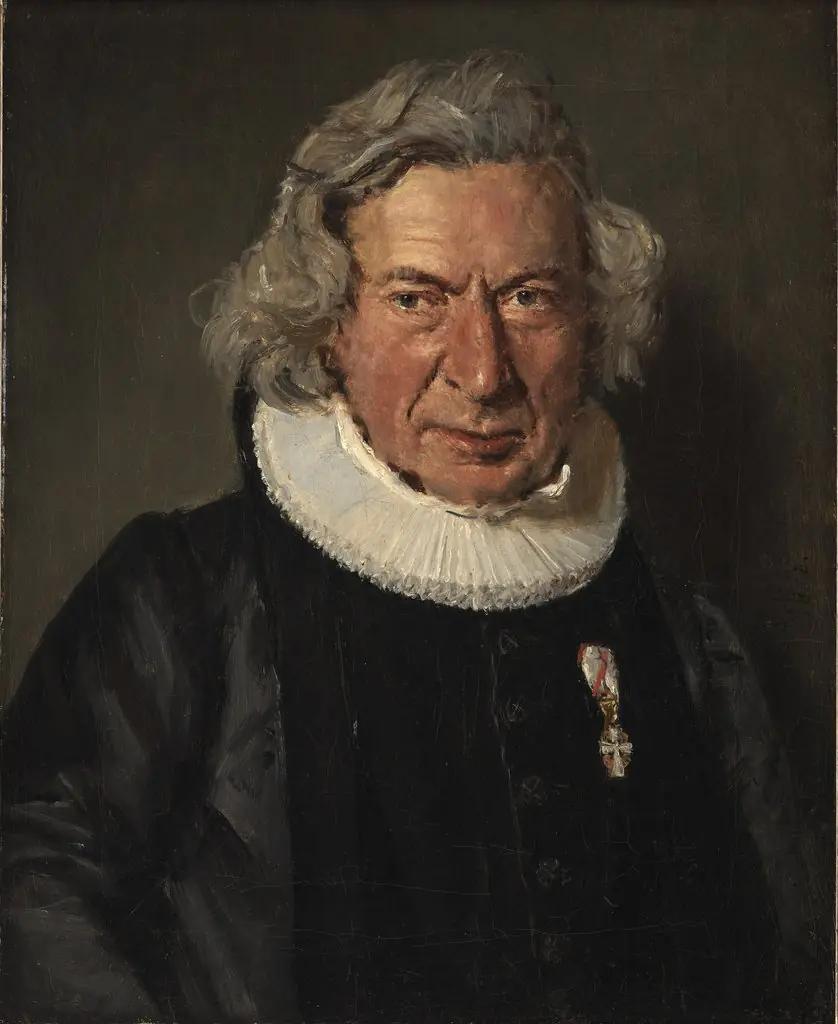 The Theologian Andreas Gottlob Rudelbach
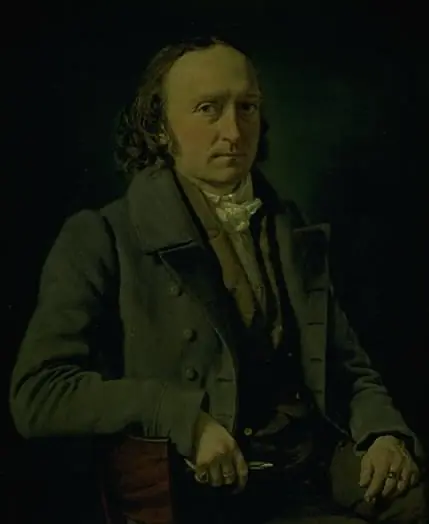 Self-Portrait
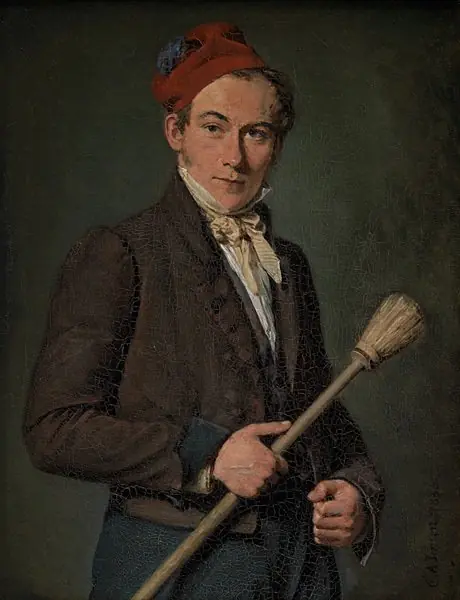 The Scene-Painter Troels Lund
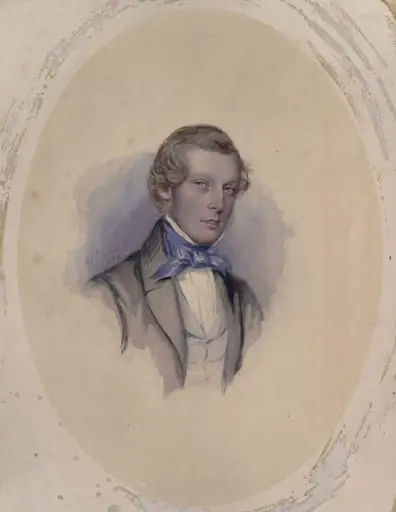 Henry Thornely
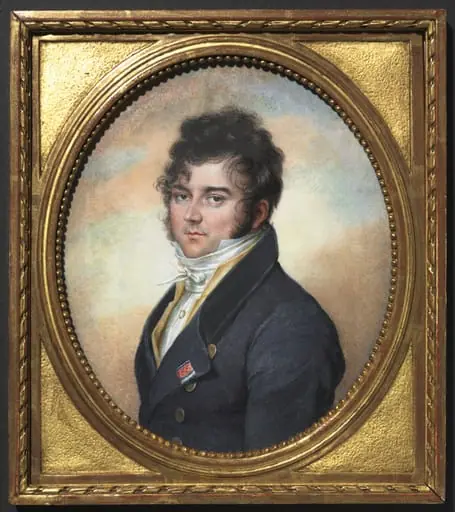 Portrait of a Man
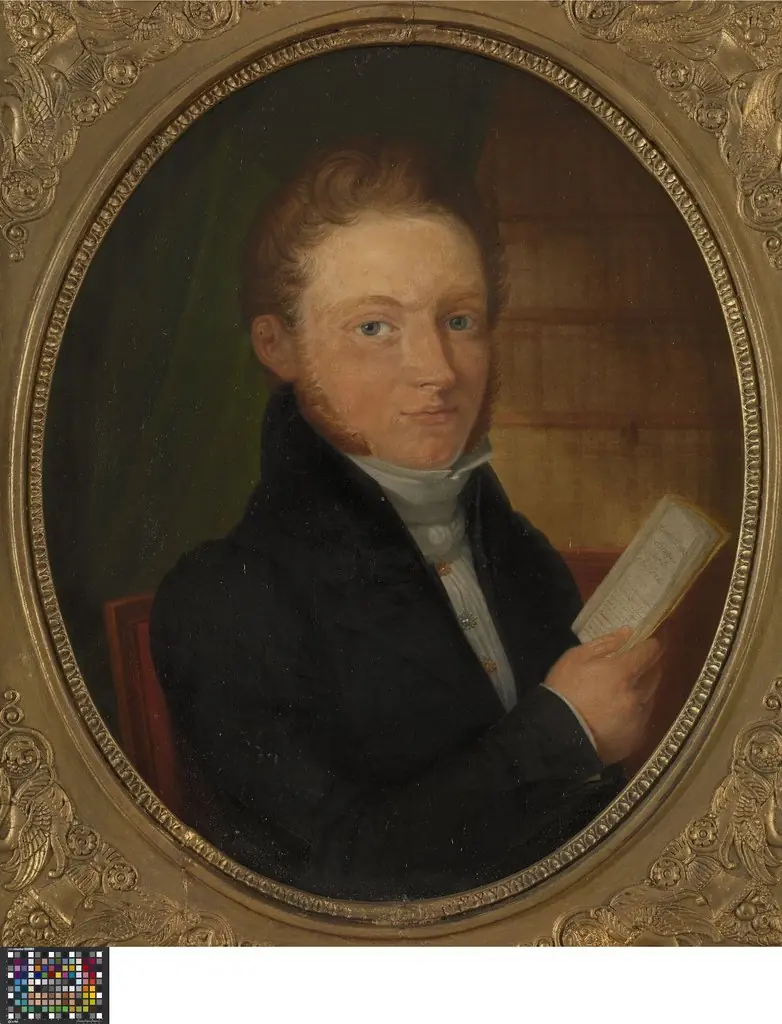 Portret van geneesheer Jacobus Lambrecht
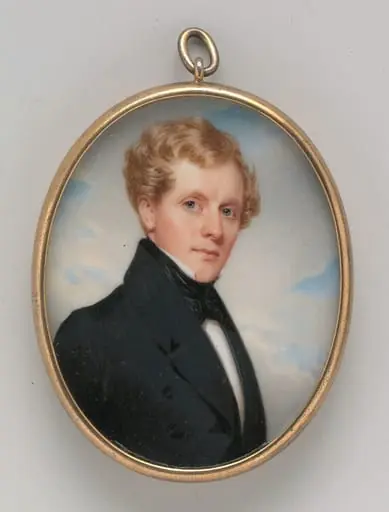 Portrait of a Gentleman
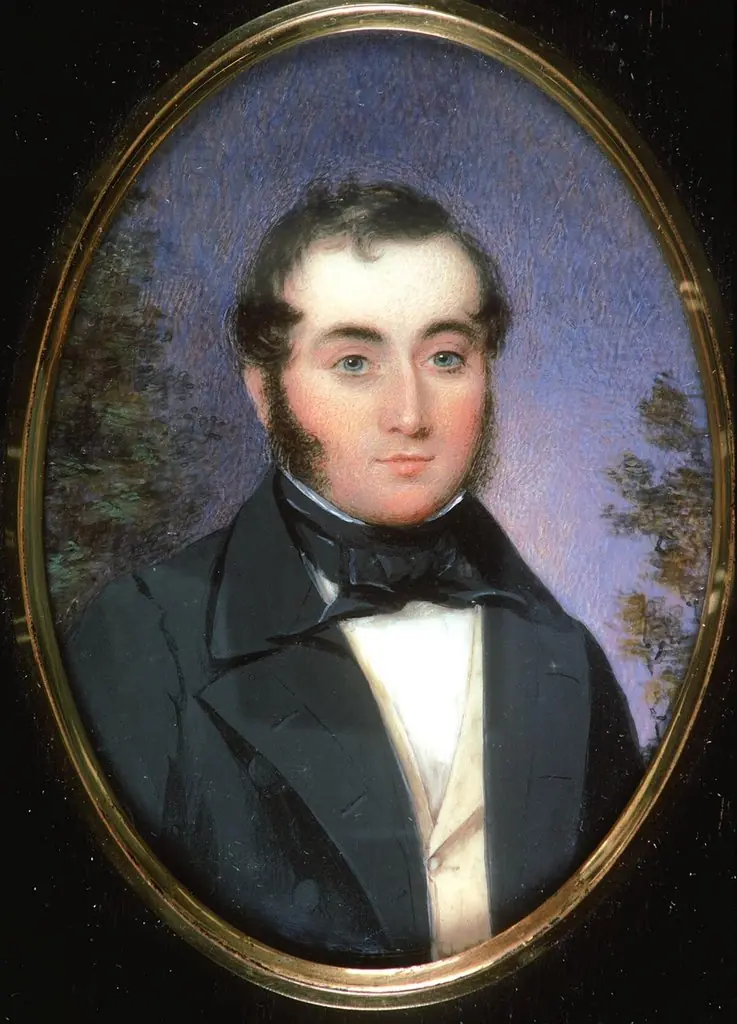 Gentleman in black coat
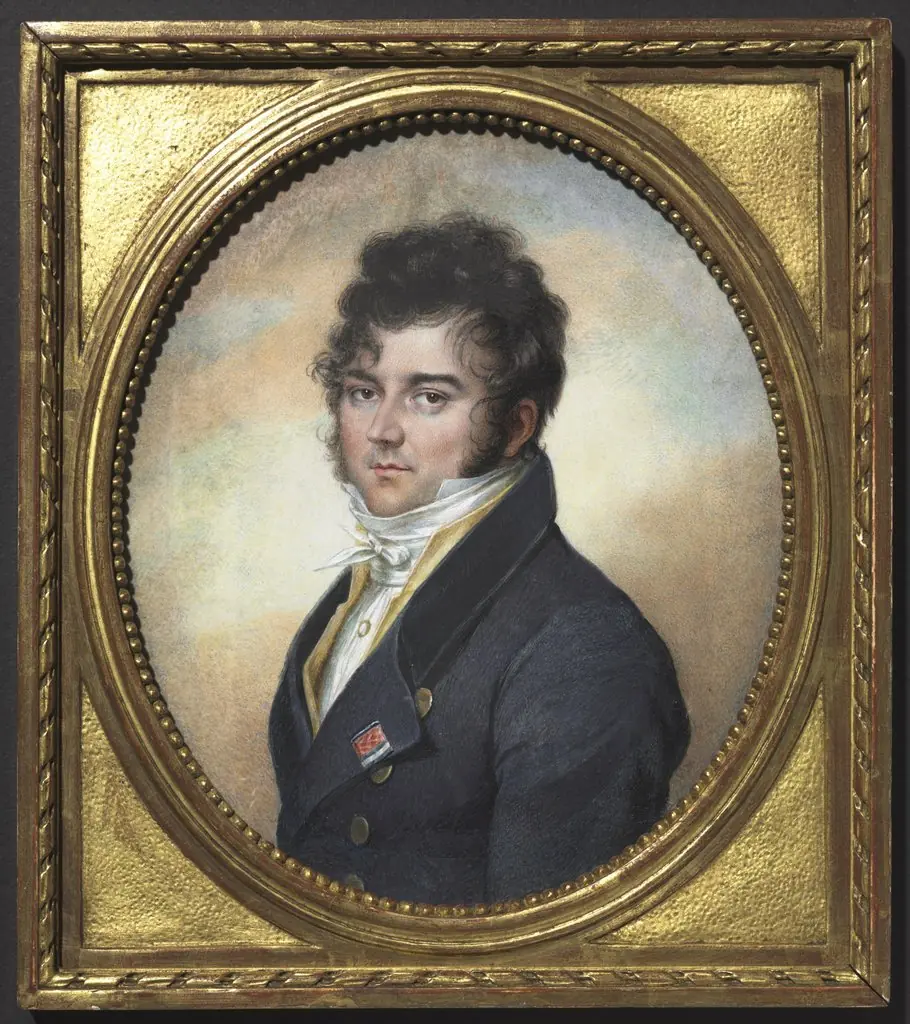 Portrait of a Man
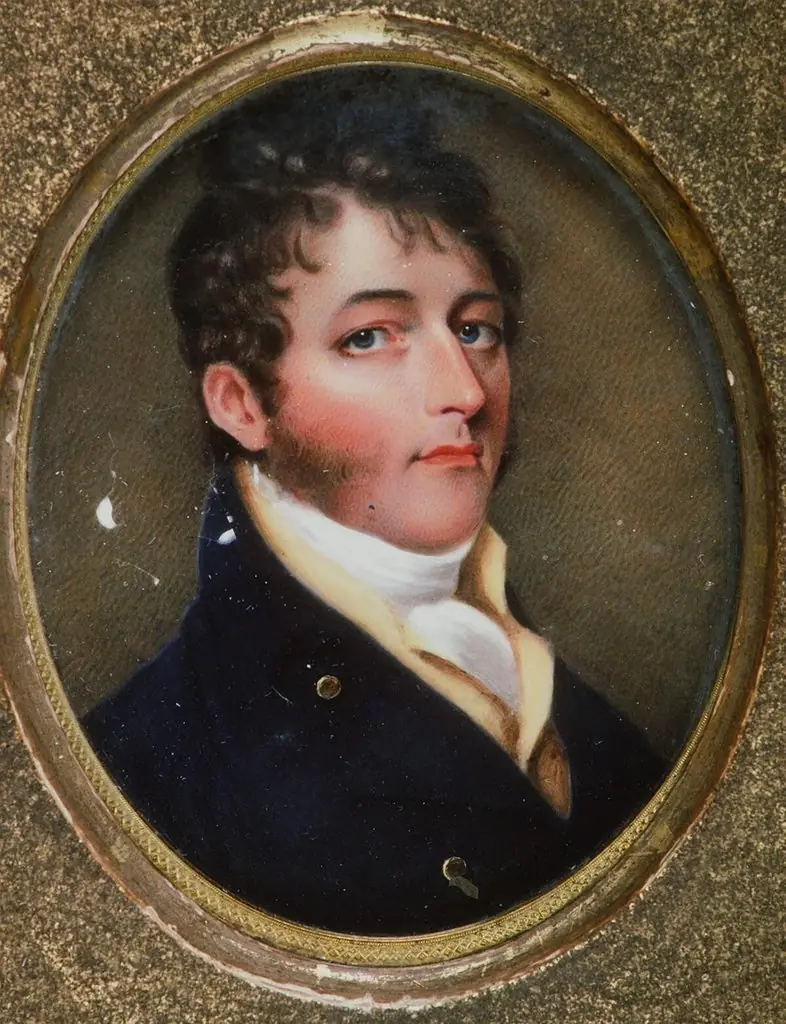 Pryse Pryse, Gogerddan
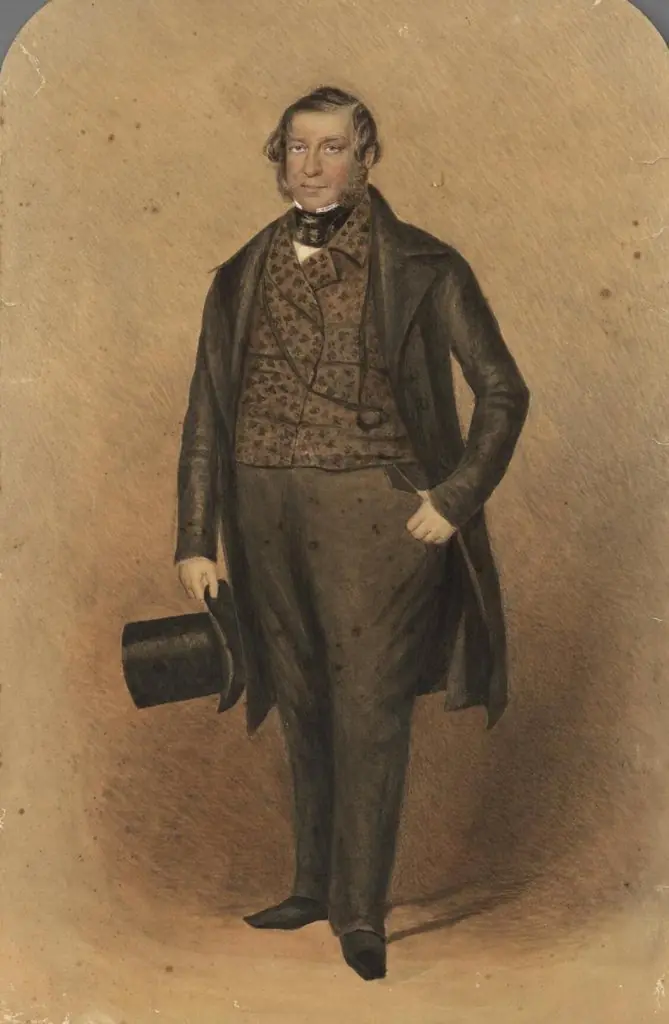 Frederick Augustus Jones
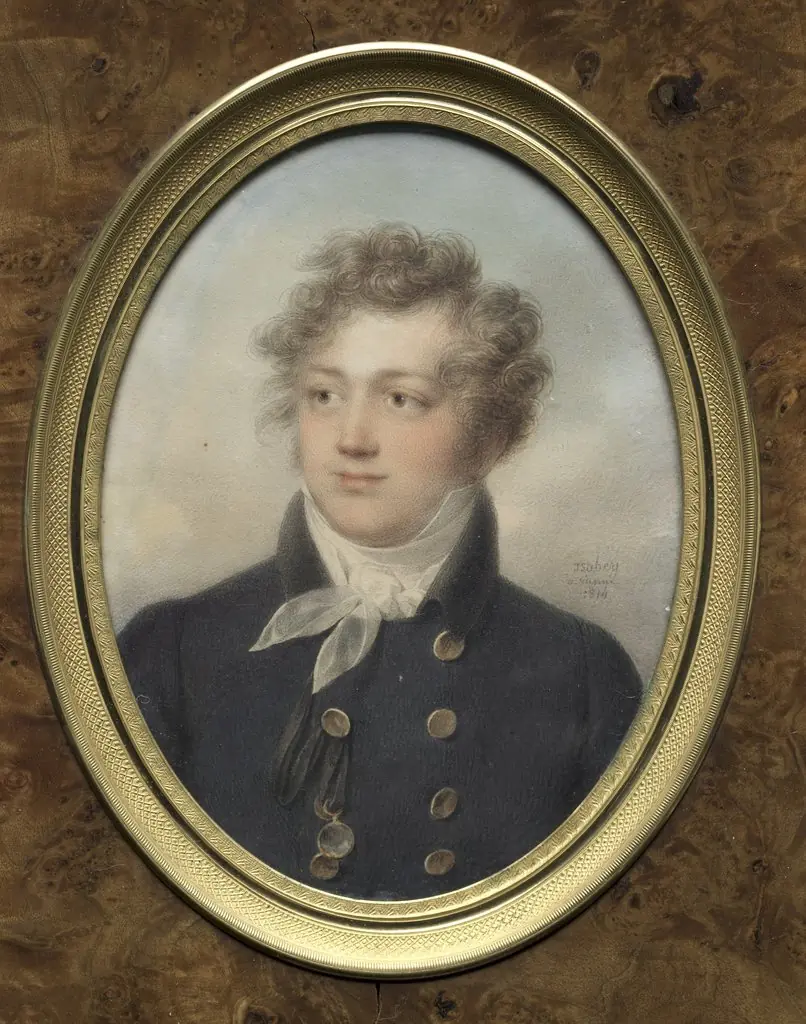 Portrait of a Man, possibly Alexander I, Emperor of Russia
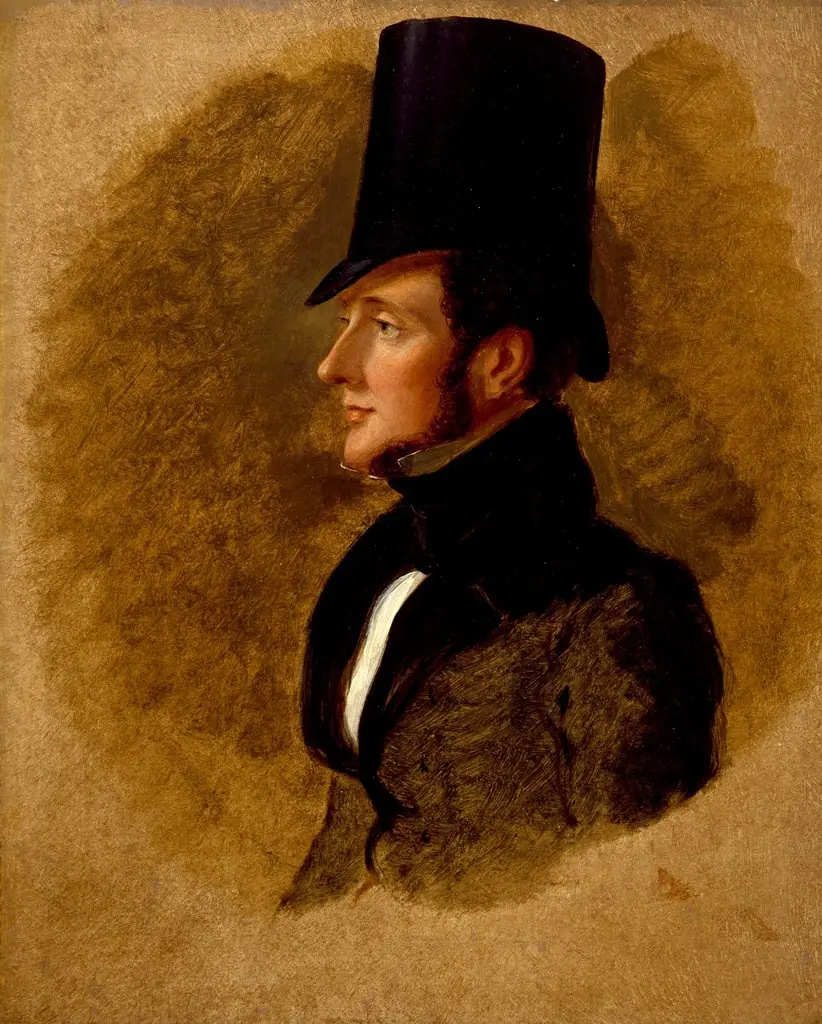 Fitzstephen French, M.P.
 Portrait of a Man, possibly Alexander I, Emperor of Russia
 Benjamin Daniel Greene