Artwork
Uden Hoved og Hale, II akt, 2. scene
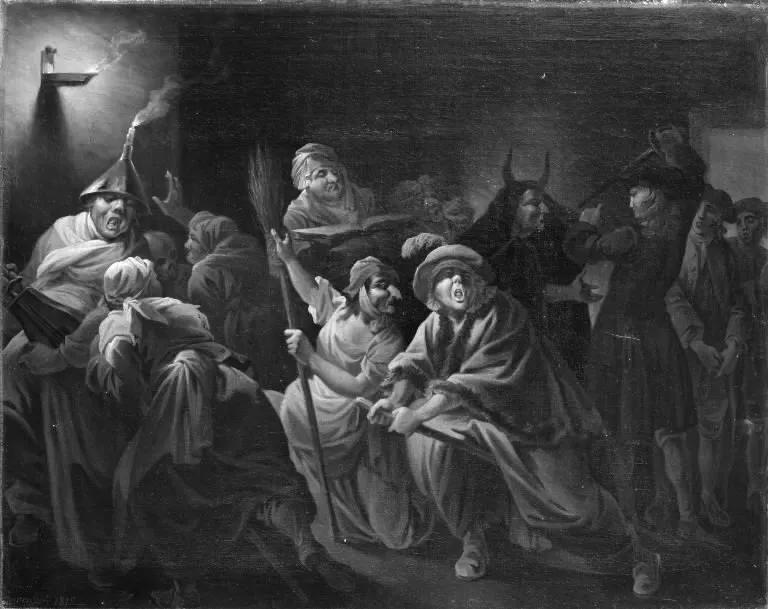
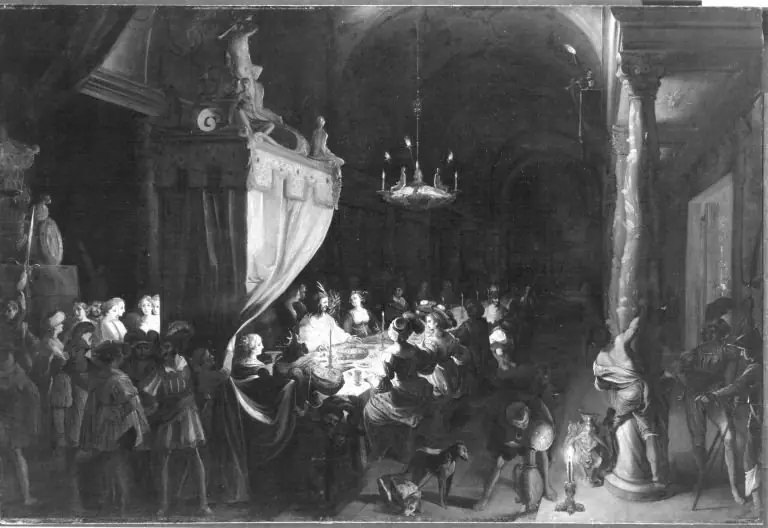
Uden Hoved og Hale, II akt, 2. scene is an oil painting by Christian August Lorentzen. It dates from 1815 and is held in the collection of the Statens Museum for Kunst. Uden Hoved og Hale, II akt, 2.
About this work
Overview
The work illustrates a moment of heightened emotion within a theatrical narrative, rendered with careful attention to gesture and lighting.
Uden Hoved og Hale, II akt, 2. scene is an 1815 oil painting by Danish artist Christian August Lorentzen. It is part of the collection at Statens Museum for Kunst in Copenhagen. The work illustrates a moment of heightened emotion within a theatrical narrative, rendered with careful attention to gesture and lighting. Its composition centers on a group of figures engaged in a tense, unspoken interaction.
Subject & Meaning
The painting captures a dramatic scene from a theatrical act, likely drawn from a contemporary or classical play. Figures, dressed in flowing robes and headgear, display varied postures suggesting panic, inquiry, or resistance. The absence of a clear narrative anchor invites interpretation, but the intensity of their expressions and gestures conveys a moment of crisis, possibly symbolic of moral or social upheaval.
Technique & Style
Lorentzen employs chiaroscuro to model the figures against a deep, receding background, enhancing their three-dimensionality and emotional weight. Light falls selectively across faces and hands, drawing focus to gestures and expressions. The palette is restrained, with warm tones emerging from shadow, creating a stark contrast that amplifies the scene’s psychological tension without overt colorism.
History & Provenance
Painted in 1815, the work entered the collection of Statens Museum for Kunst in Copenhagen, where it remains today. It was created during a period when Danish art was increasingly engaged with theatrical and literary themes. Lorentzen, known for historical and genre scenes, likely produced this piece as part of a series tied to a specific stage production, though the exact source remains unconfirmed.
Context
In early 19th-century Denmark, painting often intersected with theater, reflecting broader cultural interests in narrative and emotion. Lorentzen’s work aligns with a trend among Nordic artists to translate dramatic literature into visual form. This painting reflects the era’s fascination with psychological depth and moral ambiguity, moving beyond mere illustration toward expressive storytelling.
Legacy
Though not widely exhibited outside Denmark, the painting exemplifies Lorentzen’s skill in conveying narrative tension through light and posture. It contributes to the understanding of Danish Romanticism’s quieter, introspective strand—less focused on grandeur than on intimate, human moments of crisis. Its preservation in the national collection underscores its role in documenting Denmark’s artistic engagement with theater.
Artist & collection
Artist
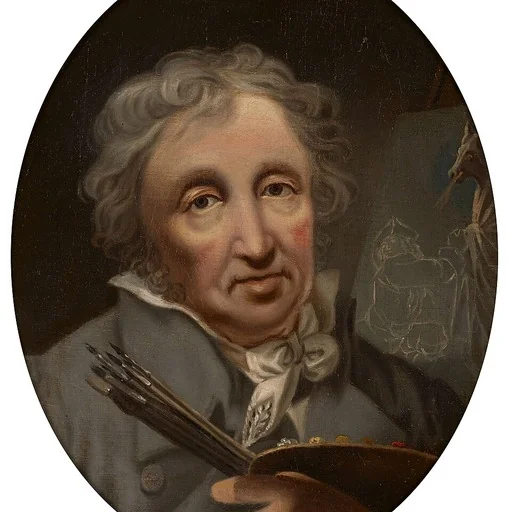
Christian August Lorentzen (1749–1828) was an artist, born in Sønderborg.

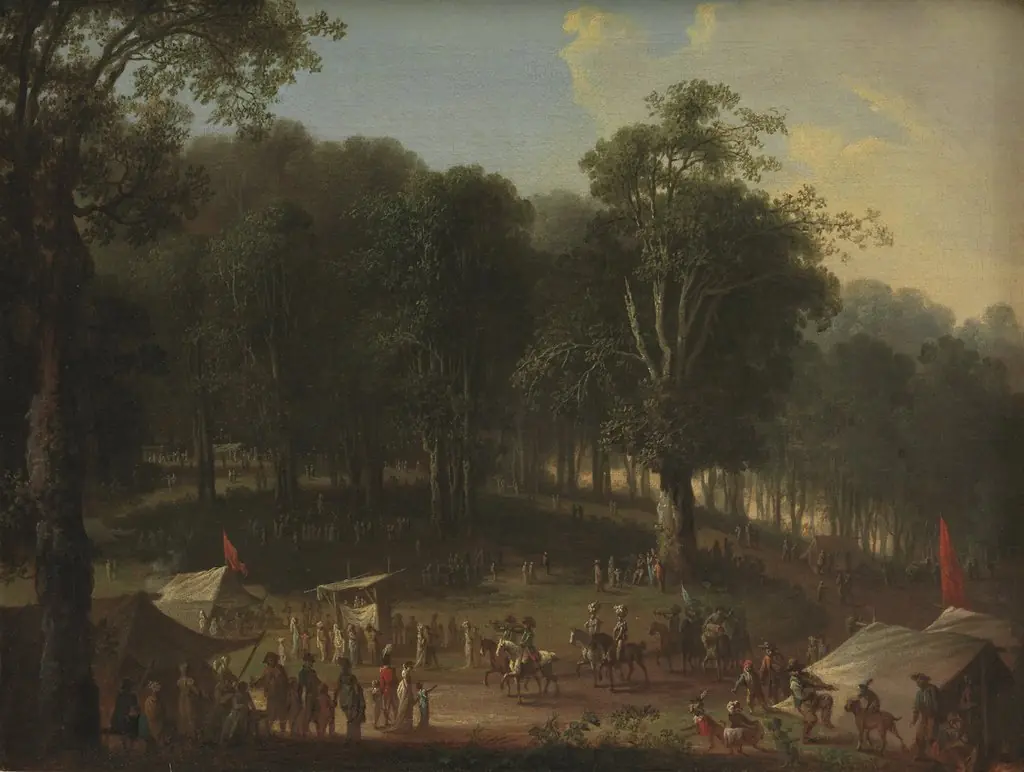 A Troup of Performers Arriving at the Fair at Dyrehavsbakken Near the Deer Park, North of Copenhagen
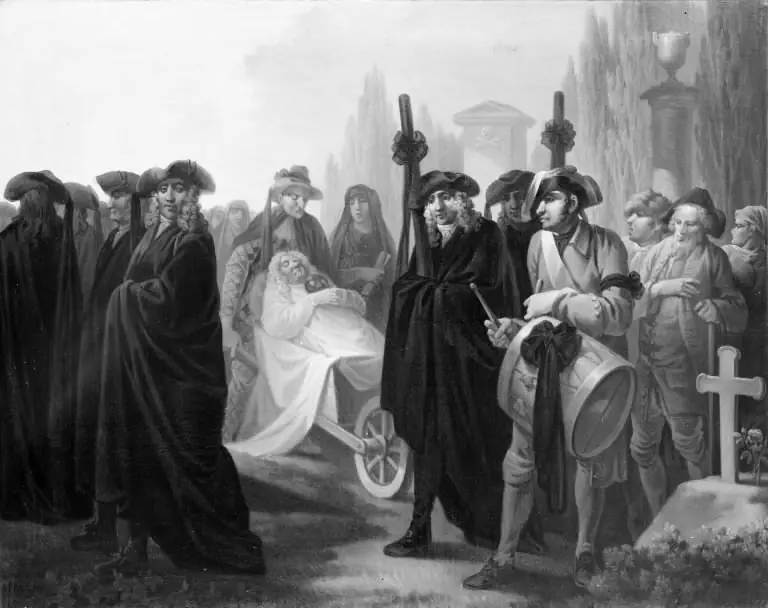 Den danske Comedies Ligbegængelse, 5. scene
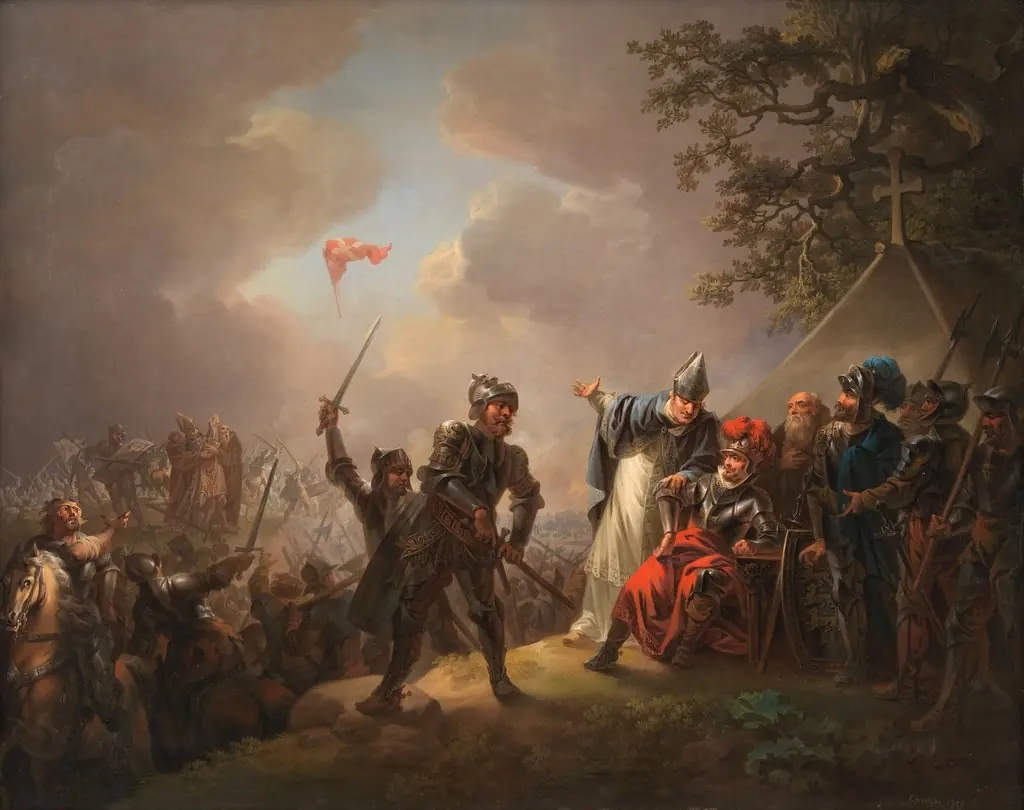 The Legend of the Danish Flag (the Dannebrog) Falling from the Heavens during the Battle of Lyndanise in Estonia in 1219
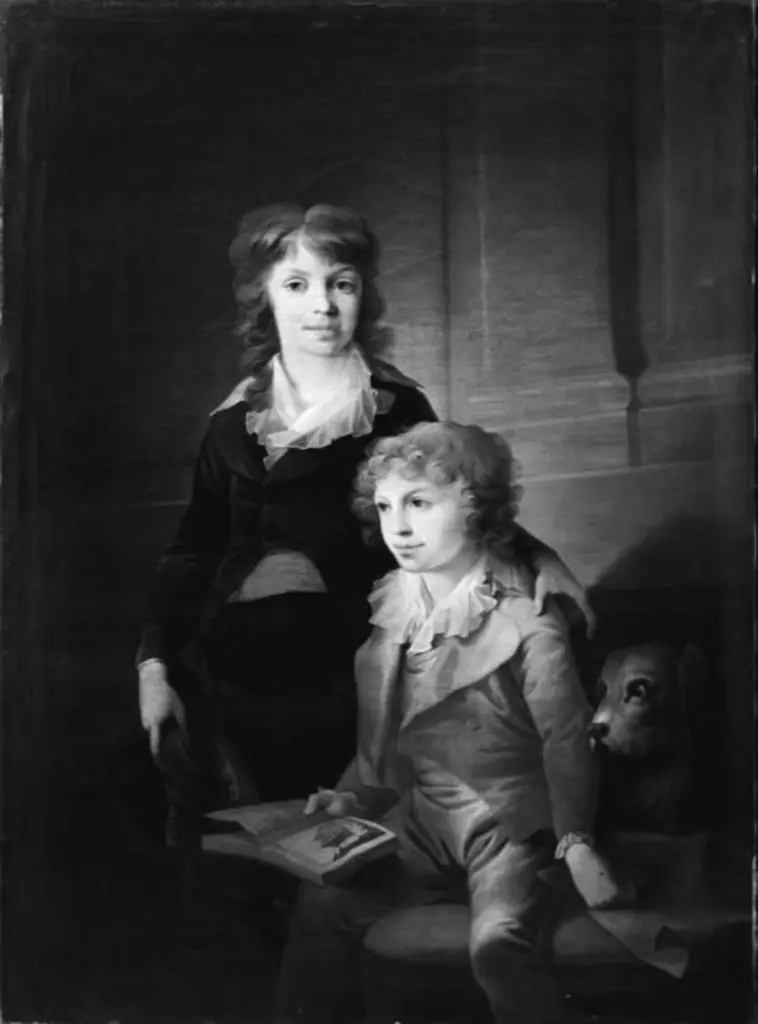 To ynglinge med en hund
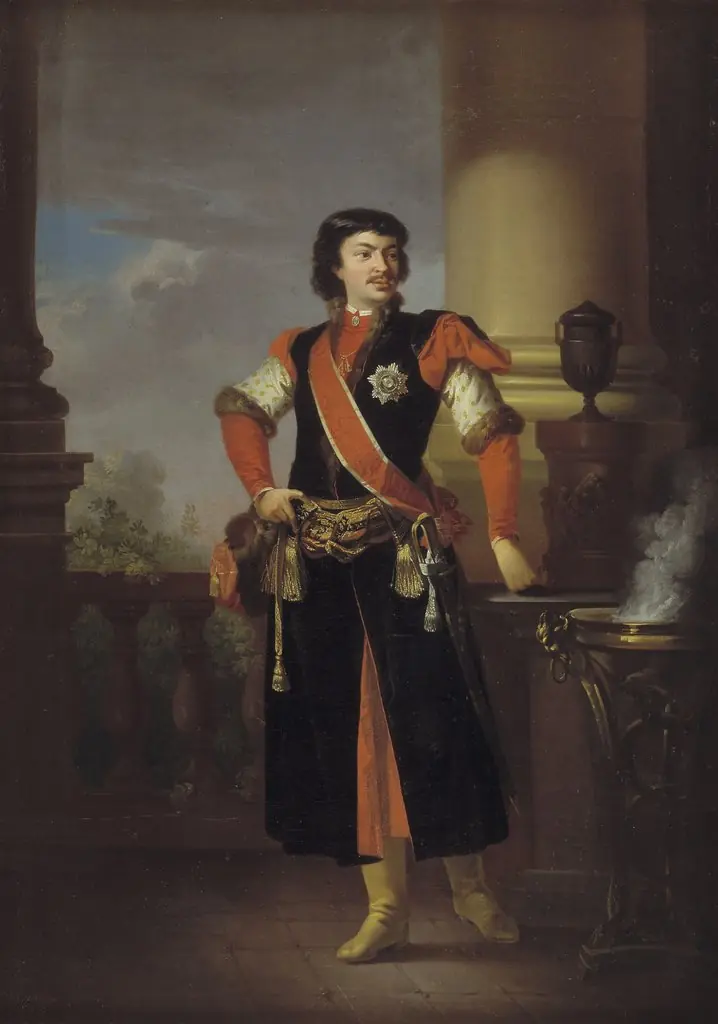 Portrait of Count Rzewuski, Polish Ambassador to Denmark
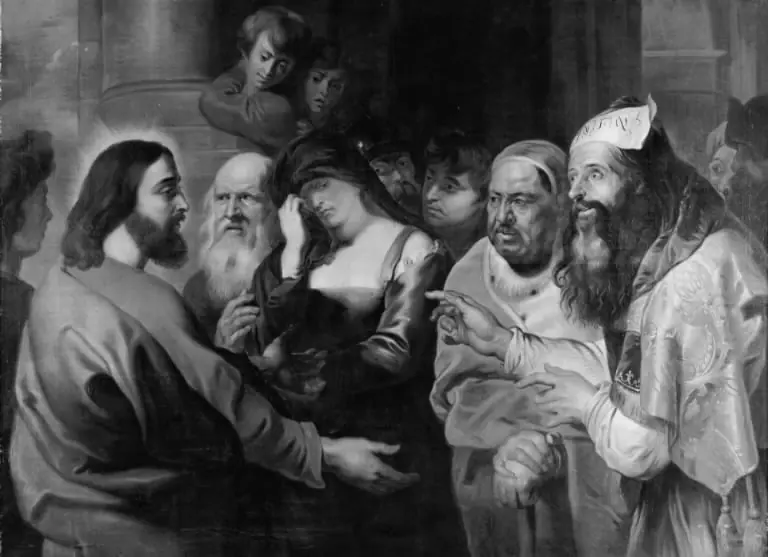 Kristus og synderinden
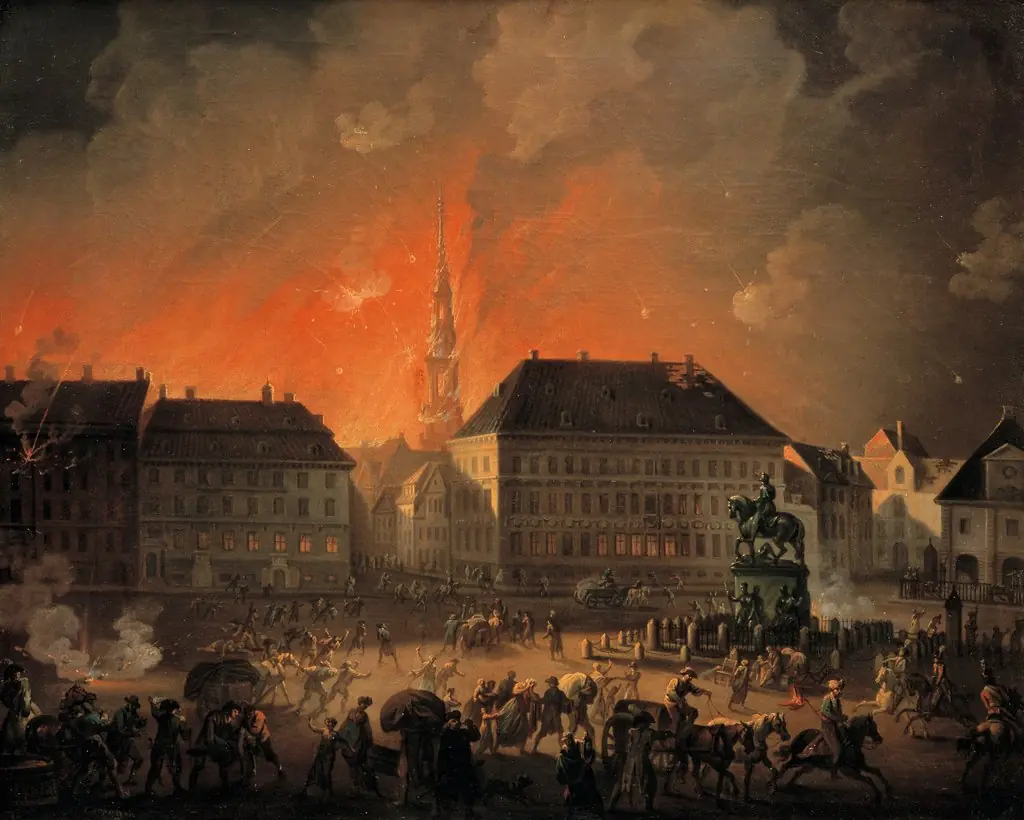 The Most Terrible Night. View of Kongens Nytorv in Copenhagen During the English Bombardement of Copenhagen at Night between 4 and 5 September 1807
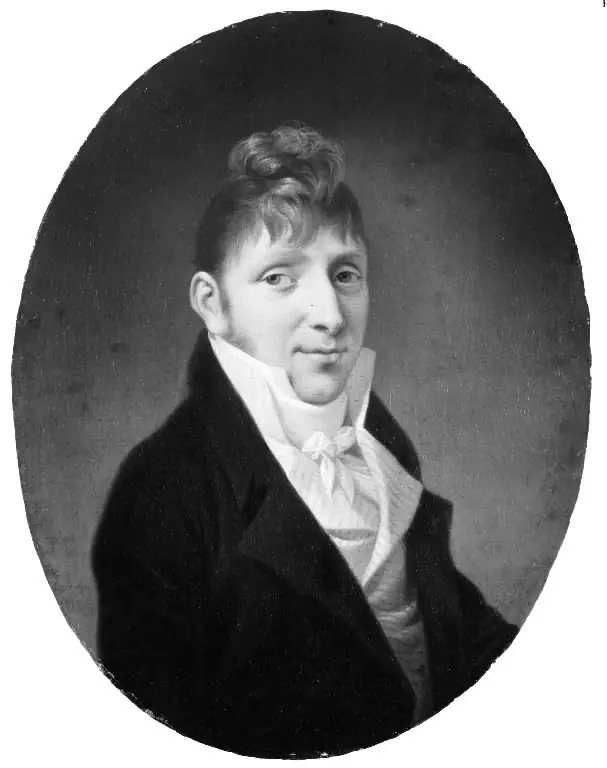 Mandsportræt