Artwork
Lippmann Berlin
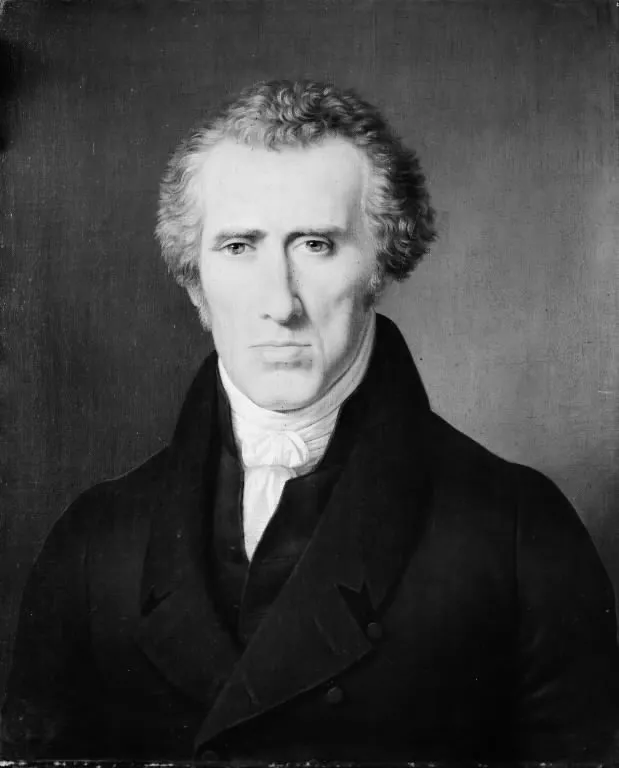
Lippmann Berlin is an oil painting by the Biedermeier artist Christoffer Wilhelm Eckersberg. It dates from 1825 and is held in the collection of the Statens Museum for Kunst.
About this work
Overview
Lippmann Berlin is an 1825 oil-on-canvas portrait by Christoffer Wilhelm Eckersberg, a pivotal figure in Danish painting. The work is housed at Statens Museum for Kunst.
Subject & Meaning
The painting depicts a man with short, curly hair, dressed in a formal, buttoned dark jacket, white shirt with a high collar, and a black vest, set against a plain gray background. His serious expression and direct gaze convey a sense of calm formality, characteristic of the Biedermeier period's emphasis on intimate, detailed portraiture.
Technique & Style
Eckersberg's use of oil paint on canvas in Lippmann Berlin exemplifies the Biedermeier style, marked by meticulous attention to detail and a subdued color palette, here evident in the monochromatic background and the subject's somber attire.
History & Provenance
Created in 1825, the painting is part of the Statens Museum for Kunst's collection, reflecting Eckersberg's influence during the Biedermeier era.
Context
Lippmann Berlin was produced during the Biedermeier period, a time when European art, particularly in Northern Europe, valued simplicity, realism, and the depiction of everyday life and individuals in a more subdued and introspective manner.
Legacy
As a work by Eckersberg, often termed the 'Father of Danish painting,' Lippmann Berlin contributes to the broader legacy of Danish art's development, showcasing the artist's role in shaping the country's painterly traditions.
Artist & collection
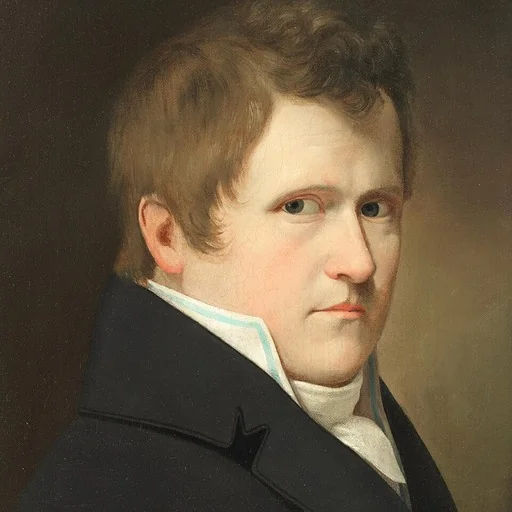
Artist
Christoffer Wilhelm Eckersberg
Christoffer Wilhelm Eckersberg (2 January 1783 – 22 July 1853) was a Danish painter.

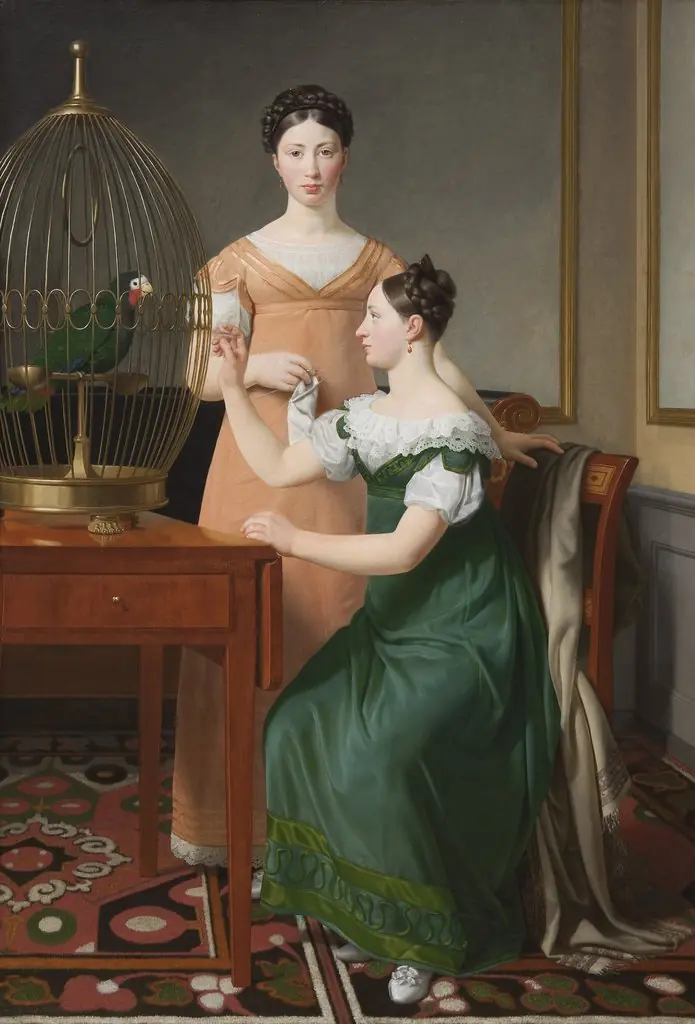 Bella and Hanna. The Eldest Daughters of M. L. Nathanson
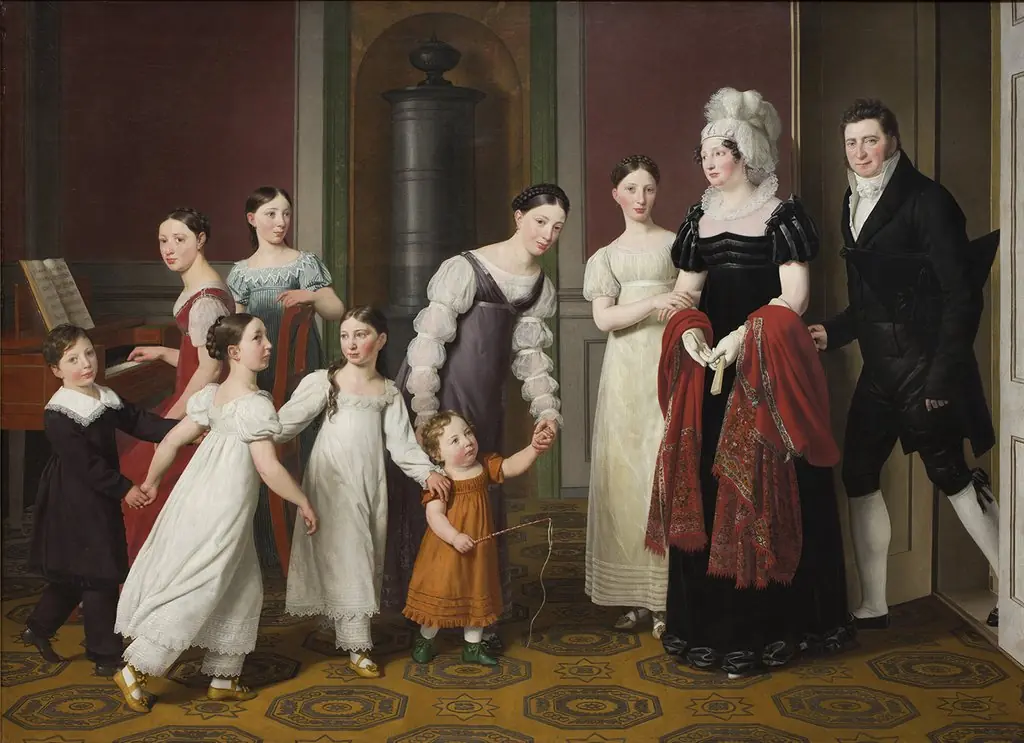 Familien Nathanson
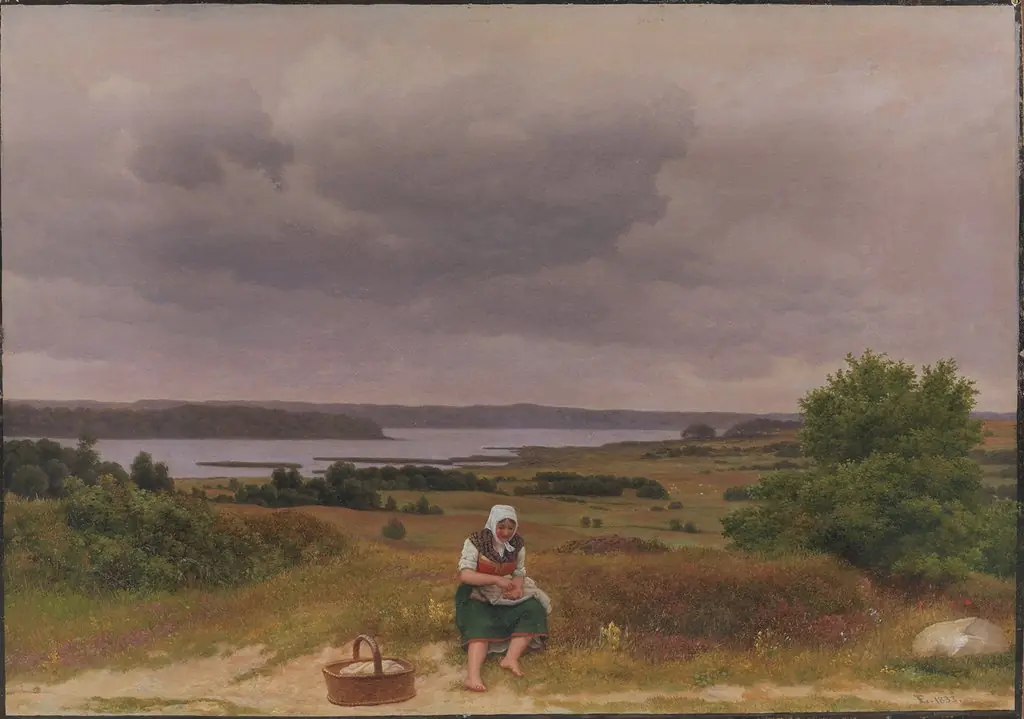 View of Lake Fure near Rudersdal, North Sealand.
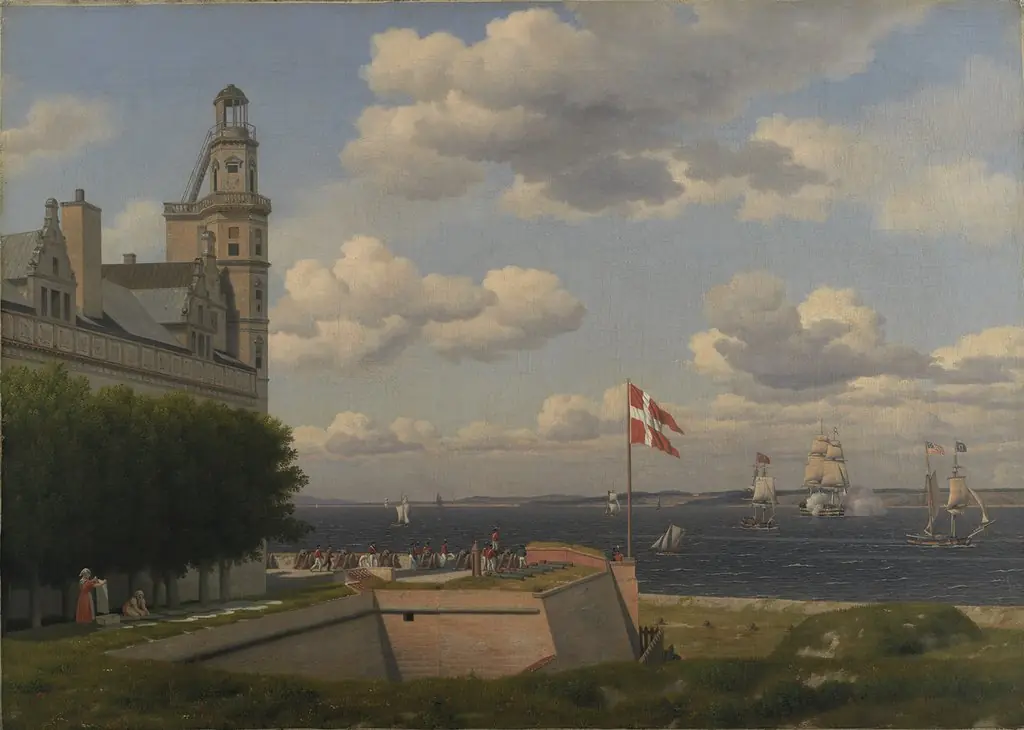 A View towards the Swedish Coast from the Ramparts of Kronborg Castle
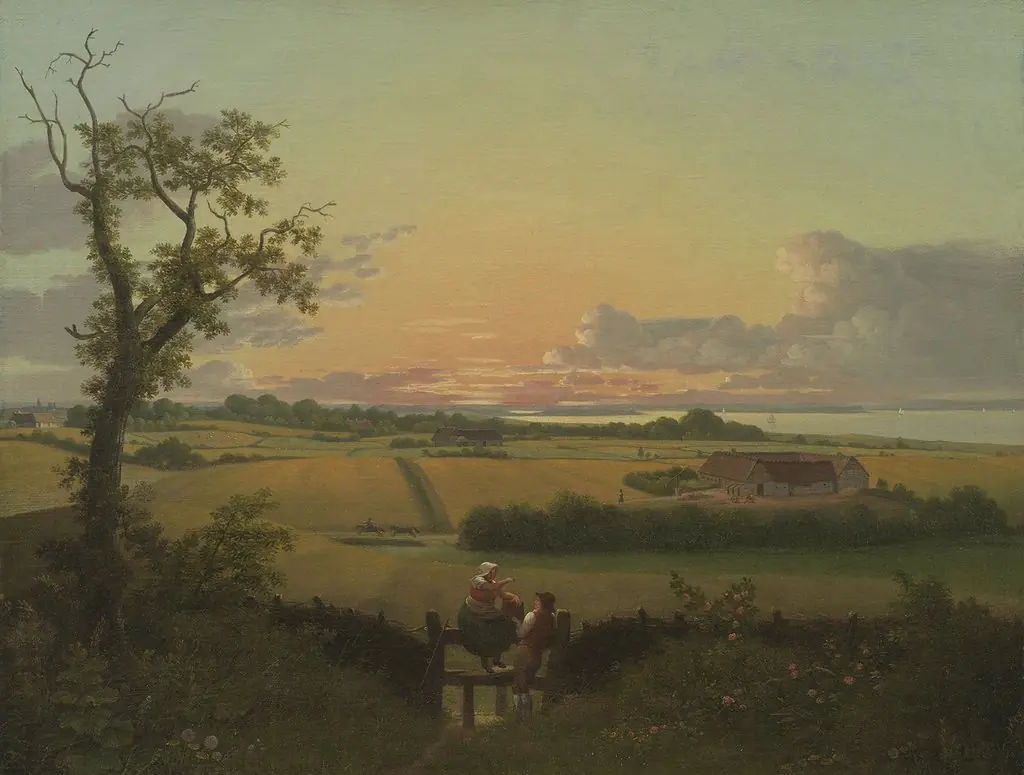 Landscape with a Stile. The Isle of Møn
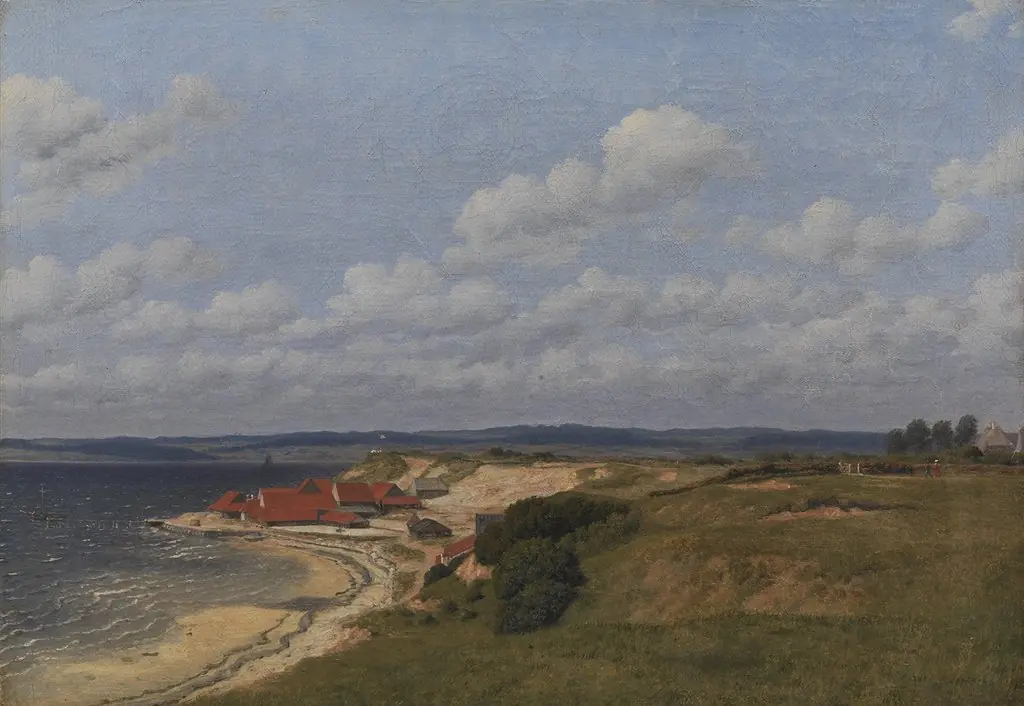 Renbjærg Tileworks by Flensburg Fiord
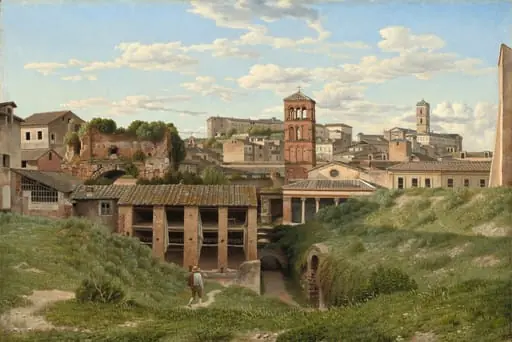 View of the Cloaca Maxima, Rome
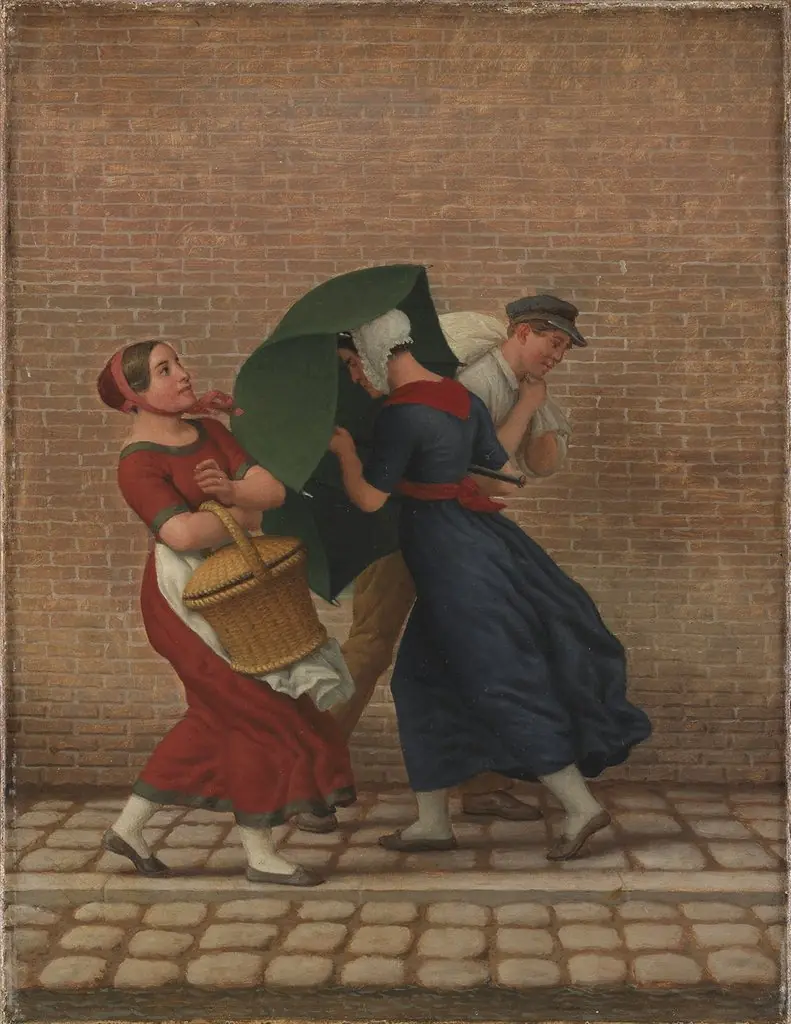 Street Scene in Windy and Rainy Weather
 Meriwether Lewis
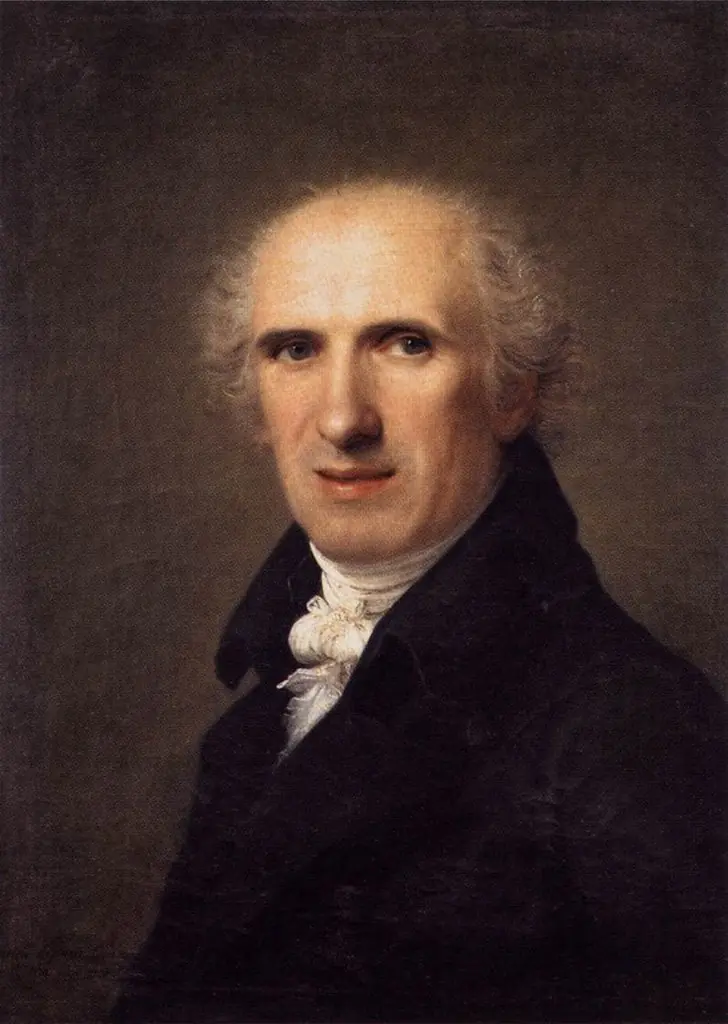 Portrait of Antonio Canova
 Vapaaherra Lars Gabriel von Haartman
 Portrait of Count D.A. Zubov
 François, Marquis of Barbé-Marbois (1745-1837)
 Dr. John Warren
 Martin Luther Hurlbut
 Martin Luther Hurlbut
 Portrait of Daniel Francis Schas, from 1814 to 1820 Member of the Board of Commerce for the Colonies
 Timothy Pickering
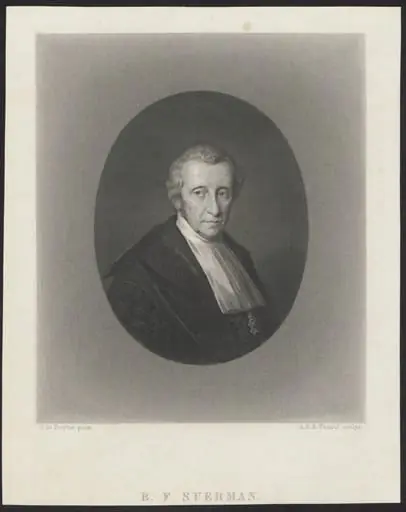 Portrait of B.F. SUERMAN
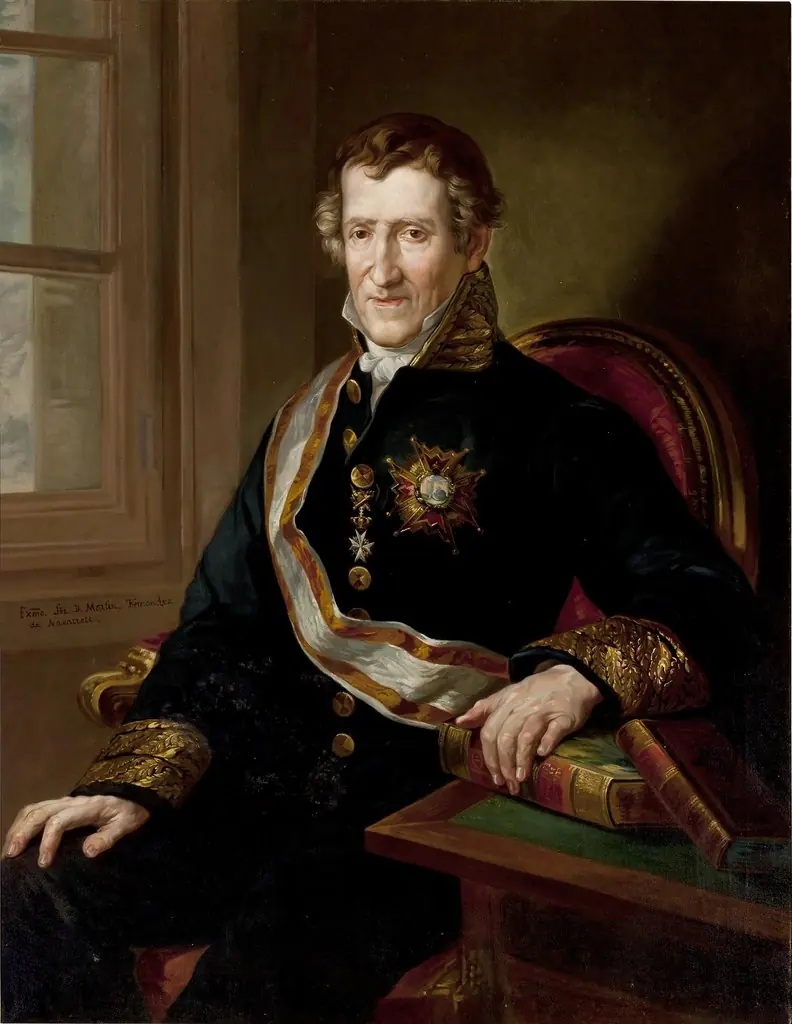 Martín Fernández de Navarrete (copia)