Artwork
The Parcae: Clotho, Lachesis and Atropos Spinning the Thread of Life
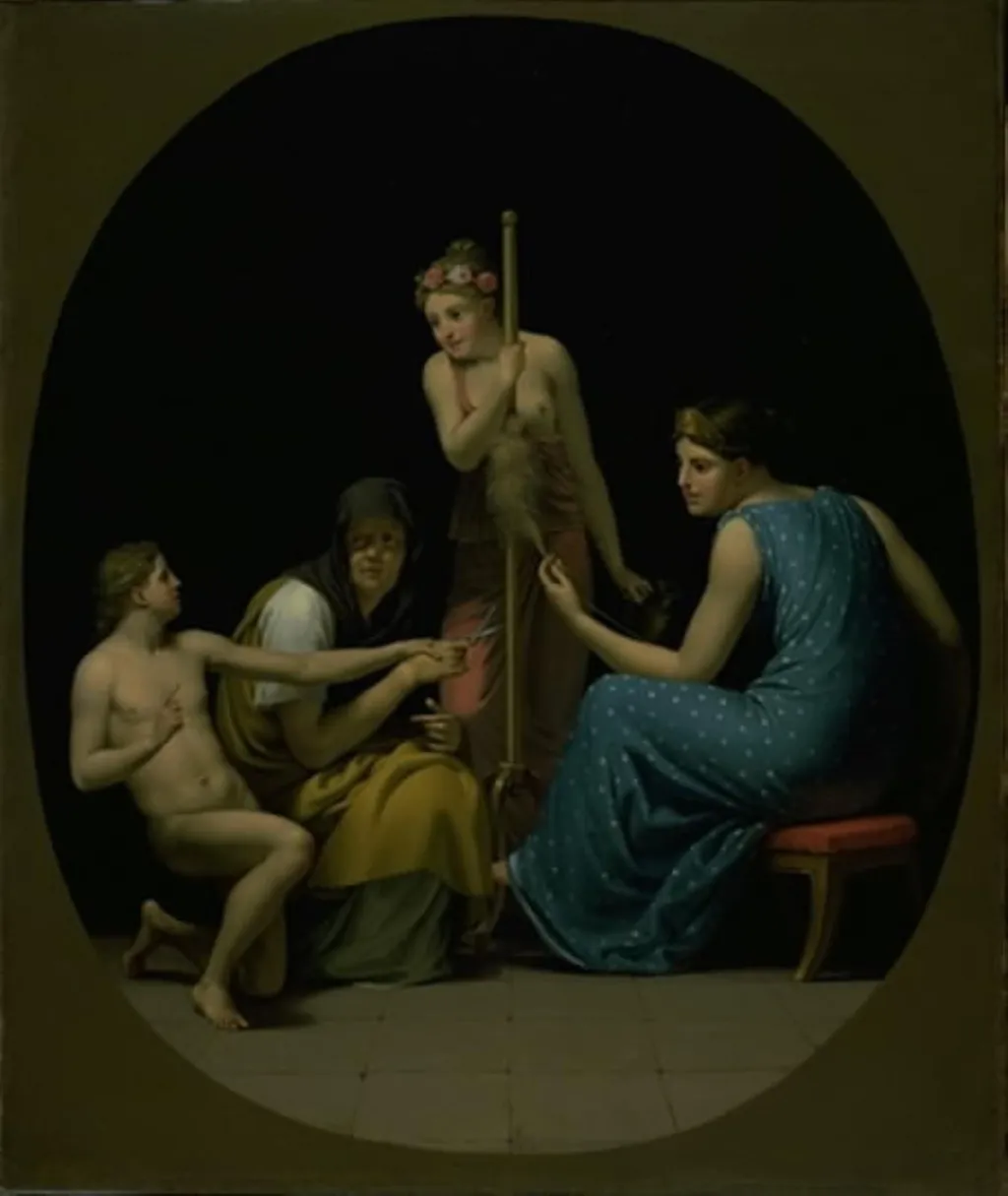
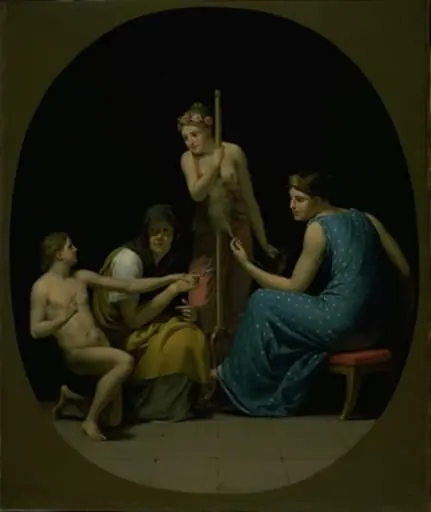
The Parcae: Clotho, Lachesis and Atropos Spinning the Thread of Life is an oil painting by Christoffer Wilhelm Eckersberg. It dates from 1808 and is held in the collection of the Statens Museum for Kunst.
About this work
Overview
Executed during the early phase of Denmark’s artistic revival, the painting reflects Eckersberg’s academic training and his commitment to classical themes.
Painted in 1808 by Christoffer Wilhelm Eckersberg, this oil work portrays the three Greek Fates—Clotho, Lachesis, and Atropos—as they perform their roles in determining human destiny. Executed during the early phase of Denmark’s artistic revival, the painting reflects Eckersberg’s academic training and his commitment to classical themes. It remains part of the permanent collection at Statens Museum for Kunst in Copenhagen.
Subject & Meaning
The three figures represent the inexorable passage of life: Clotho spins the thread, Lachesis measures its length, and Atropos severs it. Their quiet, focused gestures convey inevitability rather than drama. The absence of narrative action or emotional expression underscores the impersonal nature of fate. The composition avoids mythological spectacle, instead emphasizing solemn ritual and the quiet gravity of mortality.
Technique & Style
Eckersberg employs a restrained palette dominated by earth tones and muted blues, with light falling from the left to model the figures with subtle gradations. The dark background isolates the women, heightening their symbolic presence. Forms are rendered with precise draftsmanship, reflecting his Neoclassical training. The textures of fabric, skin, and spindle are rendered with quiet realism, avoiding theatricality in favor of contemplative clarity.
History & Provenance
Completed in 1808, the painting was created shortly after Eckersberg returned from studies in Paris and Rome. It was among his early major works that helped define a distinctly Danish approach to classical subjects. The work entered the collection of Statens Museum for Kunst in the 19th century and has remained there since, serving as a touchstone for Denmark’s emerging national art identity.
Context
In early 19th-century Denmark, artists sought to establish a cultural identity separate from foreign influence. Eckersberg’s return from abroad coincided with a broader movement to revive classical ideals through local interpretation. This painting reflects that ambition: mythological subject matter rendered with Nordic restraint, aligning with Enlightenment values of reason and order over romantic excess.
Legacy
The painting is regarded as a foundational work in the development of Danish academic painting. It influenced a generation of artists who followed Eckersberg’s emphasis on disciplined composition and classical themes. Though not widely exhibited outside Denmark, it remains a key reference in studies of Nordic Neoclassicism and the transition from Baroque drama to introspective realism.
Artist & collection
Artist
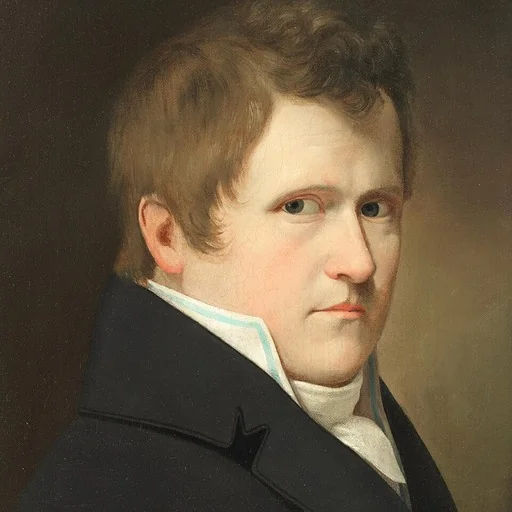
Christoffer Wilhelm Eckersberg
Christoffer Wilhelm Eckersberg (2 January 1783 – 22 July 1853) was a Danish painter.

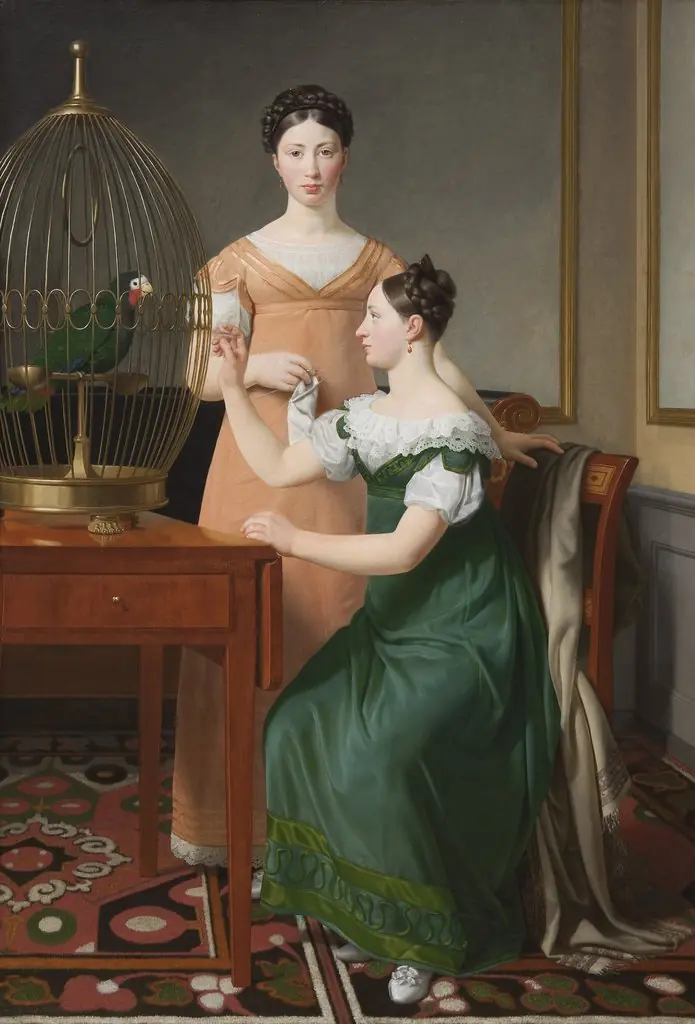 Bella and Hanna. The Eldest Daughters of M. L. Nathanson
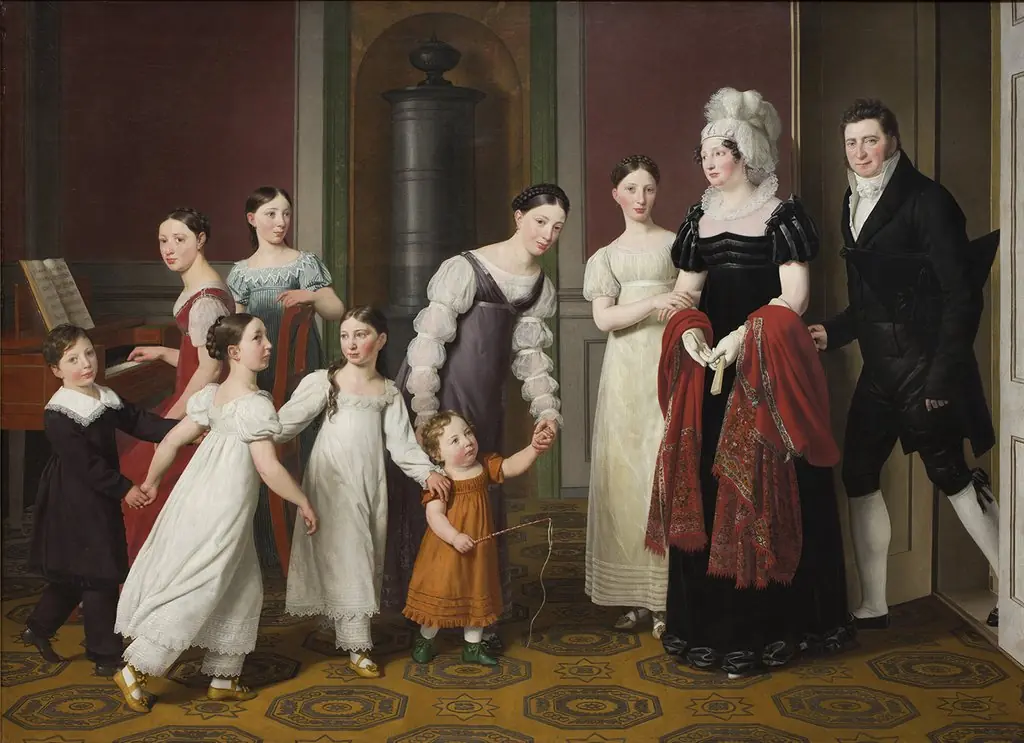 Familien Nathanson
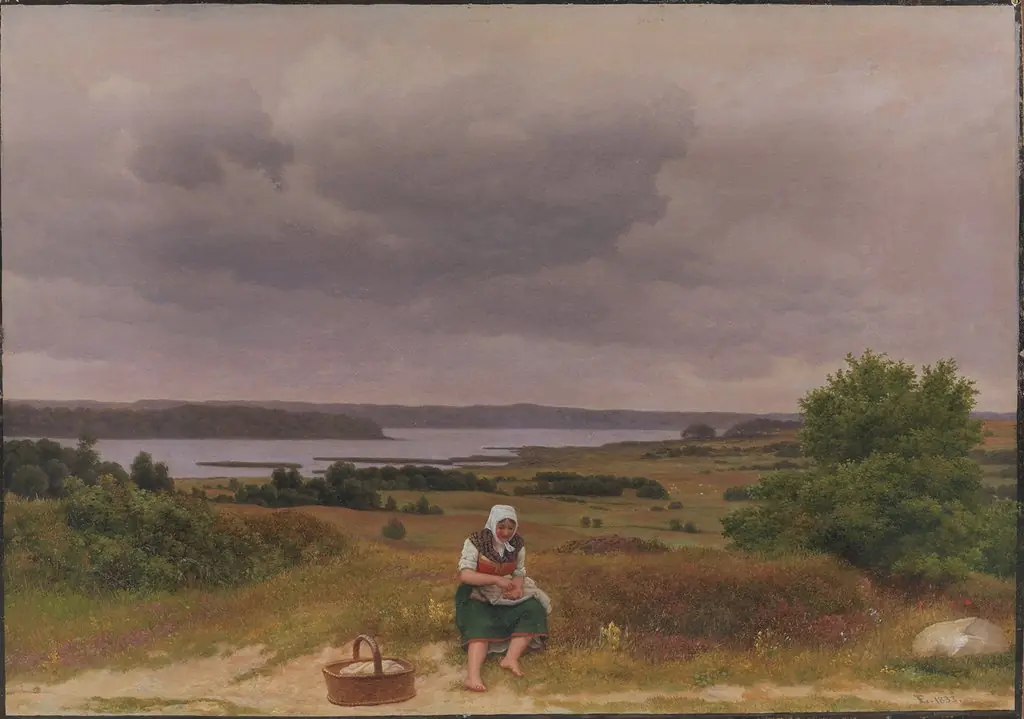 View of Lake Fure near Rudersdal, North Sealand.
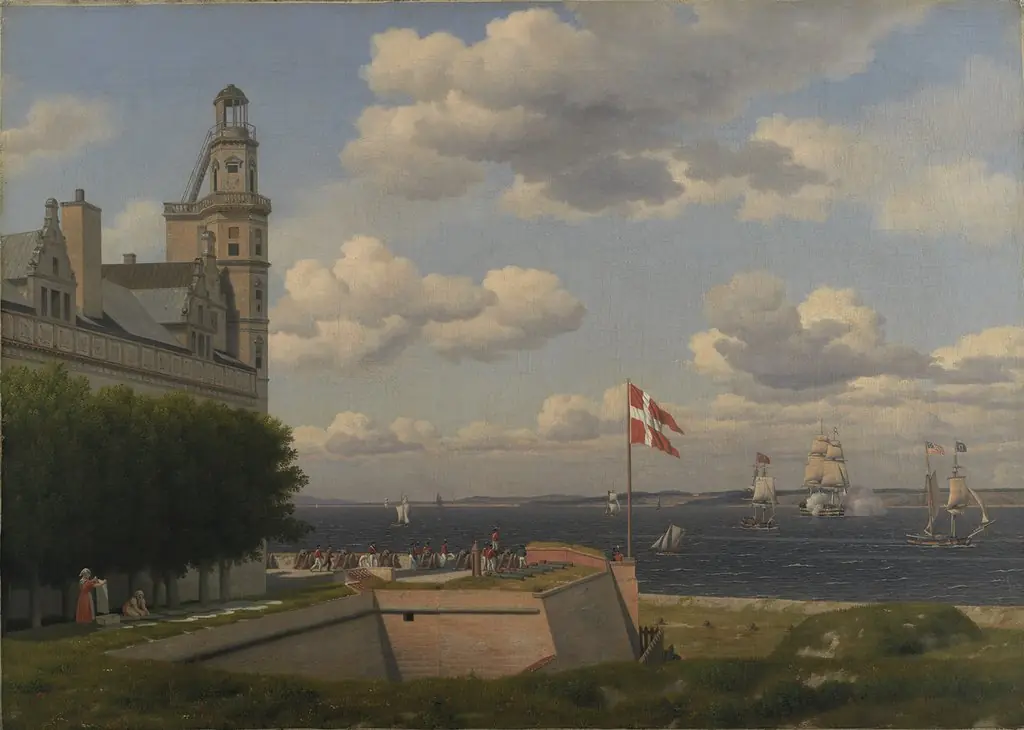 A View towards the Swedish Coast from the Ramparts of Kronborg Castle
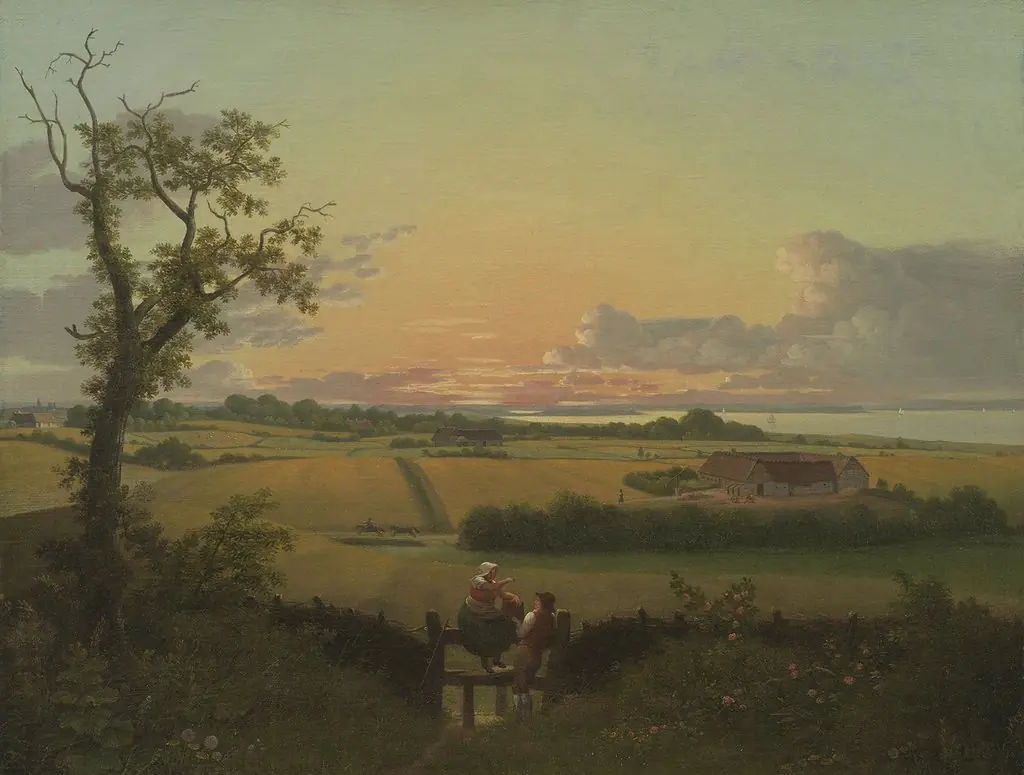 Landscape with a Stile. The Isle of Møn
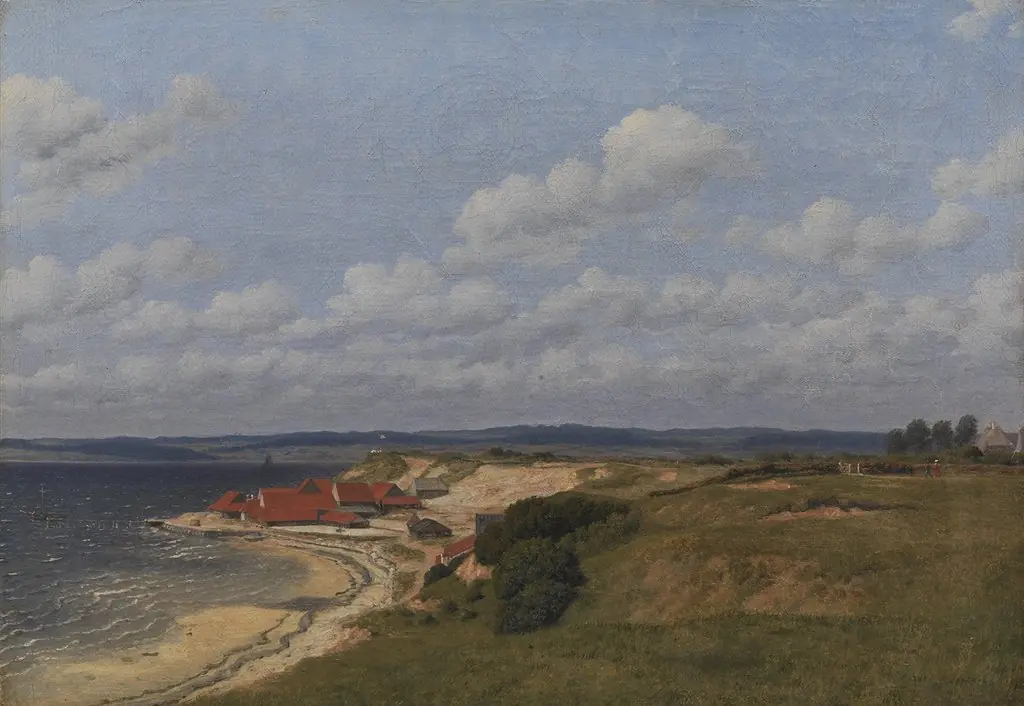 Renbjærg Tileworks by Flensburg Fiord
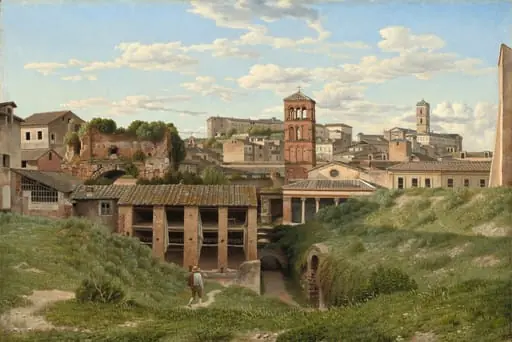 View of the Cloaca Maxima, Rome
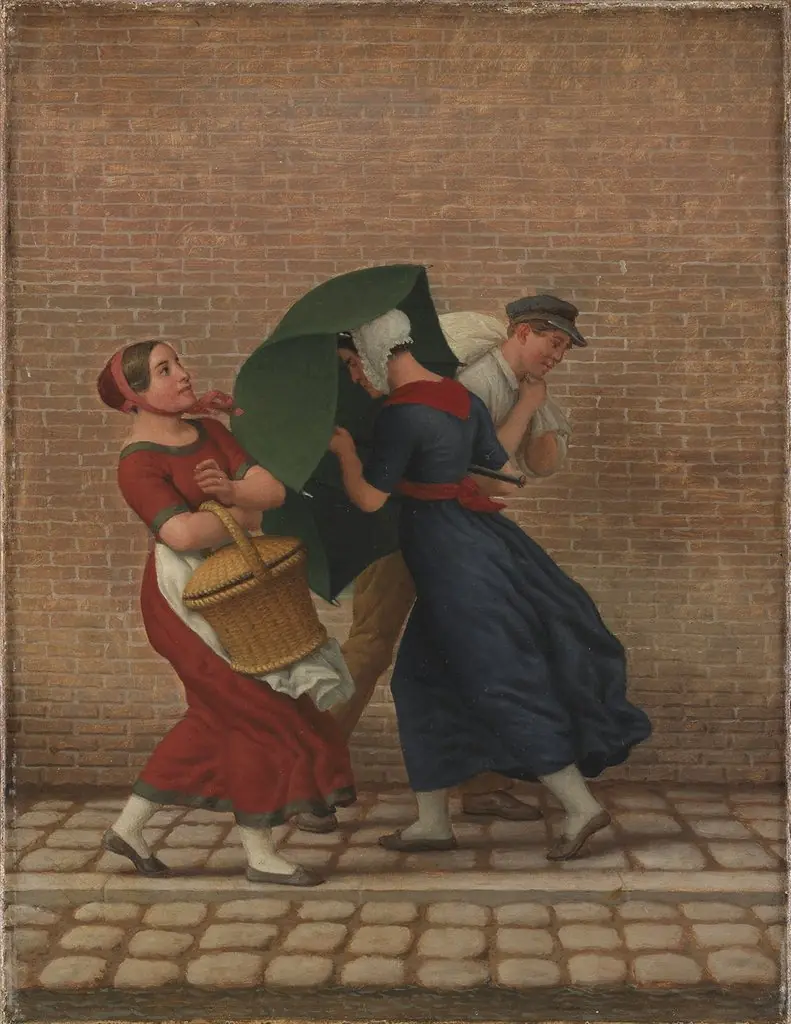 Street Scene in Windy and Rainy Weather
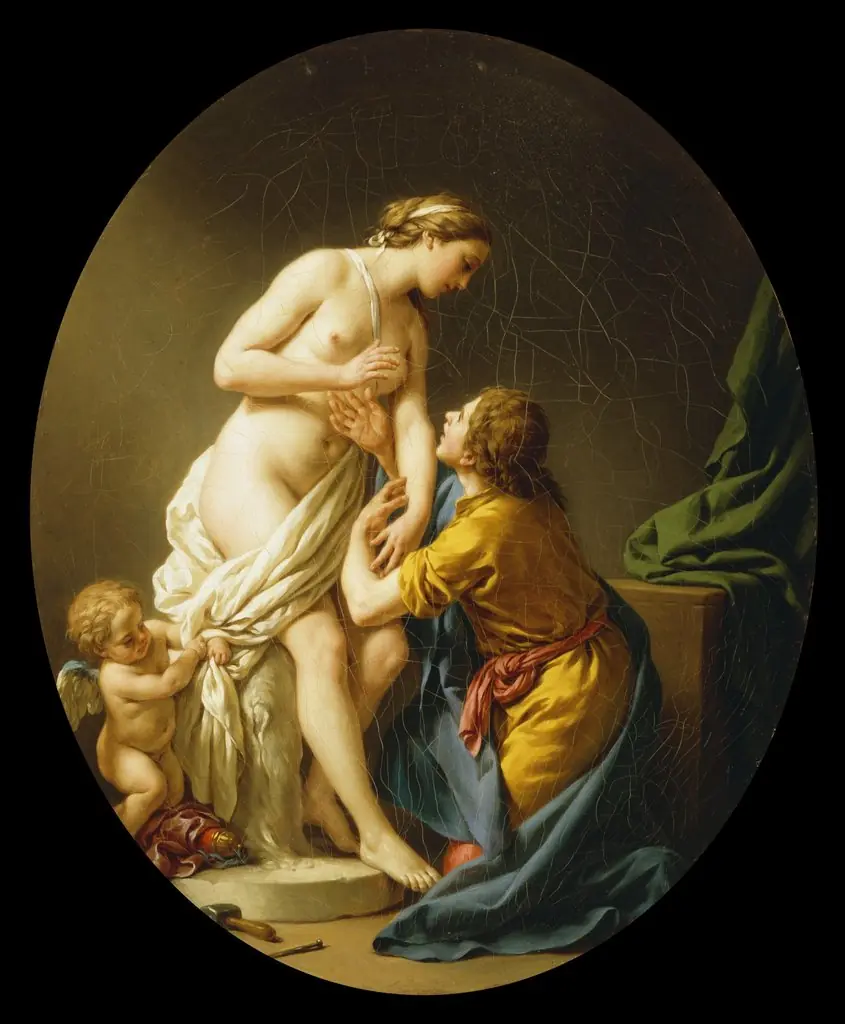 Pygmalion and Galatea
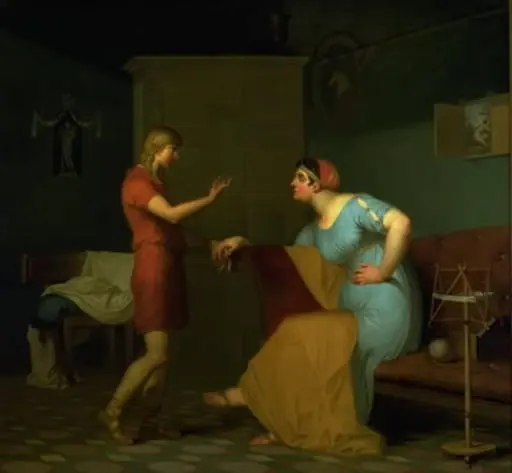 Papirius and his Mother
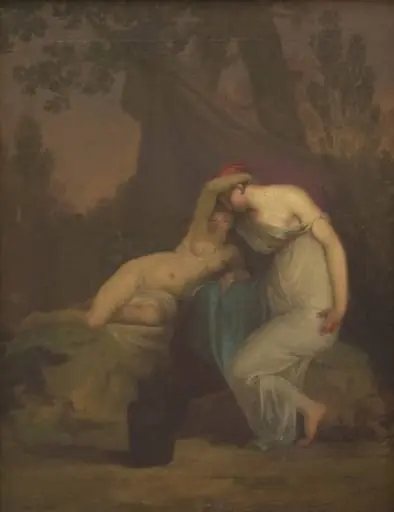 The Greek Poet Sappho and the Girl from Mytilene
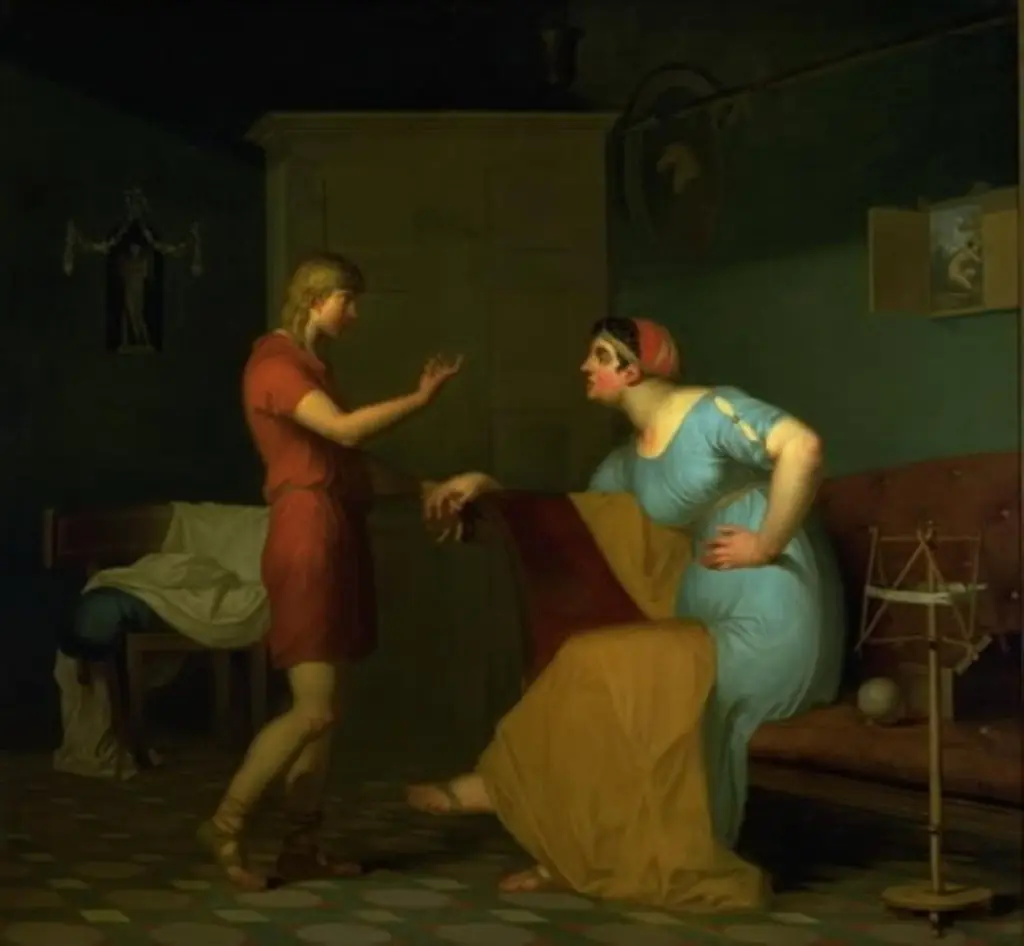 Papirius and his Mother
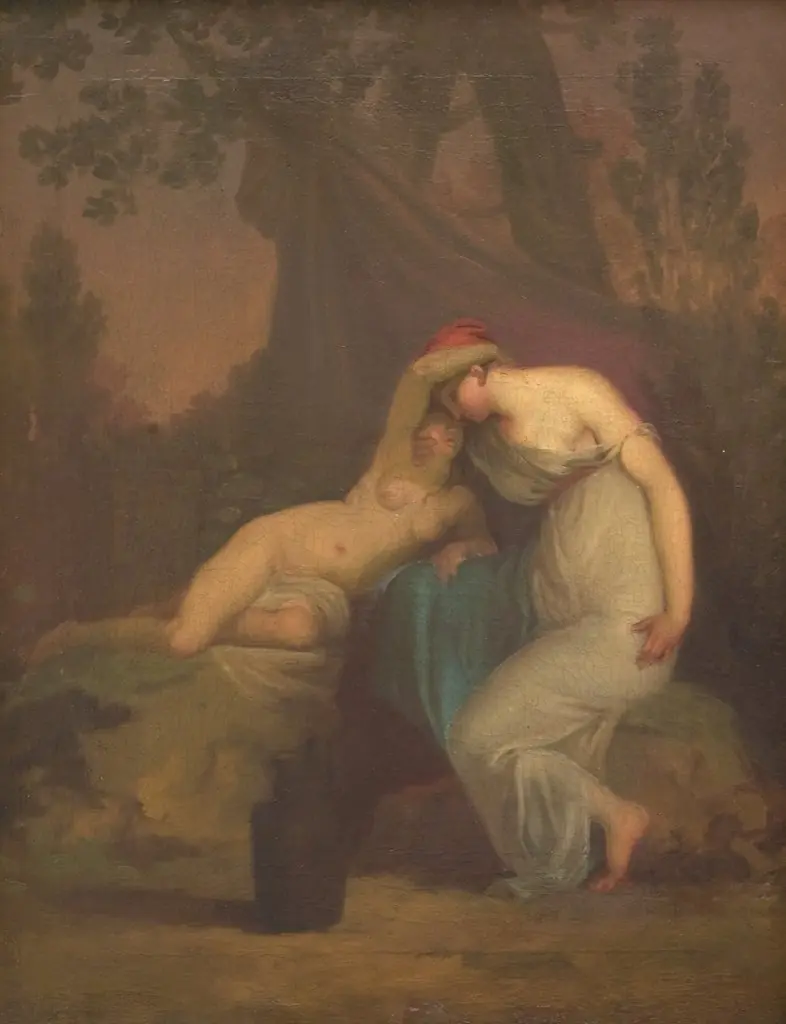 The Greek Poet Sappho and the Girl from Mytilene
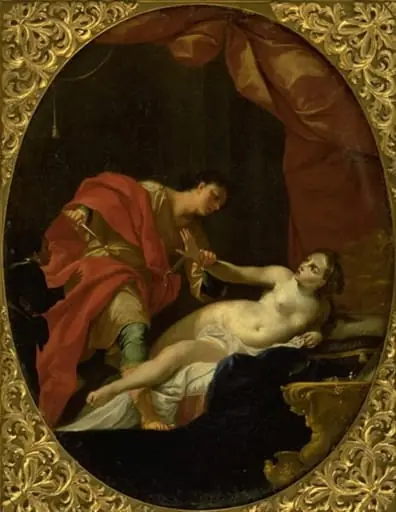 Tarquin Threatening Lucretia
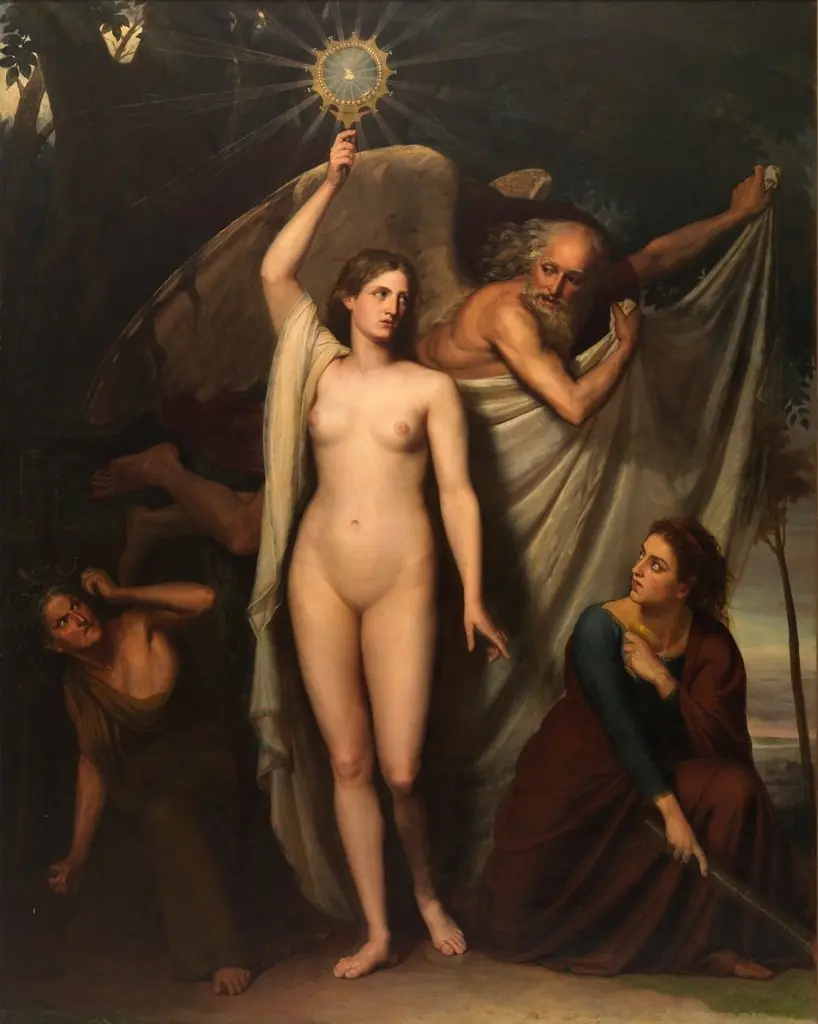 El tiempo descubre la verdad
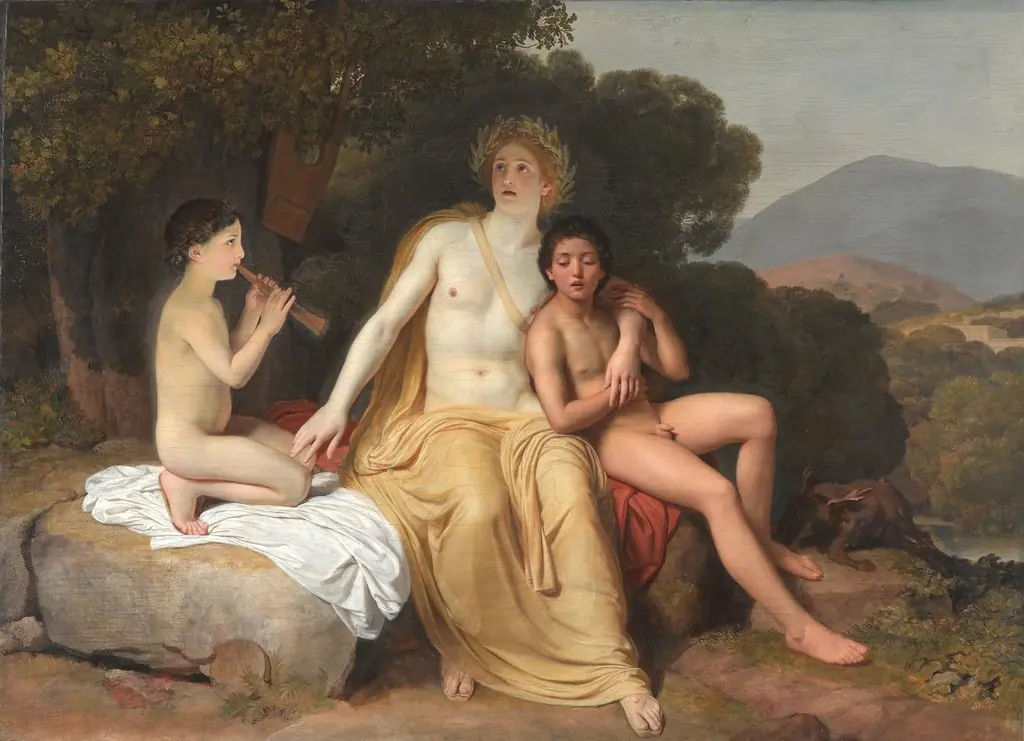 Apollo, Hyacinthus and Cyparissus making music and singing
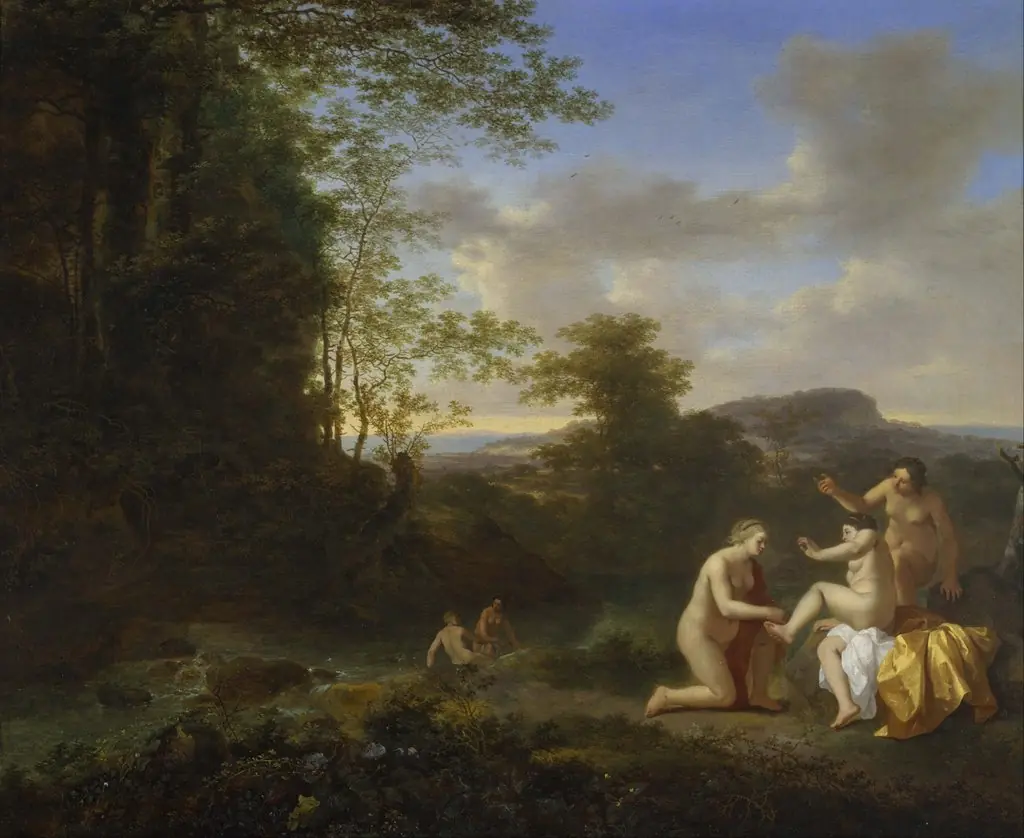 Landscape with Nymphs
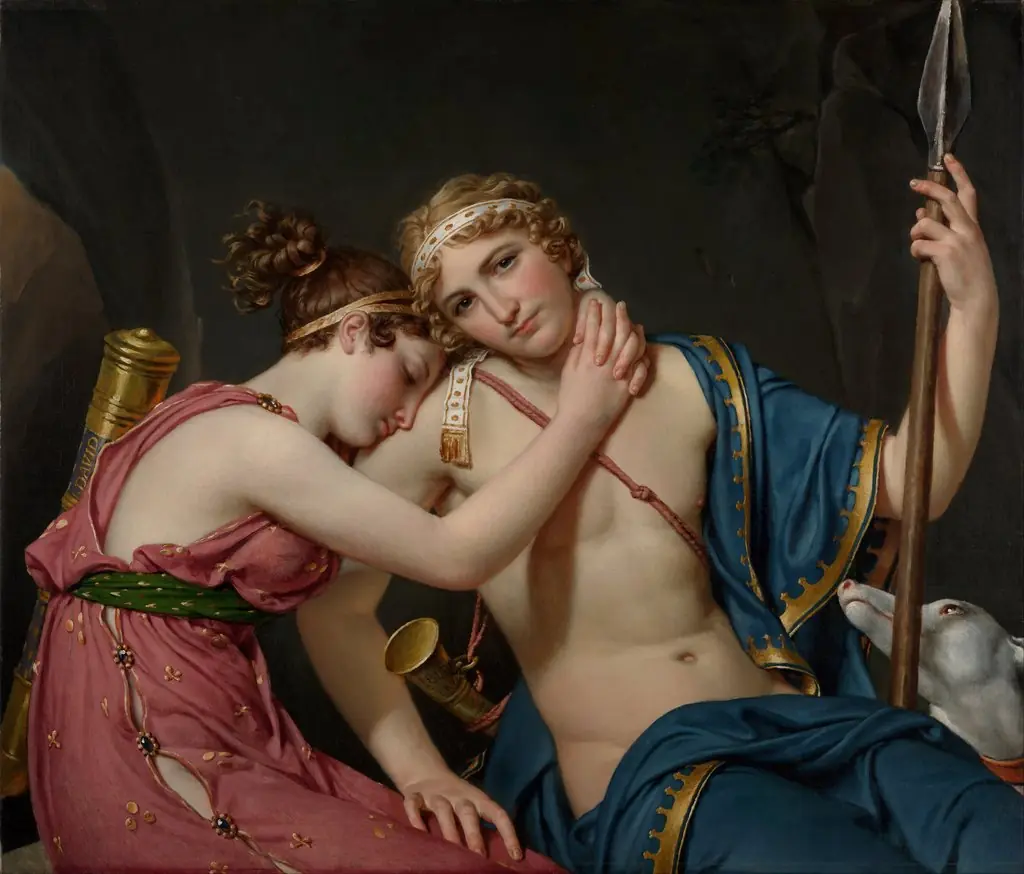 The Farewell of Telemachus and Eucharis
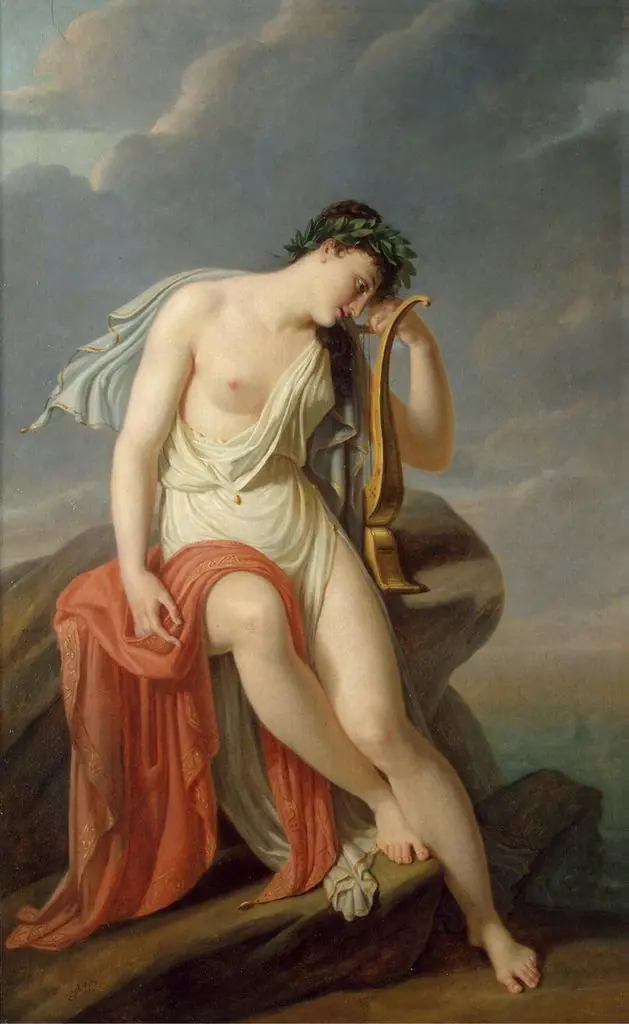 Sappho on the Leucadian Cliff
 The Parcae: Clotho, Lachesis and Atropos Spinning the Thread of Life