Artwork
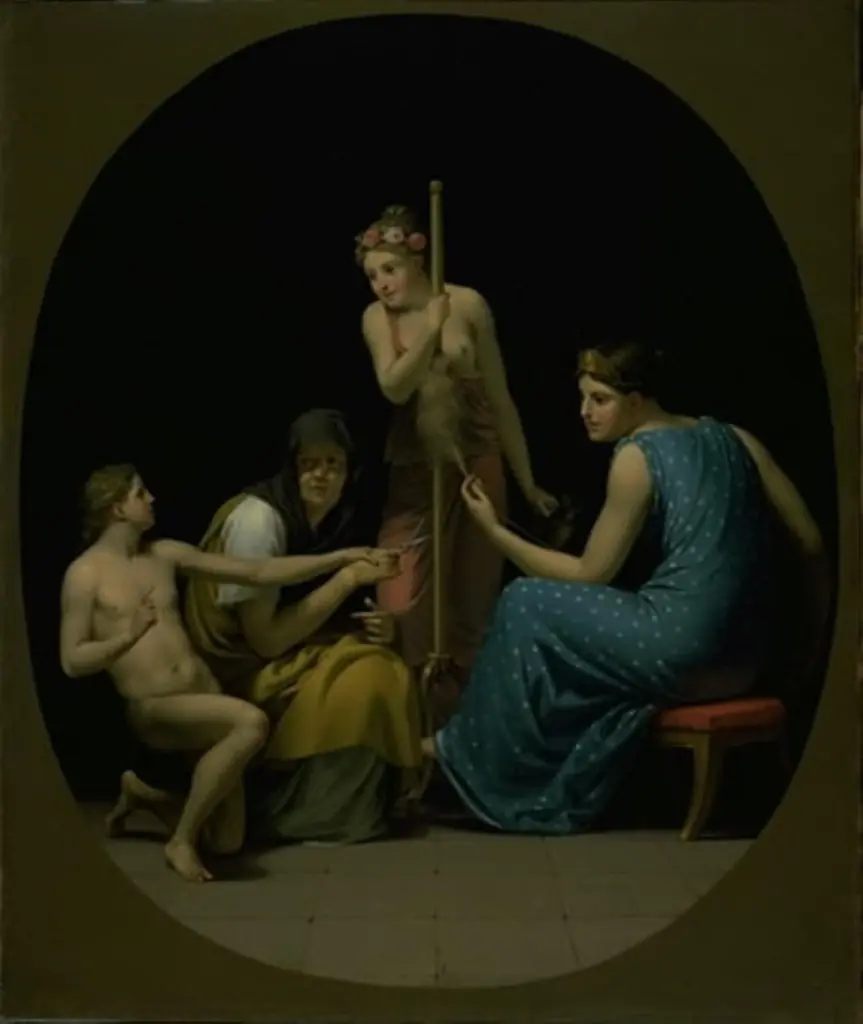
The Parcae: Clotho, Lachesis and Atropos Spinning the Thread of Life
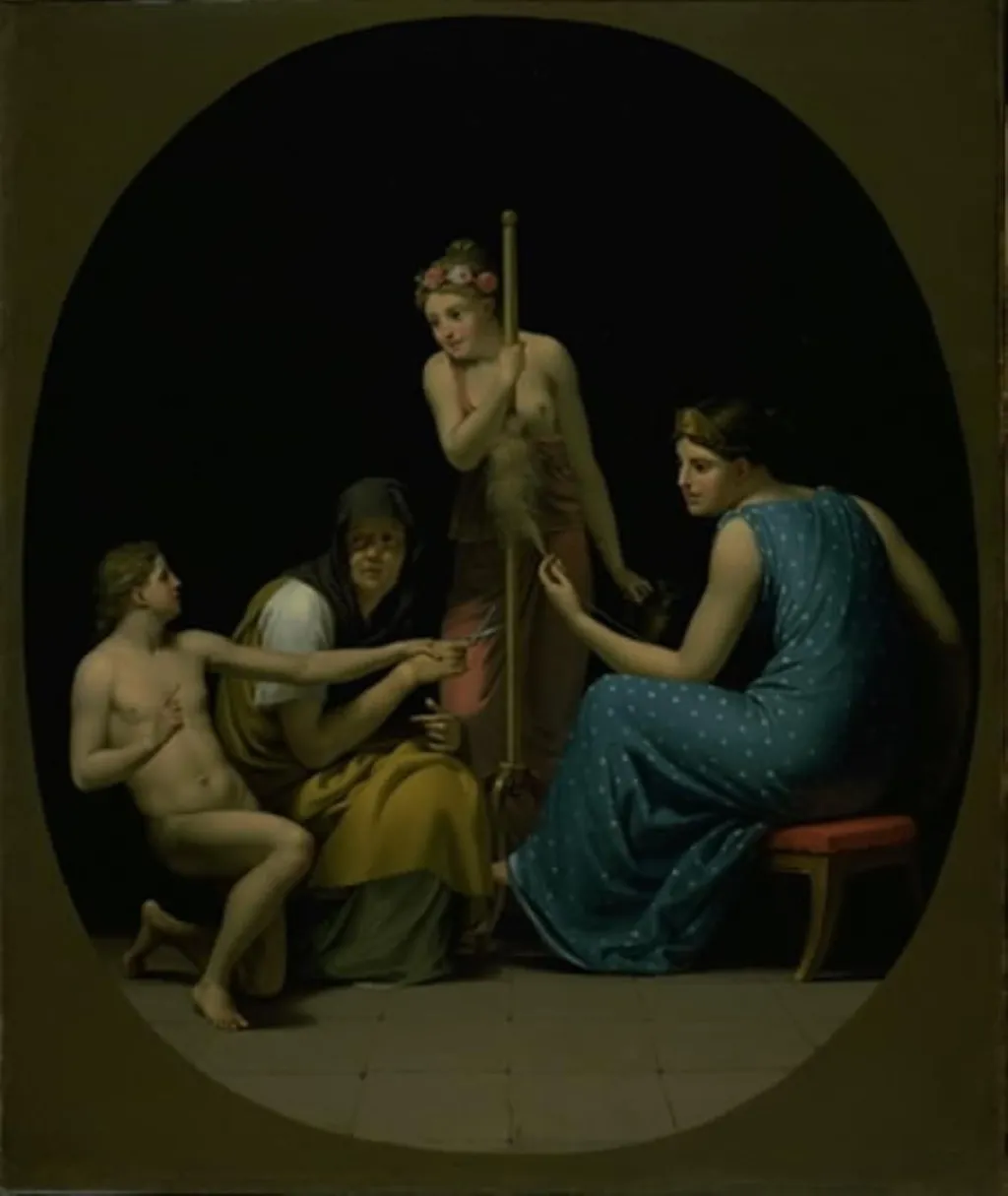
The Parcae: Clotho, Lachesis and Atropos Spinning the Thread of Life is a photography by the Romanticist artist Unknown artist. It is held in the collection of the Statens Museum for Kunst.
About this work
Overview
This painting, attributed to Xun Xu, dates to the early 19th century and presents a synthesis of Greco-Roman mythology within a Chinese artistic framework.
This painting, attributed to Xun Xu, dates to the early 19th century and presents a synthesis of Greco-Roman mythology within a Chinese artistic framework. Though rooted in Western myth, the composition reflects East Asian visual conventions in its spatial arrangement and tonal restraint. It resides in the Museum of Ethnography, where it is cataloged as an example of cross-cultural artistic engagement during the Qing dynasty.
Subject & Meaning
The three figures traditionally known as the Parcae—Clotho, Lachesis, and Atropos—are rendered as a central woman spinning thread, flanked by two men and a woman observing. The scene symbolizes the inexorable passage of fate, with the spinner as the active agent and the others as witnesses or assistants. The absence of overt mythological attributes shifts focus to the quiet gravity of the act, emphasizing inevitability over ornamentation.
Technique & Style
The painting employs muted earth tones with a single accent of blue on the central figure’s garment, drawing attention without distraction. Soft chiaroscuro models the forms, creating depth through subtle gradations of light and shadow. The background recedes into near darkness, isolating the figures and enhancing the contemplative mood. Brushwork is restrained, favoring clarity over detail, aligning with literati traditions of understated expression.
History & Provenance
Attributed to Xun Xu, a scholar-official active during the transition from the late Three Kingdoms to the Jin dynasty, the work’s exact origin remains uncertain. Its presence in the Museum of Ethnography suggests it was collected in the 19th or early 20th century, possibly through diplomatic or missionary channels. The painting’s hybrid subject matter indicates an interest in foreign myths among Chinese intellectuals of the period.
Context
During the early 1800s, Chinese artists occasionally engaged with foreign narratives through printed sources and missionary texts. This work reflects a curiosity about classical Western cosmology, adapted to local aesthetic values. Unlike traditional Chinese depictions of destiny, which often invoked Daoist or Buddhist cycles, this piece frames fate as a physical, human labor—suggesting a deliberate, if selective, appropriation of Greco-Roman imagery.
Legacy
The painting stands as a rare example of mythological syncretism in early 19th-century Chinese art. It does not seek to replicate Western models but rather to reinterpret them through indigenous visual language. Its preservation in an ethnographic collection underscores its role as a cultural artifact of cross-cultural exchange, valued more for its historical hybridity than its artistic innovation.
Artist & collection
Artist
Xun Xu (c. 221 – 289), courtesy name Gongzeng, was a Chinese musician, painter, politician, and writer who lived during the late Three Kingdoms period and early Jin dynasty of China. Born in the influential Xun family,…

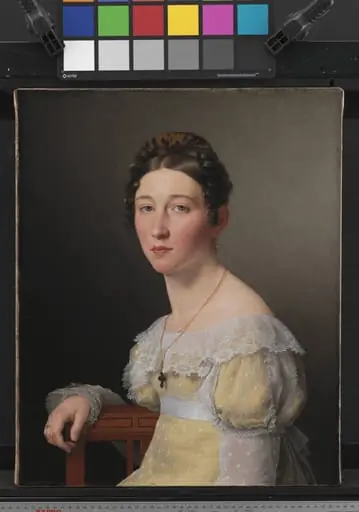 Portrait of Emilie Henriette Massmann, Betrothed of Frederik Wilhelm Caspar von Benzon
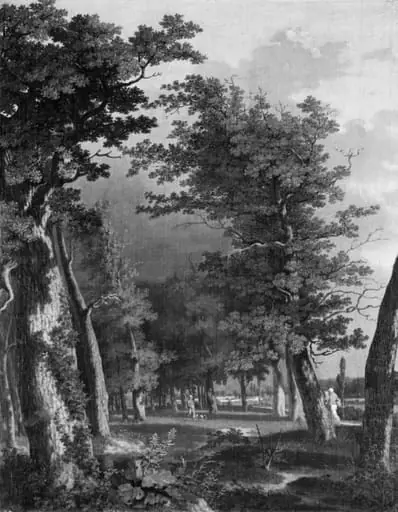 Landscape with Trees near Paris
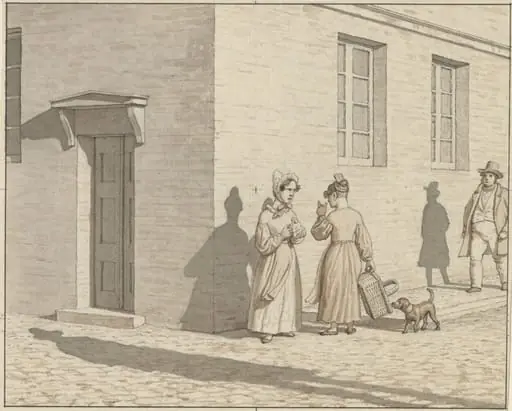 Linear Perspective as Applied in Painting - Plate VII, 1 - A Street Corner Encounter
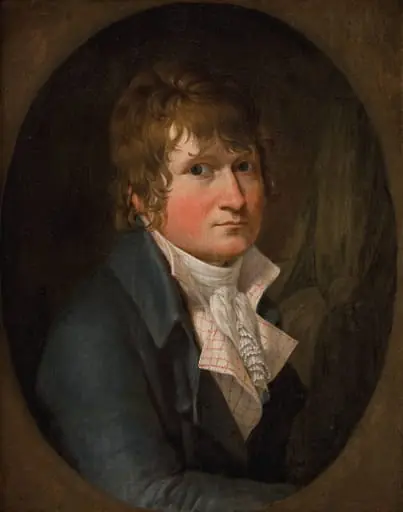 Self-Portrait
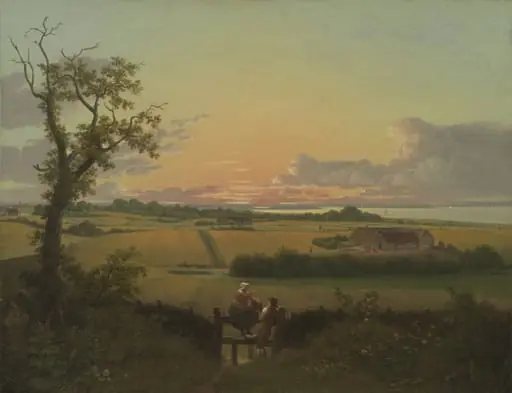 Landscape with a Stile. The Isle of Møn
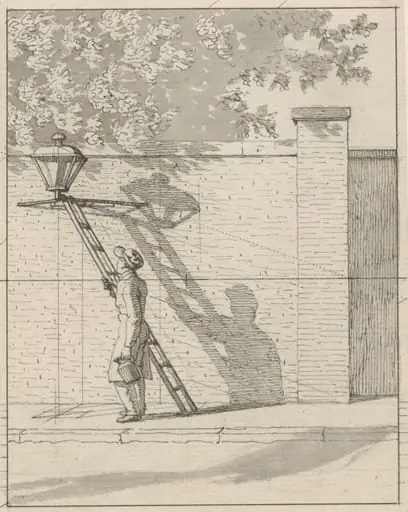 Linear Perspctive as Applied in Painting - Plate VI. The Street Lamp on the Garden Wall, Daylight
 Study of a Wood
 Study of Clouds over the Sea
 Pygmalion and Galatea
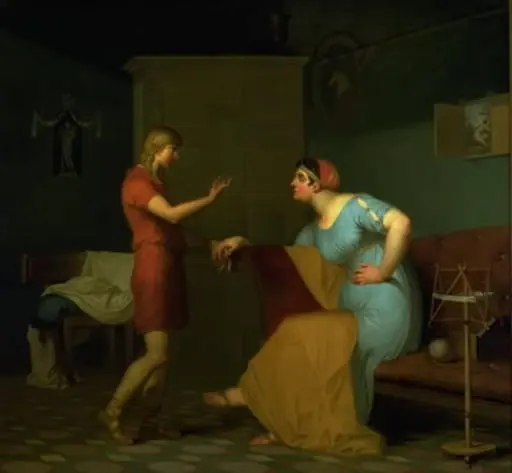 Papirius and his Mother
 The Greek Poet Sappho and the Girl from Mytilene
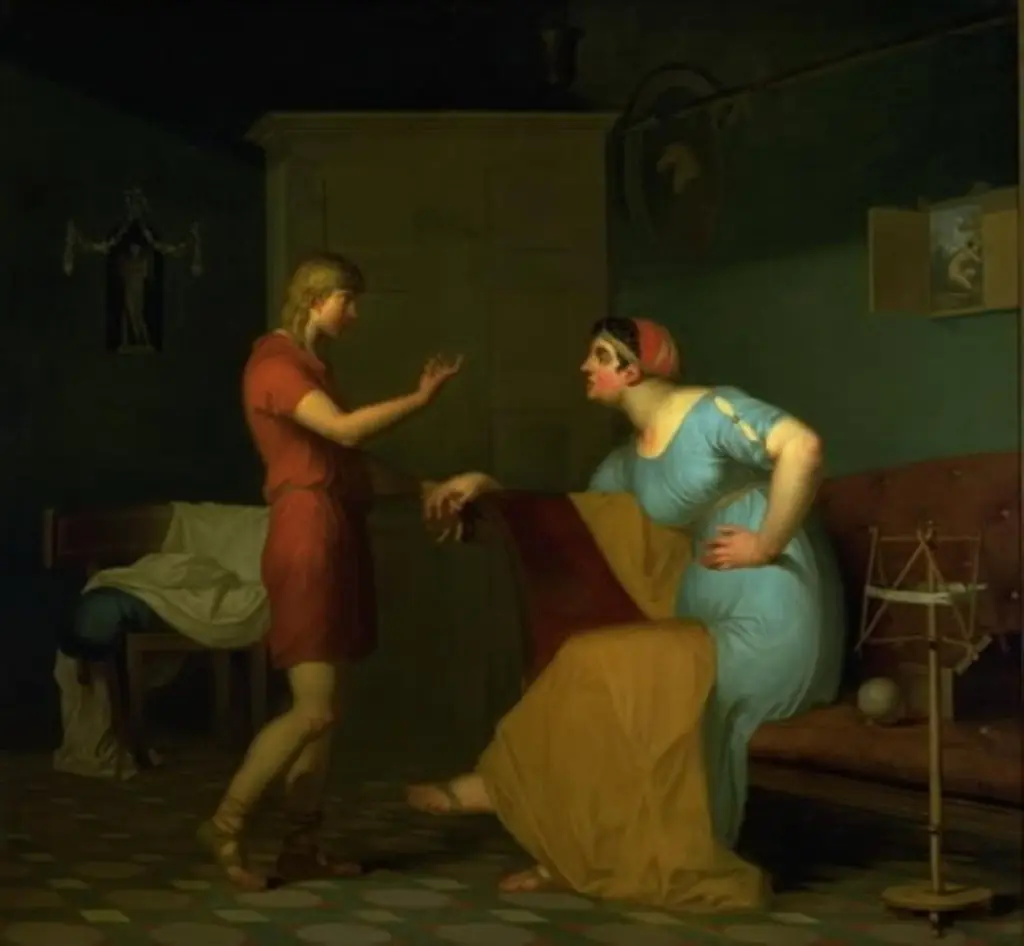 Papirius and his Mother
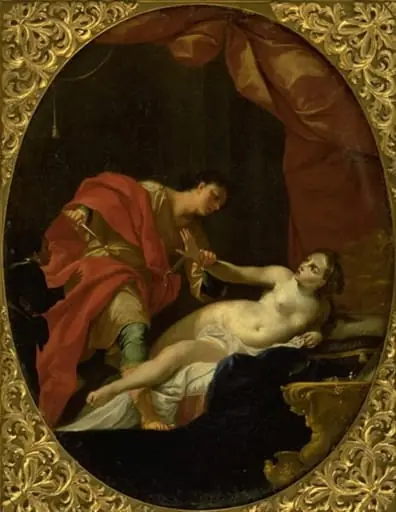 Tarquin Threatening Lucretia
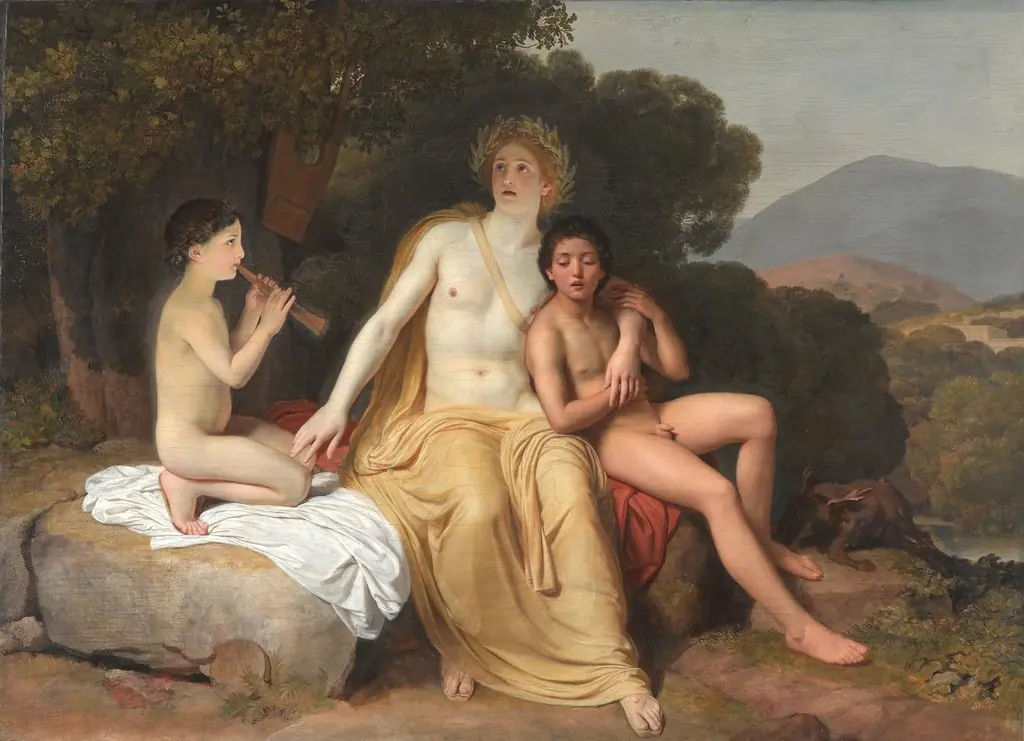 Apollo, Hyacinthus and Cyparissus making music and singing
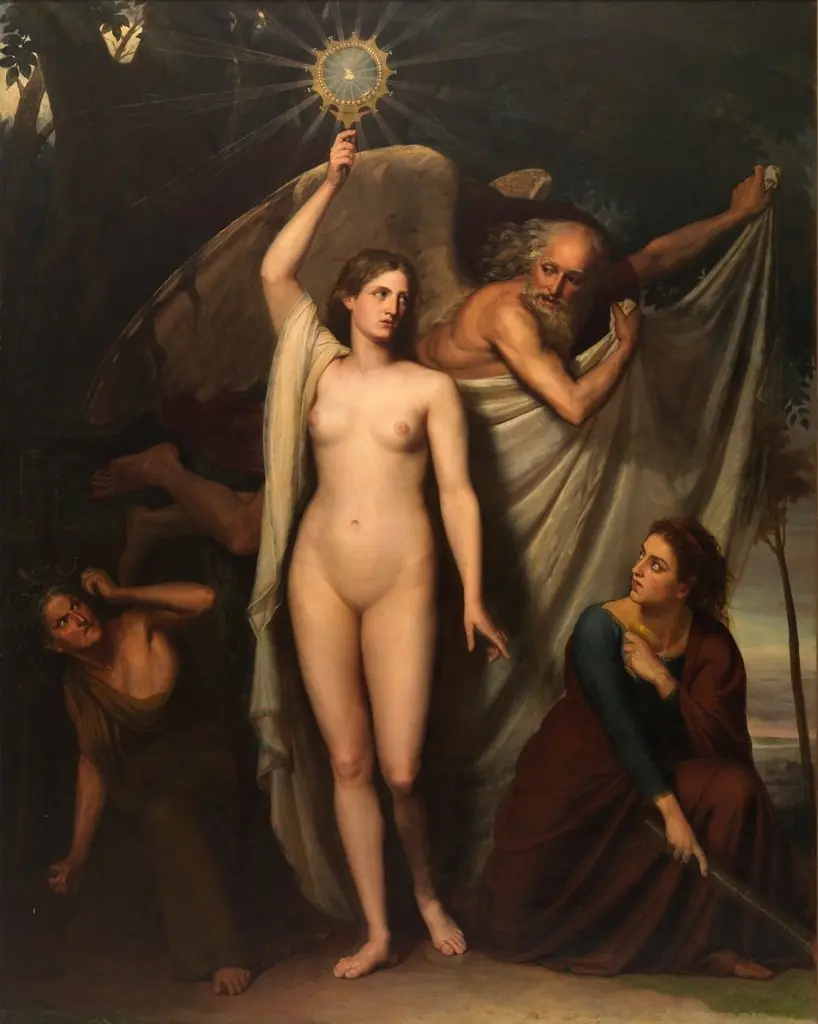 El tiempo descubre la verdad
 Landscape with Nymphs
 The Greek Poet Sappho and the Girl from Mytilene
 The Farewell of Telemachus and Eucharis
 Satyrs Spying on Nymphs
 The Parcae: Clotho, Lachesis and Atropos Spinning the Thread of Life