Artwork
Print from Drawing Book
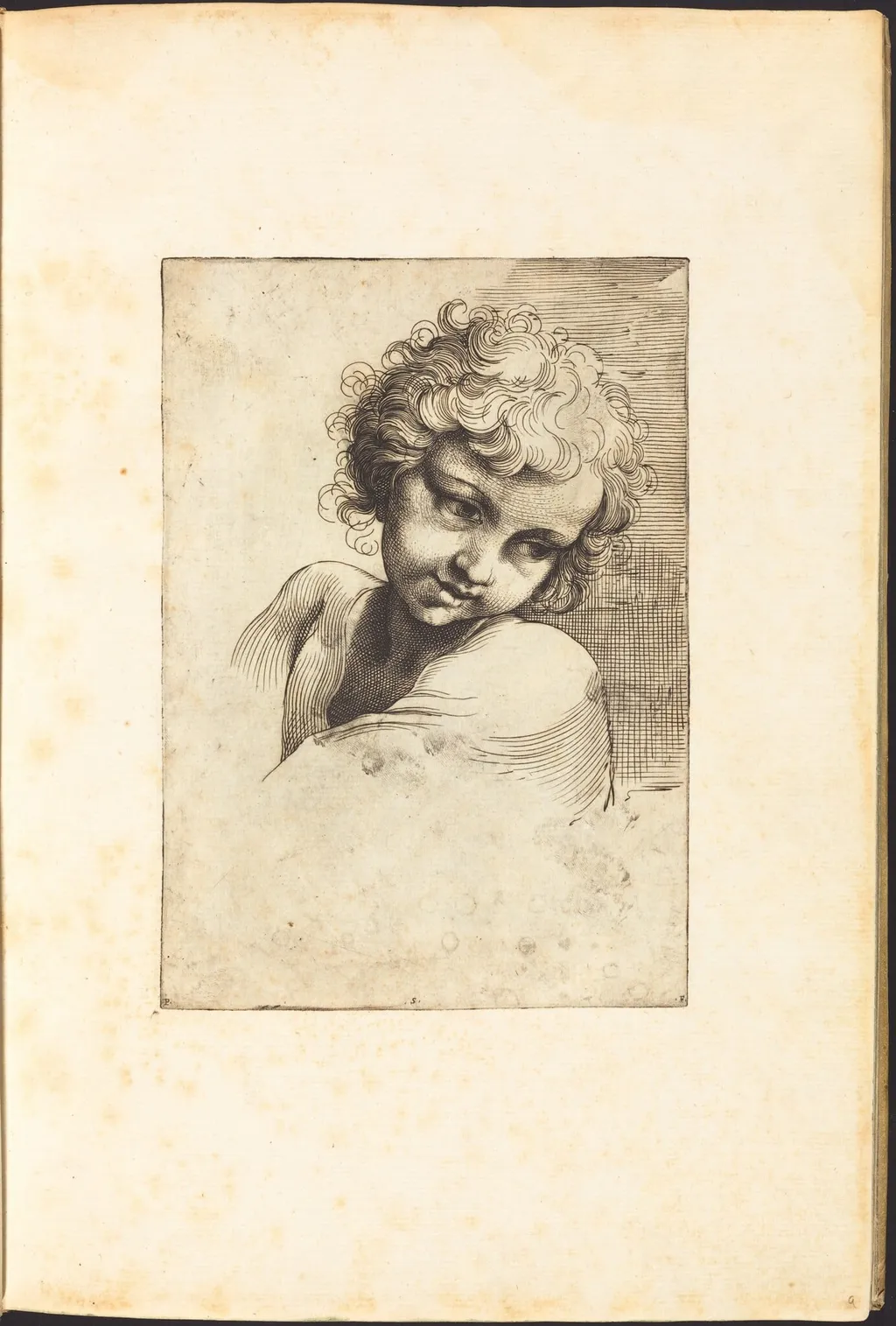
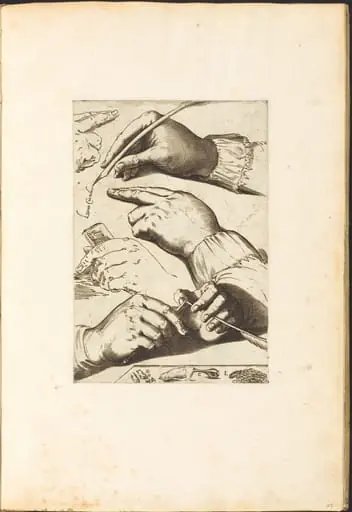
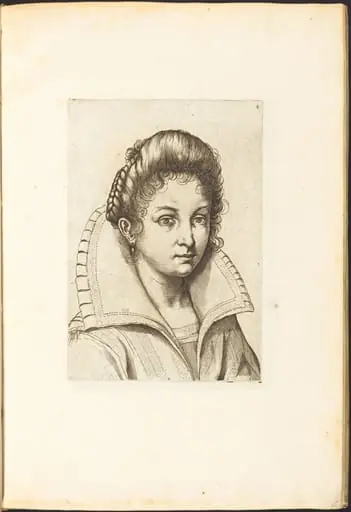
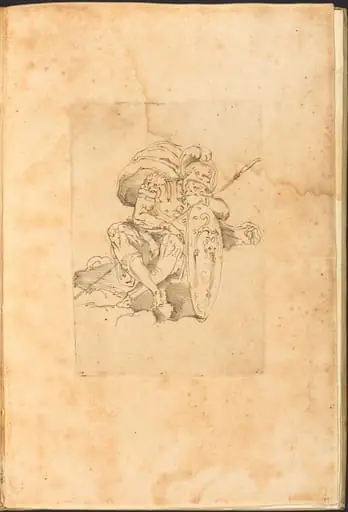
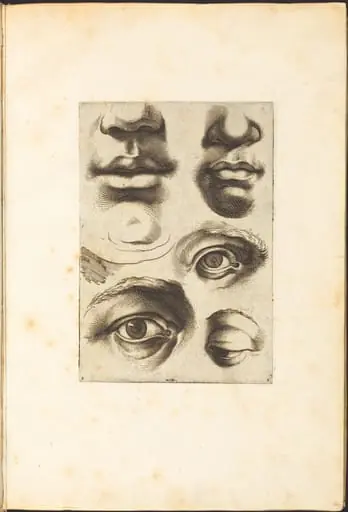
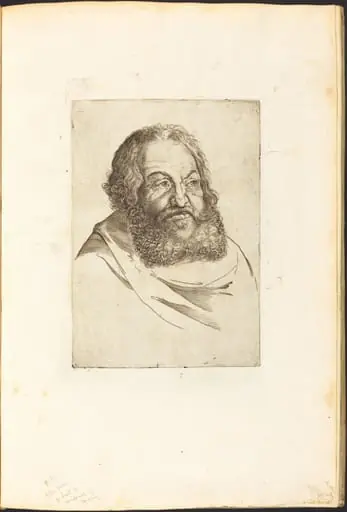
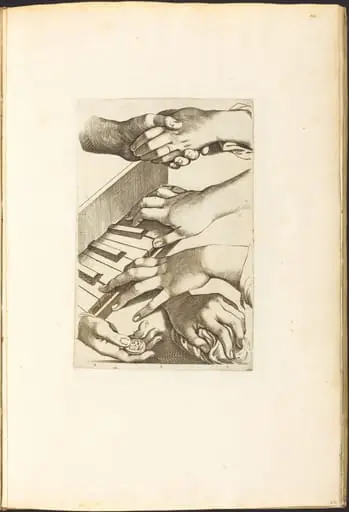
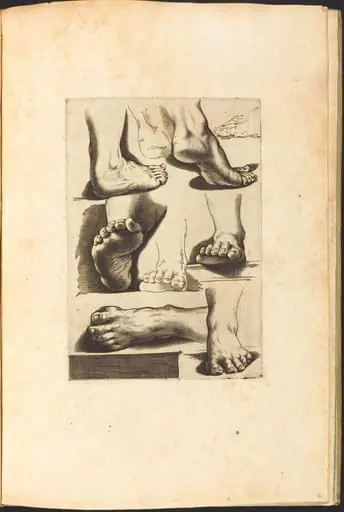
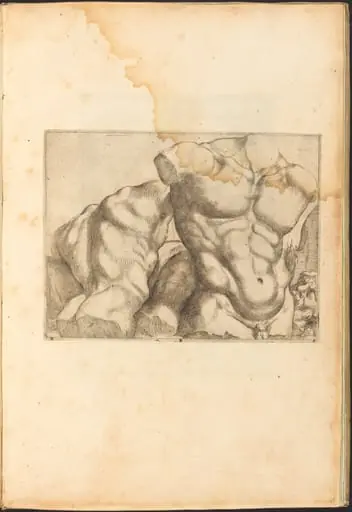
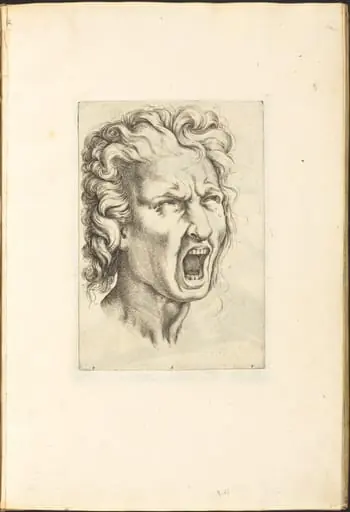
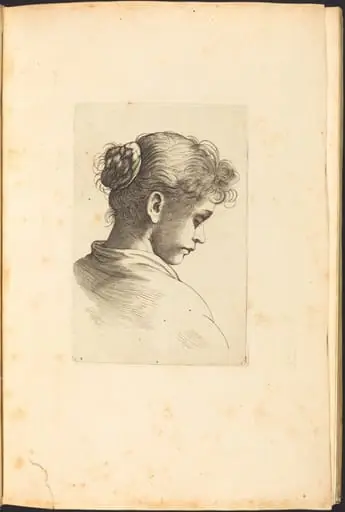
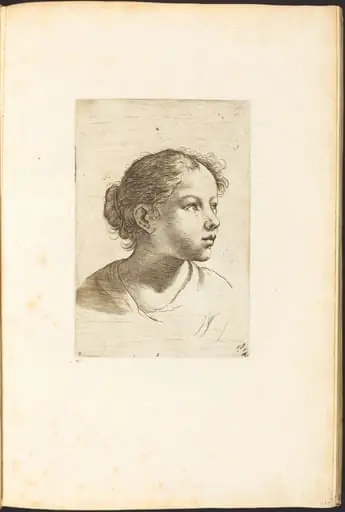
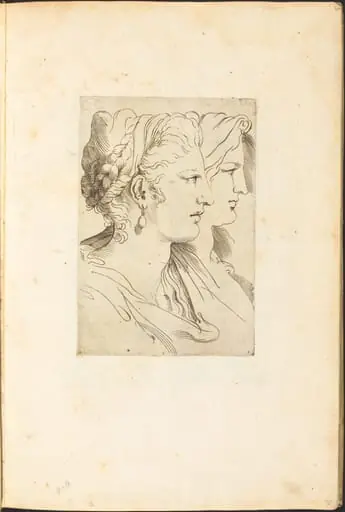
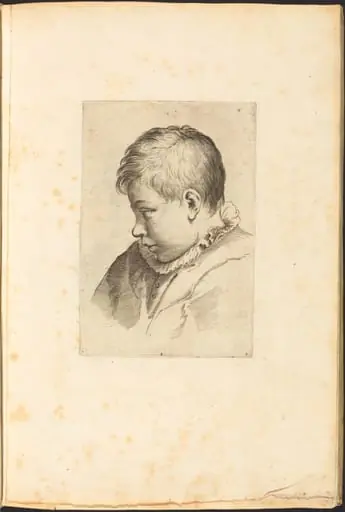
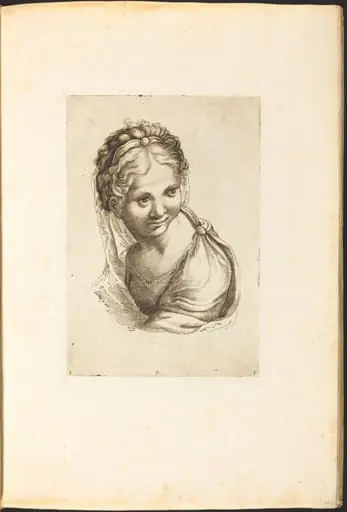
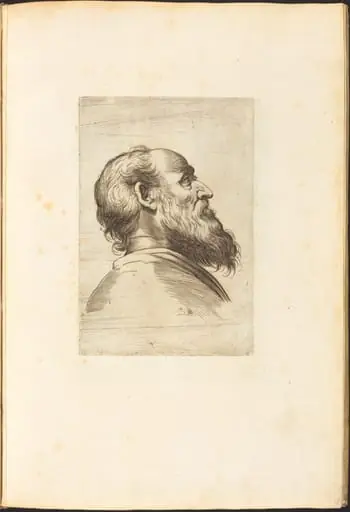
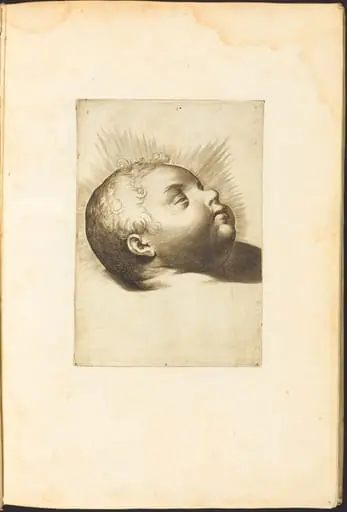
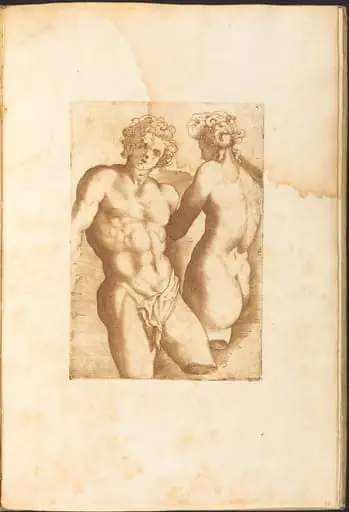
Print from Drawing Book is an ink print by the Baroque artist Luca Ciamberlano. It dates from 1615 and is held in the collection of the National Gallery of Art.
About this work
Overview
Print from Drawing Book is an early‑17th‑century engraving executed by the Italian printmaker Luca Ciamberlano around 1615. The work is a single‑sheet print, catalogued as a study rather than a finished composition, and exemplifies the artist’s practice of rendering objects with meticulous line work.
Subject & Meaning
The image presents a simple, curving vessel—interpreted as a vase or cup—illuminated by a subtle play of light. The delicate gradations of line suggest the artist’s interest in capturing the way light falls on smooth, rounded surfaces, offering a visual exploration of form and illumination.
Technique & Style
Ciamberlano employed traditional intaglio engraving, incising fine, parallel lines into a copper plate with a burin. After inking the recessed lines, the plate was wiped clean and pressed onto damp paper, transferring the inked marks. The resulting print displays crisp, controlled hatching that models volume through tonal variation.
History & Provenance
Created circa 1615, the print belongs to a period when Ciamberlano was active in Rome, producing drawings and prints for the market of collectors and artists. While specific ownership records are scarce, the work has survived in several European print collections, attesting to its circulation among connoisseurs of the time.
Context
The early 1600s saw a flourishing of printmaking as a means of disseminating artistic ideas across Italy and beyond. Ciamberlano’s prints often served as reference material for painters and draftsmen, reflecting a broader trend of using prints as educational tools for studying light, shadow, and form.
Legacy
Although not among the most celebrated prints of the era, this work illustrates the technical proficiency and observational focus characteristic of Ciamberlano’s output. It contributes to our understanding of how engravers of the period translated drawing studies into reproducible images for a growing audience of artists and patrons.
Artist & collection