Artwork
Print from Drawing Book
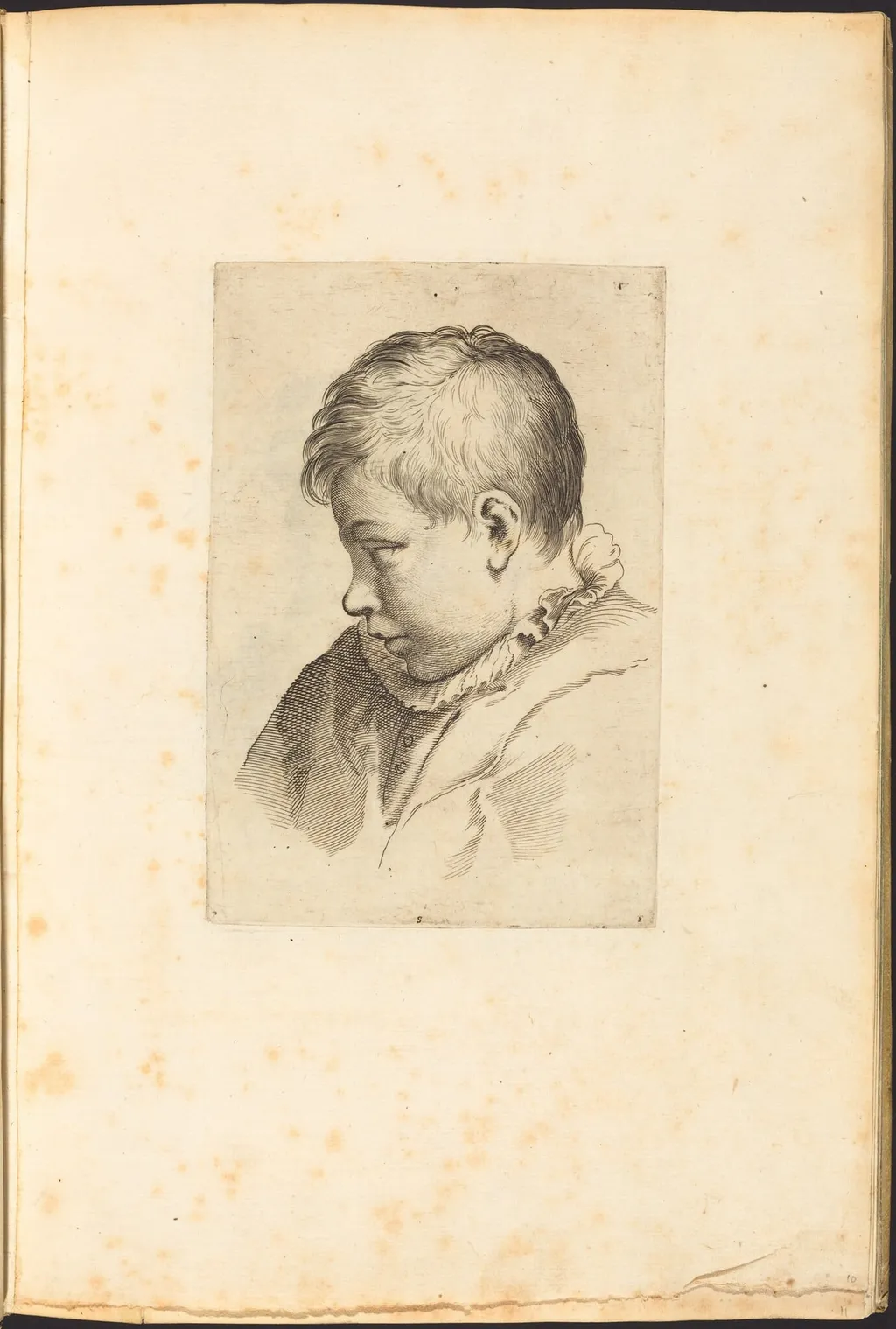
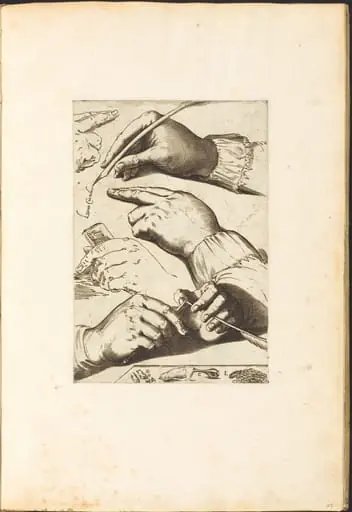
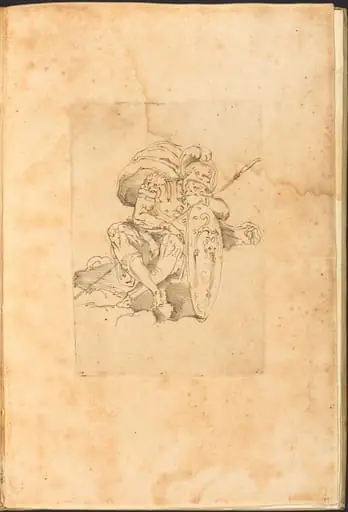
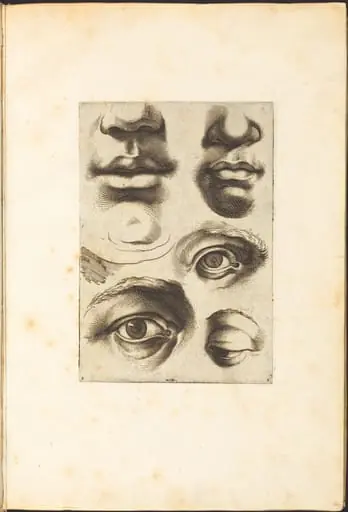
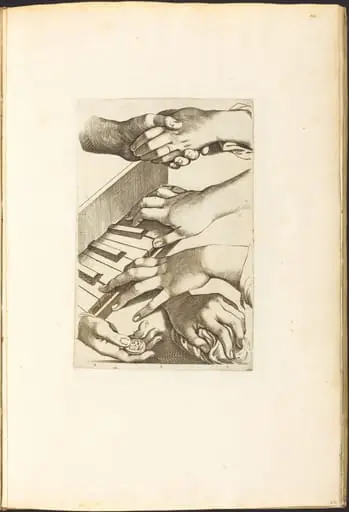
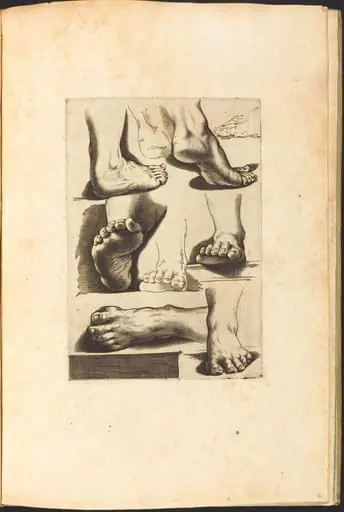
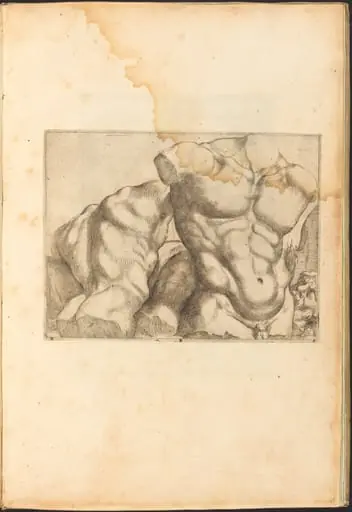
Print from Drawing Book is an ink print by the Baroque artist Luca Ciamberlano. It dates from 1615 and is held in the collection of the National Gallery of Art.
About this work
Overview
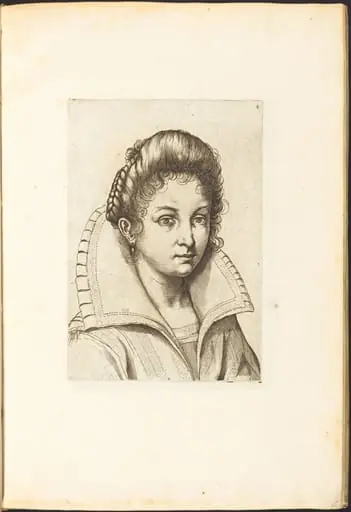
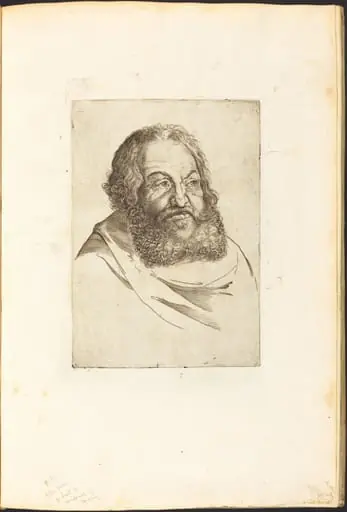
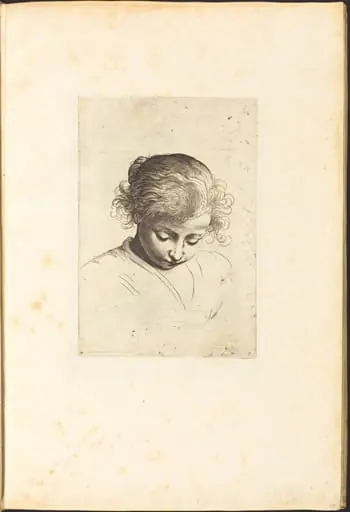
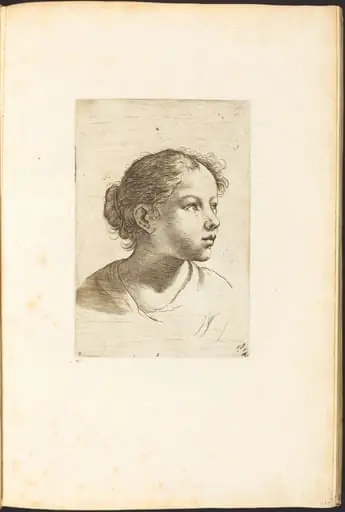
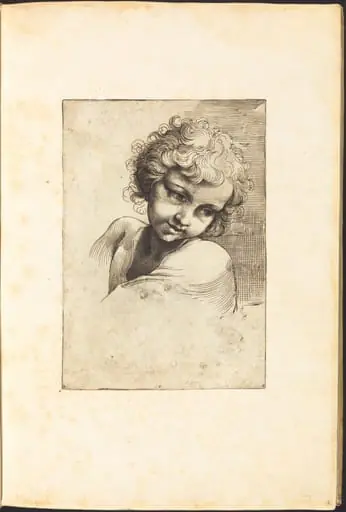
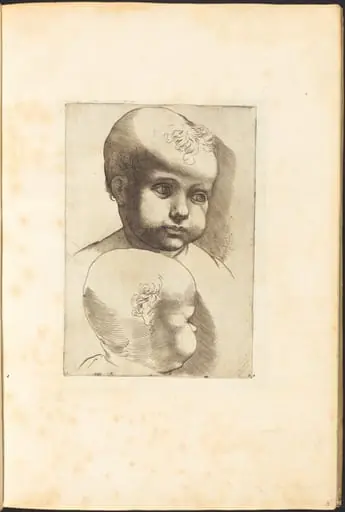
Print from Drawing Book is an early‑17th‑century engraving executed by the Italian printmaker Luca Ciamberlano around 1615. Rendered in monochrome, the work presents a solitary portrait of a youthful male figure, rendered in a restrained composition that isolates the sitter against an unadorned background.
Subject & Meaning
The image depicts a young man turned slightly toward his left, his short, wavy hair framing a high‑collared shirt whose ruffled edge hints at contemporary fashion. The direct gaze and simple attire suggest an informal study rather than a formal commission, emphasizing the individual's character through subtle facial expression and modest dress.
Technique & Style
Ciamberlano employed the traditional engraving process, incising fine lines into a metal plate to achieve delicate tonal variations. The artist’s meticulous hatching renders the texture of hair and fabric, while cross‑hatching builds depth in the shadows. This precise linework exemplifies the early Baroque interest in realism achieved through printmaking.
History & Provenance
Created circa 1615, the print likely originated as a component of a drawing book used for instructional or illustrative purposes. Though specific ownership records are scarce, the work has survived in several collections of early Italian prints, attesting to its circulation among artists and connoisseurs of the period.
Context
During the early 1600s, Italian engravers such as Ciamberlano contributed to the dissemination of artistic ideas through printed images. Portraits like this served both as study models for apprentices and as visual records of contemporary dress, reflecting the broader Baroque fascination with individual likeness and the technical possibilities of engraving.
Artist & collection