Artwork
Mercury and Herse
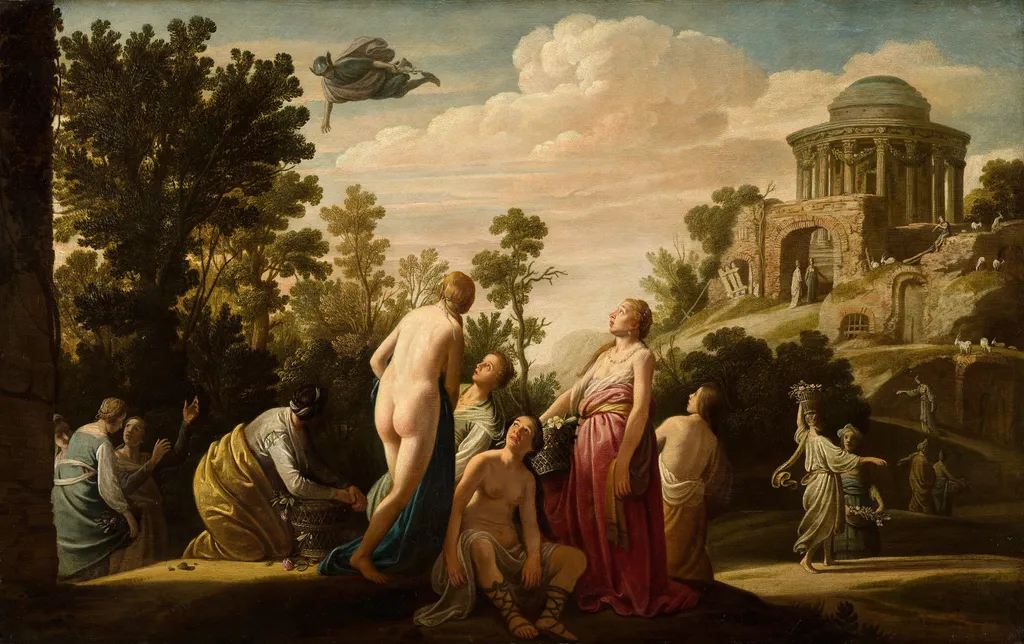
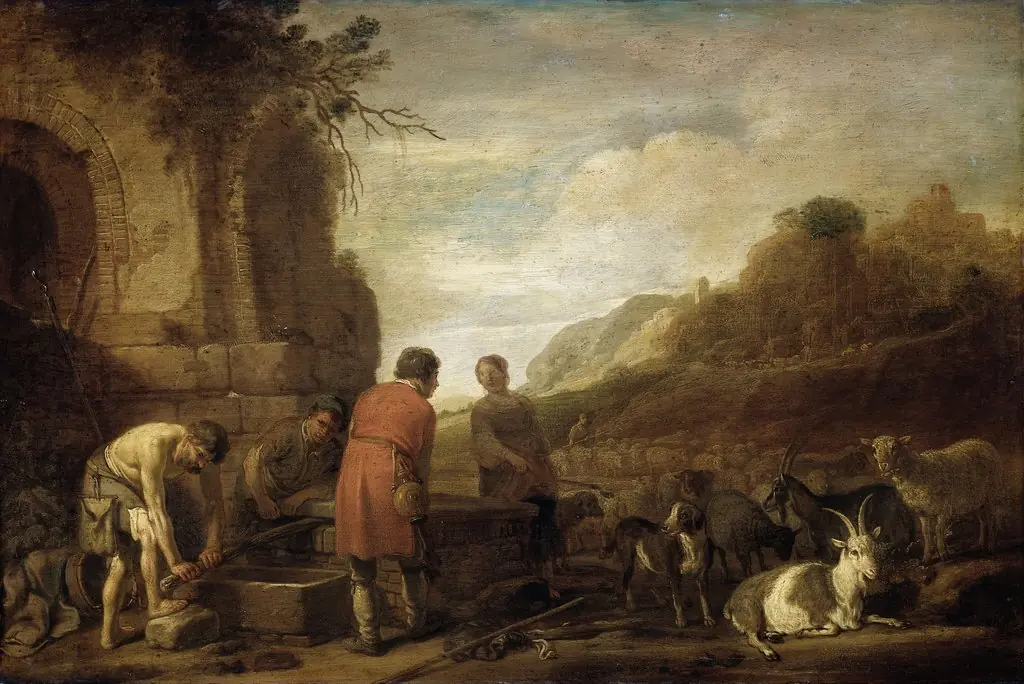
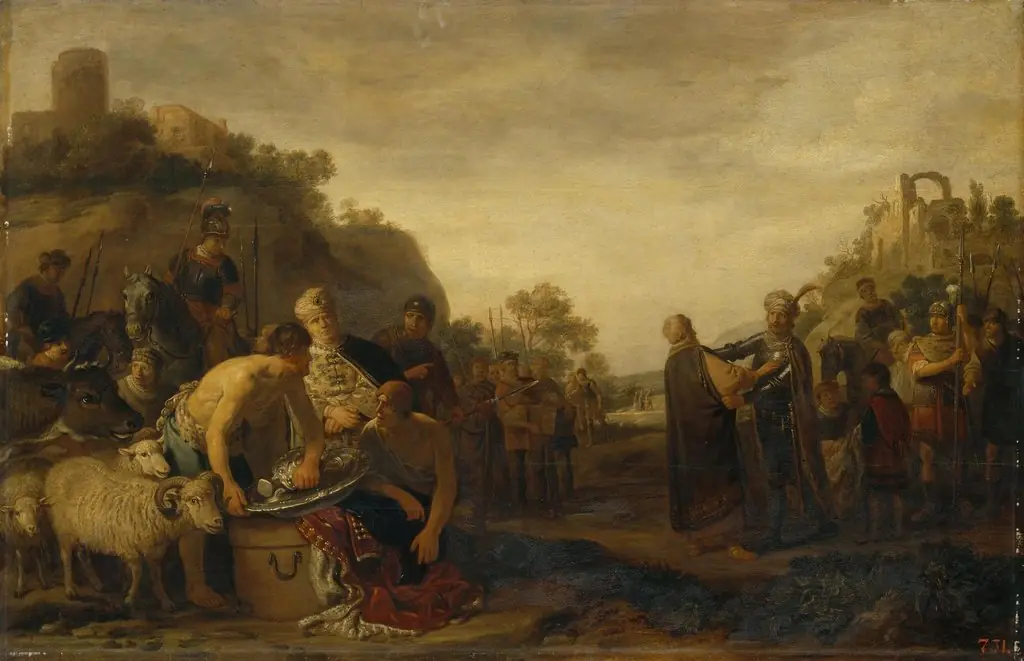
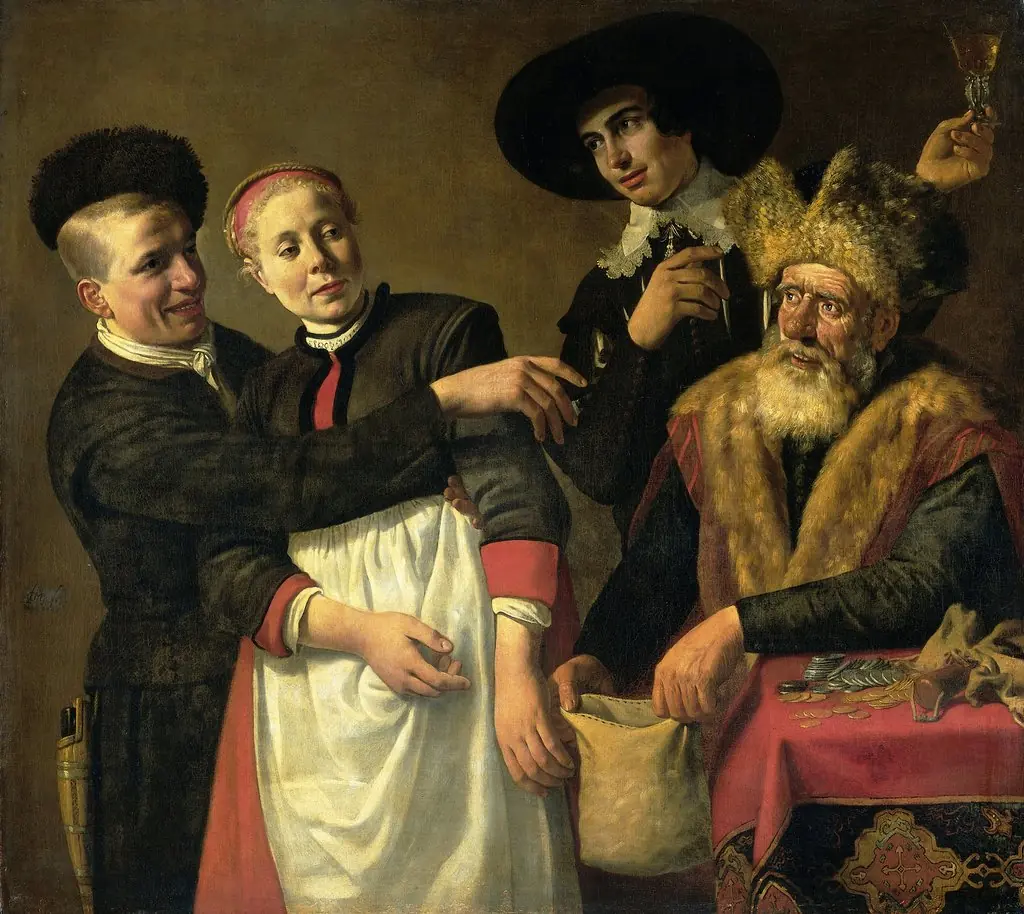
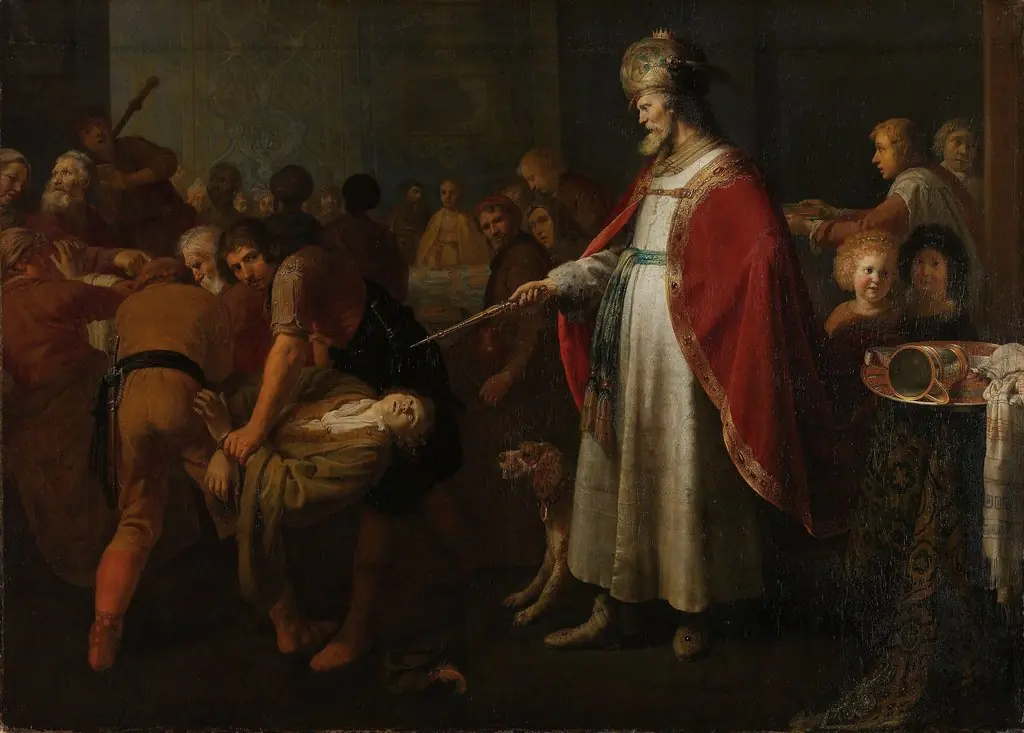
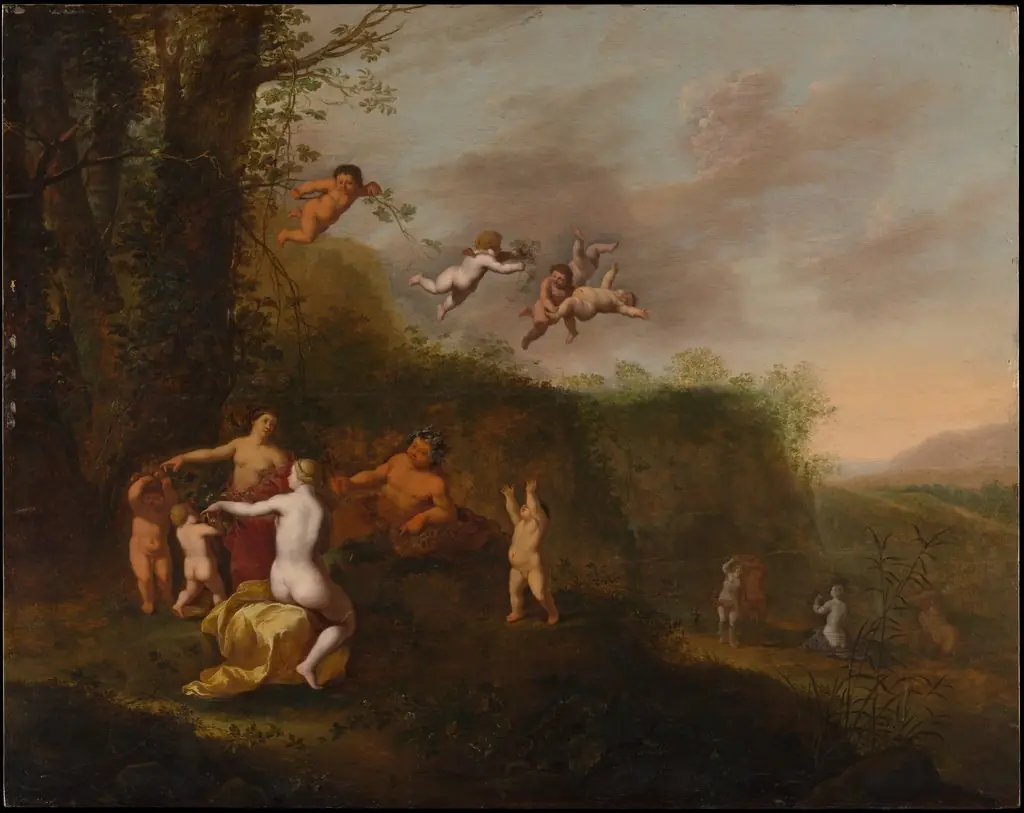
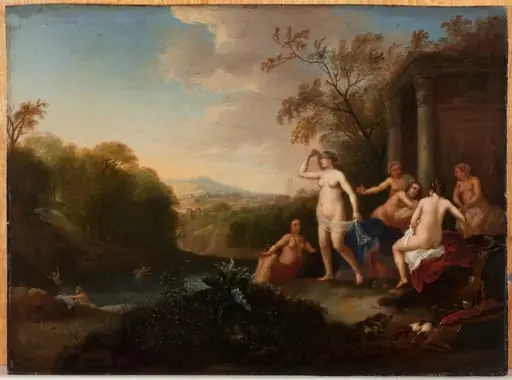
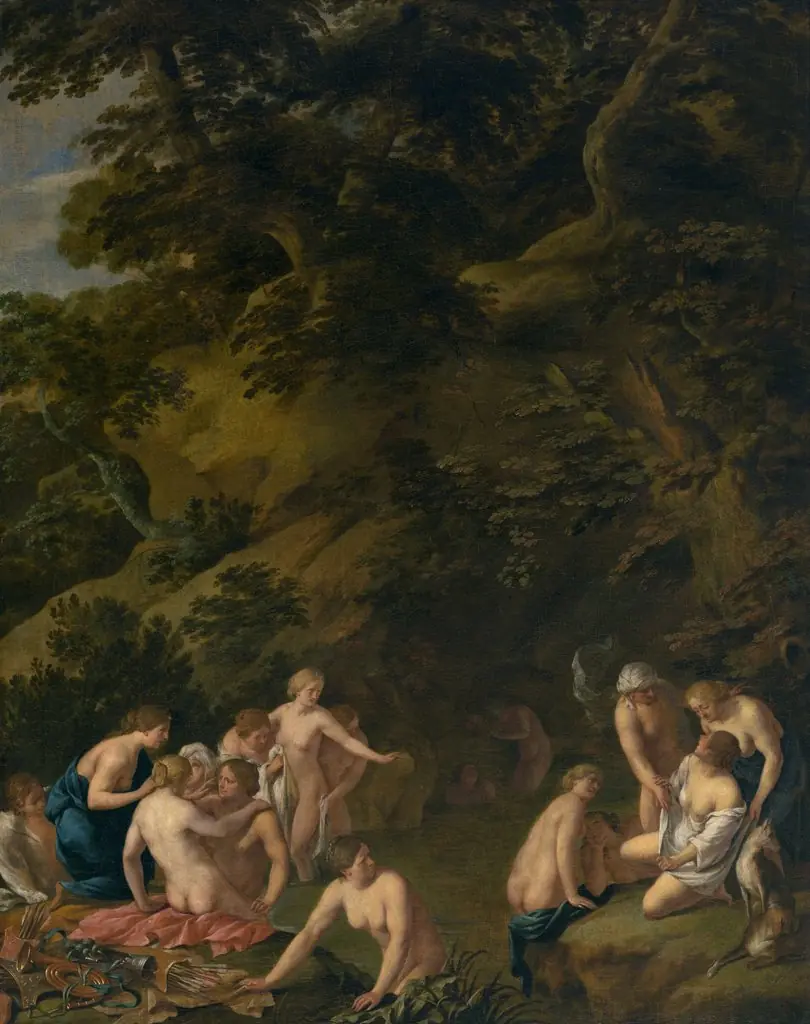
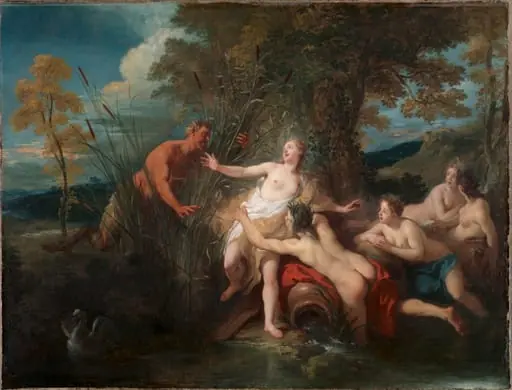
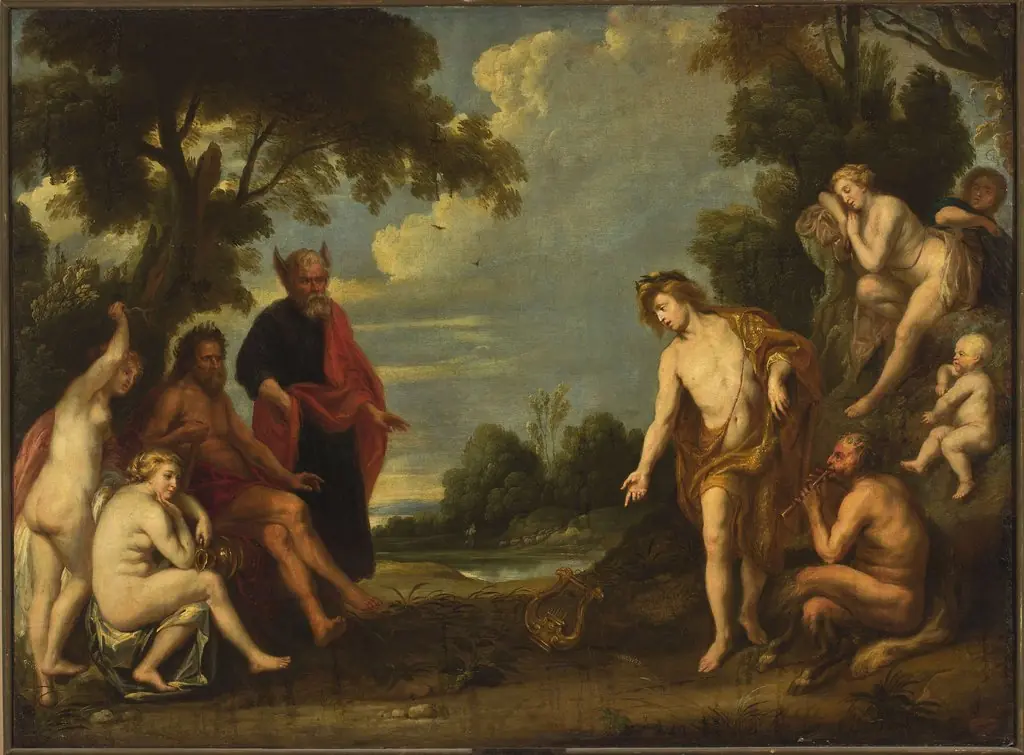
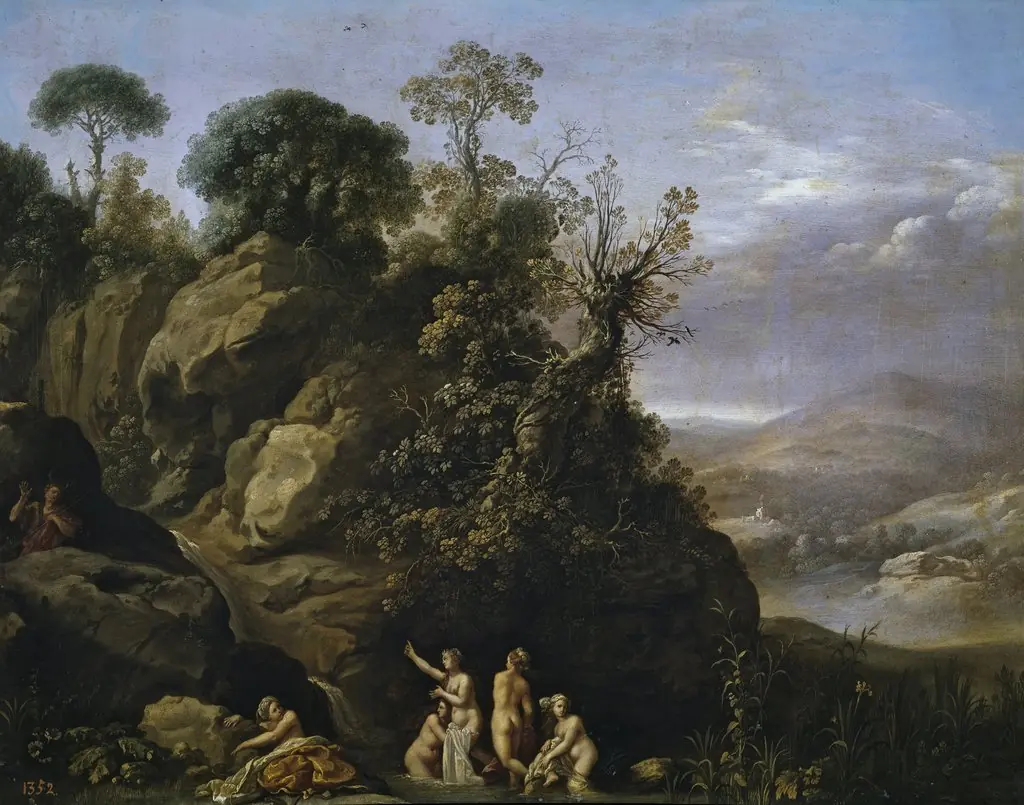
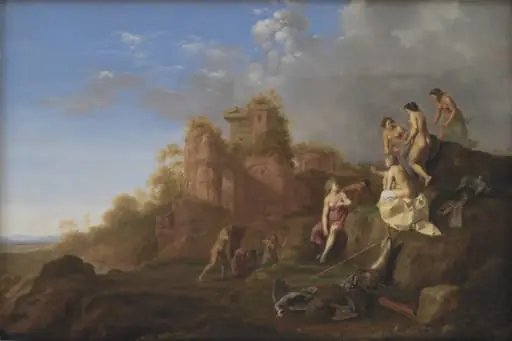
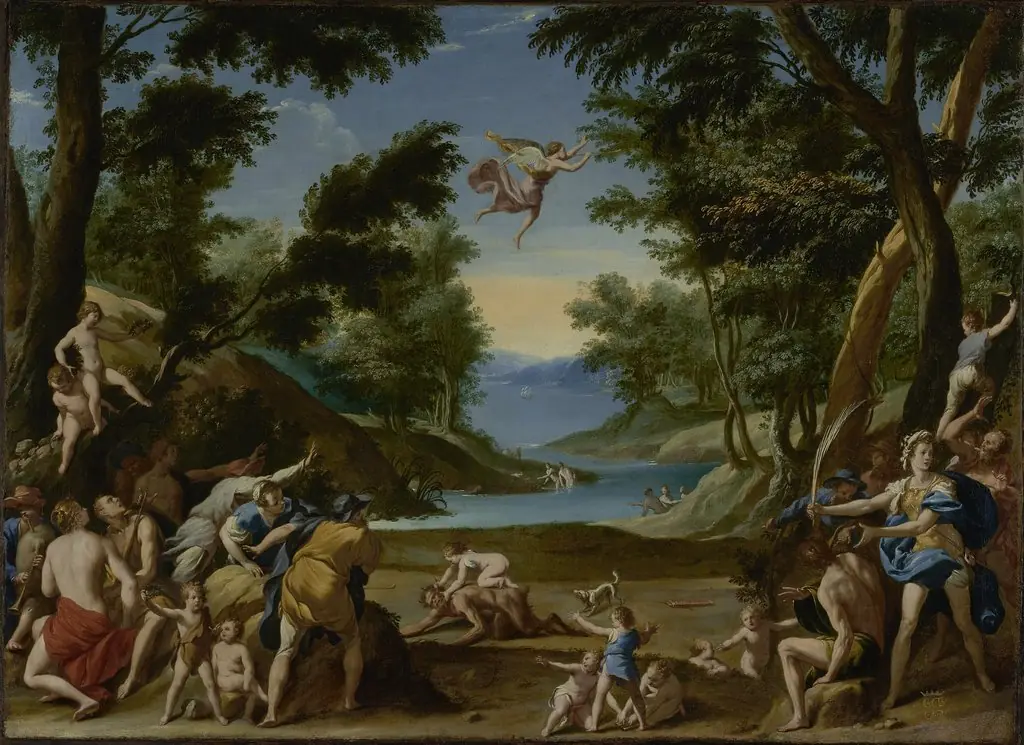
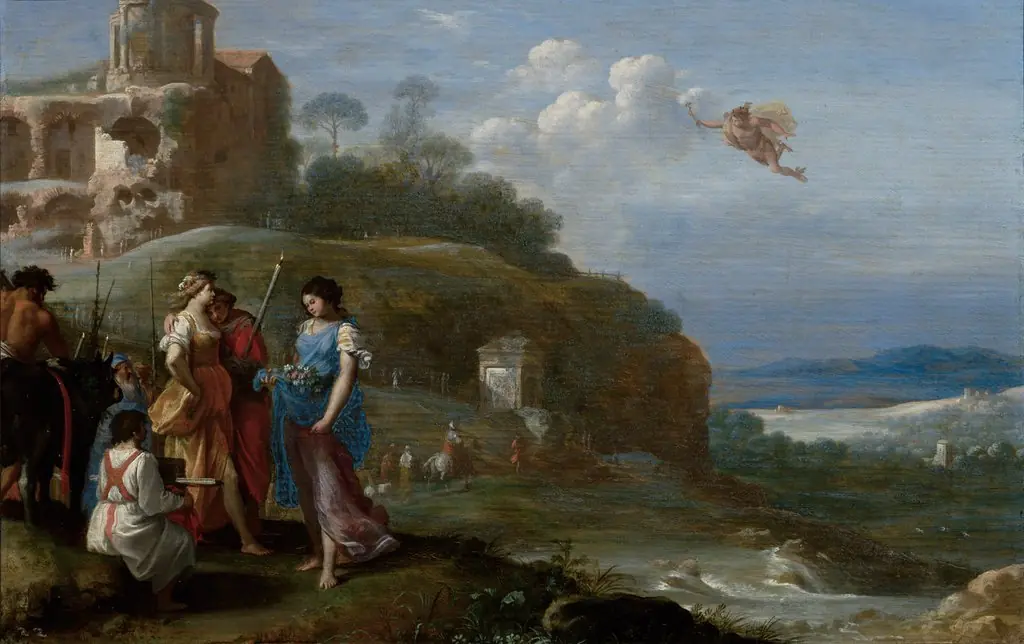
Mercury and Herse is an oil painting by the Dutch Golden Age artist Claes Corneliszoon Moeyaert. It dates from 1624 and is held in the collection of the Mauritshuis.
About this work
Overview
Claes Corneliszoon Moeyaert painted *Mercury and Herse* in 1624 using oil on panel. A Dutch artist active during the Golden Age, Moeyaert was influenced by his time in Italy and likely trained under or alongside Pieter Lastman in Amsterdam. The work belongs to the Mauritshuis collection in The Hague, where it remains as one of the few surviving mythological subjects from his oeuvre.
Subject & Meaning
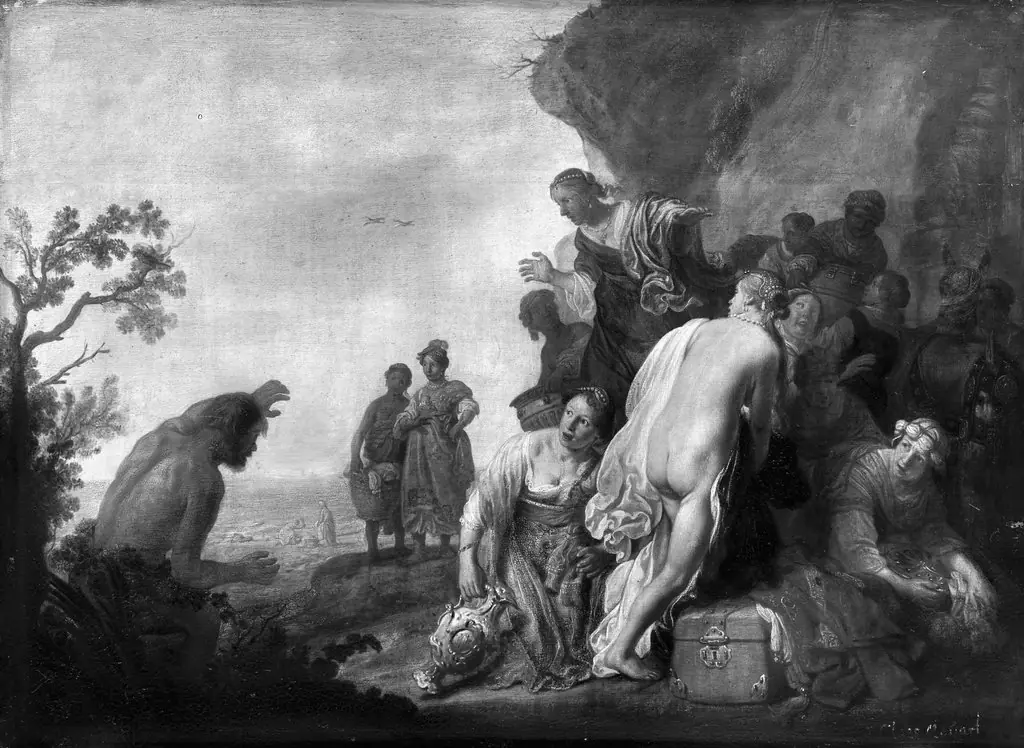
The painting illustrates a moment from Ovid’s *Metamorphoses*, in which the god Mercury, messenger of the gods, approaches Herse, a mortal princess of Athens.
The painting illustrates a moment from Ovid’s *Metamorphoses*, in which the god Mercury, messenger of the gods, approaches Herse, a mortal princess of Athens. Herse, accompanied by her sister Aglauros, is visited by Mercury in disguise. The floating figure above may represent divine presence or an allegorical element, emphasizing the supernatural intrusion into the human realm, a common theme in Renaissance mythological narratives.
Technique & Style
Moeyaert employs soft chiaroscuro to model the figures, creating a gentle interplay of light and shadow that enhances the intimacy of the scene. The figures are arranged in a quiet, horizontal composition, with flowing drapery and naturalistic poses. The palette is restrained, favoring muted blues, warm flesh tones, and earthy greens, contributing to a calm, contemplative mood rather than dramatic intensity.
History & Provenance
The painting entered the Mauritshuis collection in the 19th century, though its earlier ownership is undocumented. It was likely acquired through private Dutch collections, possibly from Amsterdam, where Moeyaert worked after returning from Italy. No records indicate significant alterations or reattributions, and it has remained consistently identified as Moeyaert’s work since at least the 1800s.
Context
In early 17th-century Amsterdam, mythological subjects were increasingly favored by collectors seeking intellectual and classical themes. Moeyaert’s work reflects the influence of Italian Renaissance and Mannerist traditions absorbed during his travels. While less known than contemporaries like Rembrandt, he contributed to a growing Dutch interest in narrative myth, blending local realism with imported compositional ideals.
Legacy
Though Moeyaert’s reputation faded after his death, *Mercury and Herse* endures as a quiet example of Dutch mythological painting from the early Baroque period. It offers insight into how Northern artists interpreted classical stories with restrained emotion and domesticated grandeur, distinguishing their approach from the more theatrical Italian treatments of the same subjects.
Own this work as a print
Artist & collection
Artist
Claes Corneliszoon Moeyaert or Nicolaes Moyaert or Mooyaert (1592–1655) was an authoritative Catholic Dutch painter.