Artwork
Sands near Boulogne
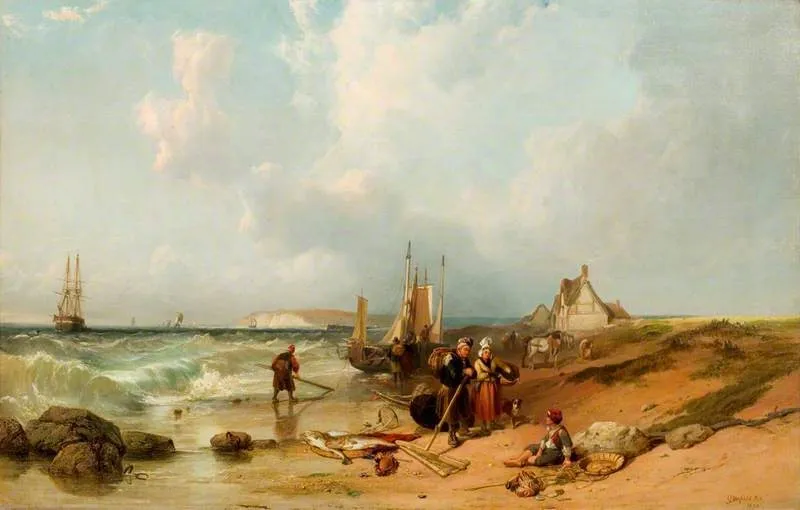
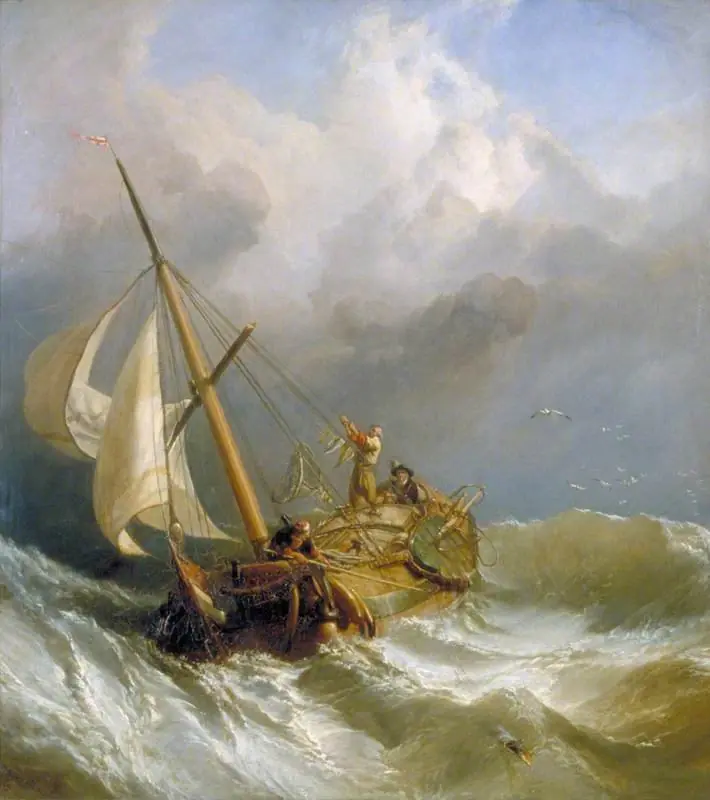
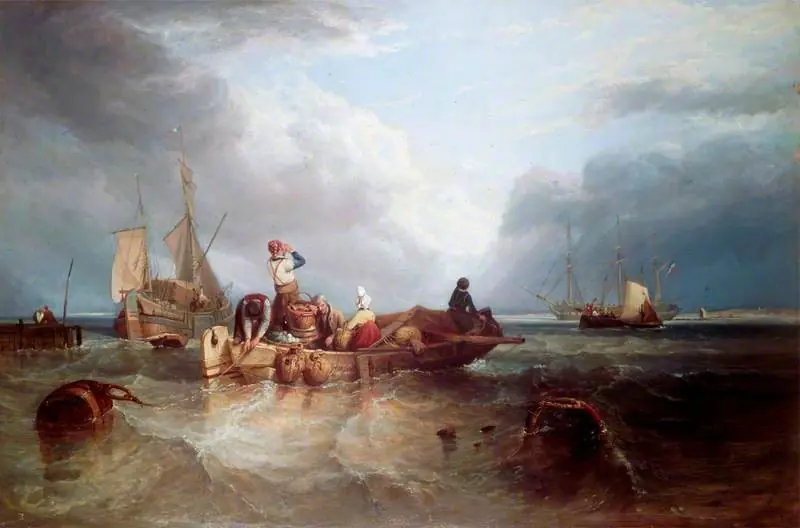
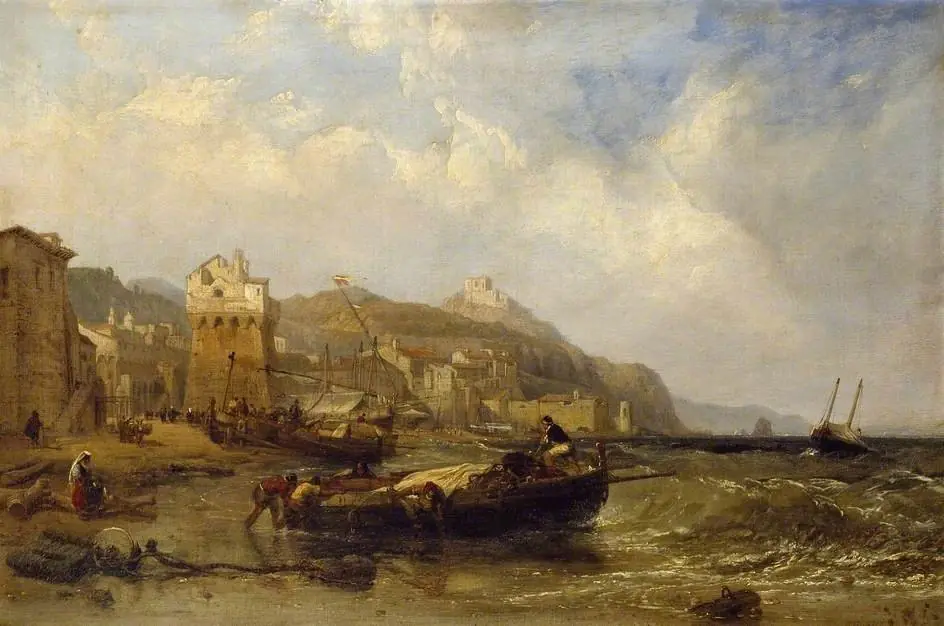
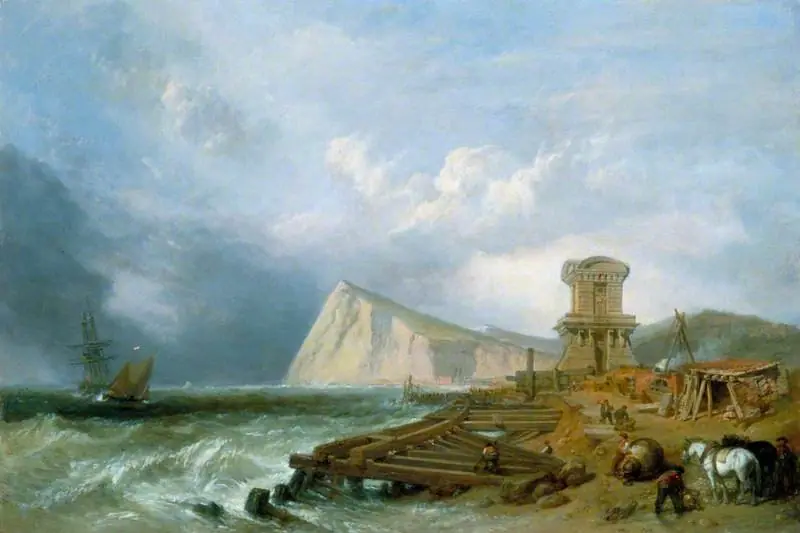
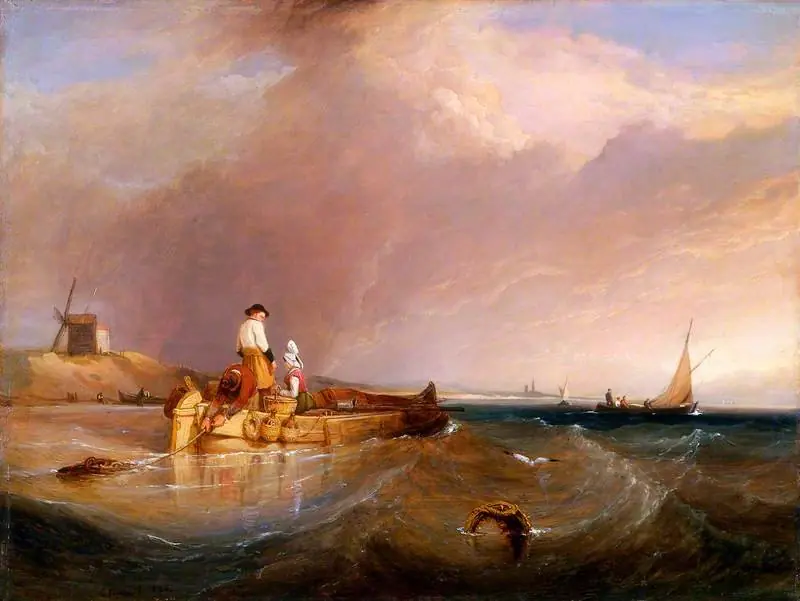
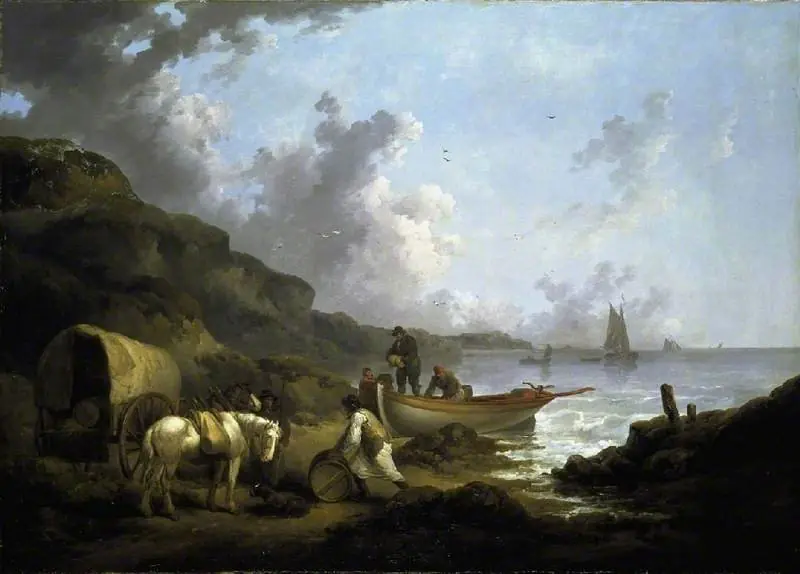
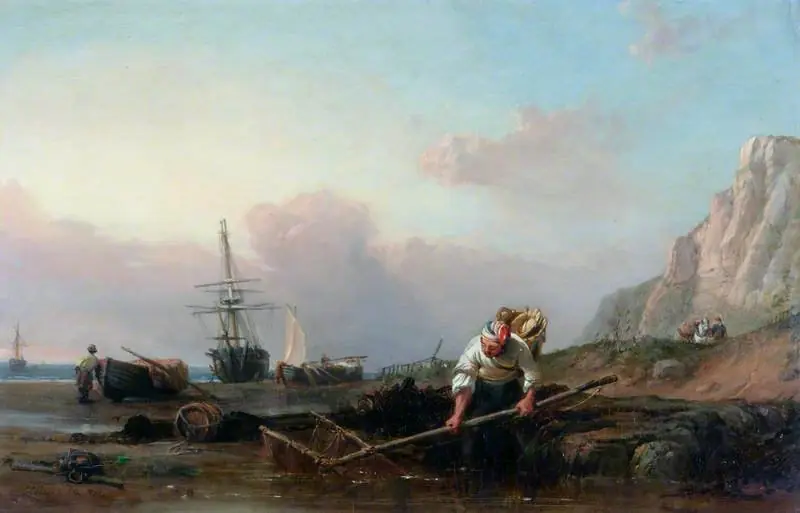
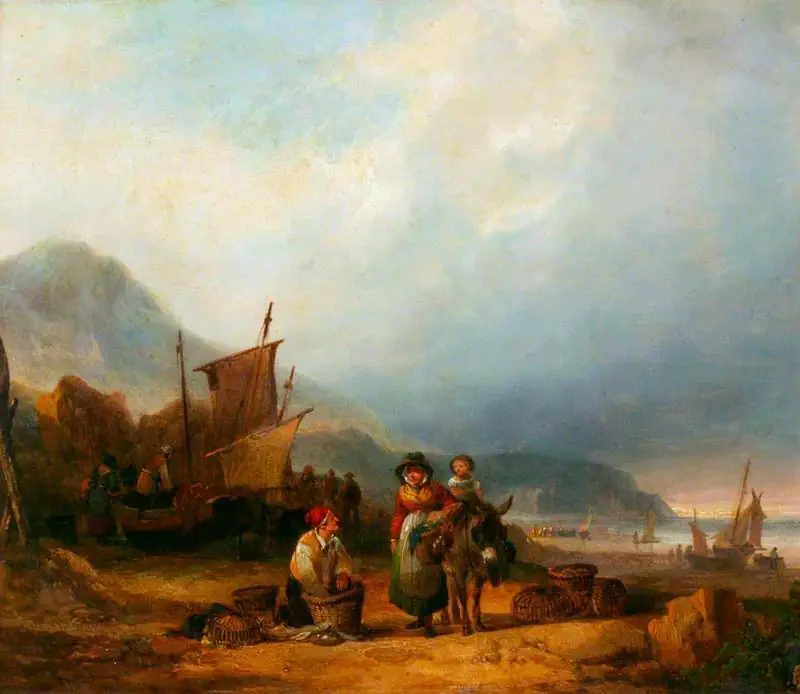
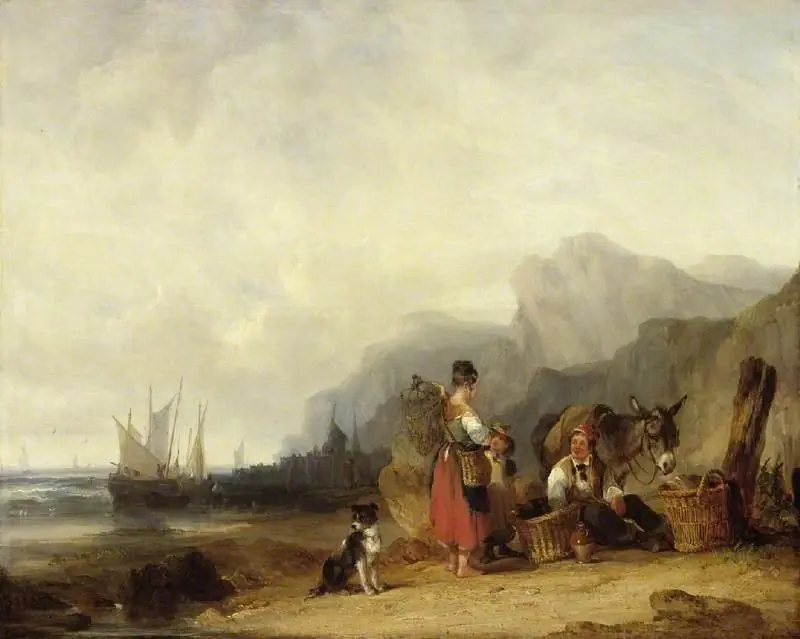
Sands near Boulogne is an oil painting by Clarkson Frederick Stanfield. It dates from 1838 and is held in the collection of the Victoria and Albert Museum. Painted in 1838 by Clarkson Stanfield, this oil on canvas depicts a quiet stretch of coastline near Boulogne, France.
About this work
Overview
Painted in 1838 by Clarkson Stanfield, this oil on canvas depicts a quiet stretch of coastline near Boulogne, France. The work captures a moment of everyday life along the shore, with figures engaged in coastal labor and vessels resting on the water. It was exhibited at the Royal Academy that year and later entered the Victoria and Albert Museum through a major donation in 1857.
Subject & Meaning
The scene portrays ordinary people on a northern French beach—fishers, gatherers, and observers—going about their routines amid the tide and wind. No grand narrative is present; instead, the painting emphasizes the quiet rhythm of coastal existence. The absence of drama or idealization reflects a shift toward observed reality, aligning with broader 19th-century interests in everyday life.
Technique & Style
Stanfield employs a restrained palette of muted grays, ochres, and blues to convey the overcast sky and damp sand. Brushwork is precise yet unobtrusive, rendering textures of fabric, wood, and water with quiet accuracy. The composition balances horizontal bands of shore, sea, and sky, creating a sense of stillness that reinforces the painting’s contemplative tone.
History & Provenance
Exhibited at the Royal Academy in 1838, the painting was acquired by John Sheepshanks, a noted collector of contemporary British art. In 1857, it became part of his bequest to the newly founded Victoria and Albert Museum. In 1870, Richard Redgrave selected it among twenty works from the gift for special recognition, underscoring its standing within the museum’s early collection.
Context
Stanfield, a former sailor, brought firsthand knowledge of maritime life to his landscapes. His work followed in the wake of Richard Parkes Bonington’s French coastal scenes, though with less emphasis on luminosity and more on structural solidity. The painting reflects a British interest in continental shores during the early Victorian era, when travel to northern France became more accessible.
Legacy
Though not widely reproduced, the painting remains a representative example of mid-19th-century British landscape painting that prioritized observation over romanticism. Its inclusion in the Sheepshanks Gift helped shape the V&A’s early holdings in British art, preserving a quiet record of coastal labor and atmosphere from a period of growing industrial and social change.
Artist & collection
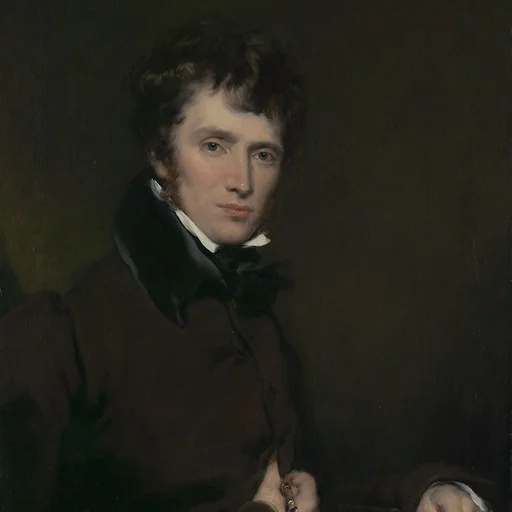
Artist
Clarkson Frederick Stanfield (3 December 1793 – 18 May 1867) was an English artist best known for his large-scale paintings of marine art and landscapes.