Artwork
St. George and the Dragon (1)
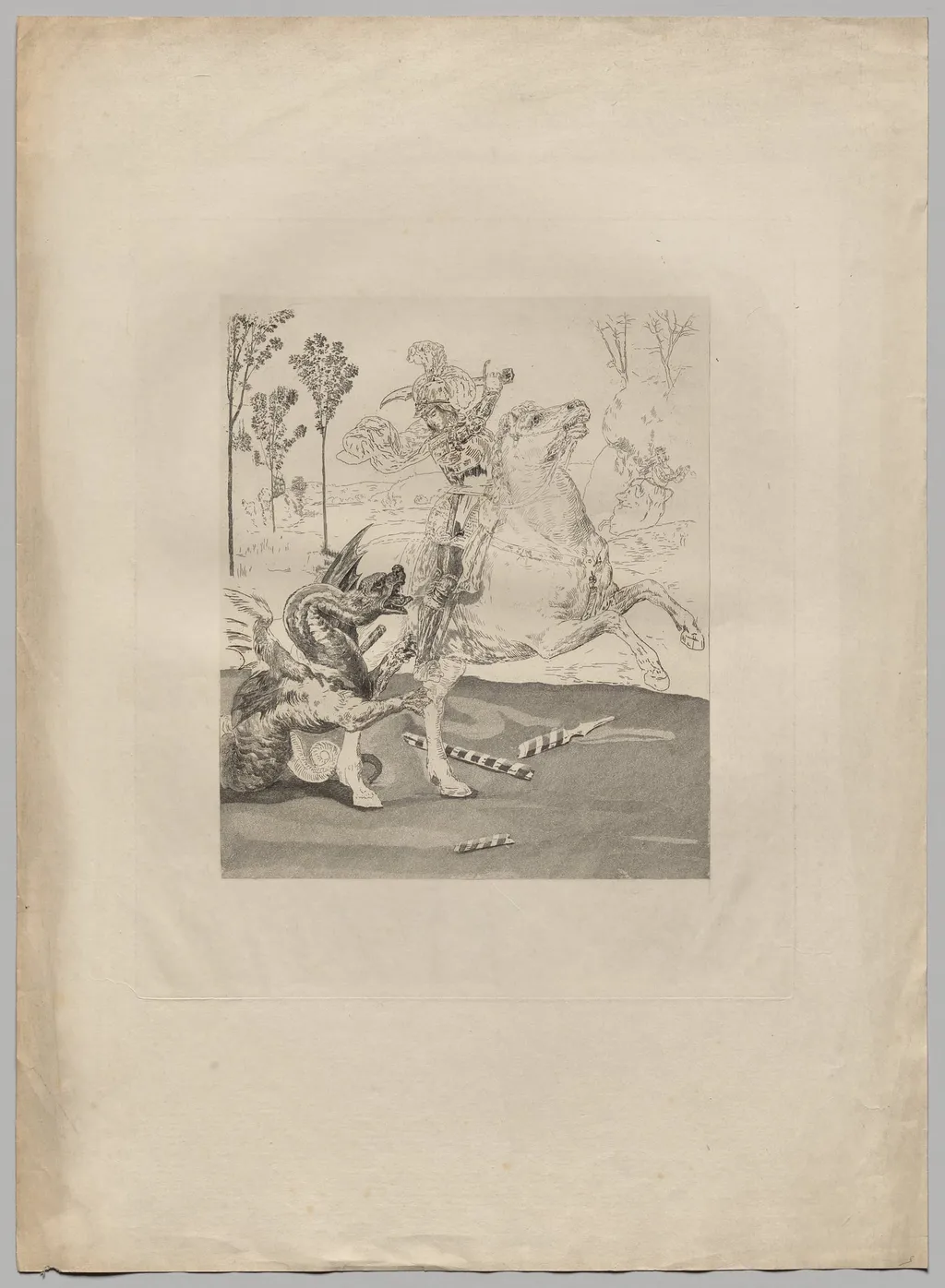
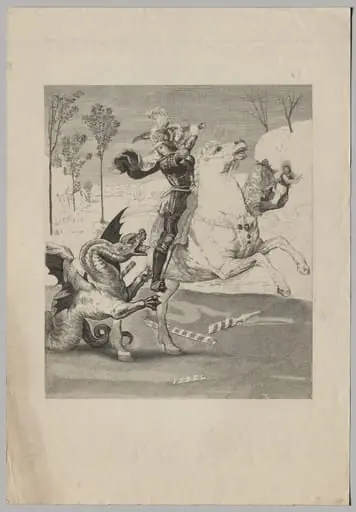
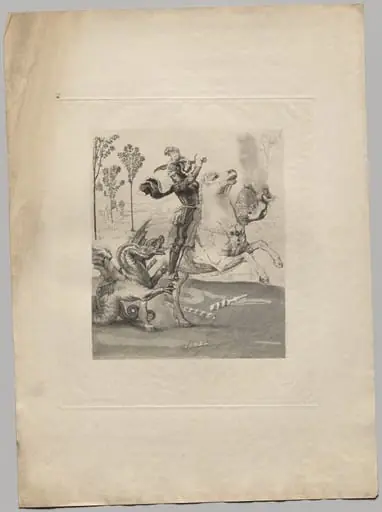
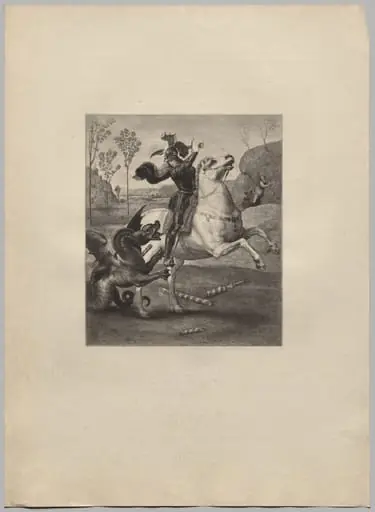
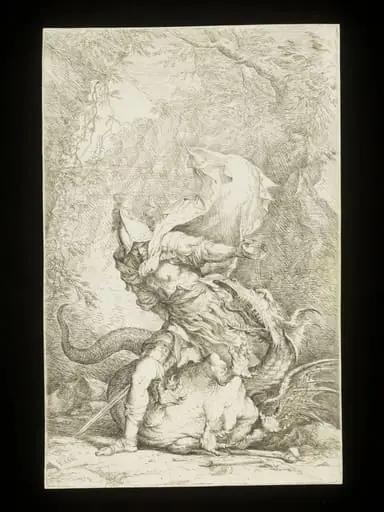
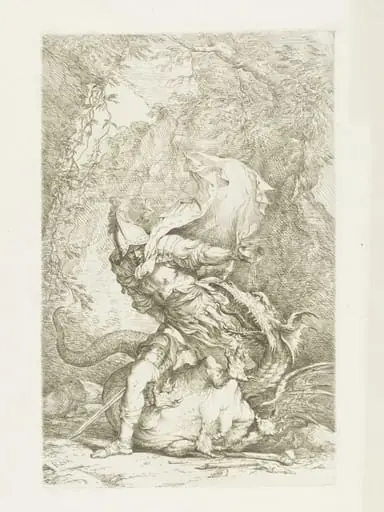
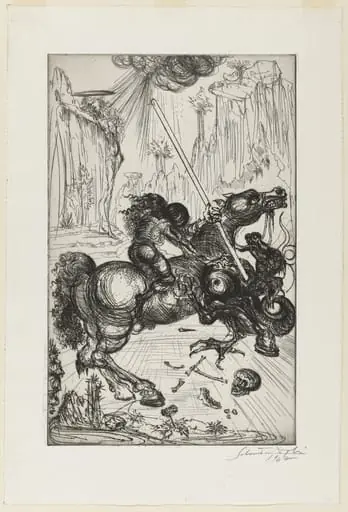
St. George and the Dragon (1) is a print by the Impressionist artist Claude-Ferdinand Gaillard. It dates from 1885 and is held in the collection of the Cleveland Museum of Art.
About this work
Overview
The composition emphasizes movement and tension, characteristic of his late 19th-century style, which blended narrative clarity with technical precision.
Created in 1885 by the Paris-based artist Claude-Ferdinand Gaillard, this engraving captures the medieval legend of Saint George confronting a dragon. Gaillard, known for his work in both painting and printmaking, employed fine line work and subtle tonal gradations to render the scene. The composition emphasizes movement and tension, characteristic of his late 19th-century style, which blended narrative clarity with technical precision.
Subject & Meaning
The image illustrates the apocryphal tale of Saint George, a Christian martyr and soldier, defeating a dragon that terrorized a village. The dragon coils around a figure on the ground, likely the intended sacrifice, while the knight, though armored and mounted, has lost his sword—suggesting reliance on courage over weaponry. The scene reflects enduring Christian symbolism of good triumphing over evil, rendered with psychological weight rather than overt piety.
Technique & Style
Gaillard used burin engraving to achieve sharp, controlled lines and delicate shading, creating depth without heavy contrast. The dragon’s scaled body and the knight’s armor are rendered with meticulous detail, while the background trees and hill are suggested with light, sketch-like strokes. The broken sword on the ground adds narrative tension, and the soft modeling of forms gives the scene a tactile realism uncommon in purely decorative prints of the era.
History & Provenance
The print was produced during Gaillard’s active years in Paris, a period when he contributed to illustrated publications and art journals. Though its early ownership is undocumented, it entered the collection of The Cleveland Museum of Art, where it remains as part of their holdings in 19th-century European prints. Its preservation suggests it was valued for its craftsmanship rather than its rarity.
Context
In late 19th-century France, medieval legends experienced a revival in art and literature, often reinterpreted through a lens of romantic realism. Gaillard’s engraving aligns with this trend, avoiding overt symbolism in favor of narrative immediacy. His work reflects broader artistic interests in historical subjects, influenced by both academic traditions and the growing appreciation for printmaking as a serious medium.
Legacy
Gaillard’s *St. George and the Dragon* exemplifies the quiet sophistication of French engraving in the post-Romantic era. While not widely reproduced, it stands as a refined example of how traditional iconography could be reimagined with psychological nuance and technical restraint. The print continues to be studied for its balance of drama and subtlety within the printmaking tradition.
Artist & collection
Artist
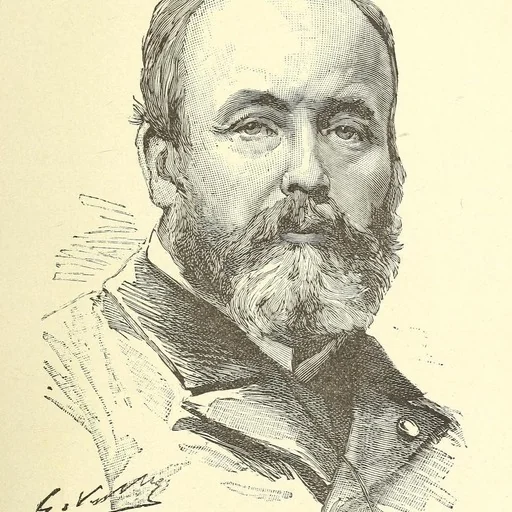
Claude Ferdinand Gaillard (7 January 1834 – 19 January 1887) was a French engraver and painter, who had been born and died in Paris.