Artwork
Pius IX
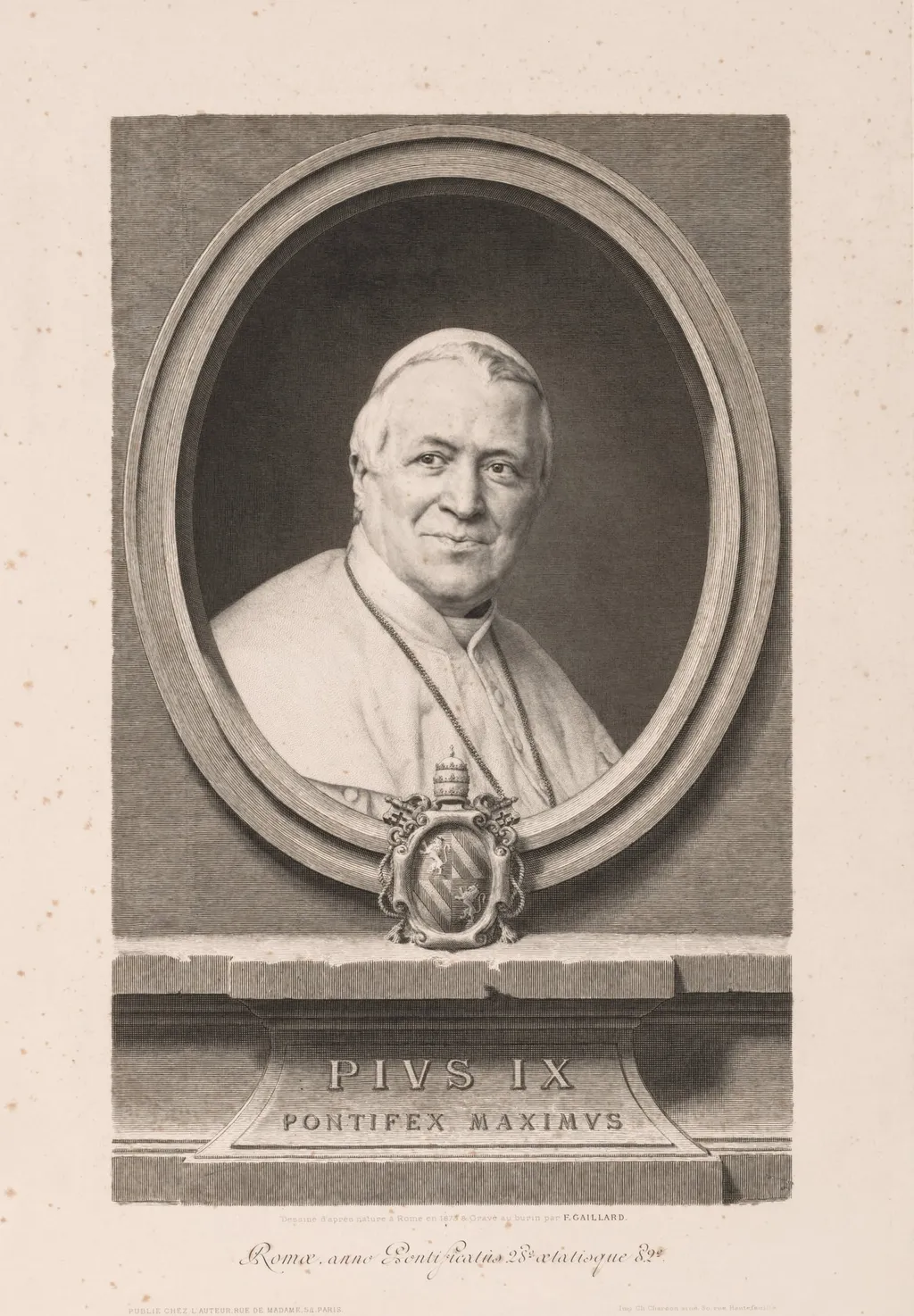
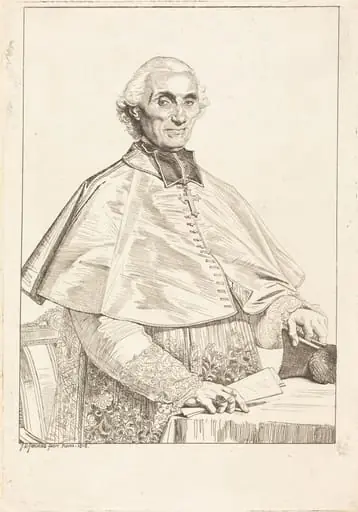
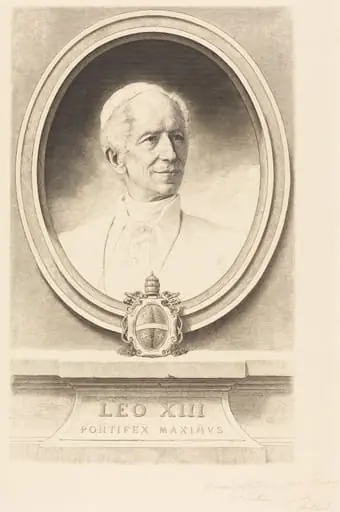
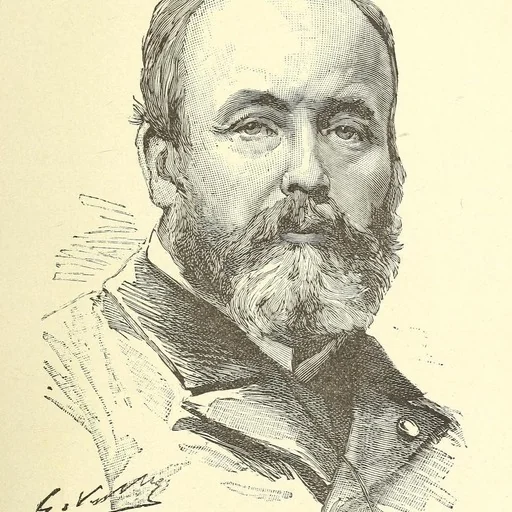
Pius IX is a print by the Impressionist artist Claude-Ferdinand Gaillard. It dates from 1873 and is held in the collection of the Cleveland Museum of Art.
About this work
Overview
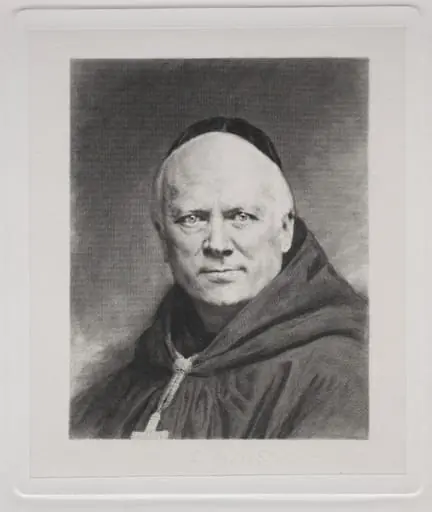
Created in 1873 by French engraver Claude-Ferdinand Gaillard, this black-and-white portrait depicts Pope Pius IX. Executed as a print, it belongs to the collection of the Cleveland Museum of Art. Gaillard, active in Paris during the 19th century, specialized in detailed engraving and was known for his precision in capturing portraiture through tonal contrast and fine line work.
Subject & Meaning
The subject is Pope Pius IX, the longest-reigning pope in modern history, identified by the Latin inscription 'PIVS IX PONTIFEX MAXIMVS' and his papal regalia.
The subject is Pope Pius IX, the longest-reigning pope in modern history, identified by the Latin inscription 'PIVS IX PONTIFEX MAXIMVS' and his papal regalia. The white zucchetto with a cross and the ornate collar signify his ecclesiastical authority. The inclusion of a small coat of arms beneath his chin, featuring a cross and a building, represents his papal lineage and jurisdiction, reinforcing his spiritual and institutional role.
Technique & Style
Gaillard employed chiaroscuro to model the pope’s face with strong frontal lighting against a dark background, enhancing the three-dimensionality of his features. The engraving relies on fine, controlled lines to render texture in the fabric, skin, and hat, demonstrating mastery of intaglio printmaking. The absence of color focuses attention on form and expression, aligning with 19th-century academic portraiture conventions.
History & Provenance
The print was produced in 1873 during Pius IX’s pontificate, a period of significant political and religious change in Europe. Gaillard likely created it as part of a series documenting contemporary religious figures. It entered the Cleveland Museum of Art’s collection through established acquisition channels, preserving its historical documentation and artistic value within a major American institution.
Context
In the 1870s, papal imagery was widely circulated through prints and photographs as the Vatican navigated its waning temporal power. Gaillard’s portrait reflects a broader trend of using engraved portraiture to convey authority and legitimacy. The work aligns with European traditions of ecclesiastical representation, where clarity, dignity, and symbolic detail were prioritized over emotional expression.
Legacy
Though not widely exhibited today, the print remains a documented example of 19th-century French engraving applied to religious portraiture. Gaillard’s technique influenced later printmakers working in academic styles, and the piece continues to serve as a reference for studying the visual language of papal authority in the modern era.
Artist & collection
Artist
Claude Ferdinand Gaillard (7 January 1834 – 19 January 1887) was a French engraver and painter, who had been born and died in Paris.