Artwork
Pastoral Scene with Classical Figures
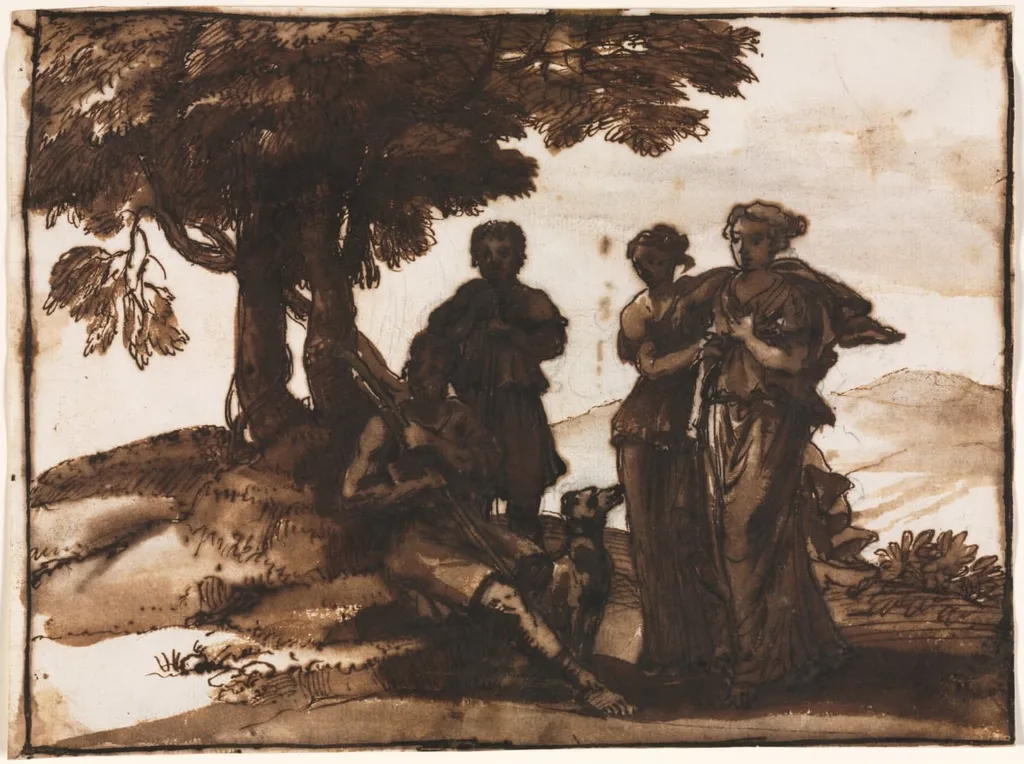
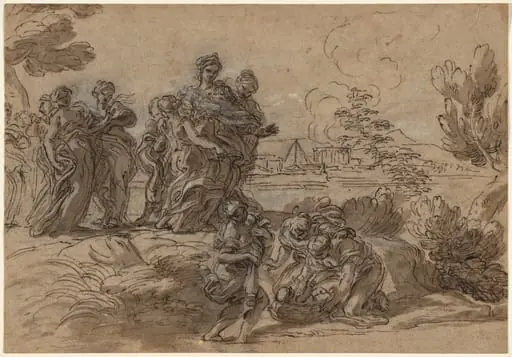
Pastoral Scene with Classical Figures is a drawing by the Baroque artist Claude Lorrain. It dates from 1642 and is held in the collection of the Cleveland Museum of Art.
About this work
Overview
Claude Lorrain’s drawing presents a composed vision of rural tranquility, blending natural elements with classical figures.
Claude Lorrain’s drawing presents a composed vision of rural tranquility, blending natural elements with classical figures. Unlike topographical records, this scene is an idealized construction, designed to evoke a timeless, harmonious atmosphere. The composition centers on a gentle riverbank beneath a sprawling tree, where figures in ancient attire rest amid grazing sheep and golden grasses, all bathed in a diffused, luminous glow.
Subject & Meaning
The figures in togas, likely drawn from Roman mythology or pastoral poetry, inhabit a landscape untouched by labor or conflict. Their relaxed postures suggest an idealized antiquity, where nature and civilization coexist in serene balance. This vision reflects Renaissance humanist ideals, reviving classical themes not as historical reconstruction but as emotional and moral refuge from contemporary turmoil.
Technique & Style
Lorrain employed delicate pen and ink with subtle washes to model form and suggest atmospheric depth. Light is not depicted as direct illumination but as a pervasive, ambient glow, achieved through graded tonal transitions. The soft edges and muted contrasts create a hazy, dreamlike quality, reinforcing the scene’s otherworldly calm and aligning with the principles of chiaroscuro used to evoke mood rather than realism.
History & Provenance
This drawing belongs to a body of works produced during Lorrain’s decades in Rome, where he developed his signature style through repeated studies of light and landscape. While many of his finished paintings were commissioned by wealthy patrons, these preparatory drawings were often personal explorations, later collected by connoisseurs for their poetic precision and compositional clarity.
Context
In 17th-century Europe, landscape was gaining status as an independent genre, moving beyond mere background. Lorrain’s work responded to a growing fascination with classical antiquity and the emotional potential of nature. His invented scenes offered an alternative to urban life, resonating with patrons who sought solace in imagined pastoral worlds rooted in Roman literary tradition.
Legacy
Lorrain’s approach influenced generations of landscape artists, particularly in Britain and France, where his emphasis on atmospheric light and idealized composition became foundational. His drawings, valued for their quiet authority, helped establish landscape as a vehicle for contemplation rather than mere representation, shaping how later artists perceived the emotional resonance of natural light.
Artist & collection
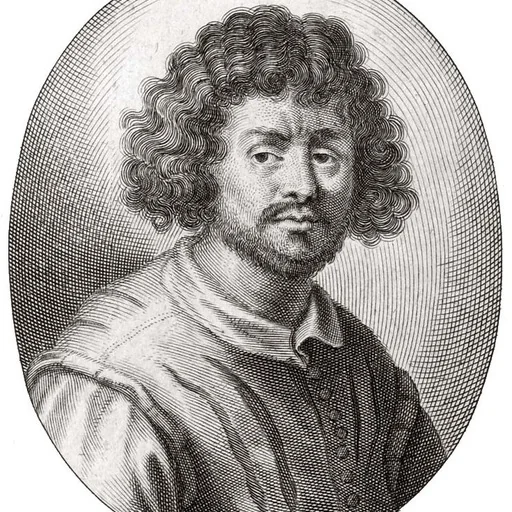
Artist
Claude Lorrain (French: ; born Claude Gellée , called le Lorrain in French; traditionally just Claude in English; c.

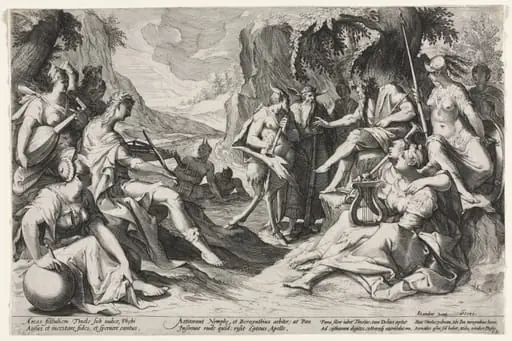 The Judgment of Midas
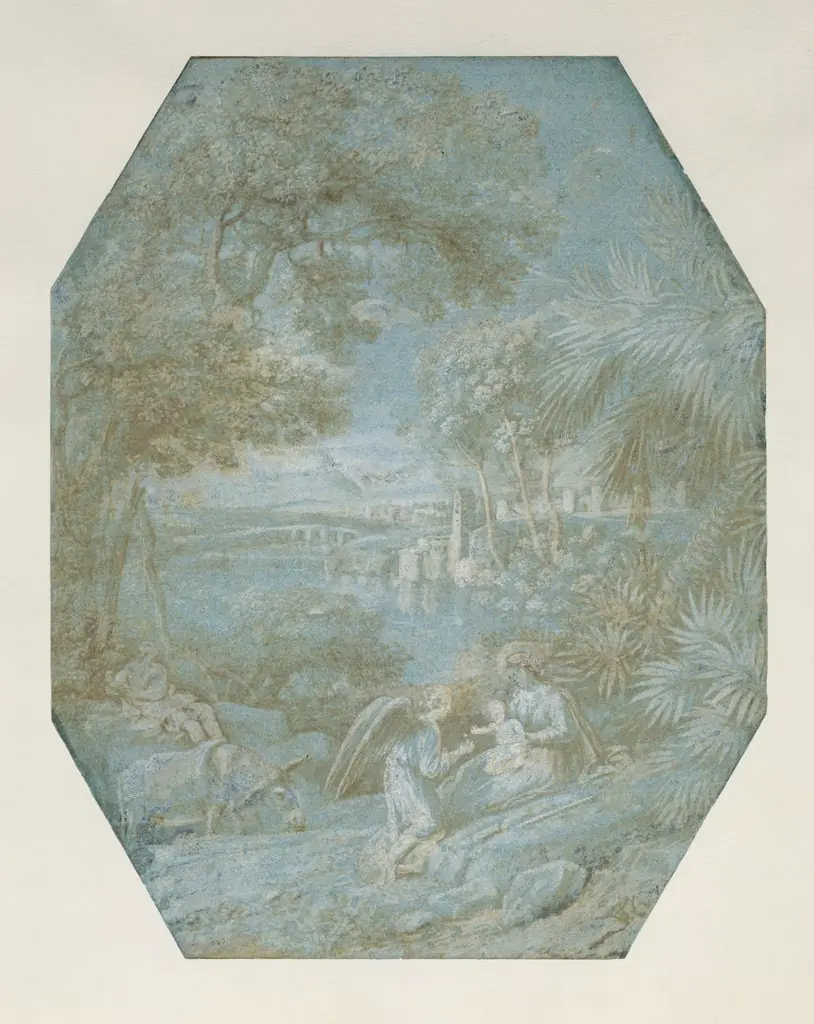
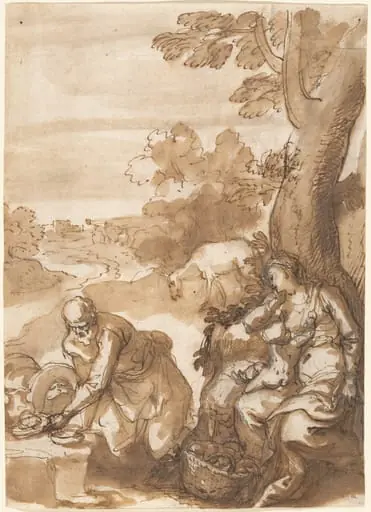 Rest on the Flight into Egypt
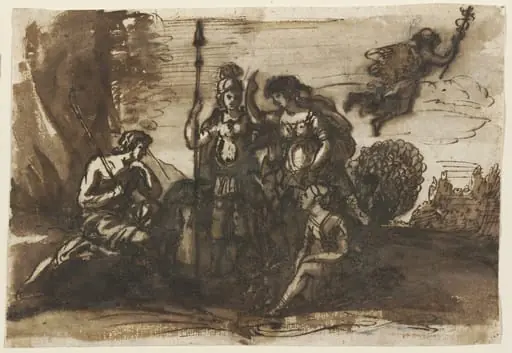 The Judgment of Paris
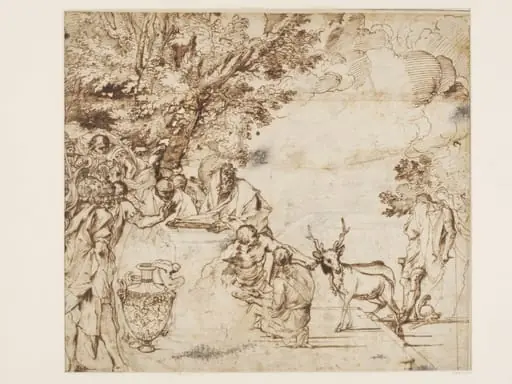 The Sacrifice of Iphigenia
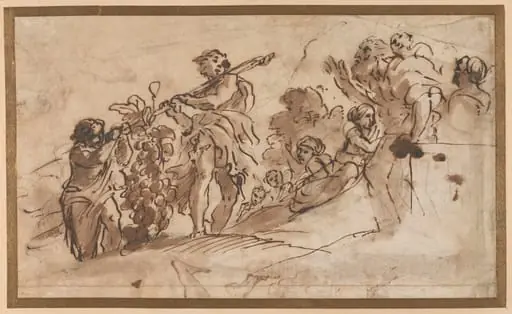 The Return of the Spies from the Promised Land
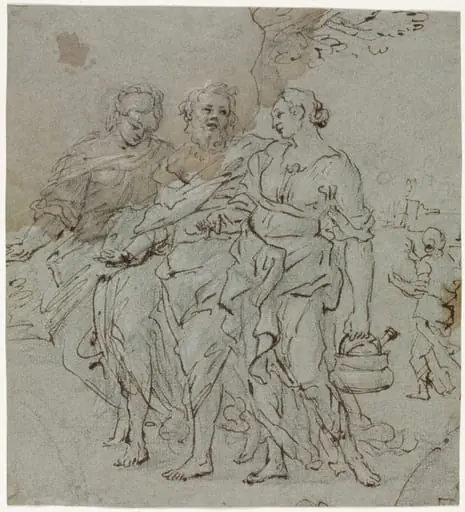 Lot and His Daughters (recto)
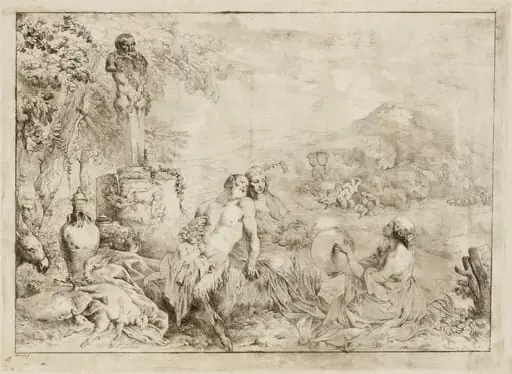 Landscape with a Satyr Family and Classical Sculpture
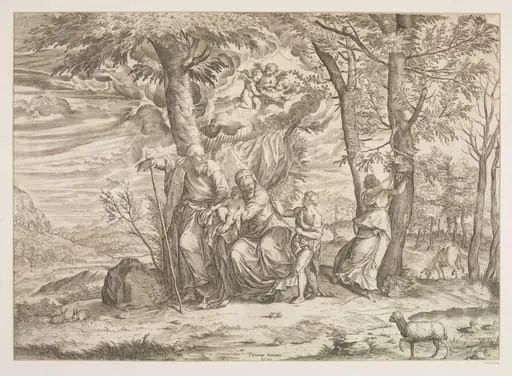 Holy Family
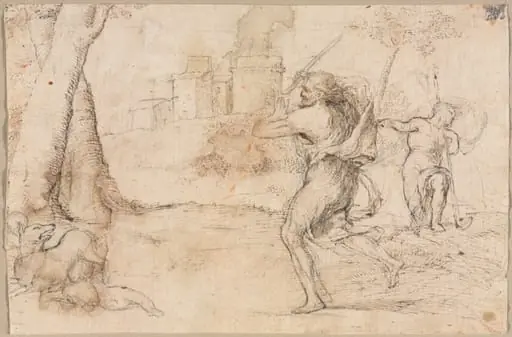 Romulus and Remus Found by Faustulus (recto)
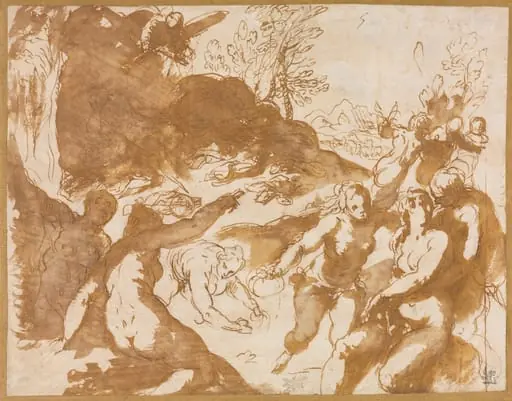 Apollo and the Muses Awakened by the Call of Fame
 The Finding of Moses
 Temporalitas Aeternitas