Artwork
The Sacrifice of Iphigenia
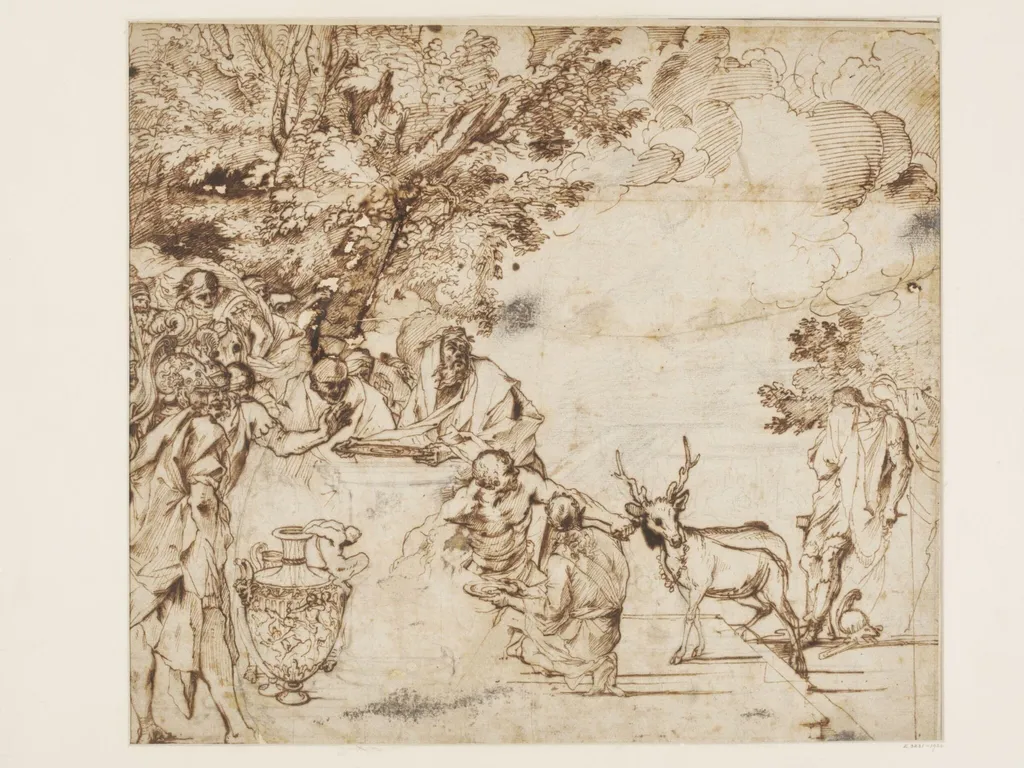
The Sacrifice of Iphigenia is a drawing by the Baroque artist Pietro Testa. It dates from 1642 and is held in the collection of the Victoria and Albert Museum. The drawing is a preparatory study created around 1642 for an intended engraving.
About this work
This is a Baroque drawing from around 1642. It shows a myth story from the Trojan War. The moment is when the goddess Diana saves Iphigenia by swapping her with a deer.
The artist made this as a warm-up for an engraving he planned to print the same year. It mixes ancient gods and human drama in one scene.
Next, check out the Victoria and Albert Museum.
Overview
The drawing is a preparatory study created around 1642 for an intended engraving. Executed in a Baroque manner, it depicts the mythological episode in which the goddess Diana intervenes to spare Iphigenia, substituting her with a deer. The work reflects the artist’s engagement with classical narratives and serves as a compositional trial for the final print.
Subject & Meaning
The scene captures the climactic moment of the Iphigenia myth, part of the larger Trojan War saga, where divine mercy averts a human sacrifice. By showing Diana’s intervention, the composition emphasizes themes of salvation, the power of the divine over mortal fate, and the tension between ritual duty and compassion.
Technique & Style
Rendered in pen and wash, the study exhibits vigorous line work characteristic of mid‑17th‑century Roman drawing. The figures are arranged in dynamic, overlapping poses, creating a sense of movement typical of Baroque drama. Light shading suggests volume and the impending substitution of the maiden with the animal, while the handling of drapery hints at the artist’s later print techniques.
History & Provenance
The drawing was produced by Pietro Testa (1612‑1650), a Roman artist known for his skill in both printmaking and drawing. Created as a preparatory piece for an engraving planned in the same year, it exemplifies Testa’s late‑period focus on antiquity and mythological subjects. The work now resides in the collection of the Victoria and Albert Museum.
Artist & collection
Artist
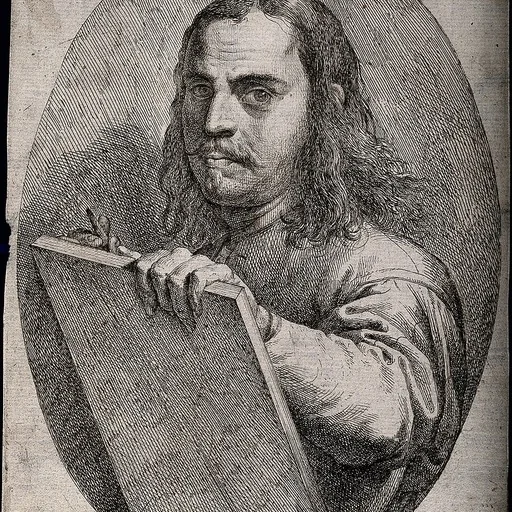
Pietro Testa (1612 – 1 March 1650) was an Italian High Baroque artist active in Rome.

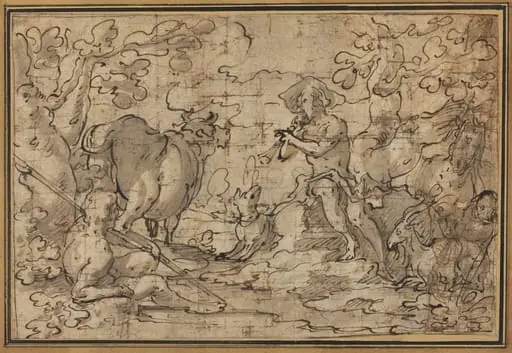 Mercury and Argus
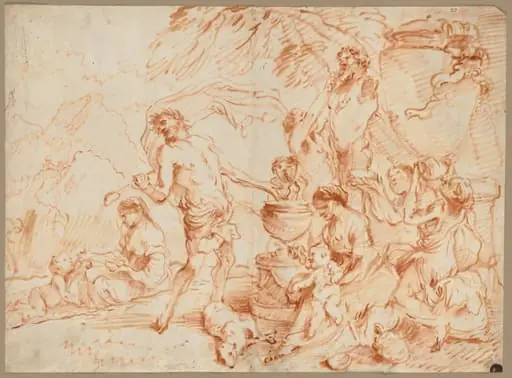 Bacchanal Before a Herm
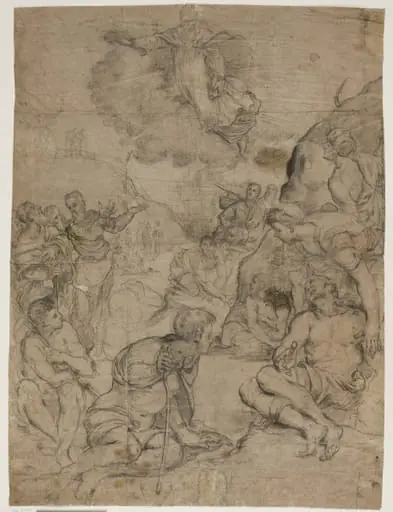 St Augustine healing the paralytics, after Tintoretto’s painting in the Museo Civico, Vicenza
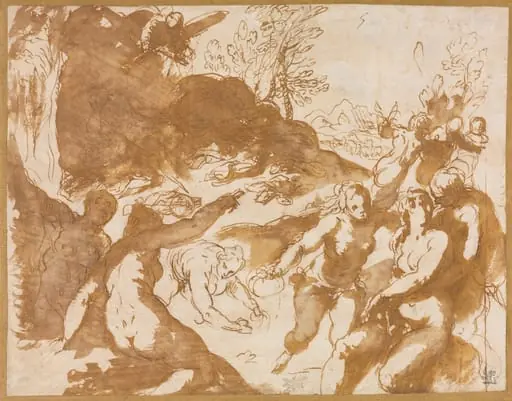 Apollo and the Muses Awakened by the Call of Fame
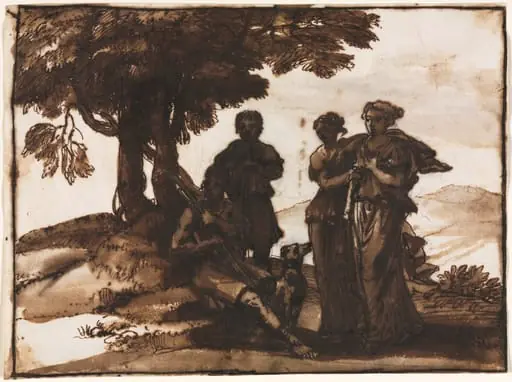 Pastoral Scene with Classical Figures
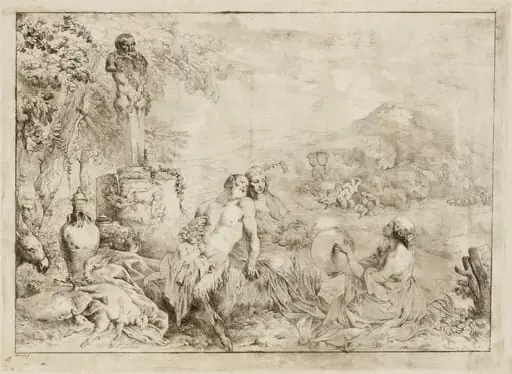 Landscape with a Satyr Family and Classical Sculpture
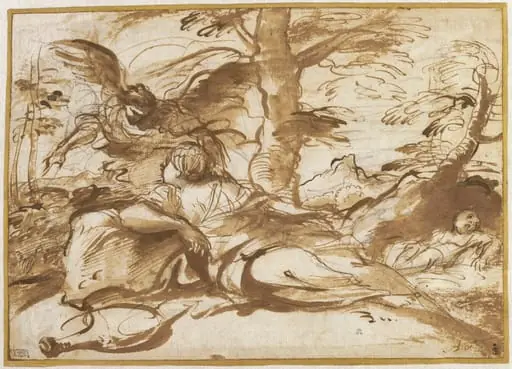 The Angel Appearing to Hagar in the Desert (recto)
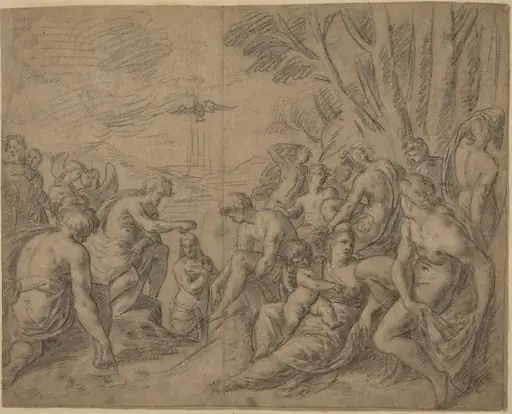 The Baptism of Christ
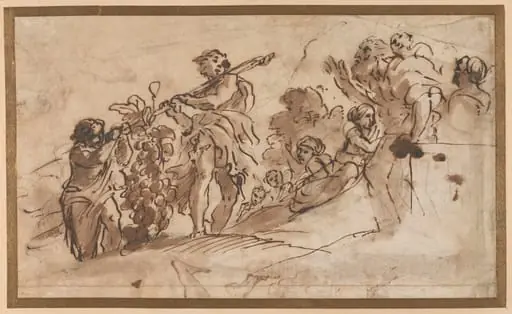 The Return of the Spies from the Promised Land