Artwork
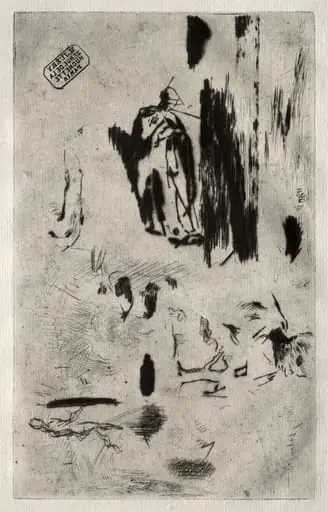
Study of a Seated Woman and other Sketches
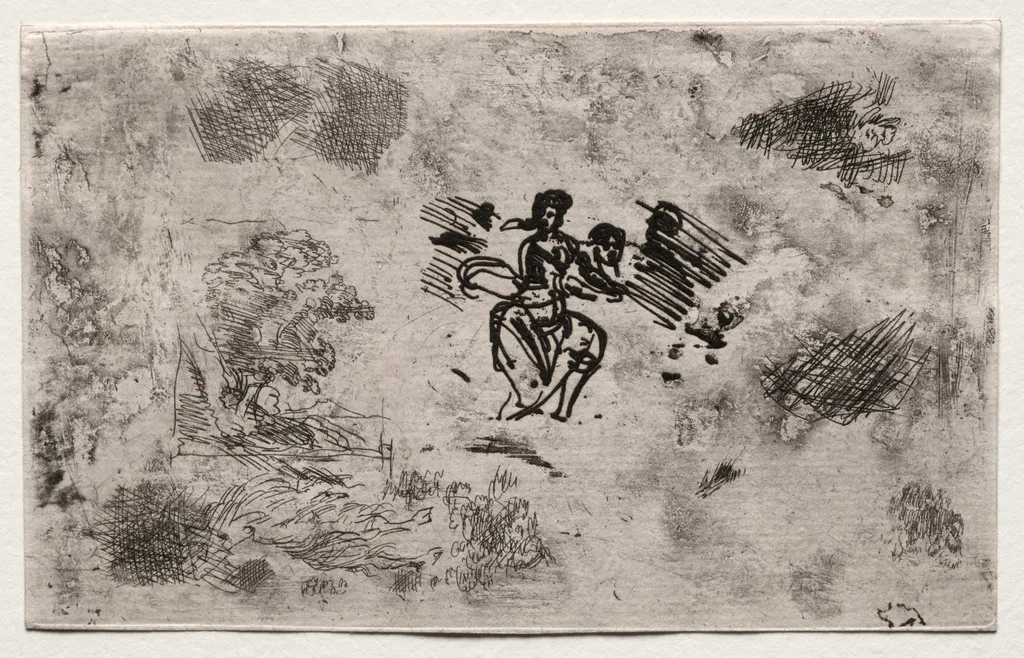
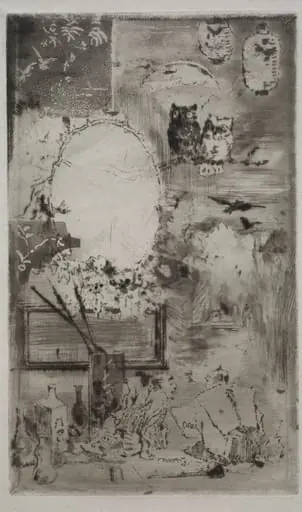
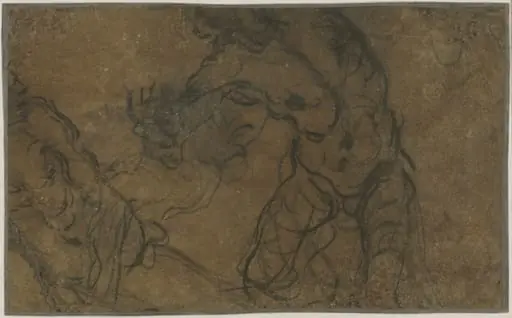
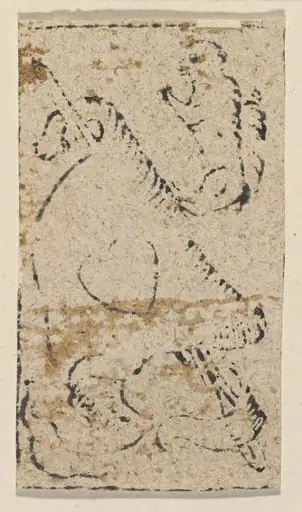
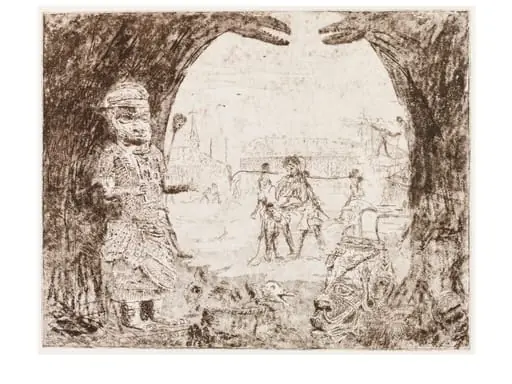
Study of a Seated Woman and other Sketches is a print by the Baroque artist Claude Lorrain. It dates from 1632 and is held in the collection of the Cleveland Museum of Art.
About this work
Overview
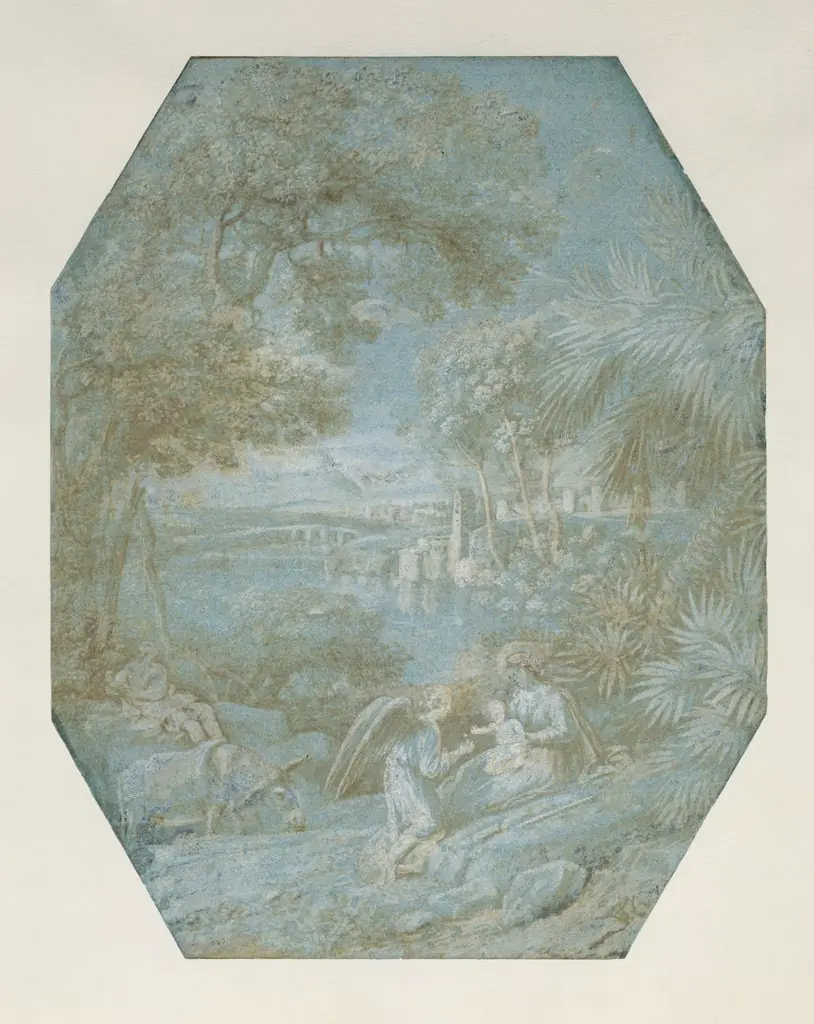
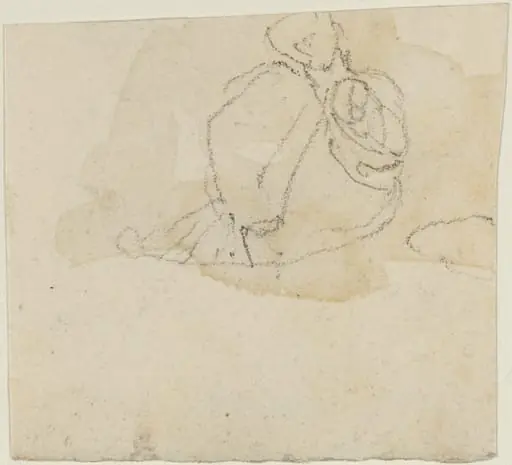
Created around 1632, this sheet of paper contains a series of spontaneous drawings by Claude Lorrain, a French artist active in Italy.
Created around 1632, this sheet of paper contains a series of spontaneous drawings by Claude Lorrain, a French artist active in Italy. While best known for polished landscape paintings, Lorrain frequently used sketching to explore forms and compositions. This particular sheet combines a central figure of a seated woman with a child alongside fragmented studies of trees, architecture, and passersby, revealing his habit of gathering visual material on the go.
Subject & Meaning
The central figure—a woman seated with a child—suggests a domestic or pastoral moment, common in Lorrain’s broader thematic interests. Surrounding sketches of figures and structures imply an attempt to situate this quiet scene within a larger environment. These elements were likely not intended as a finished composition but as observational notes, capturing human presence within the natural and built world he often depicted in his finished works.
Technique & Style
Lorrain employed quick, irregular lines with a dry medium, possibly metalpoint or chalk, creating a tactile, uneven surface. Dark smudges and faint, abandoned outlines indicate rapid, iterative mark-making. The paper’s worn texture and irregular edges reinforce the sense of a working sketch—unpolished, functional, and responsive to immediate visual stimuli. This approach reflects the artist’s reliance on direct observation over idealized design.
History & Provenance
The drawing has been held by the Cleveland Museum of Art since at least the mid-20th century, though its earlier ownership remains undocumented. It likely entered the museum’s collection through a broader acquisition of European drawings. Its survival in relatively fragile condition suggests it was preserved as a study rather than a finished work, valued for its insight into Lorrain’s creative process rather than its aesthetic finish.
Context
In early 17th-century Italy, artists routinely used sketchbooks to record observations of people, light, and architecture. Lorrain’s practice aligned with this tradition, even as he elevated landscape into narrative painting. These sketches were tools for internalizing the visual language of the Roman countryside, helping him later construct harmonious, mythic scenes. The looseness of this sheet contrasts with his finished oil paintings but reveals the same sensitivity to natural form.
Legacy
This sketch exemplifies how preparatory drawings by Baroque artists served as vital bridges between observation and finished art. Though not widely exhibited, such sheets have informed modern understanding of Lorrain’s working methods. They demonstrate that his celebrated landscapes were built from accumulated, humble studies—evidence of a disciplined, observational practice that underpinned his more polished achievements.
Artist & collection
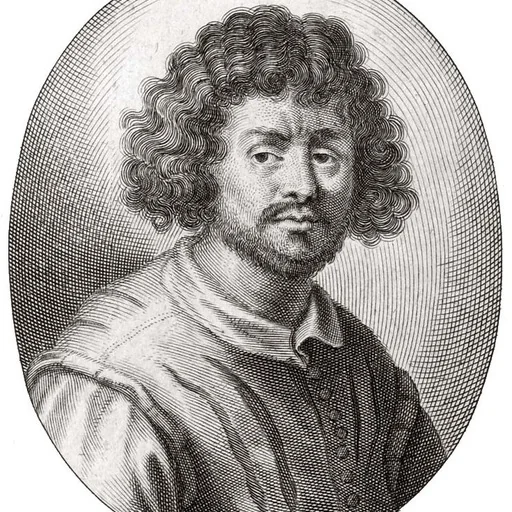
Artist
Claude Lorrain (French: ; born Claude Gellée , called le Lorrain in French; traditionally just Claude in English; c.