Artwork
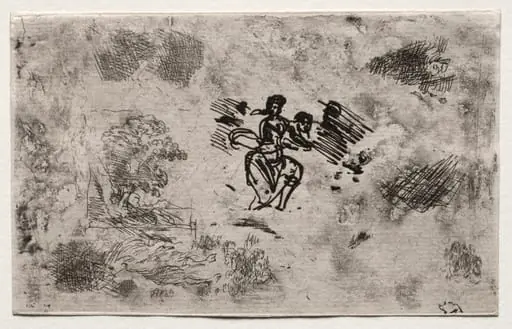
Plate with Sketches
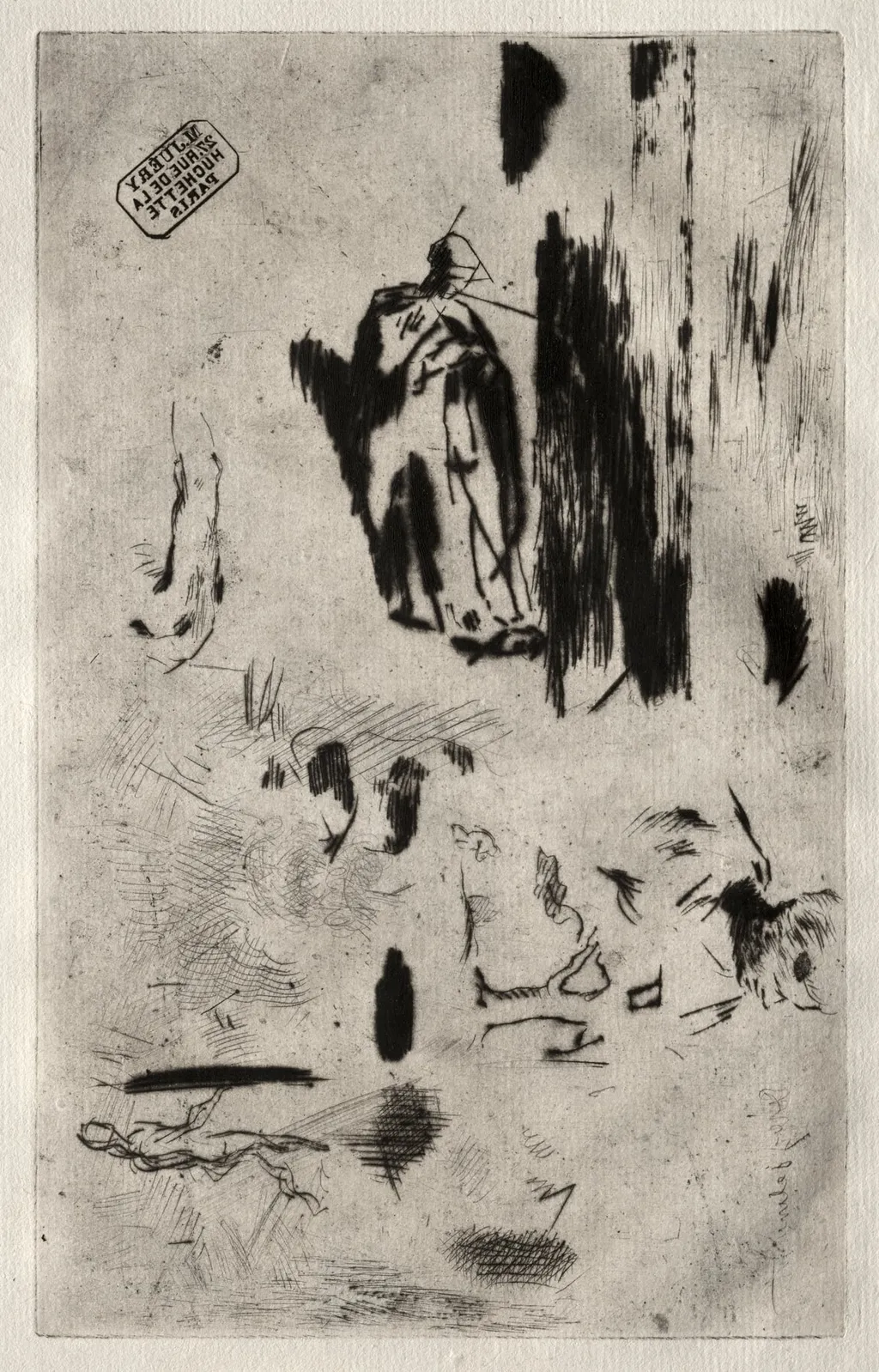
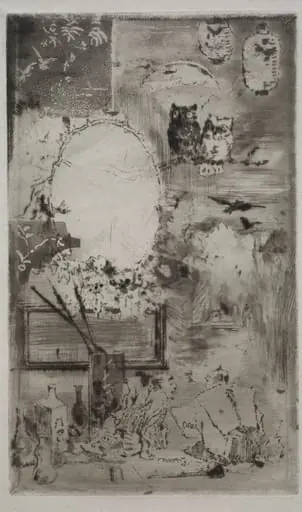
Plate with Sketches is a print by the Impressionist artist Jean François Millet. It dates from 1855 and is held in the collection of the Cleveland Museum of Art.
About this work
Overview
Created circa 1855, *Plate with Sketches* is a print by French artist Jean‑François Millet. The work gathers a series of preparatory drawings, offering insight into his compositional process. It is part of the permanent collection of the Cleveland Museum of Art, where it is displayed among other examples of his graphic output.
Subject & Meaning
The plate assembles a variety of studies that Millet employed in developing larger paintings. The sketches, drawn from everyday life, echo his ongoing interest in rural labor and the dignity of peasant figures, themes that dominate his oeuvre within the Realist tradition.
Technique & Style
Executed as a print, the piece reproduces Millet’s hand‑drawn sketches through etching and line work. The delicate, often spontaneous lines reveal his characteristic use of chiaroscuro and a restrained palette, translating the immediacy of his pencil studies into a reproducible format.
History & Provenance
Millet, a co‑founder of the Barbizon school, produced the plate during a period when he was expanding beyond oil painting into drawing, pastel, and print media. The work entered the Cleveland Museum of Art’s collection through a mid‑20th‑century acquisition, reflecting the institution’s focus on 19th‑century French realism.
Context
At the time of its creation, Millet was establishing himself as a leading realist, documenting the lives of agricultural workers. The plate serves as a visual notebook, illustrating how he gathered visual material for larger compositions that would later appear in his celebrated rural scenes.
Artist & collection
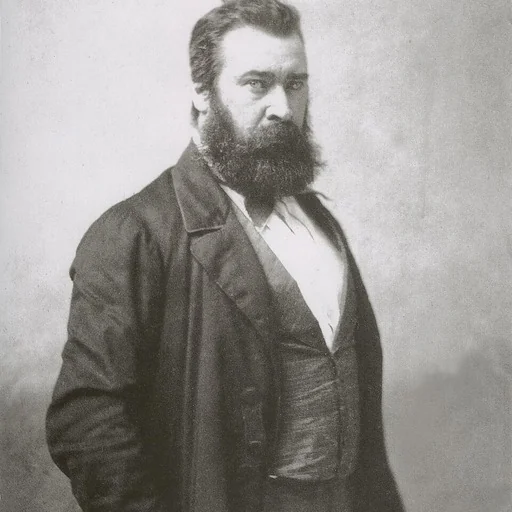
Artist
Jean-François Millet (French pronunciation: ; 4 October 1814 – 20 January 1875) was a French painter and one of the founders of the Barbizon school in rural France.