Artwork
Adhba die Kamelin (Adhba the Camel)
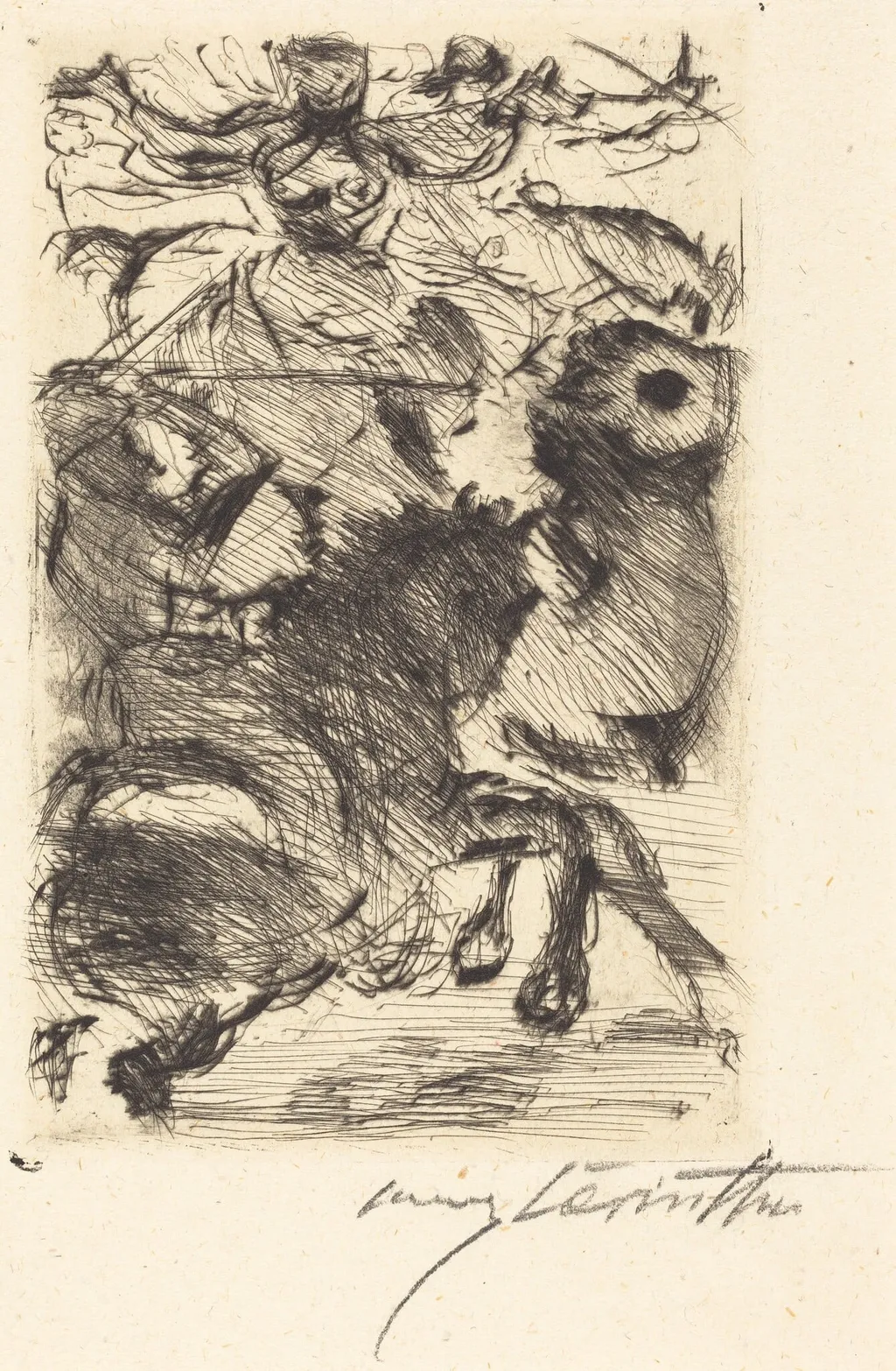
Adhba die Kamelin (Adhba the Camel) is an ink print by Lovis Corinth. It dates from 1919 and is held in the collection of the National Gallery of Art.
About this work
Overview
Adhba die Kamelin (Adhba the Camel) is a 1919 print by Lovis Corinth, a German artist known for his work in painting and printmaking.
Subject & Meaning
The print depicts a camel in profile, rendered in quick, expressive lines that convey a sense of movement and energy. The simplicity of the composition, with its empty background, focuses attention on the camel's form.
Technique & Style
Corinth employed drypoint, etching lines into a metal plate to create the image in black on wove paper. The resulting tangled, overlapping lines give the camel a rough, sketchy appearance, characteristic of the drypoint technique and Corinth's expressive style.
History & Provenance
Created in 1919, the print reflects Corinth's evolving style, which shifted towards a blend of impressionism and expressionism following a stroke in 1911. It also aligns with his involvement in the Berlin Secession, a group he later led.
Artist & collection

Artist
Lovis Corinth was a German artist and writer whose mature work as a painter and printmaker realized a synthesis of impressionism and expressionism.

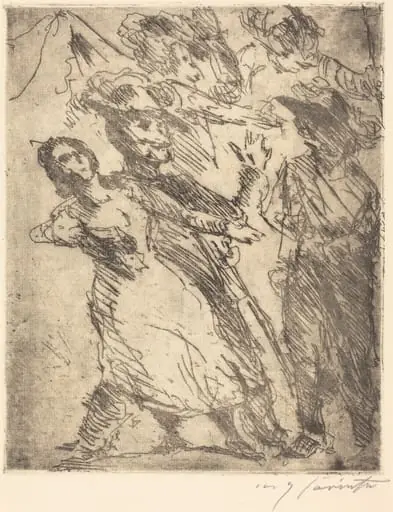 Kavaliere mit einer frau (Cavaliers with a Woman)
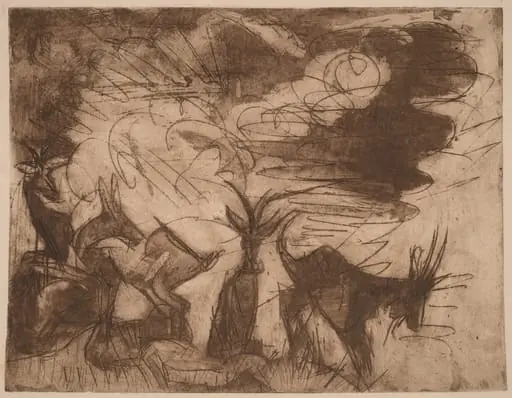 Goats and Clouds
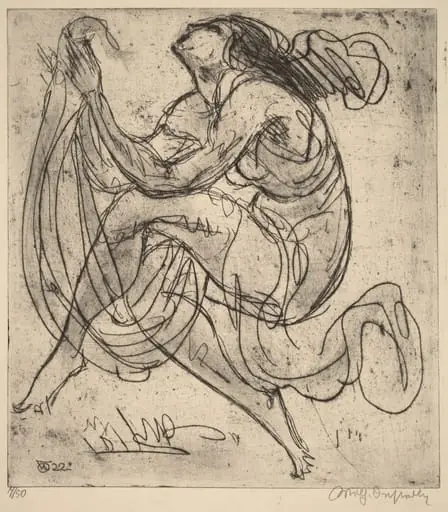 Dancing
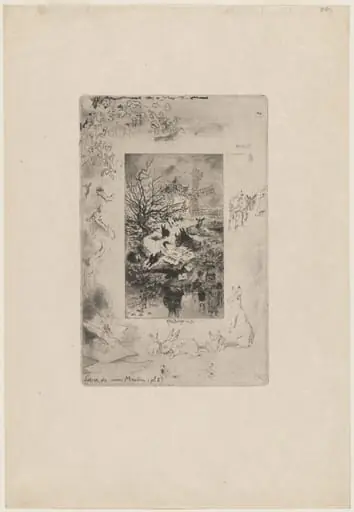 Title Page
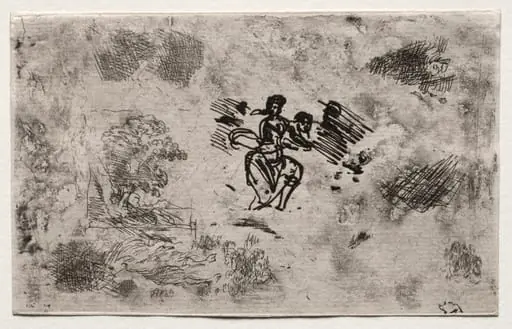 Study of a Seated Woman and other Sketches
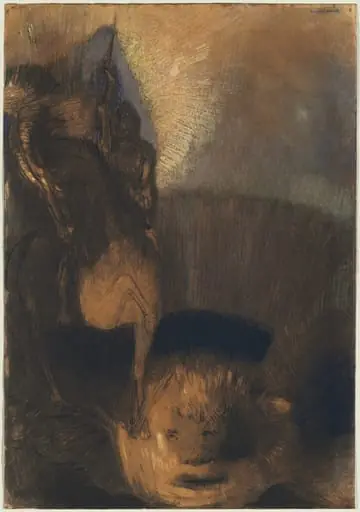 Saint George and the Dragon
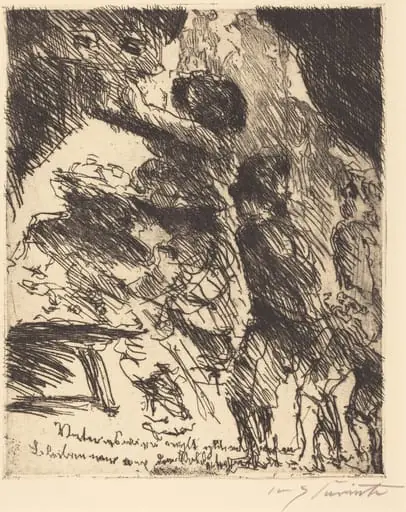 "Vater, es wird nicht gut ablaufen, bleiben wir von dem soldatenhaufen" ("Father, This Won't Turn Out Well, We should stay away from the gang of soldiers")
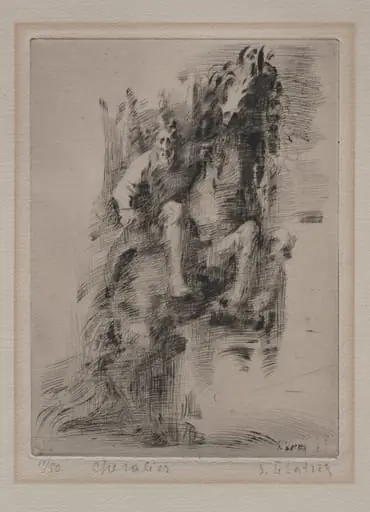 Chevalier
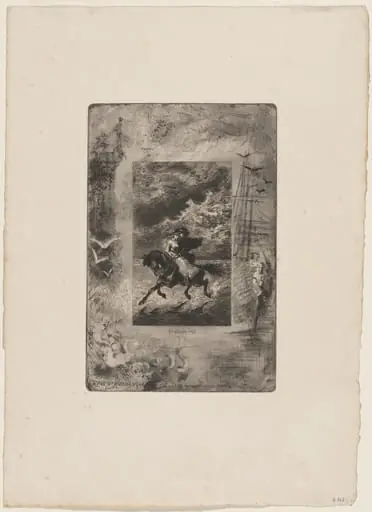 Ryno et Hermangarde
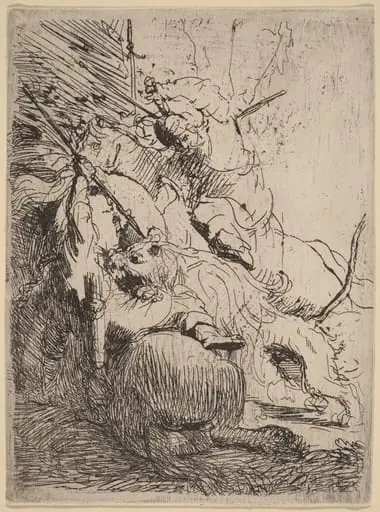 The Small Lion Hunt (with One Lion)
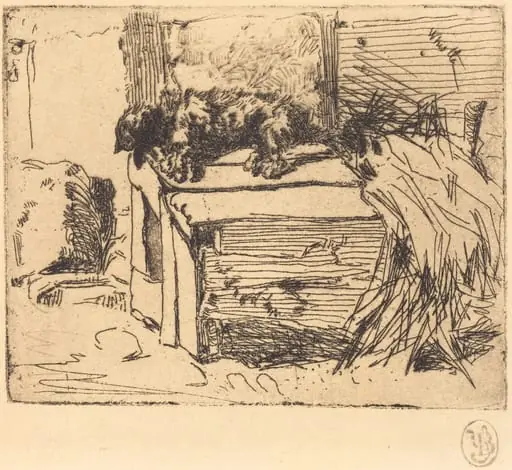 The Dog on the Kennel
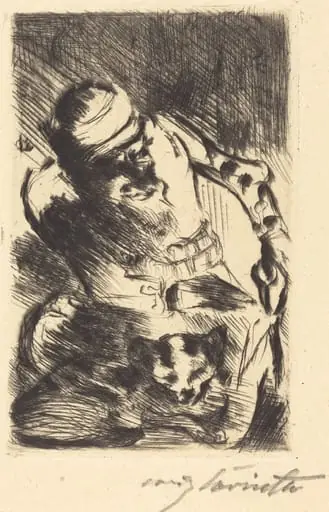 Die Katze des Propheten (The Cat of the Prophet)