Artwork
Landscape with Dancing Figures
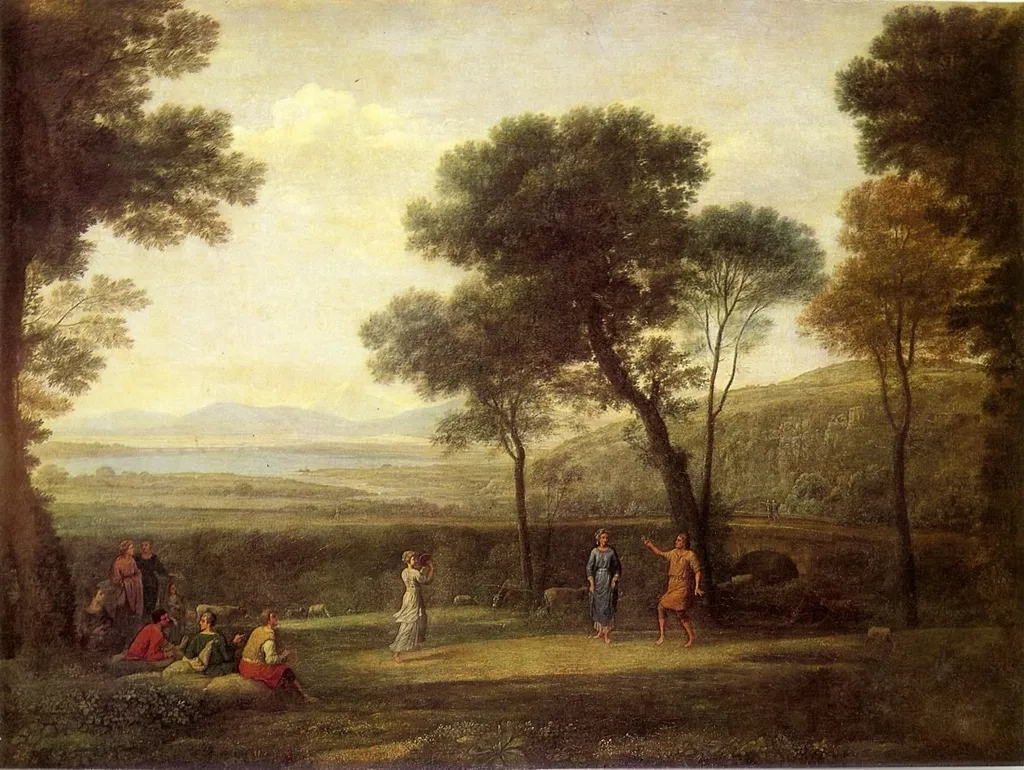
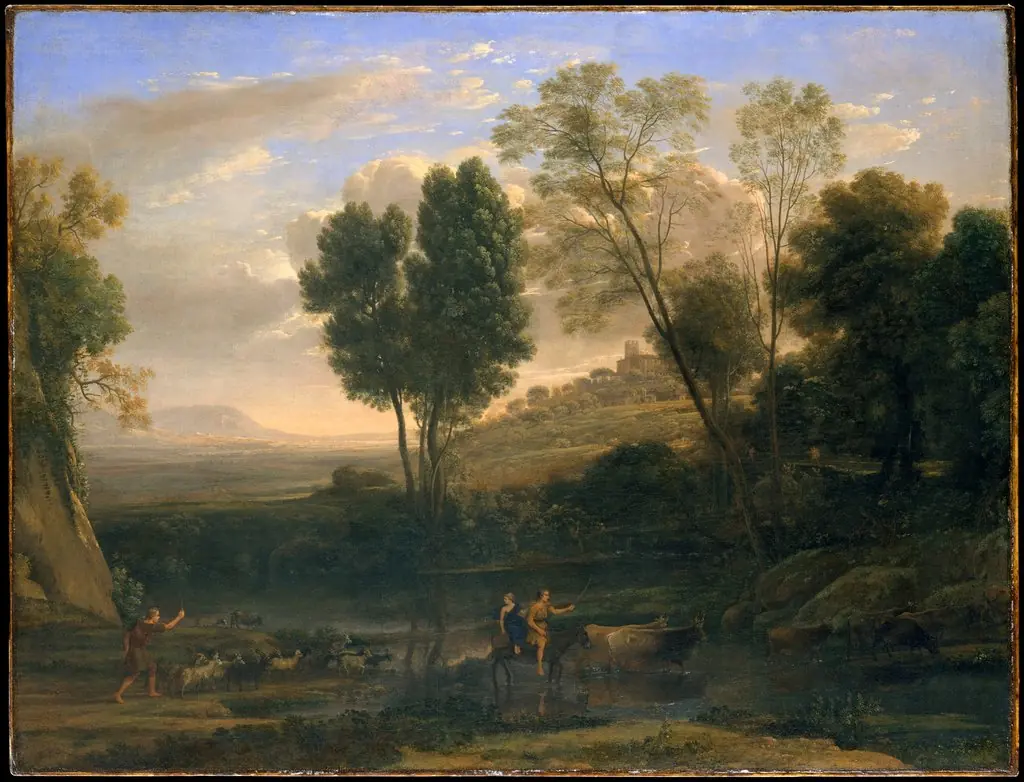
Landscape with Dancing Figures is an oil painting by the French Classical Baroque artist Claude Lorrain. It dates from 1669 and is held in the collection of the Hermitage Museum.
About this work
Overview
Lorrain, a French artist who spent most of his life in Italy, specialized in landscapes that balanced naturalism with idealized harmony.
Painted in 1669 by Claude Lorrain, this oil-on-canvas work presents a serene woodland scene populated by a small group of figures. Though human presence is minor, it anchors the composition in a quiet narrative. Lorrain, a French artist who spent most of his life in Italy, specialized in landscapes that balanced naturalism with idealized harmony. The painting reflects his mature style, characterized by luminous atmospheres and carefully structured spatial depth.
Subject & Meaning
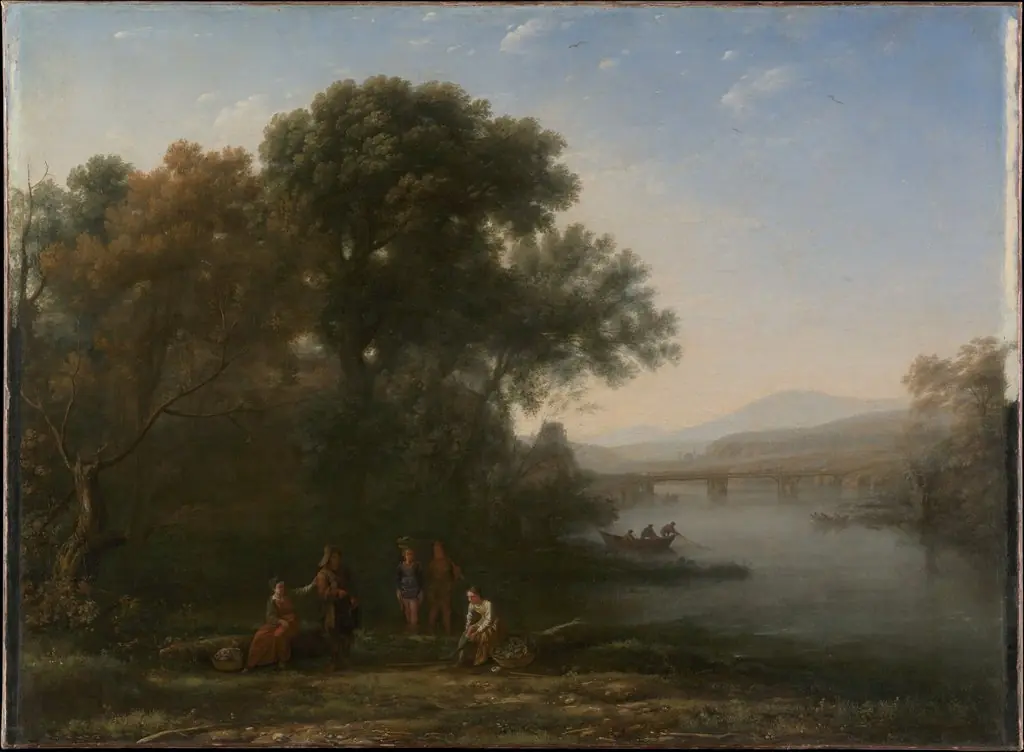
The figures—three seated, two standing—are arranged without overt drama, suggesting a moment of repose or ritual. Their attire and gestures hint at classical or pastoral themes, though no specific myth or biblical story is confirmed. The man pointing toward the woman in white may imply guidance or attention, but the scene resists clear allegory. Lorrain favored ambiguity, allowing viewers to project meaning onto tranquil, timeless settings.
Technique & Style
Lorrain employed oil paint to achieve subtle gradations of light and atmosphere. The scene is bathed in soft, golden daylight that models forms gently, creating depth through chiaroscuro without harsh contrasts. Distant hills and water are rendered in hazy blues, enhancing spatial recession. Trees frame the composition like natural arches, directing the eye toward the horizon. His brushwork is refined, prioritizing harmony over detail, typical of French Classical Baroque ideals.
History & Provenance
The painting entered the collection of the State Hermitage Museum in Saint Petersburg, where it remains today. Its journey from Lorrain’s studio to imperial Russia is undocumented in detail, but its presence in the Hermitage reflects 18th- and 19th-century European tastes for Italianate landscapes. The work was likely acquired during a period when Russian collectors sought out French and Dutch painters influenced by the Italian tradition.
Context
In mid-17th-century Italy, landscape painting was gaining status as an independent genre, moving beyond mere background. Lorrain stood among pioneers who infused these scenes with poetic calm and classical allusion. His works appealed to aristocratic patrons who valued order, beauty, and the illusion of nature perfected. This painting aligns with broader trends in European art that sought to reconcile observation with idealized composition.
Legacy
Lorrain’s approach influenced generations of landscape painters, from 18th-century British artists to 19th-century Romantics. His use of light to structure space and evoke mood became a model for atmospheric rendering. While not widely copied in exact form, his compositional principles—balanced horizons, layered depth, and restrained human presence—remained foundational in Western landscape traditions well into the modern era.
Artist & collection
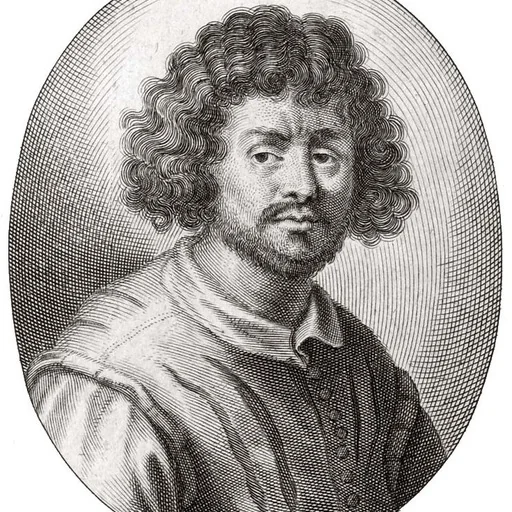
Artist
Claude Lorrain (French: ; born Claude Gellée , called le Lorrain in French; traditionally just Claude in English; c.

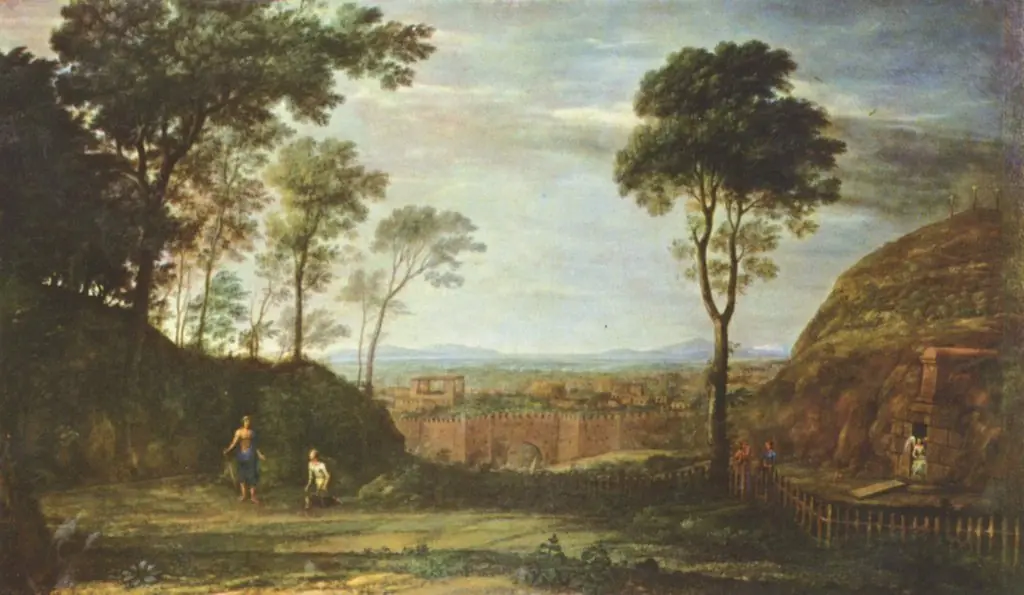 Landscape with Noli me tangere Scene
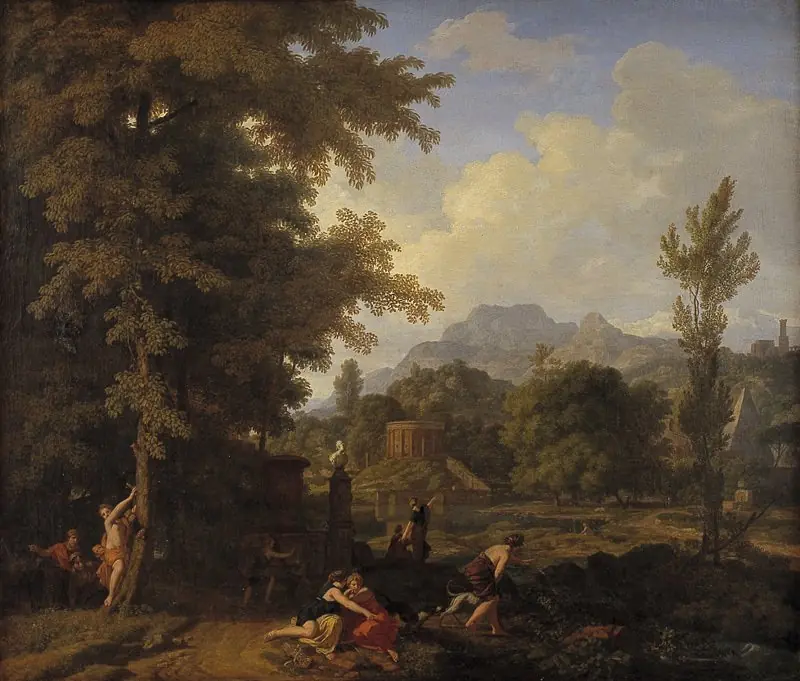 Classical Landscape with Diana (?) and her Nymphs
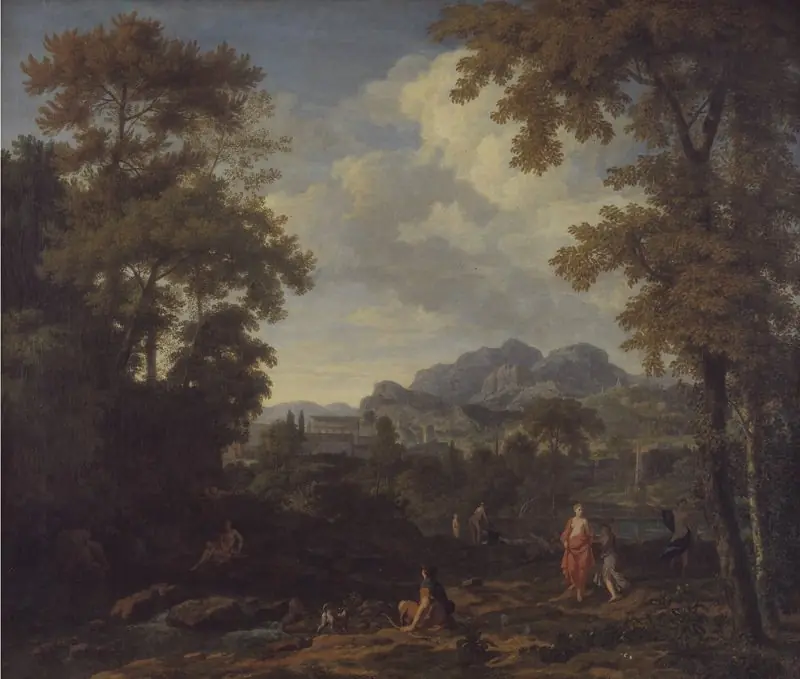 Classical Landscape with Diana (?) and her Nymphs
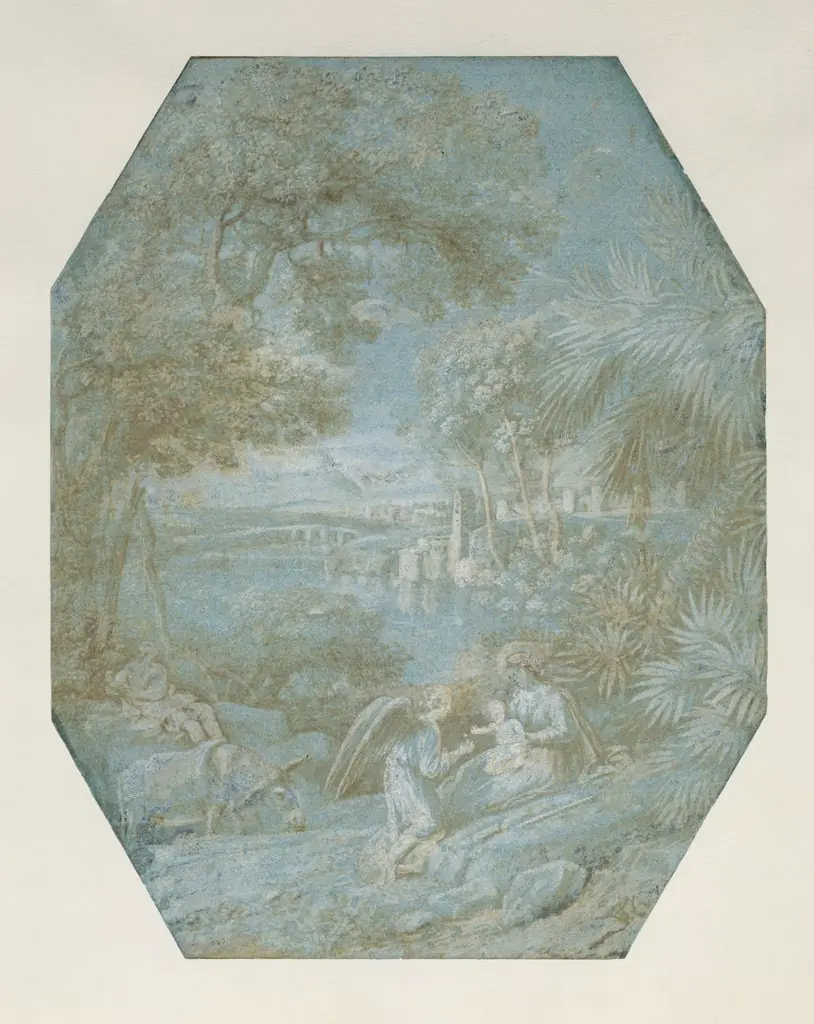
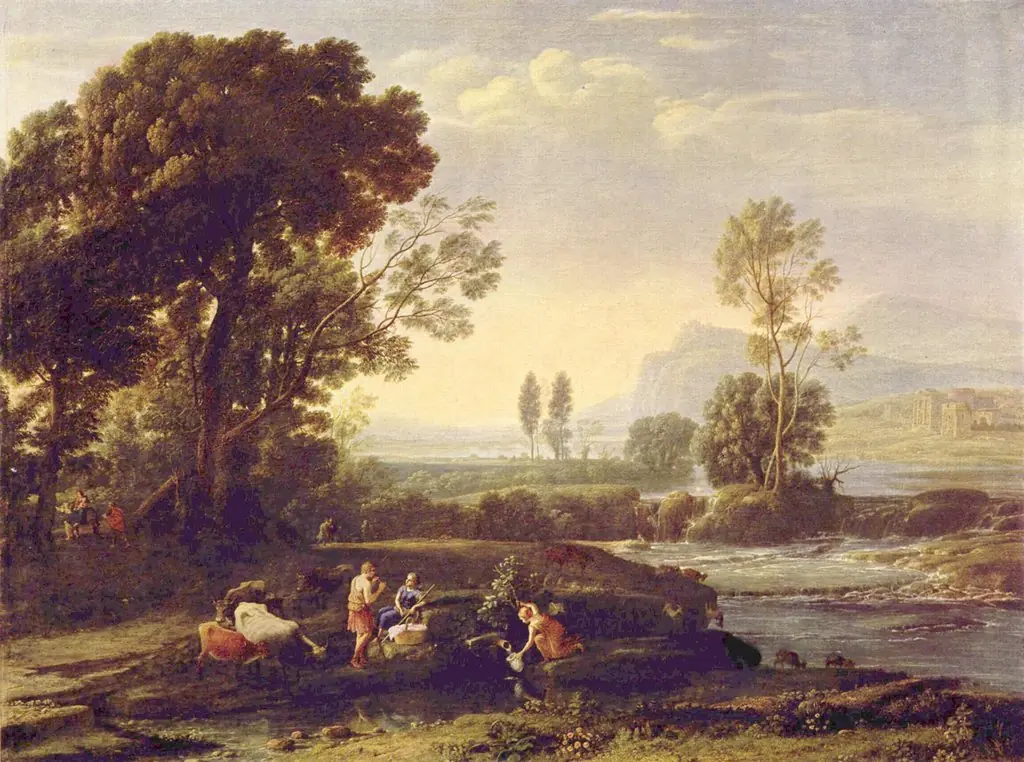 Landscape with Rest in Flight to Egypt
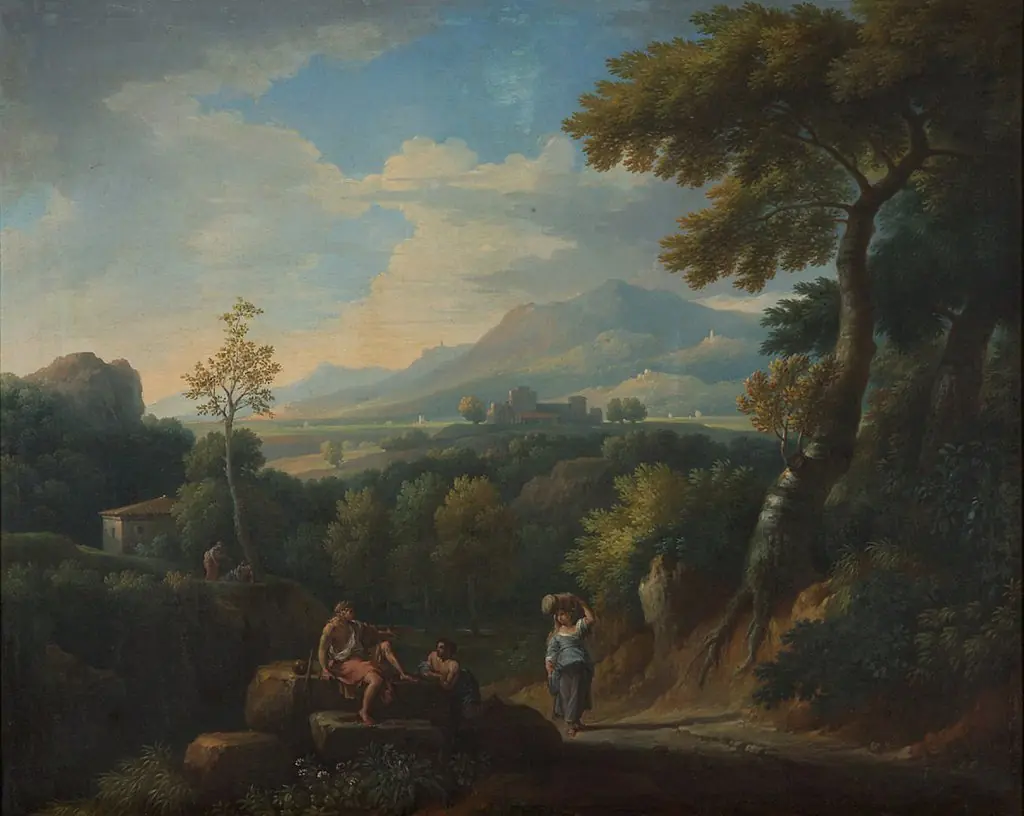 Italian Landscape
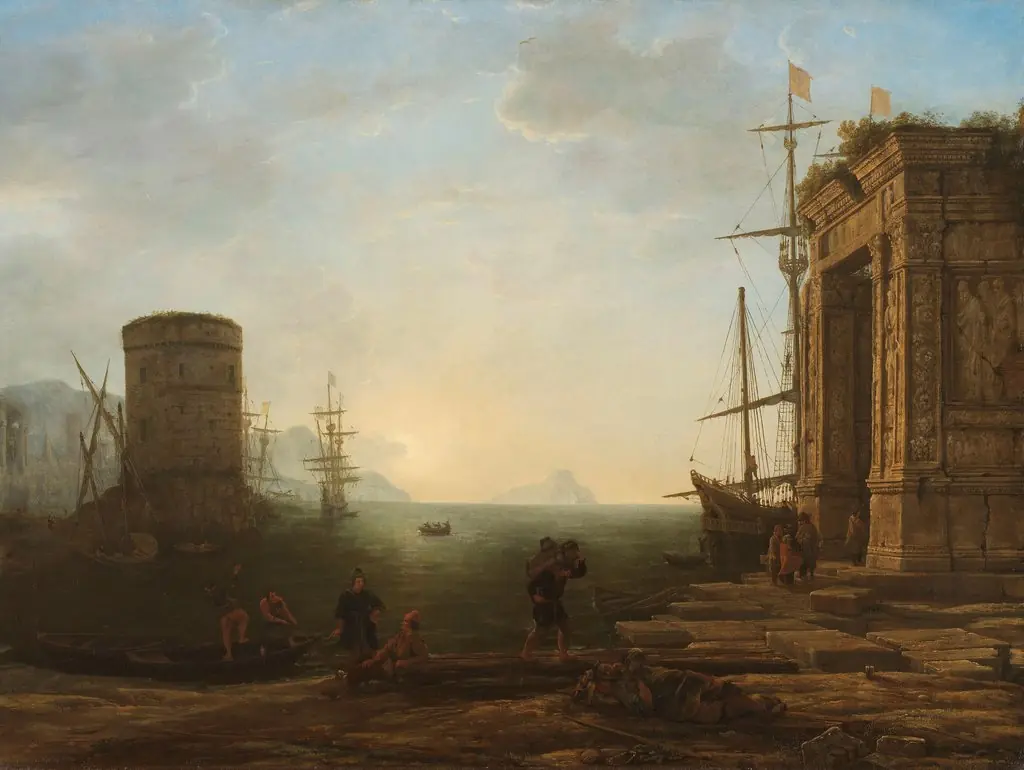
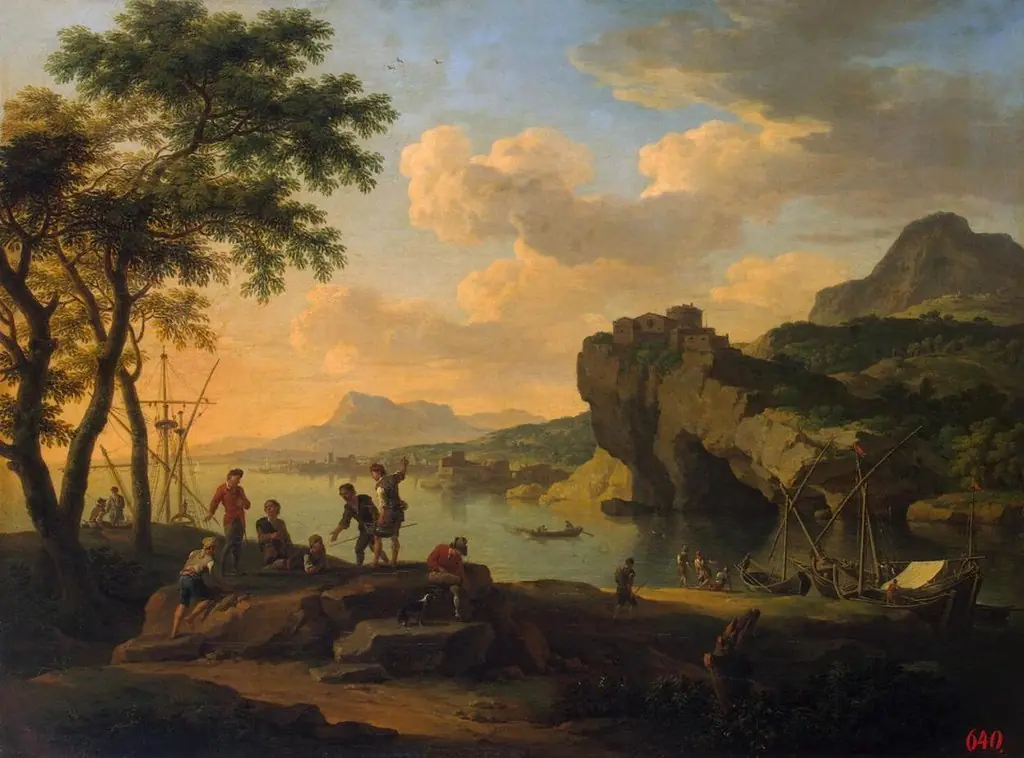 Italian Harbour
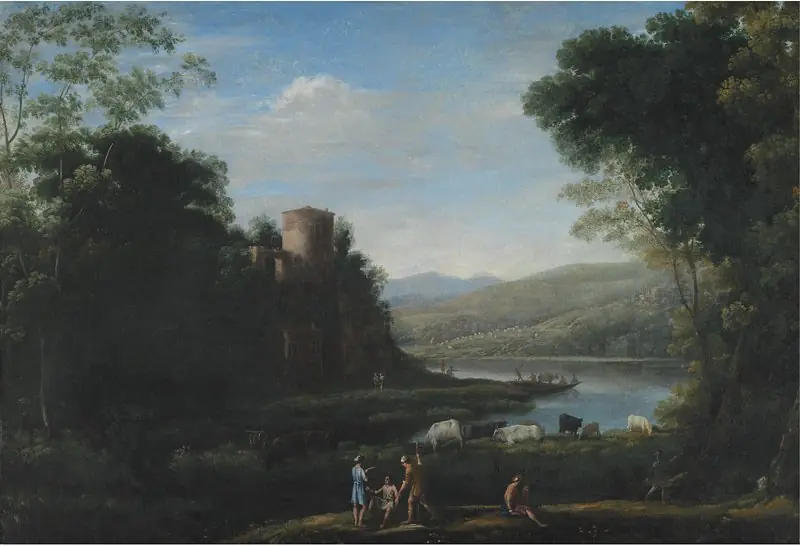 River Landscape with Herdsmen
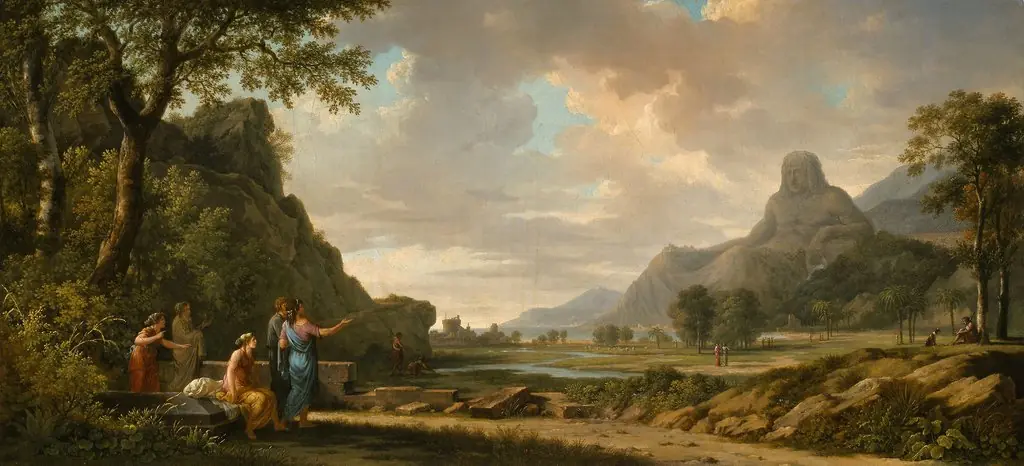 Mount Athos Carved as a Monument to Alexander the Great
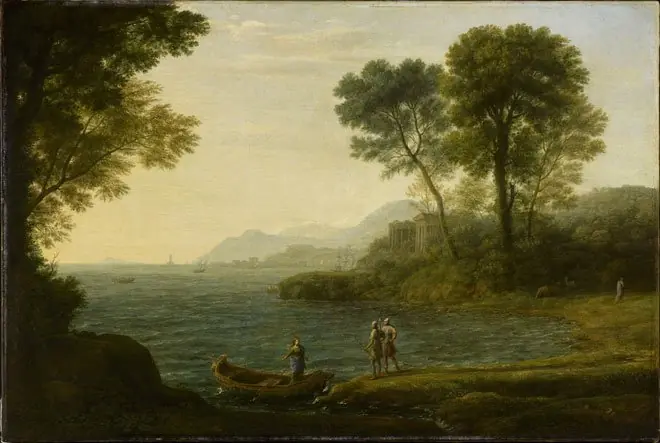 Marine avec l'embarquement de Carlo et Ubaldo
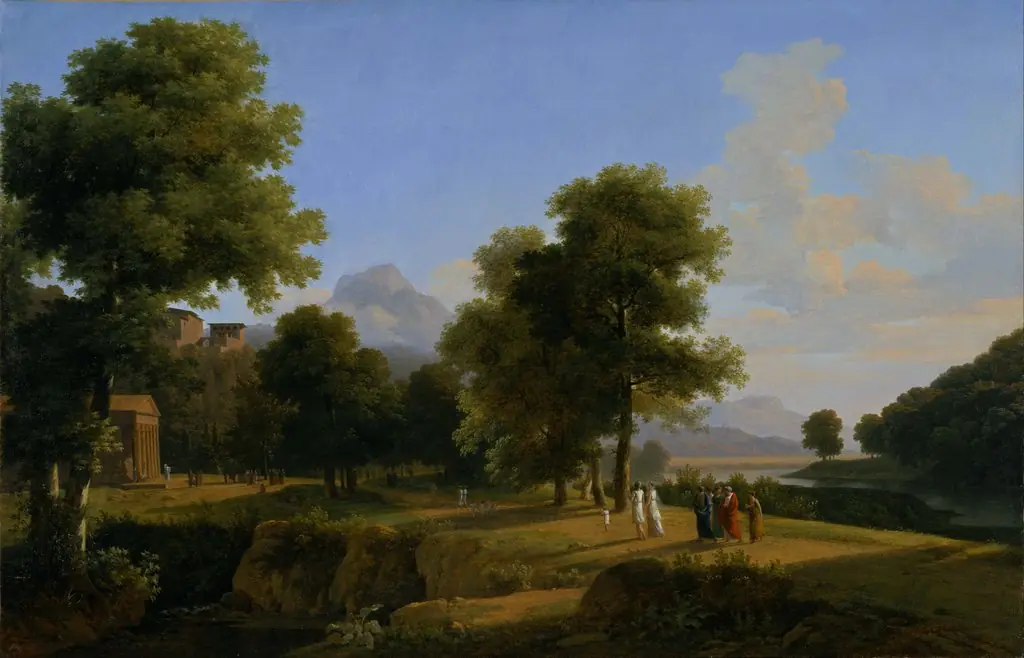 Landscape, Site of Greece (Paysage, Site de la Grèce)
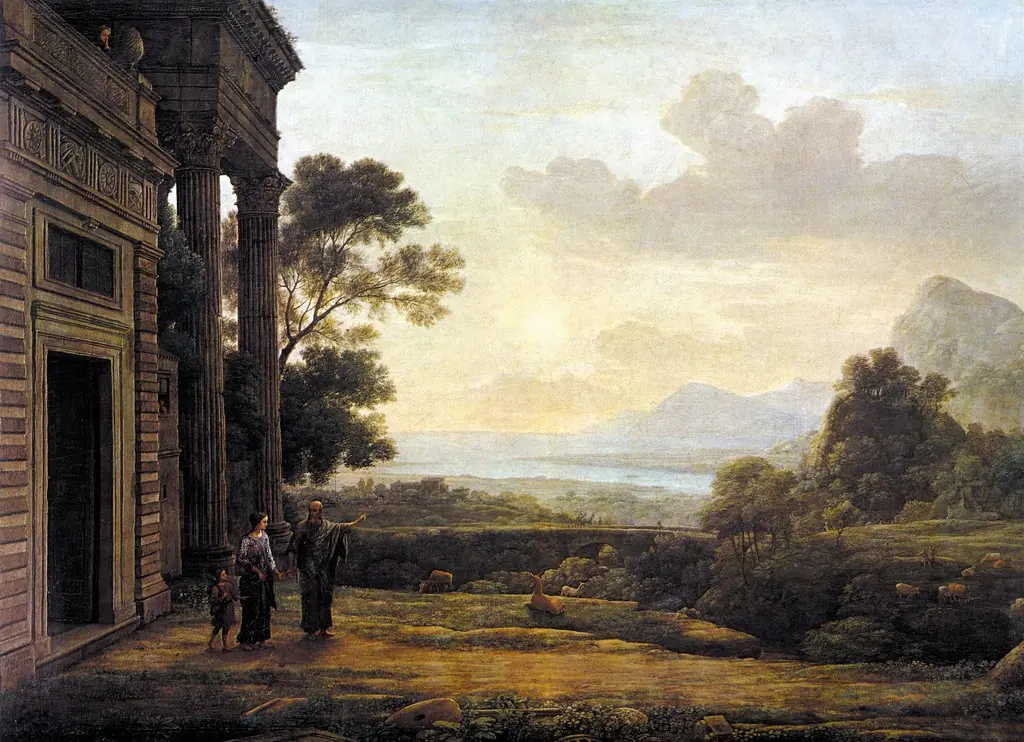 The Banishment of Hagar
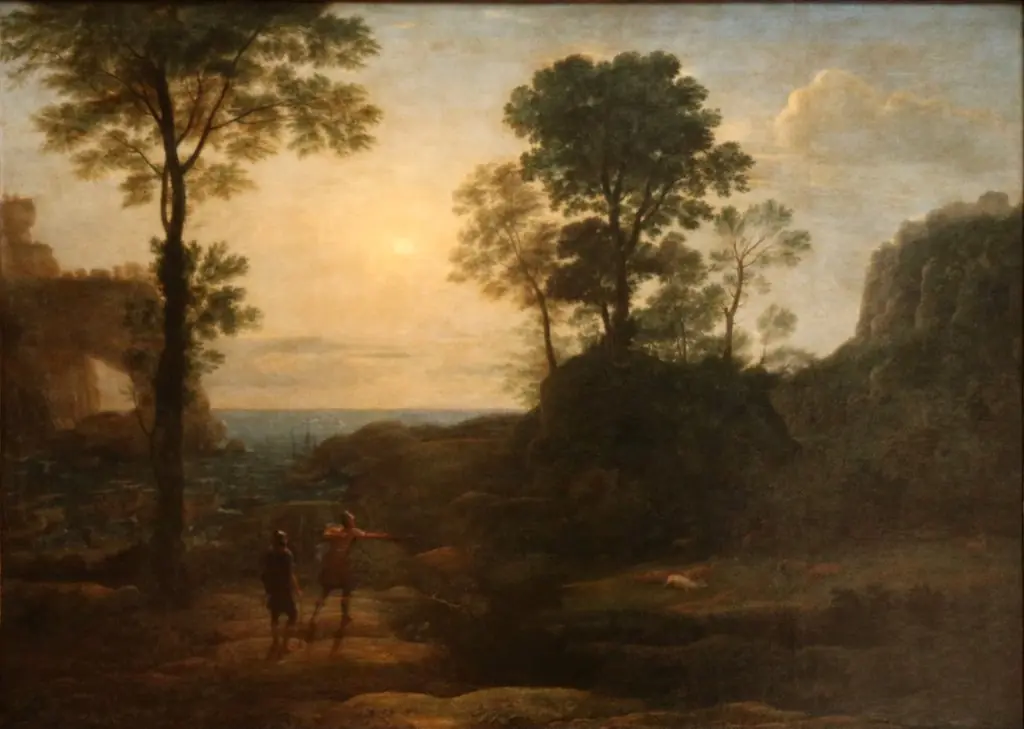 Enée chassant le cerf sur la côte de Libye