Artwork
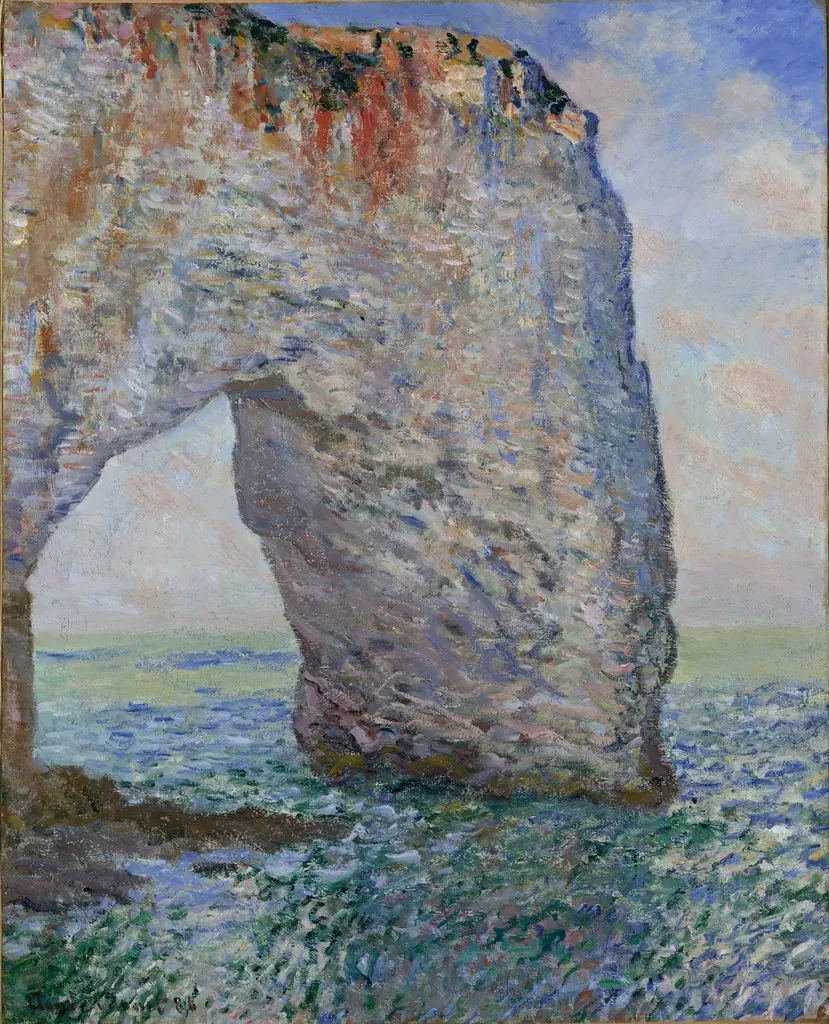
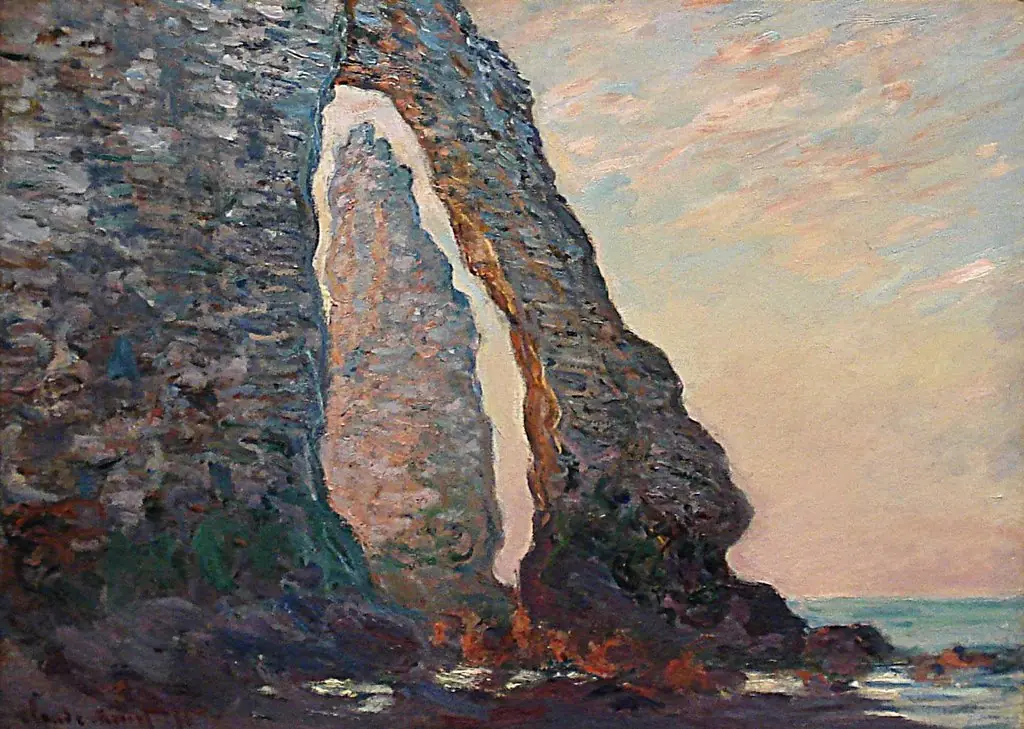
La Manne-Porte, Etretat
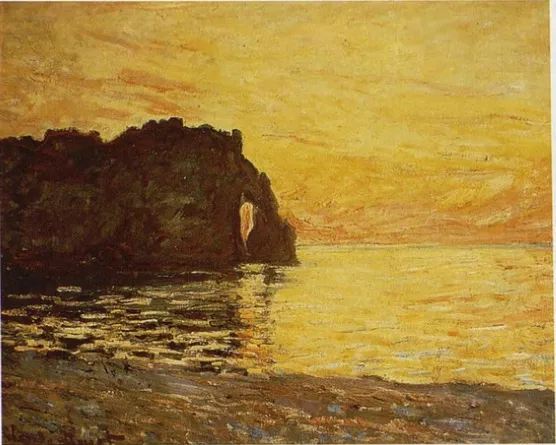
La Manne-Porte, Etretat is an oil painting by Claude Monet. It dates from 1890 and is held in the collection of the Royal Museums of Fine Arts of Belgium.
About this work
Overview
The work is part of a series Monet produced during his visits to this region, capturing the changing light and geology of the Channel coast.
La Manne-Porte, Étretat is an oil painting by Claude Monet, dated around 1890. It depicts a coastal cliff formation near Étretat in Normandy, characterized by a natural arch or opening. The work is part of a series Monet produced during his visits to this region, capturing the changing light and geology of the Channel coast. It resides in the collection of the Royal Museums of Fine Arts of Belgium.
Subject & Meaning
The painting centers on a dramatic limestone cliff with a prominent natural arch, known locally as La Manne-Porte. Monet frames the structure against a hazy, yellow-toned sky and still water below, emphasizing the quiet interplay between land, sea, and atmosphere. The composition invites contemplation of nature’s enduring forms, rendered without narrative or human presence, focusing instead on transient visual conditions.
Technique & Style
Monet applied thick, deliberate brushstrokes to convey the texture of the cliff face and the reflective surface of the water. The sky transitions from pale yellow at the top to deeper tones near the horizon, suggesting atmospheric depth. His impasto technique enhances the physicality of the scene, while loose, broken strokes in the water mirror subtle shifts in light and reflection, characteristic of his late Impressionist approach.
History & Provenance
Painted during Monet’s frequent stays along the Normandy coast in the 1880s and 1890s, this work emerged from his sustained study of Étretat’s distinctive cliffs. It entered the collection of the Royal Museums of Fine Arts of Belgium in the early 20th century, likely through acquisition or donation. Its presence in Belgium reflects broader European interest in French Impressionism during that period.
Context
Monet painted multiple views of Étretat’s arches and cliffs between 1883 and 1890, drawn to their dramatic silhouettes and the way light interacted with their porous stone. These works were part of his broader exploration of natural landmarks under varying conditions—sunlight, fog, tide—aligning with his commitment to capturing ephemeral moments. The site was also a popular subject among other artists of the time.
Legacy
La Manne-Porte, Étretat contributes to a body of work that redefined landscape painting through direct observation and emphasis on optical experience. While not among Monet’s most widely reproduced images, it exemplifies his method of returning to a single subject under differing conditions. The painting remains a quiet testament to his sustained engagement with the natural world’s subtle transformations.
Artist & collection
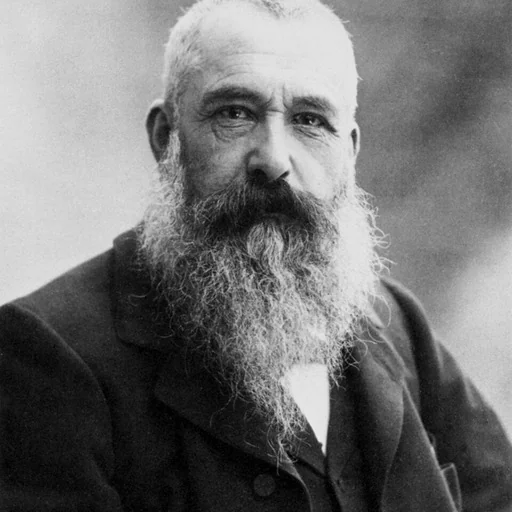
Artist
Oscar-Claude Monet was born in Paris on November 14, 1840, and raised from the age of five in Le Havre, where he began selling charcoal caricatures as a teenager.

Museum
Royal Museums of Fine Arts of Belgium
Continue through works from the same source collection.
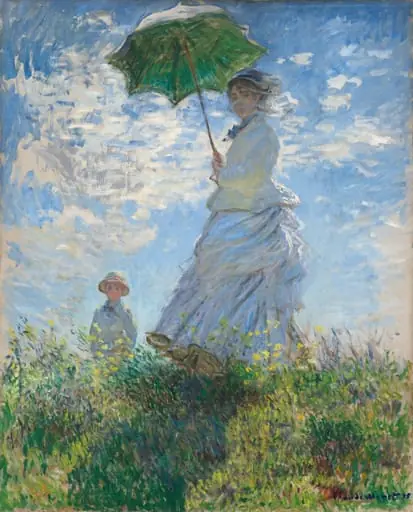
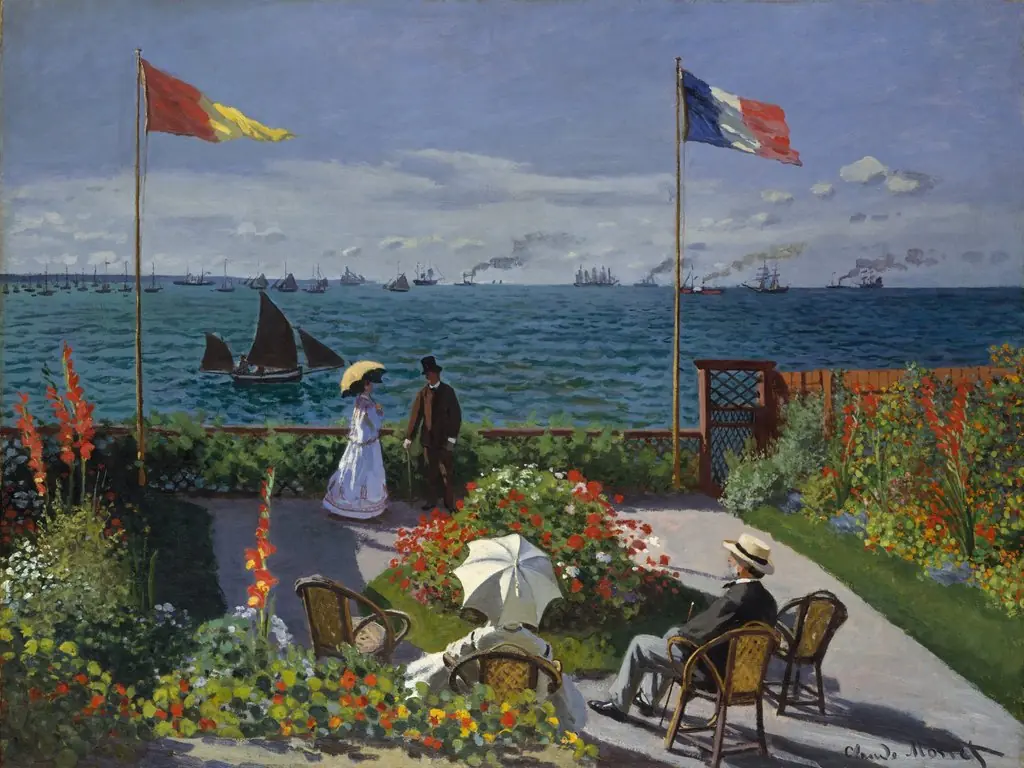
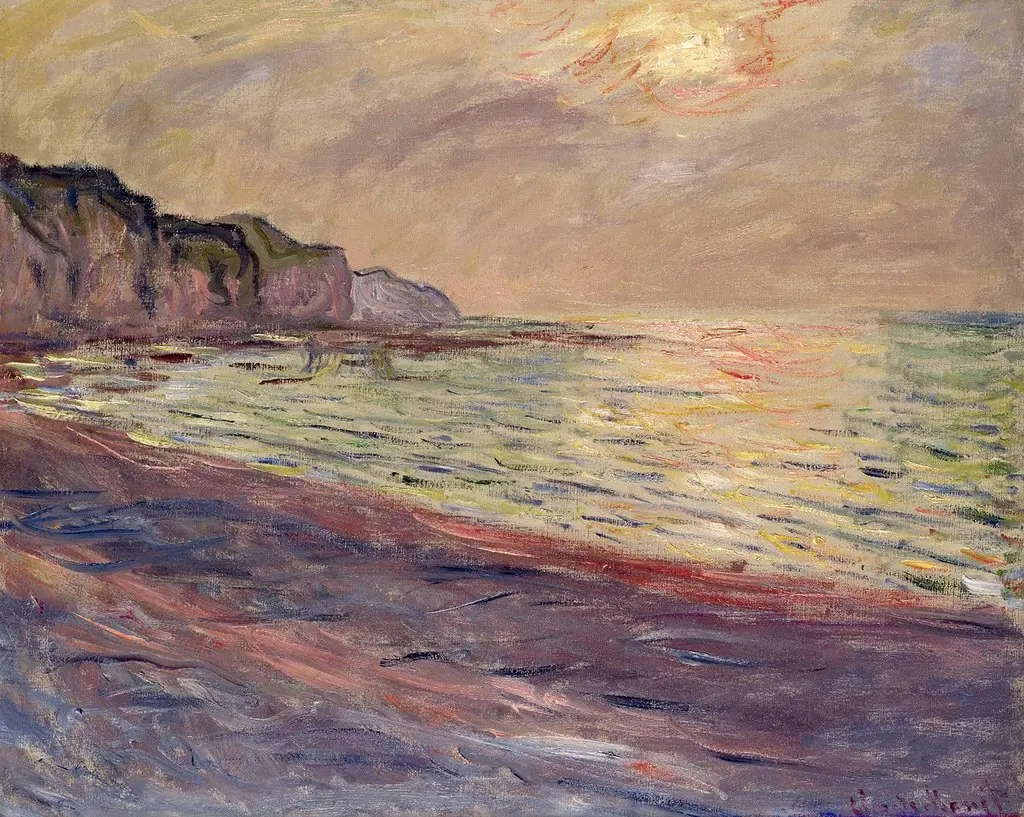 Beach in Pourville, setting sun.
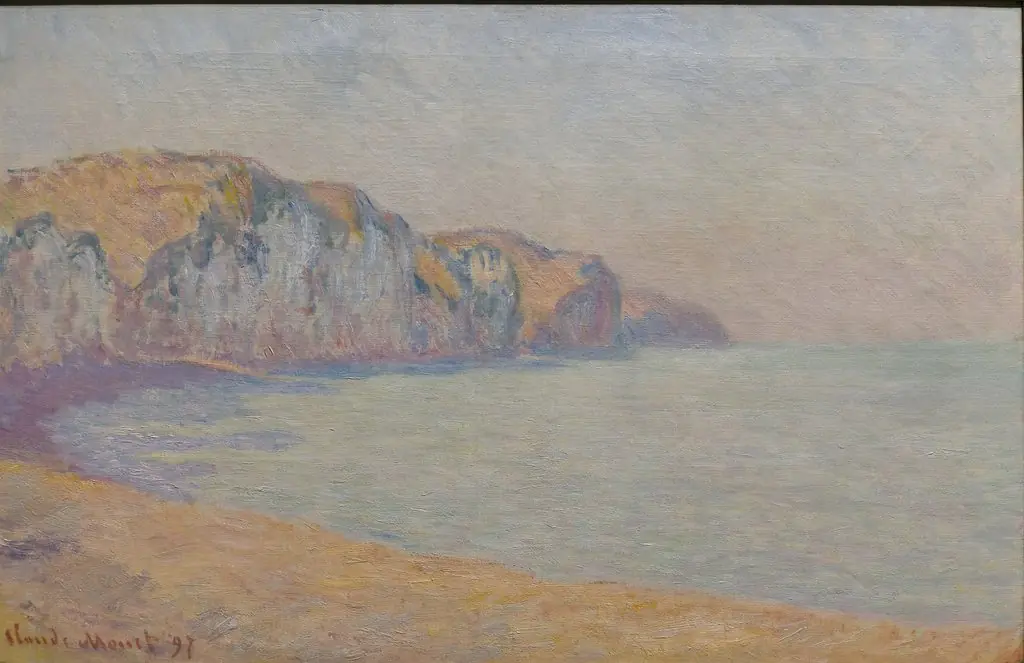 A Cliff at Pourville in the Morning
 The Aiguille through the Porte d'Aval
 Woman walking on a Headland
 Puesta de sol en el mar
 From Møens Klint
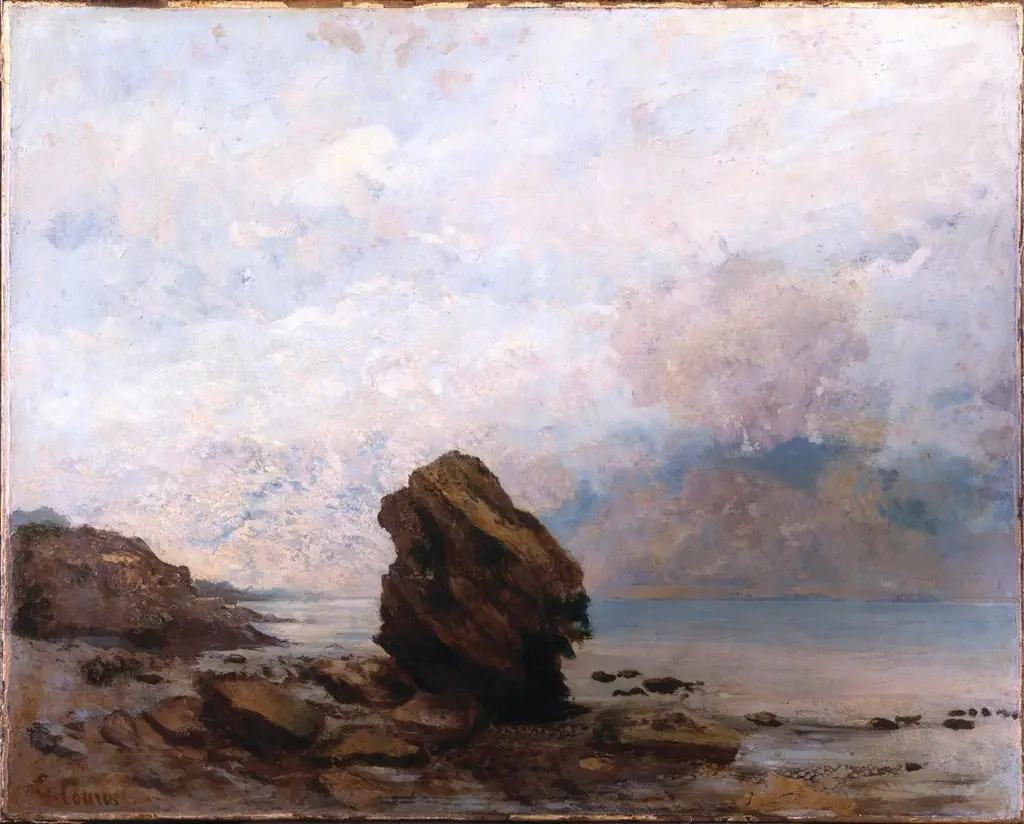 Le Rocher isolé
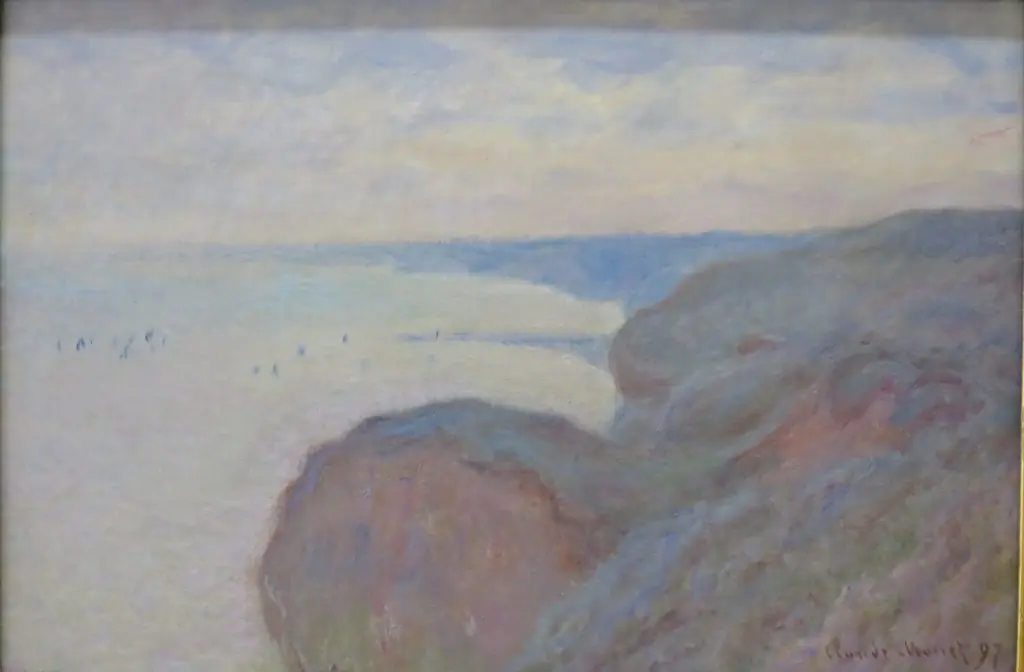 Steep Cliffs near Dieppe
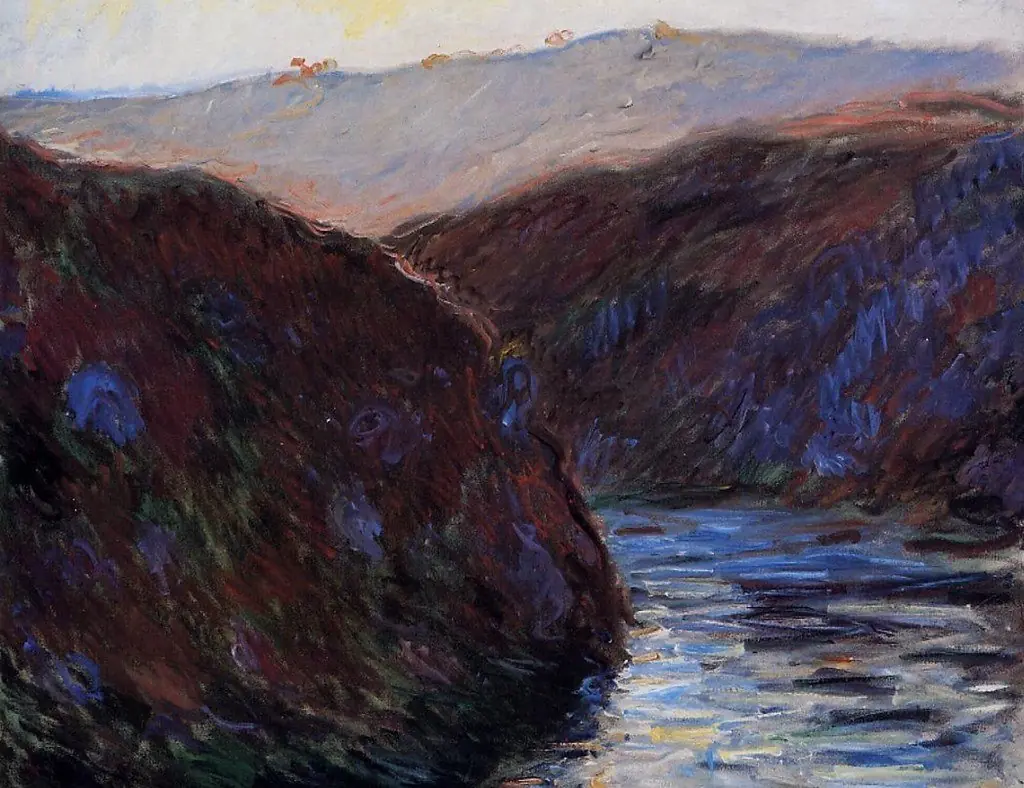 Vallée de la Creuse, effet du soir
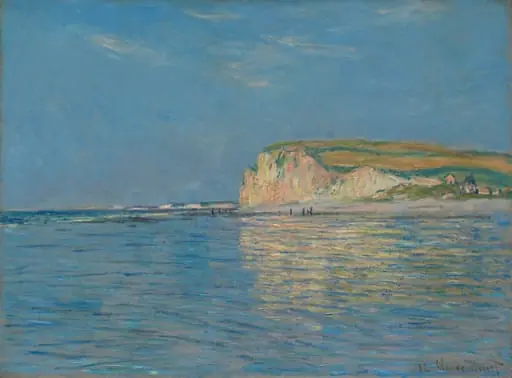 Low Tide at Pourville, near Dieppe, 1882
 Marină
 From Møens Klint