Artwork
Weeping Willow
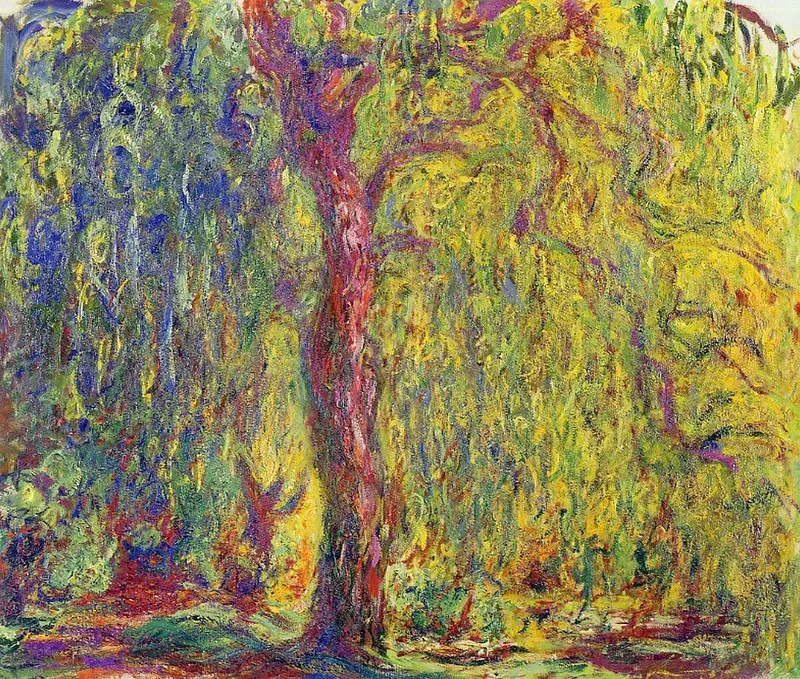
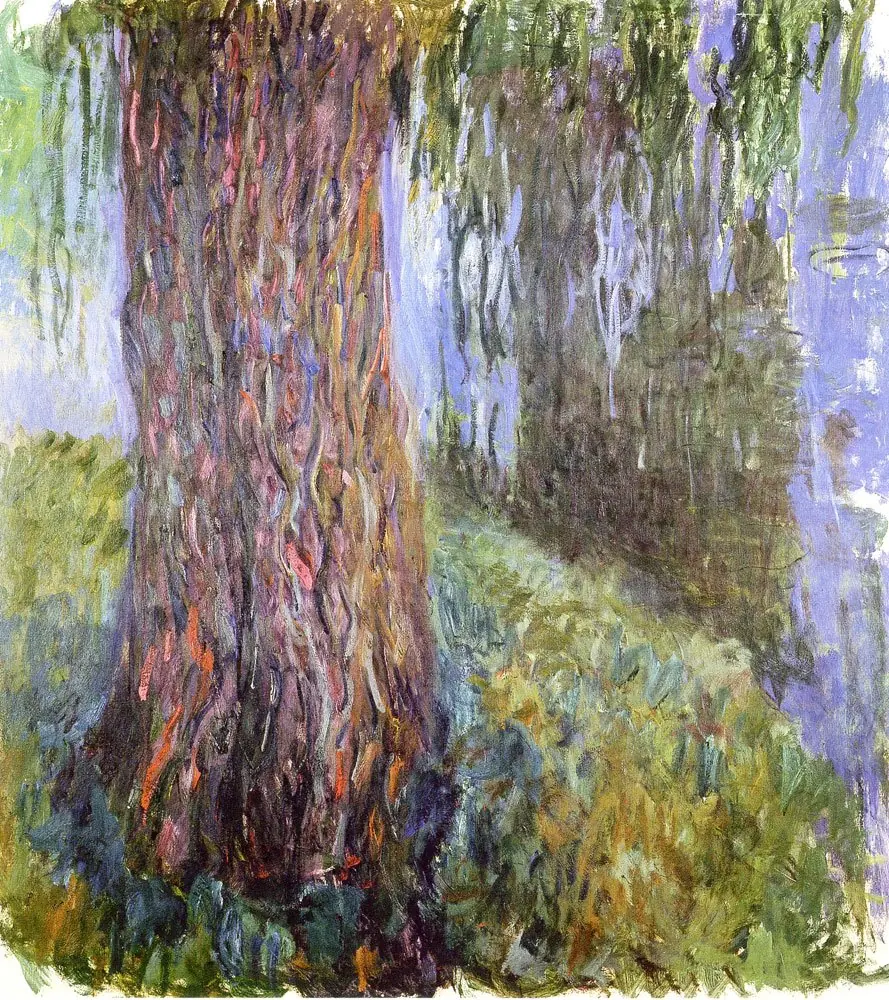
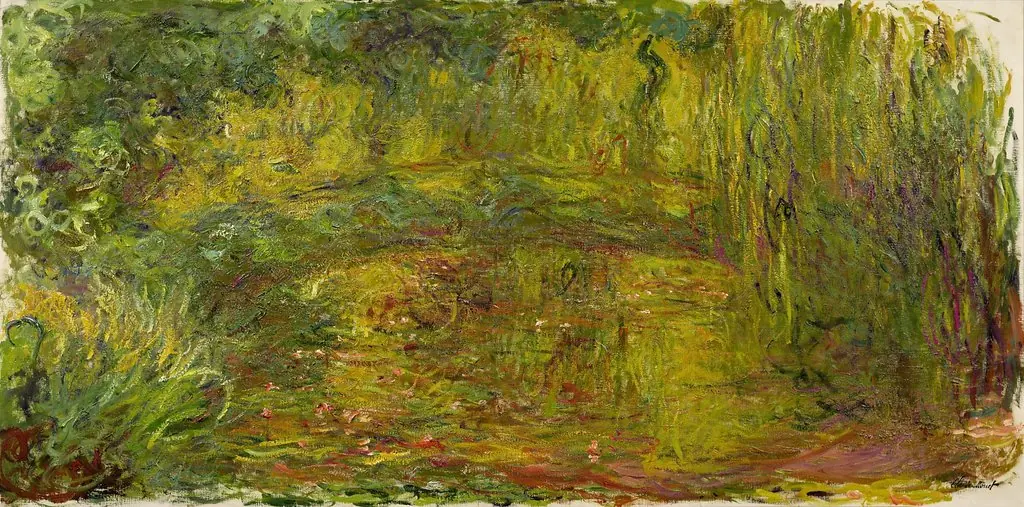
Weeping Willow is an oil painting by the Impressionist artist Claude Monet. It dates from 1918 and is held in the collection of the Musée Marmottan Monet.
About this work
Overview
Claude Monet completed the oil work titled Weeping Willow in 1918. The canvas measures a modest size and is presently displayed in the Musée Marmottan Monet, where it forms part of the museum’s extensive collection of the artist’s later pieces.
Subject & Meaning
The composition centers on a solitary willow, its drooping branches rendered in a fluid, sweeping motion. Set against a backdrop of verdant foliage interspersed with subtle blues and yellows, the scene conveys a tranquil, almost meditative atmosphere, inviting contemplation of nature’s quiet resilience.
Technique & Style
Monet employs loose, expressive brushwork that captures the fleeting play of light across the leaves and bark. A restrained palette of muted greens, browns, and occasional highlights creates depth, while the gestural strokes suggest movement, characteristic of his mature Impressionist approach.
History & Provenance
After its creation, the painting entered private hands before being acquired by the Musée Marmottan Monet in the mid‑20th century. The museum’s acquisition helped to consolidate Monet’s later oeuvre, making the work accessible to scholars and the public alike.
Context
Created near the end of Monet’s life, Weeping Willow reflects his continued fascination with natural subjects and atmospheric effects. The work aligns with his series paintings of the period, where he explored variations of light and color within a single motif, emphasizing the passage of time.
Artist & collection
Artist
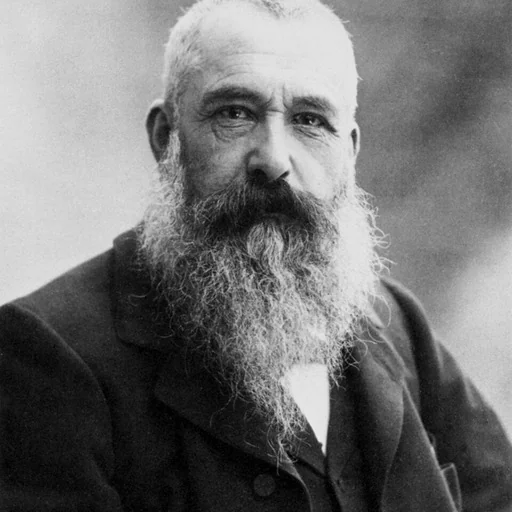
Oscar-Claude Monet was born in Paris on November 14, 1840, and raised from the age of five in Le Havre, where he began selling charcoal caricatures as a teenager.