Artwork
Rocky Coast with figures and boats
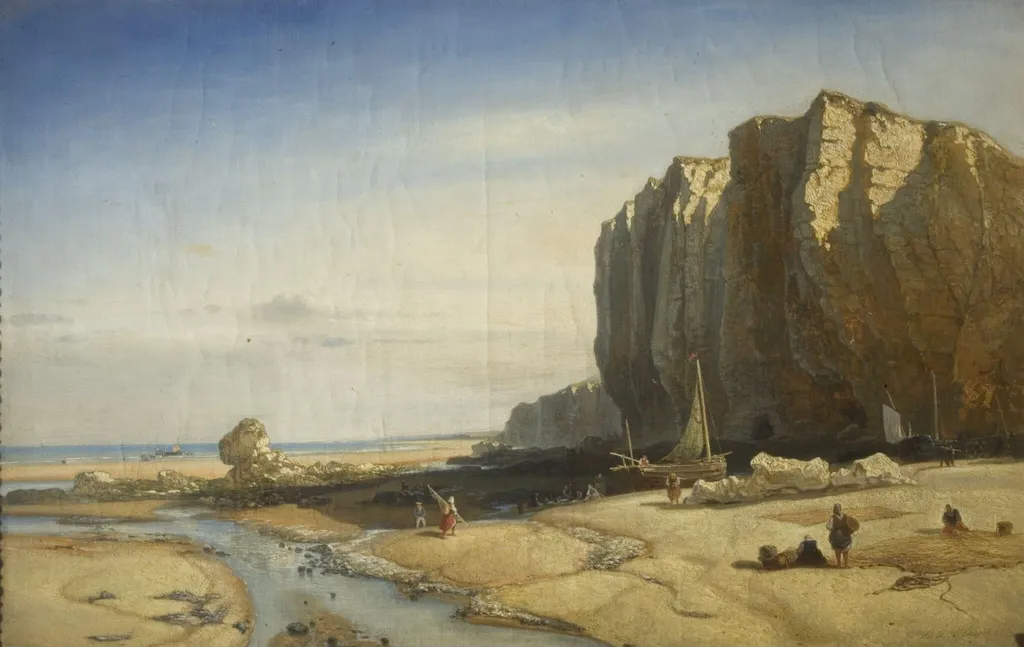
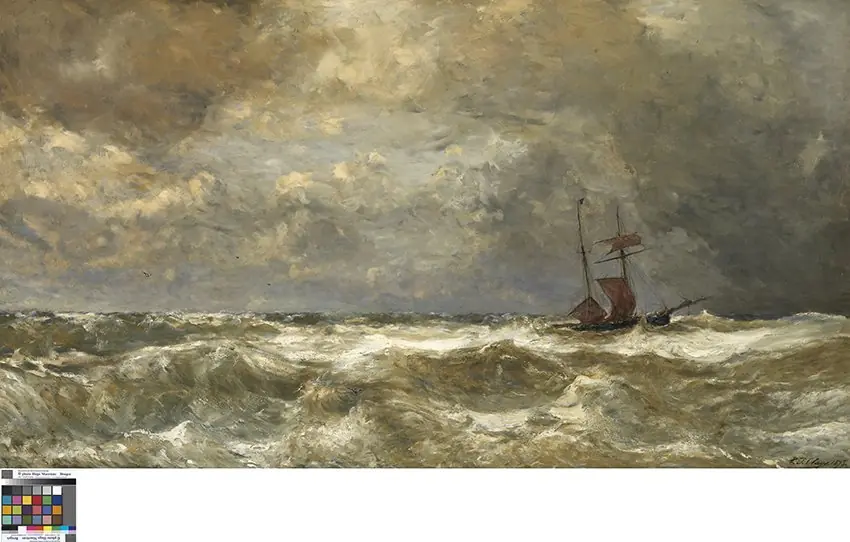
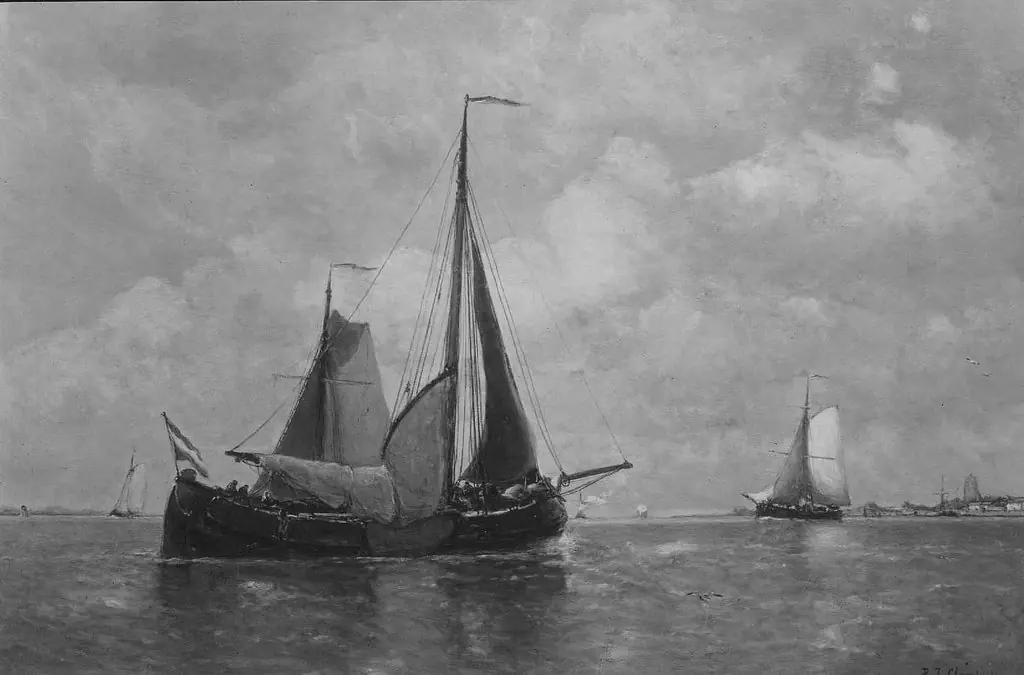
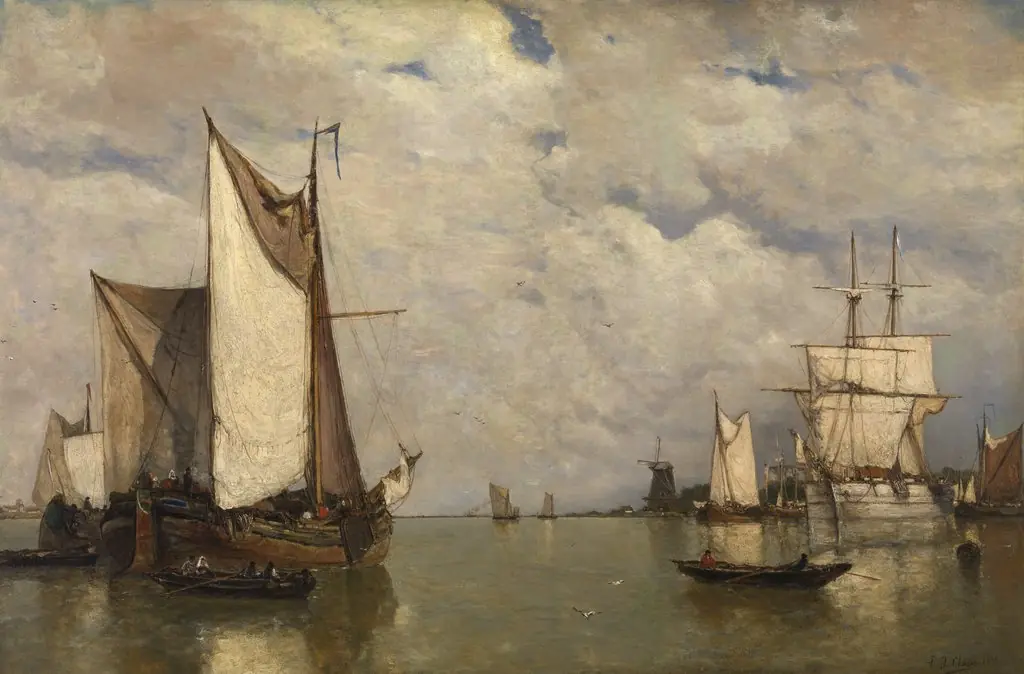
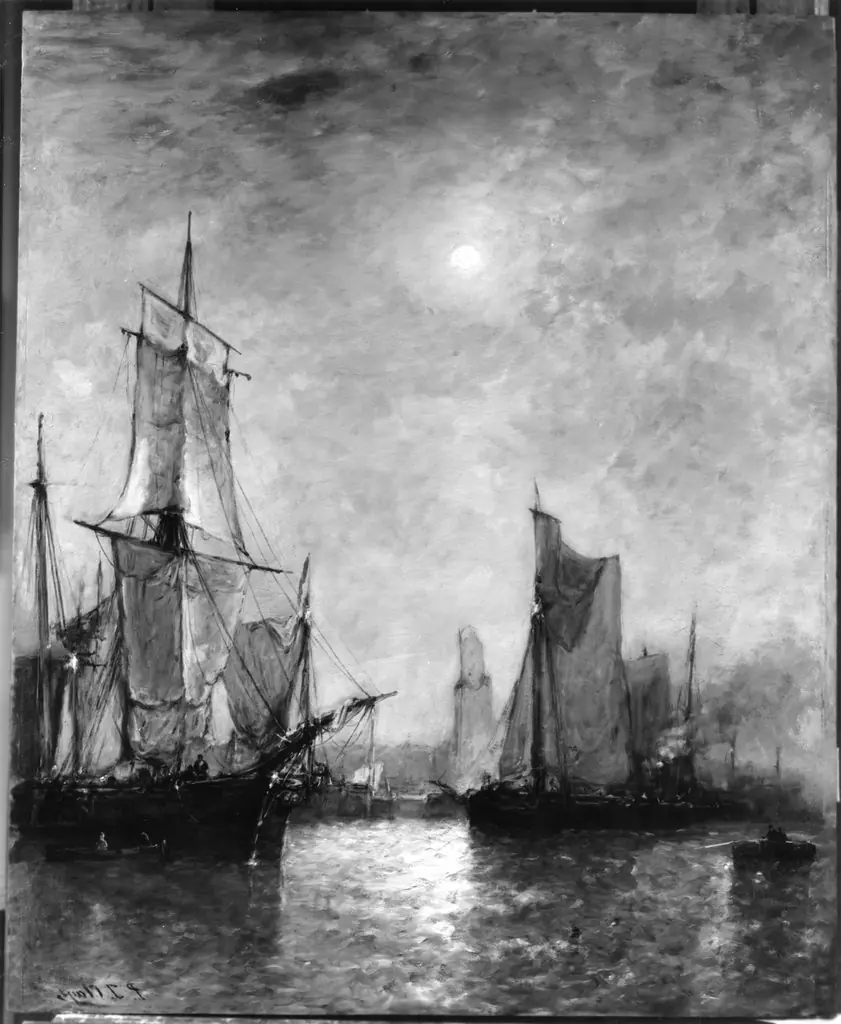
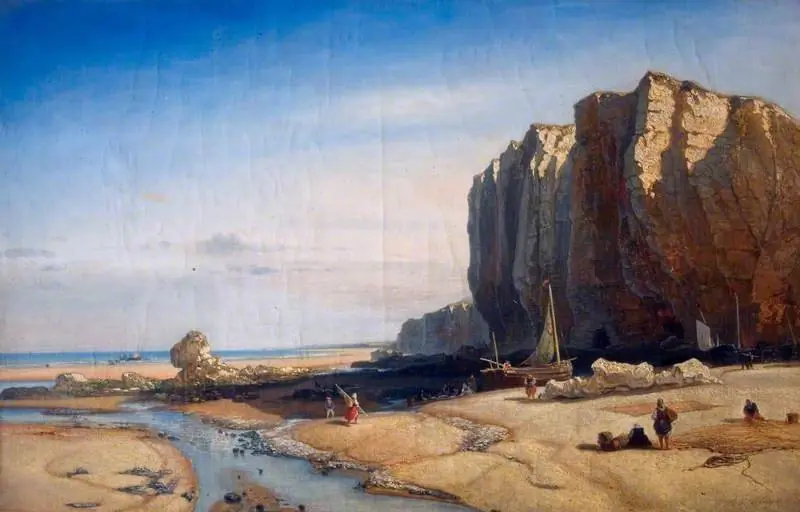
Rocky Coast with figures and boats is an oil painting by the Impressionist artist Paul Jean Clays. It dates from 1855 and is held in the collection of the Victoria and Albert Museum.
About this work
Clays studied marine art in Paris and later worked with scientists and artists in Brussels.
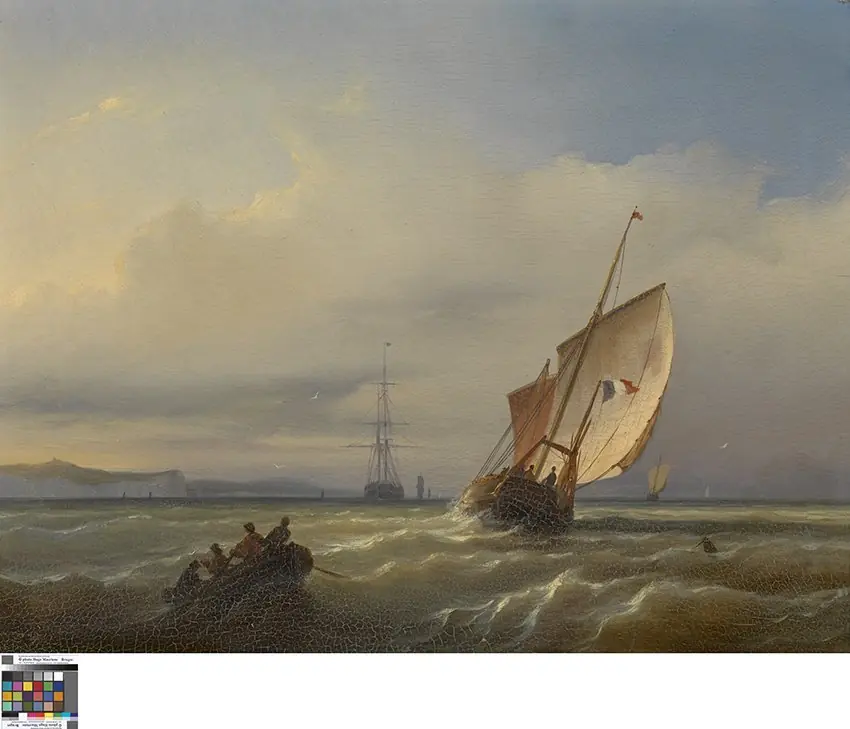
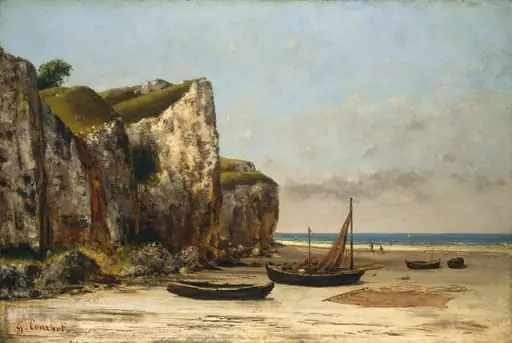
Paul Jean Clays painted *Rocky Coast with Figures and Boats* in 1855. It’s an oil painting that blends Impressionism and Realism, focusing on a coastal scene. The work shows a beach at low tide with a boat, people, and a cliff lit by sunlight.
Clays studied marine art in Paris and later worked with scientists and artists in Brussels. His paintings often mix seascapes with everyday life, capturing light in a fresh way.
Check out the Victoria and Albert Museum for another look.
Overview
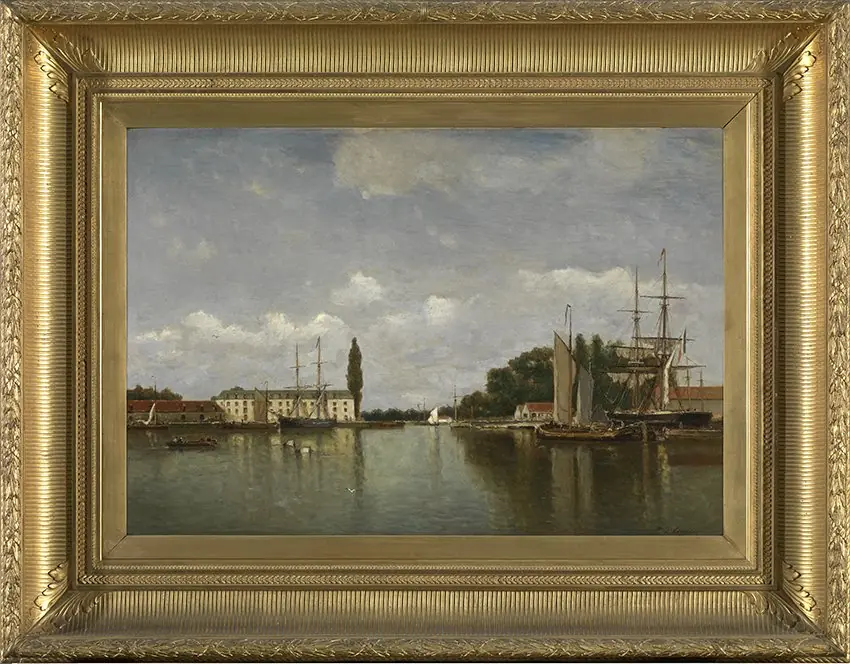
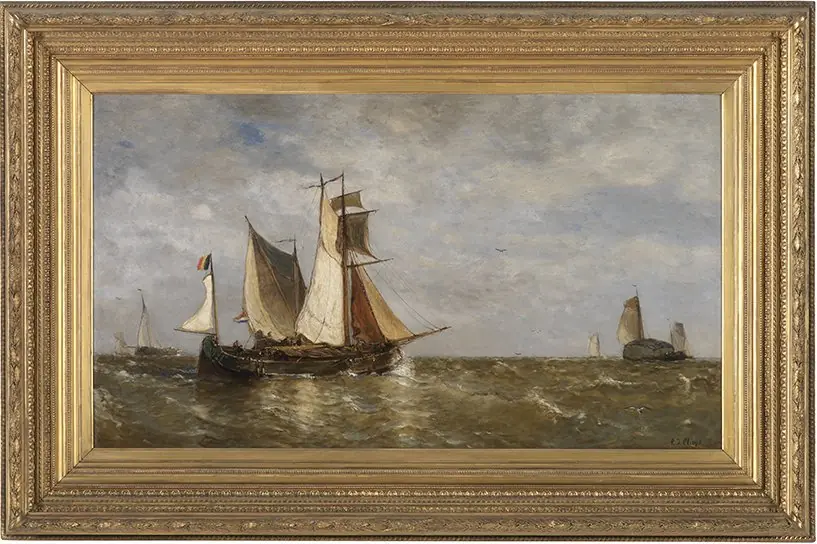
Painted in 1855, this oil work by Paul-Jean Clays depicts a quiet coastal scene at low tide, featuring a rocky cliff, a grounded boat, and a few figures on the shore. Clays, trained in Paris under marine specialists, developed a distinctive approach to coastal subjects that merged observational detail with atmospheric light. The painting reflects his sustained focus on the interplay between natural elements and human presence along the Flemish or Dutch shoreline.
Subject & Meaning
The scene portrays ordinary life along a tidal shore—figures moving near a beached vessel, their activities unremarkable yet grounded in daily rhythm. There is no narrative climax; instead, the painting emphasizes quietude and the transient quality of the moment. The absence of dramatic action invites contemplation of the relationship between humans and the coastal environment, rendered with subtle dignity rather than sentiment.
Technique & Style
Clays employed a restrained palette and careful brushwork to capture the effects of sunlight on wet sand and rock. His handling of light shows awareness of contemporary shifts toward naturalism, though without the loose brushwork of full Impressionism. The composition balances the solidity of the cliff with the fleeting textures of water and figures, suggesting a synthesis of Realist observation and emerging tonal sensitivity.
History & Provenance
Clays, born in Bruges, studied under Horace Vernet and Théodore Gudin in Paris before settling in Brussels. There, he engaged with a circle of scientists and artists centered around Adolphe Quételet, which influenced his precise observation of natural phenomena. This painting emerged during a period of prolific output, reflecting his commitment to marine subjects and the scientific interest in light and atmosphere that characterized his milieu.
Context
In mid-19th-century Belgium and the Netherlands, coastal scenes gained traction as artists turned from idealized landscapes to direct observation of nature. Clays participated in this shift, aligning with contemporaries who sought to depict light and weather with fidelity. His work bridges academic training and emerging realist tendencies, reflecting broader European trends that valued the everyday over the heroic or mythological.
Legacy
Clays’ marine paintings contributed to the development of Northern European coastal realism, influencing later artists interested in atmospheric effects and ordinary life by the sea. Though not widely known today, his methodical approach to light and composition helped lay groundwork for more radical naturalist movements. His work remains a quiet testament to the artistic value of sustained, unembellished observation.
Own this work as a print
Artist & collection