Artwork
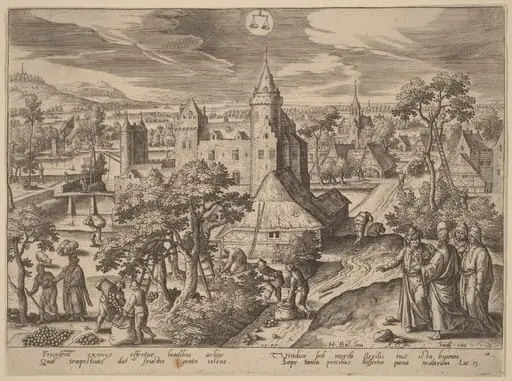
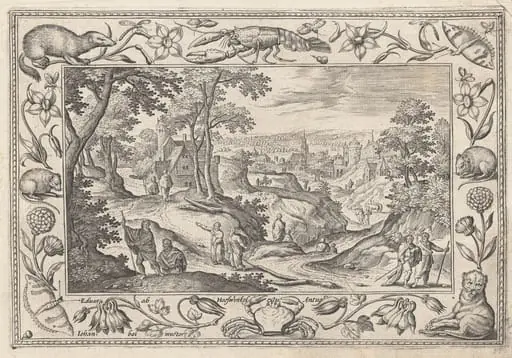
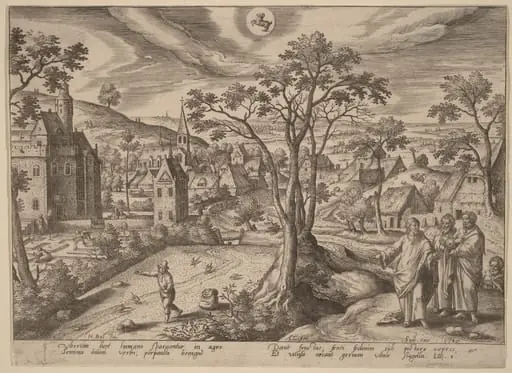
Christ and the Disciples in the Field
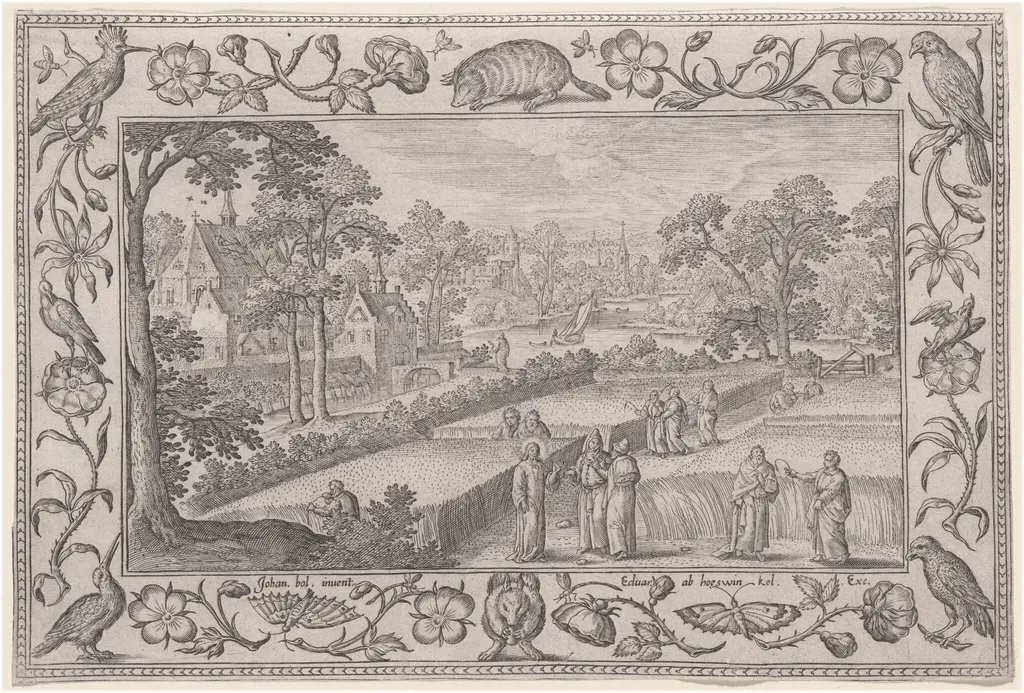
Christ and the Disciples in the Field is an ink print by the Renaissance artist Adriaen Collaert. It dates from 1584 and is held in the collection of the National Gallery of Art.
About this work
Overview
Created around 1584, this engraving by Adriaen Collaert depicts a biblical scene of Christ with his disciples in an open landscape.
Created around 1584, this engraving by Adriaen Collaert depicts a biblical scene of Christ with his disciples in an open landscape. Executed on laid paper, the work belongs to the printmaking tradition of the late 16th century. It is currently held in the collection of the National Gallery of Art in Washington, D.C., where it serves as an example of Northern European religious imagery produced for private devotion and scholarly circulation.
Subject & Meaning
The scene portrays Christ and his followers in a quiet, pastoral setting, likely referencing post-resurrection appearances described in the Gospels. The figures are arranged with subtle gestures and spatial relationships that suggest contemplation and instruction. The absence of overt drama emphasizes spiritual presence over narrative action, aligning with devotional practices that valued introspection and quiet reverence.
Technique & Style
Collaert employed fine, controlled lines to carve the image into a copper plate, a hallmark of engraving. The precision of the lines renders textures in fabric, foliage, and terrain with remarkable clarity. Shading is achieved through hatching and cross-hatching rather than tone, creating depth through line density. The composition reflects Flemish Mannerist tendencies, with elongated figures and carefully balanced spatial organization.
History & Provenance
The print was produced during Collaert’s active period in Antwerp, a center for commercial printmaking. It likely circulated among educated patrons and clergy who collected religious imagery. The National Gallery of Art acquired the work as part of its broader effort to document European print traditions. Its survival in good condition reflects careful handling and preservation over centuries.
Context
In the decades following the Reformation, Catholic regions like the Southern Netherlands saw a surge in devotional prints that reinforced traditional narratives. Collaert, working under the influence of artists like Maerten de Vos, contributed to this market by translating religious themes into accessible graphic form. Engravings like this one bridged the gap between altarpieces and domestic spirituality.
Legacy
Collaert’s engraving exemplifies the technical refinement and devotional intent characteristic of late 16th-century Flemish printmaking. While not widely reproduced in modern scholarship, it remains a representative work of its time, illustrating how religious themes were visually sustained in a changing spiritual landscape. Its presence in major collections ensures continued study of print culture’s role in early modern piety.
Artist & collection


 The Sending Out of the Apostles
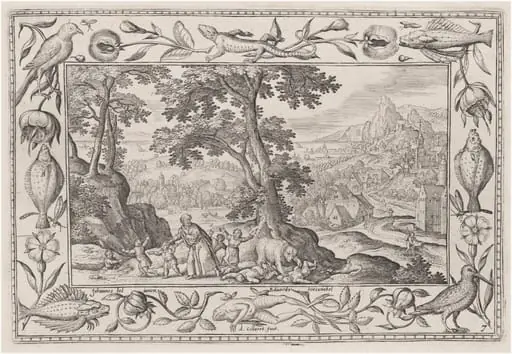 The Mocking Children Cursed by Elijah and Eaten by a She-Bear
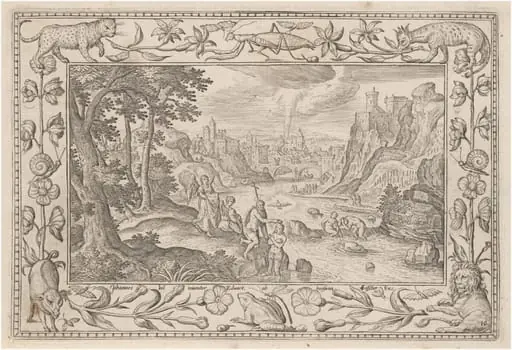 The Baptism of Christ
 Spring
 Pharaoh’s Daughter Finding Moses
 Landscape with Runaway Horses
 The Parable of the Sower
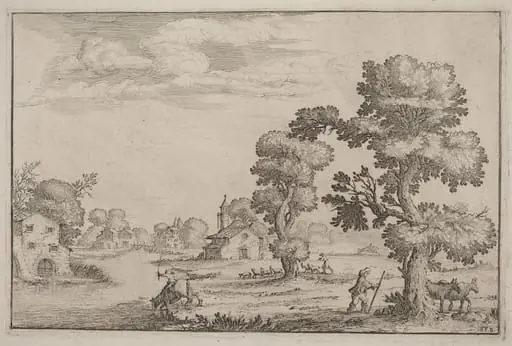 Lakeside Village with Herdsmen
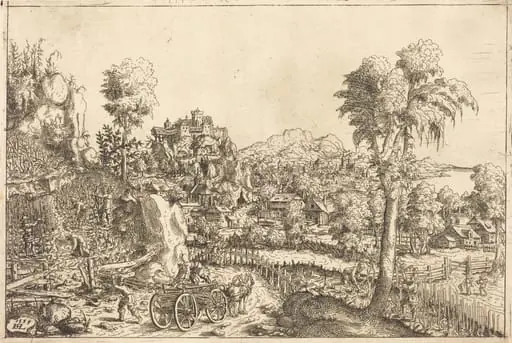 Landscape with a Vineyard
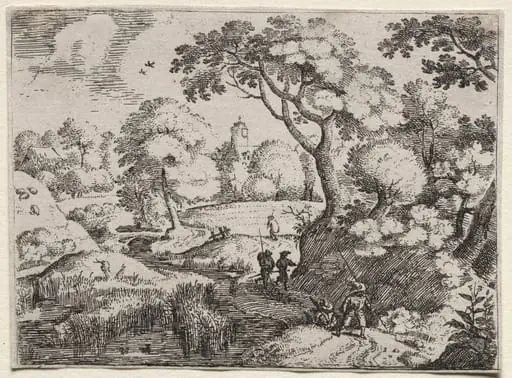 Six Landscapes: Path Between Swamp and Wooded Bank
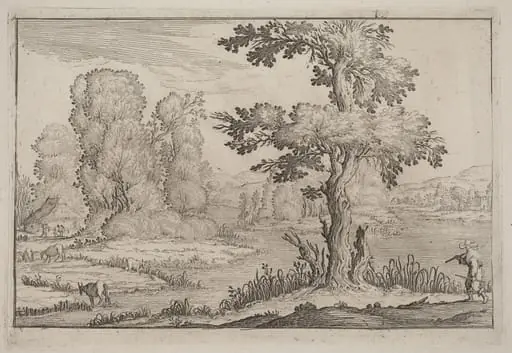 Herdsman and Cows Crossing a River