Artwork
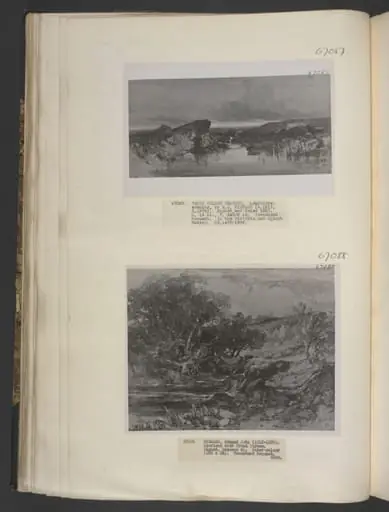
On the Slabod Flats, North Wales
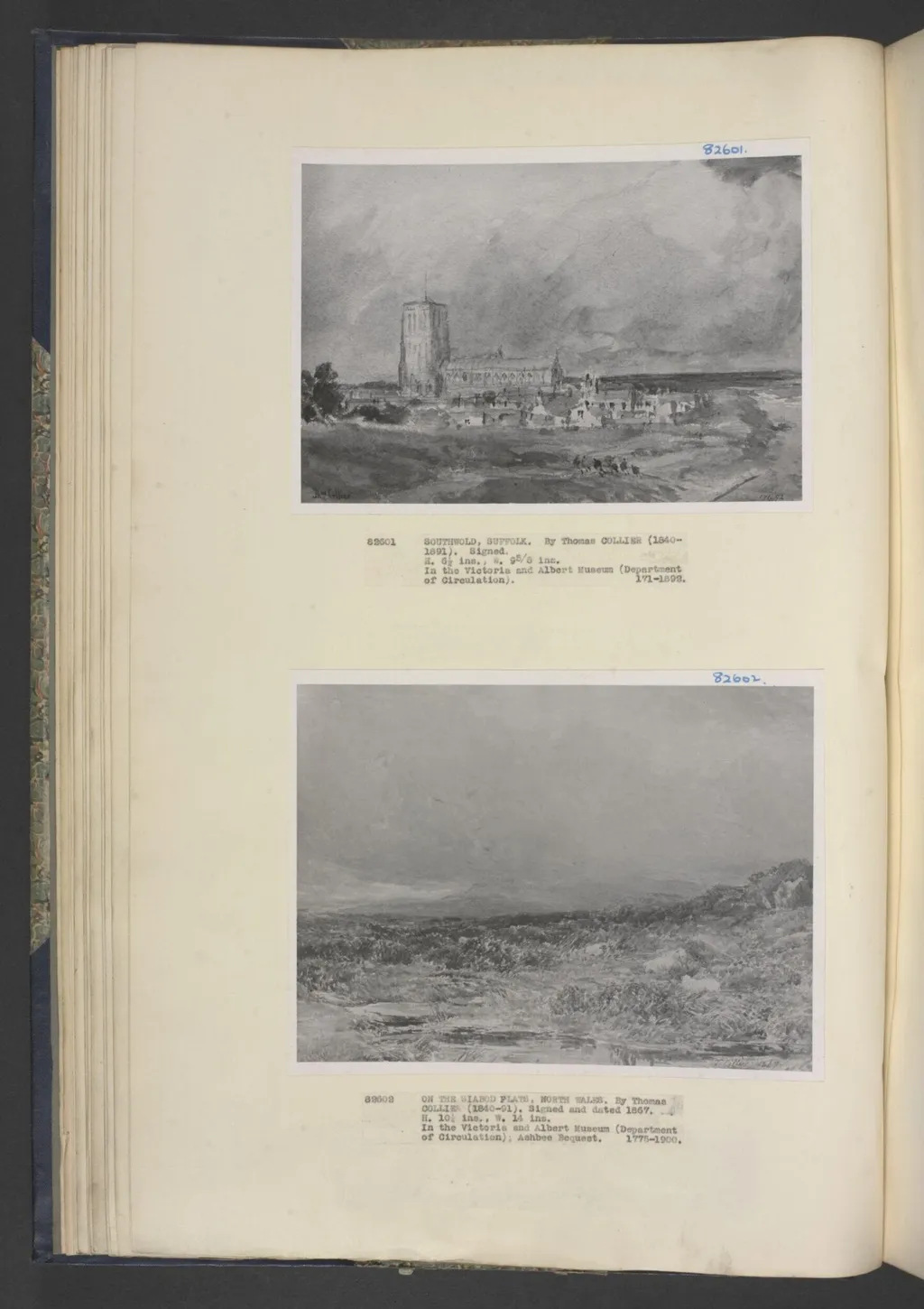
On the Slabod Flats, North Wales is a drawing by the Impressionist artist Evert Collier. It is held in the collection of the Victoria and Albert Museum.
About this work
Overview
Collier’s 1867 drawing, *On the Slabod Flats, North Wales*, records a coastal scene from the eponymous flats in northern Wales. Executed in pen and ink, the work is signed and dated by the artist, placing it firmly within the mid‑nineteenth‑century period of British landscape drawing.
Subject & Meaning
The composition captures a tempestuous shoreline where a turbulent sea hammers against a jagged rock platform. In the background, a mist‑shrouded coastline recedes, emphasizing the isolation and raw power of the Welsh coast. The drawing conveys the atmosphere of a storm‑laden day, highlighting nature’s relentless force.
Technique & Style
Collier employs rapid, sketchy strokes to render the movement of the water, allowing the waves to appear thick and chaotic rather than polished. The loose line work, combined with stark contrasts of dark ink against the paper, aligns the piece with realist tendencies that favored direct observation over idealised representation.
Context
Created during the height of Realism in British art, the drawing reflects a shift toward depicting everyday landscapes with fidelity. By focusing on a specific, less‑touristed locale such as the Slabod Flats, Collier contributes to the period’s interest in documenting the varied geography of the United Kingdom.
Artist & collection

Artist
Evert Collier (26 January 1642 – few days before 8 September 1708) was a Dutch Golden Age still-life painter known for vanitas and trompe-l'œil paintings.

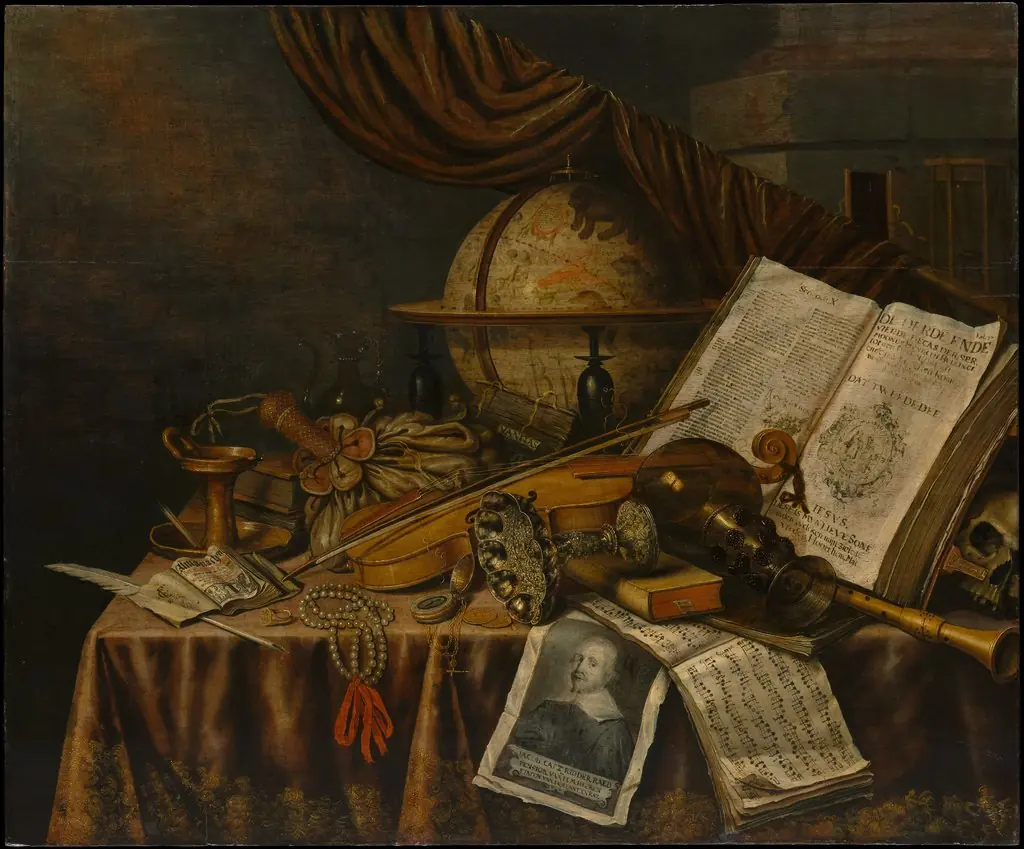 Vanitas Still Life
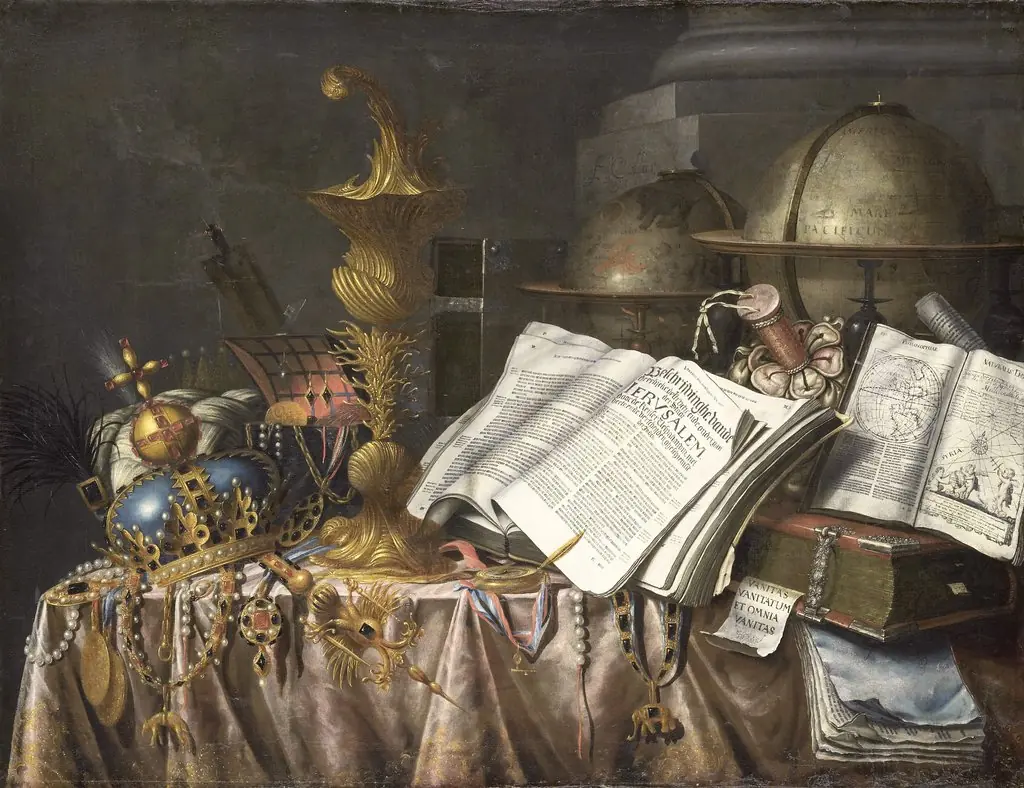 Vanitas still life
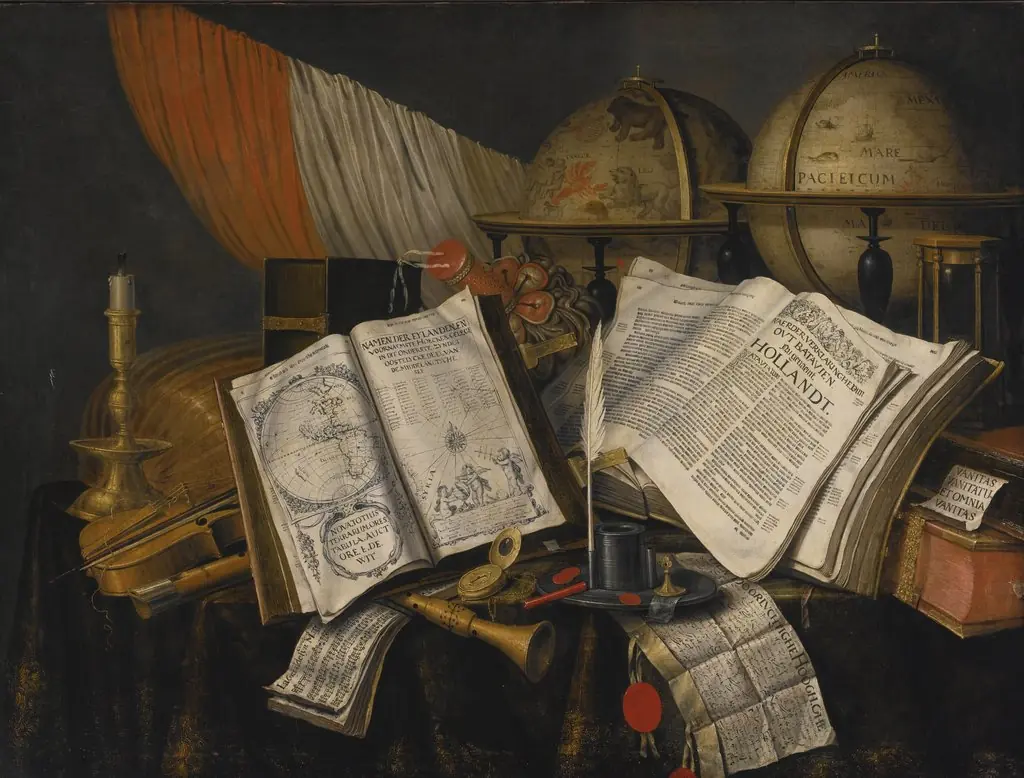 Vanitas Still Life with a Candlestick, Musical Instruments, Dutch Books, a Writing Set, an Astrological and a Terrestial Globe and an Hourglass, All on a Draped Table
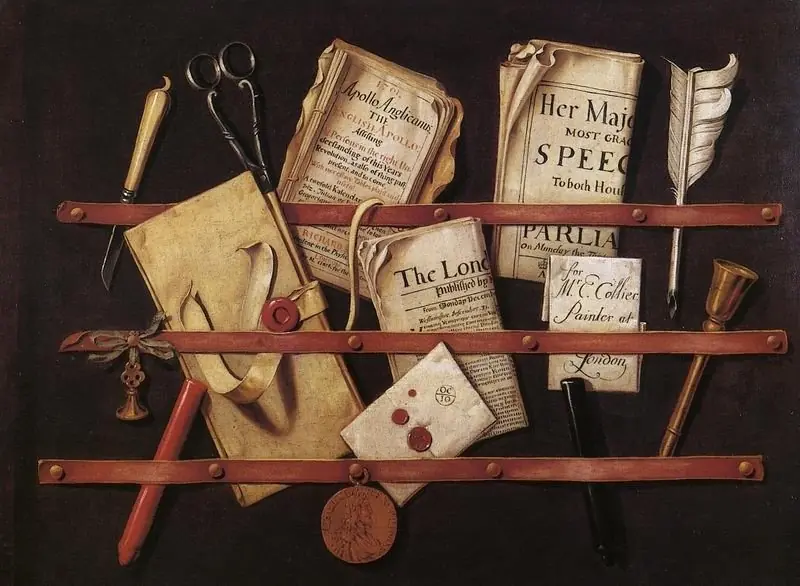 Trompe l'œil with Writing Materials
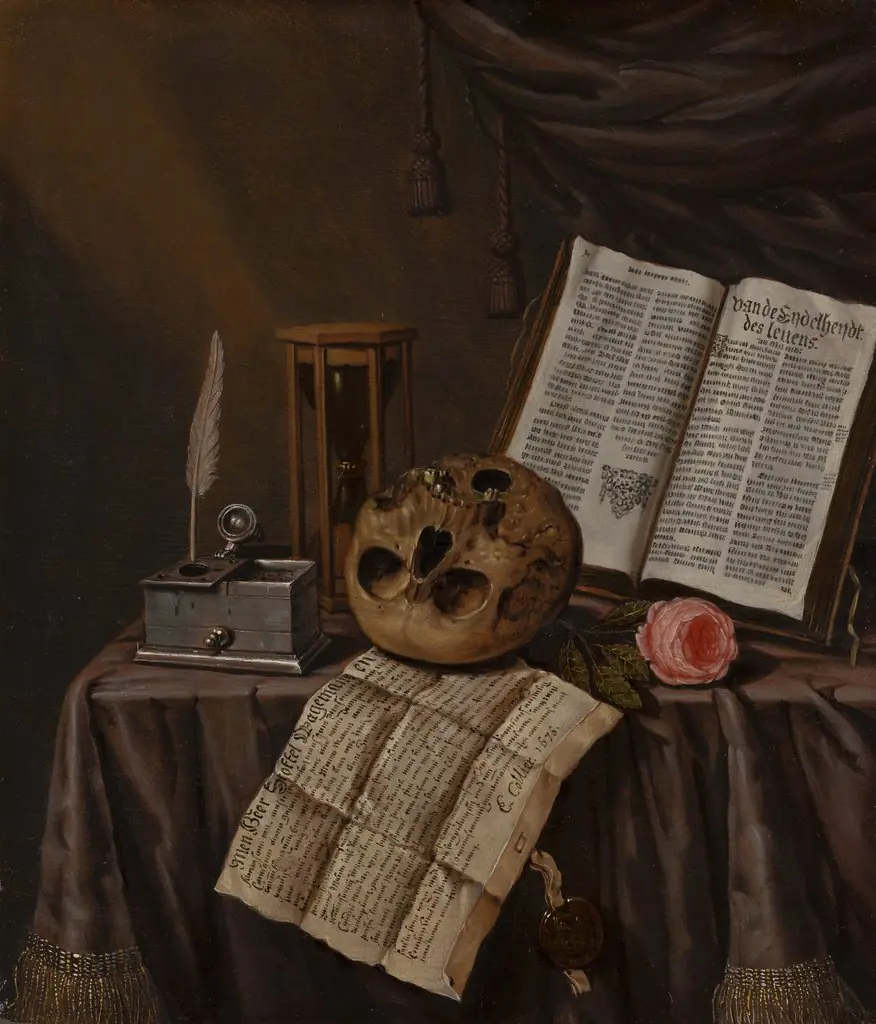 Vanitas Still Life
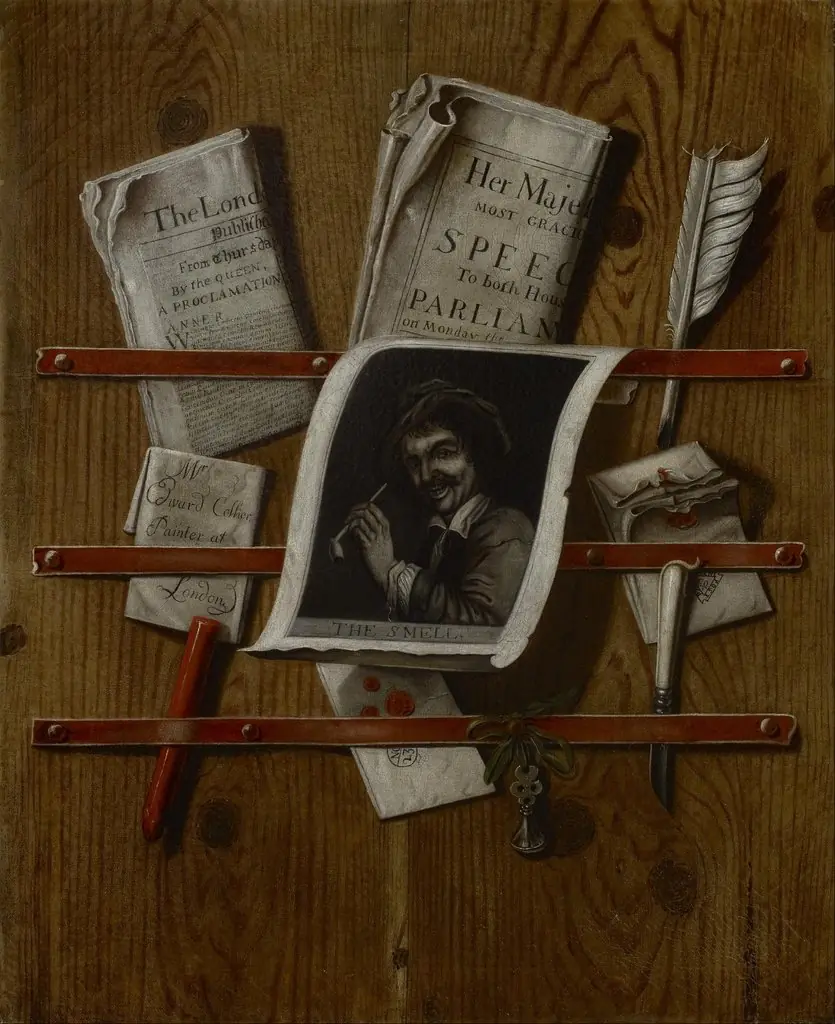 Still Life: The Smell
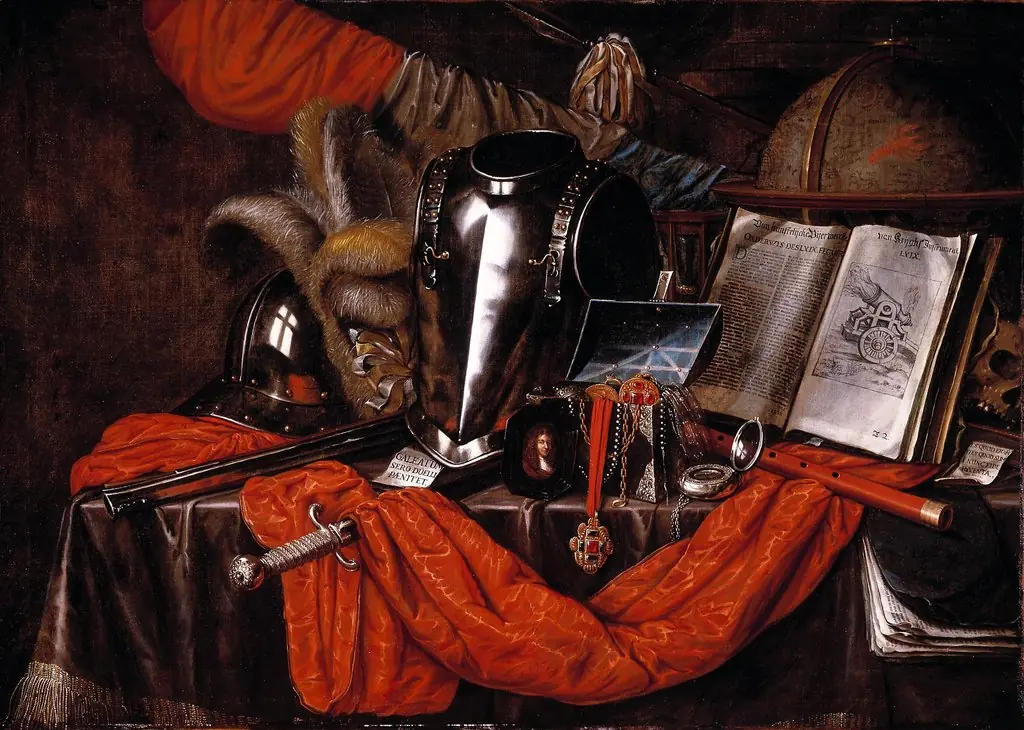 A Vanitas
 Vanitas, Still Life with Books and Manuscripts and a Skull
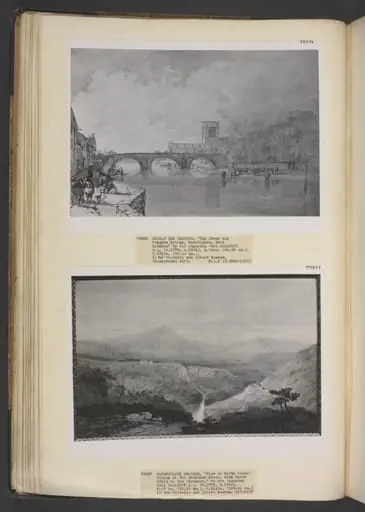 View in North Wales : Valley of the Mawddach river, with Cader Idris in the distance
 Moel-y-Gest, North Wales, with figures and cattle
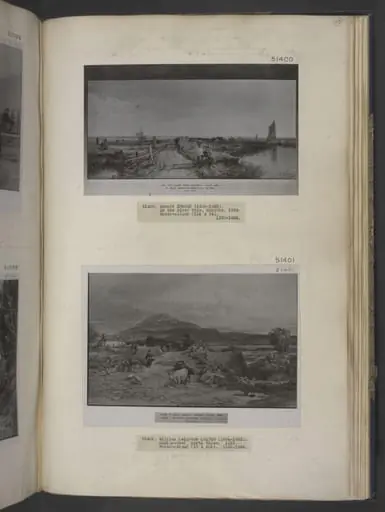
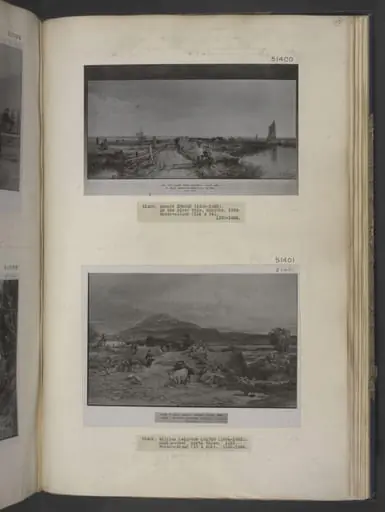 On the River Yare in Norfolk
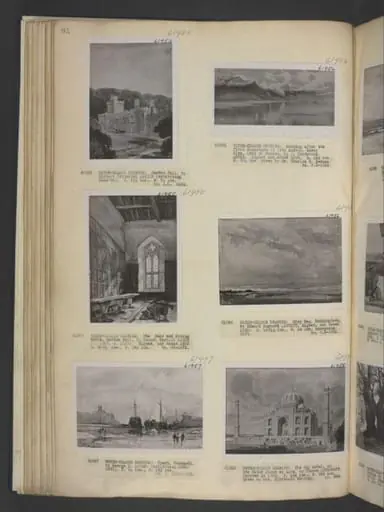 Morning after the first snowstorm in late autumn, Savoy Alps, Lake of Geneva
 Grey Day, Rottingdean
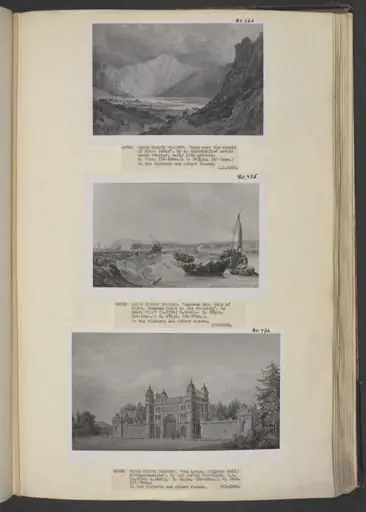 Llyn-y- Cau, the tarn near the summit of Cader Idris, Merionethshire, North Wales
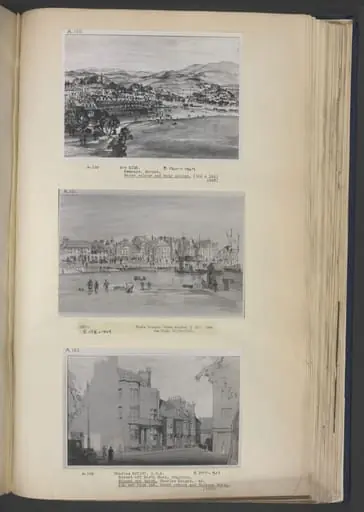 Poole Harbour
 Landscape evening