Artwork
Poole Harbour
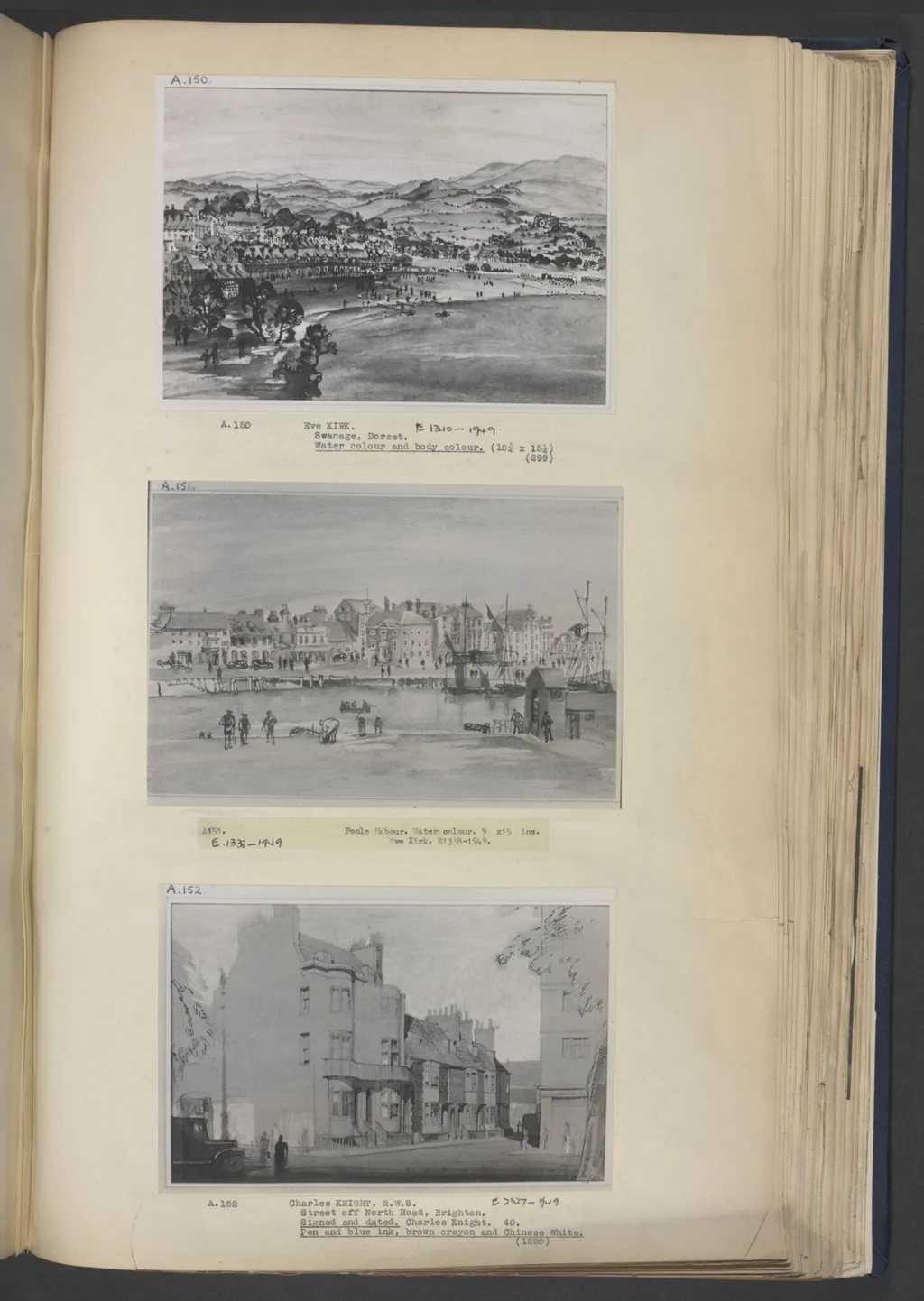
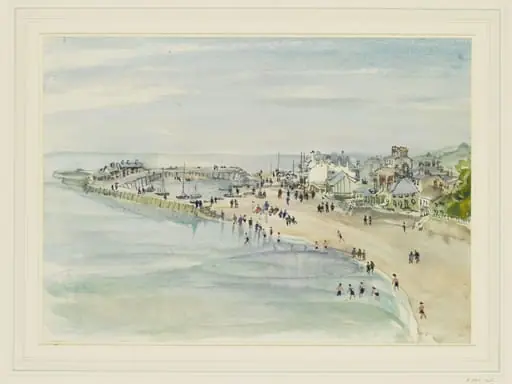
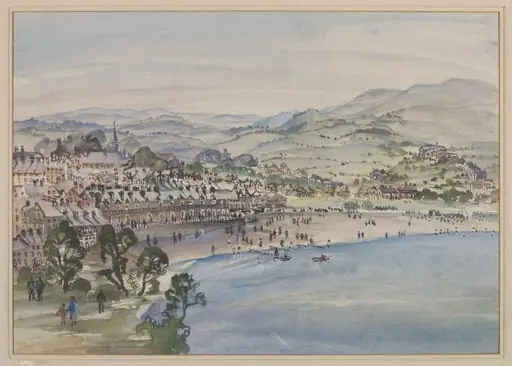
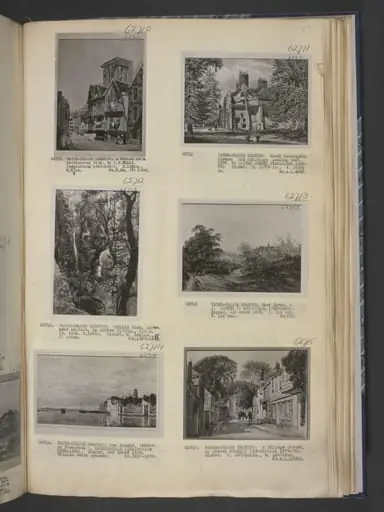
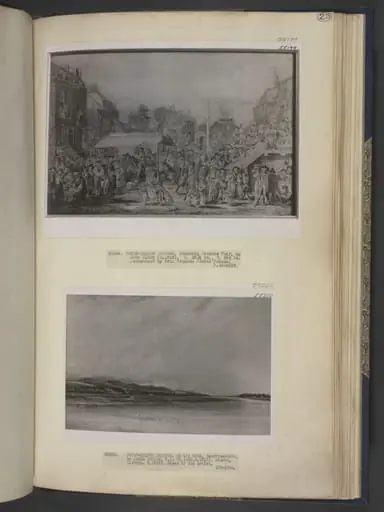
Poole Harbour is a watercolor work on paper by Kirk. It dates from 1940 and is held in the collection of the Victoria and Albert Museum.
About this work
Overview
Commissioned by the Pilgrim Trust and directed by Sir Kenneth Clark, the project enlisted artists to capture scenes of cultural significance across the country.
This watercolour, created in 1940, is one of many works produced for the Recording Britain project, a wartime initiative to visually archive landscapes and architecture at risk from conflict and modernization. Commissioned by the Pilgrim Trust and directed by Sir Kenneth Clark, the project enlisted artists to capture scenes of cultural significance across the country. The piece depicts Poole Harbour, a coastal estuary in Dorset, rendered with careful attention to topography and local character.
Subject & Meaning
The scene focuses on the quiet activity of Poole Harbour, with moored vessels and modest waterfront structures suggesting a working coastal community. Rather than emphasizing grandeur, the work highlights everyday places tied to regional identity. In the context of wartime uncertainty, such images served as visual anchors—reminders of continuity and place amid disruption, preserving the ordinary as a form of cultural resistance.
Technique & Style
Executed in watercolour, the piece employs soft washes and delicate linework to convey texture and atmosphere. The artist uses subtle gradations of tone to suggest light on water and the weight of buildings, avoiding bold contrasts in favor of muted, naturalistic hues. The precision in architectural detail and the fluid handling of the medium reflect a disciplined approach common among Recording Britain contributors, prioritizing observational accuracy over expressive flourish.
History & Provenance
The work was produced as part of a larger collection assembled between 1939 and 1945, with each piece catalogued and archived for public preservation. It entered the Victoria and Albert Museum’s holdings following the project’s conclusion, where it remains accessible as part of a documented national effort. The attribution to the artist Kirk, mentioned in visual notes, aligns with known contributors to the scheme, though specific records of individual commissions vary in detail.
Context
The Recording Britain project emerged during a period of intense national anxiety, as bombing raids and urban redevelopment threatened historic sites. Artists were sent across the country to record vernacular architecture, rural vistas, and coastal communities before they vanished. Poole Harbour, with its mix of maritime trade and traditional settlement, exemplified the kind of place the project sought to preserve—not for its fame, but for its quiet embodiment of English landscape heritage.
Legacy
The watercolours from Recording Britain now serve as a vital historical archive, offering insight into Britain’s pre-war landscape and the values of its cultural preservation efforts. Unlike wartime propaganda, these works avoid heroism, instead offering quiet, detailed observations that resonate as documents of place and memory. Today, they are studied for their artistic merit and their role in shaping public awareness of heritage conservation.
Artist & collection
Artist
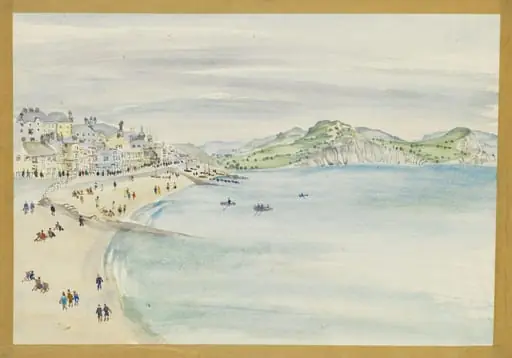
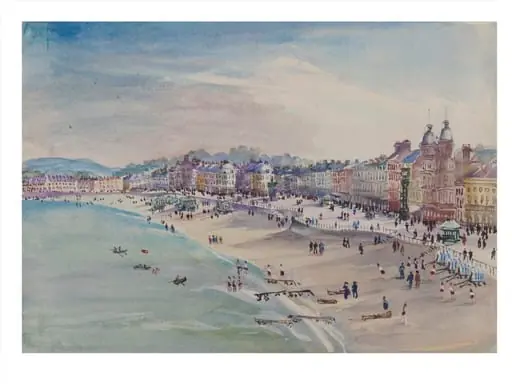
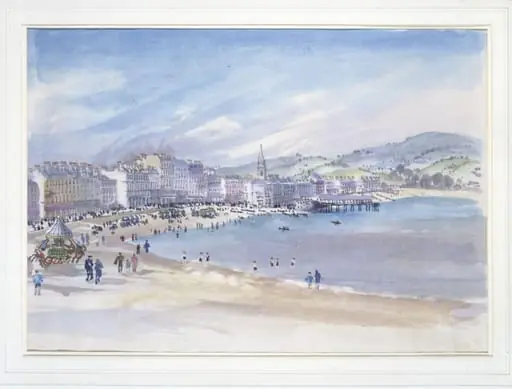
This British artist left a small but vivid trail of watercolours, all painted around 1940.

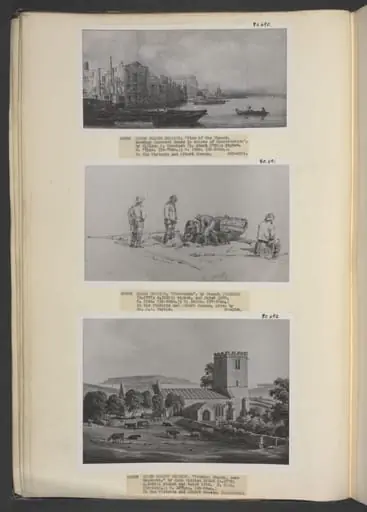 Fishermen
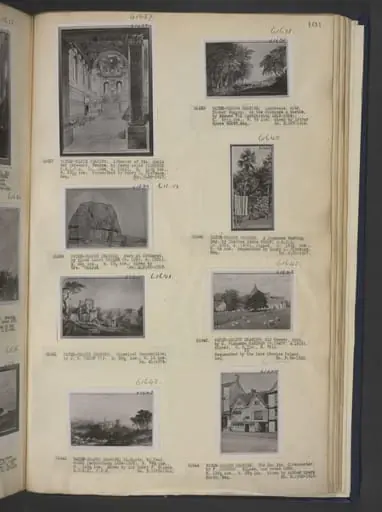 Classical composition
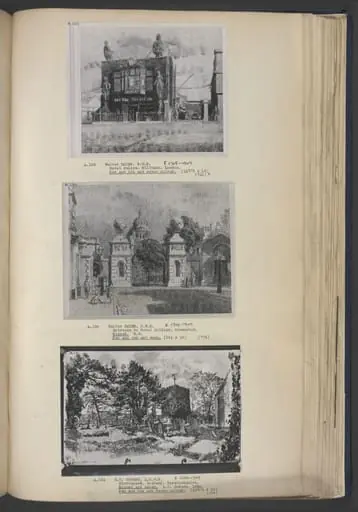 The Gateway, Royal Naval College, Greenwich
 On the Slabod Flats, North Wales
 Town and lake of Como, Italy
 Morning after the first snowstorm in late autumn, Savoy Alps, Lake of Geneva
 Grey Day, Rottingdean
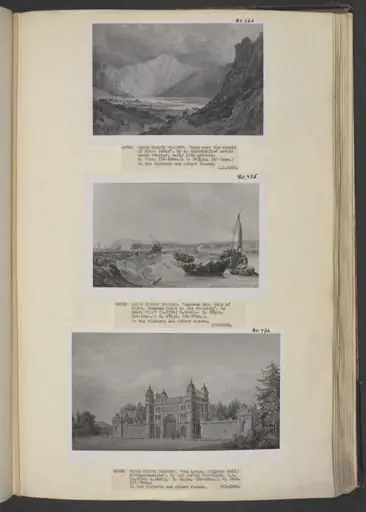 Llyn-y- Cau, the tarn near the summit of Cader Idris, Merionethshire, North Wales
 Colin Glen near Belfast
 The waterfall in Hyde Park
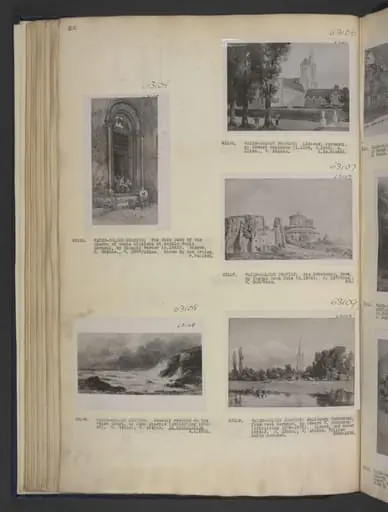 The Side Door of the Church of Santa Giuliana at Aquila Degli Abruzzi
 On the Ninth, Dumfriesshire