Artwork
A Heath in Sussex
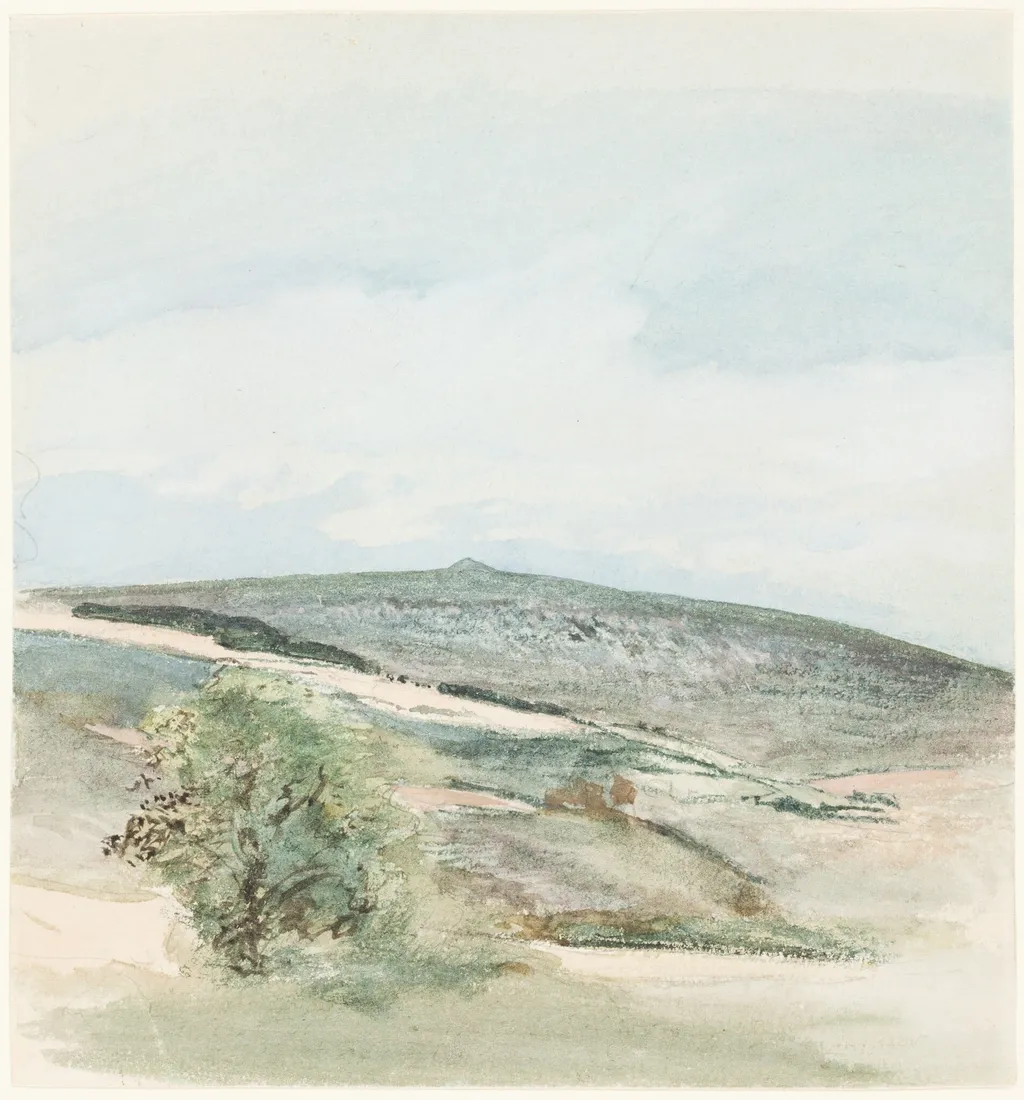
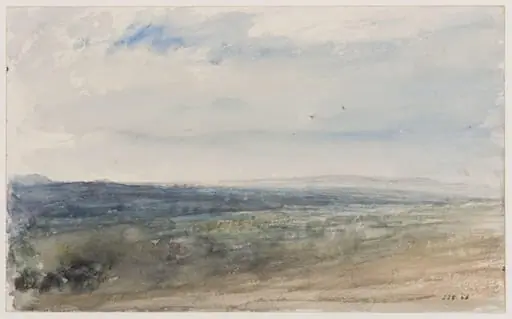
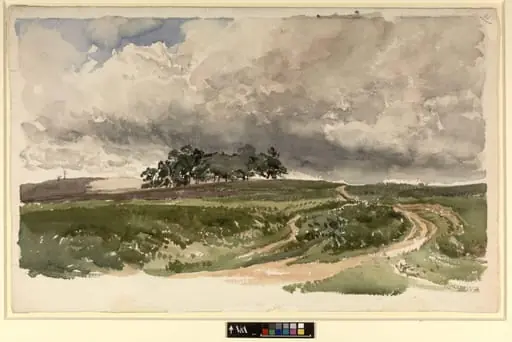
A Heath in Sussex is a graphite drawing by the Romanticist artist William Collins. It dates from 1812 and is held in the collection of the National Gallery of Art. Created between 1810 and 1815, this watercolor drawing depicts a heath landscape in Sussex.
About this work
The artist used watercolor over graphite with scratching out on wove paper, which was a common technique during that time.
The painting is a landscape titled A Heath in Sussex.
It was created between 1810 and 1815.
The artist used watercolor over graphite with scratching out on wove paper, which was a common technique during that time.
This combination of media allowed for subtle texture and color variations.
The use of scratching out to create highlights and details is a notable aspect of this work.
To learn more about this style, look into the movement: Romanticism.
Overview
Created between 1810 and 1815, this watercolor drawing depicts a heath landscape in Sussex. Executed on wove paper, the work combines graphite underdrawing with watercolor washes, and the surface is further altered by deliberate scratching to reveal highlights and fine details.
Subject & Meaning
The composition presents an open heath, a typical rural setting, emphasizing the quiet interaction between people and the natural environment. The scene reflects an interest in everyday rural life, a theme frequently explored by the artist in his broader oeuvre.
Technique & Style
The artist employed a layered approach: an initial graphite sketch establishes form, followed by transparent watercolor washes. Scratching into the dried paint exposes underlying paper, producing luminous accents and texture. This method aligns with early‑19th‑century Romantic landscape practices, where atmospheric effects and subtle tonal shifts were prized.
History & Provenance
The drawing was produced by an English landscape painter active in the early 1800s, known for sentimental portrayals of countryside scenes. While specific ownership records are limited, the work remains a representative example of his early output and of the period’s watercolor techniques.
Context
During the early 19th century, British artists increasingly turned to native scenery, inspired by Romantic ideals that valued nature’s emotional resonance. Sussex heathlands offered a familiar yet evocative subject, allowing the artist to explore light, texture, and the relationship between humans and the land.
Own this work as a print
Artist & collection

Artist
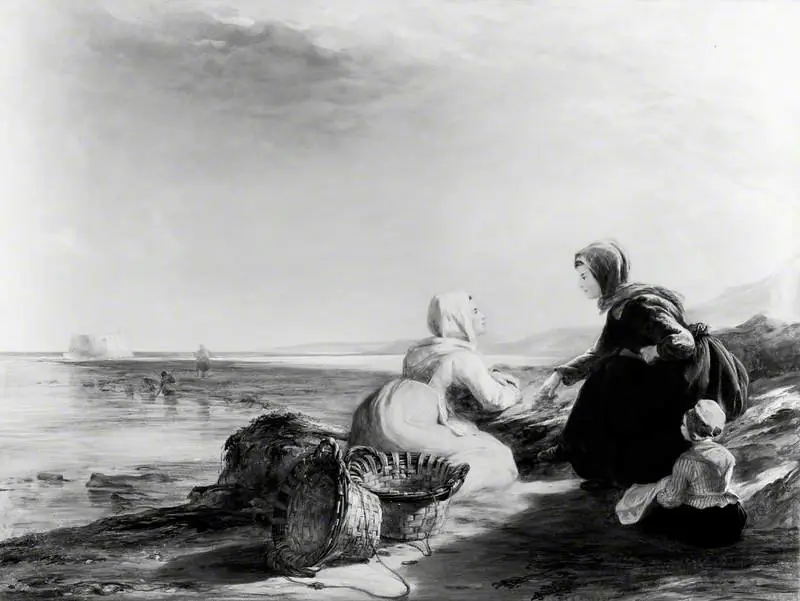
William Collins (8 September 1788, London – 17 February 1847, London) was an English landscape and genre painter.

 A view of downland country
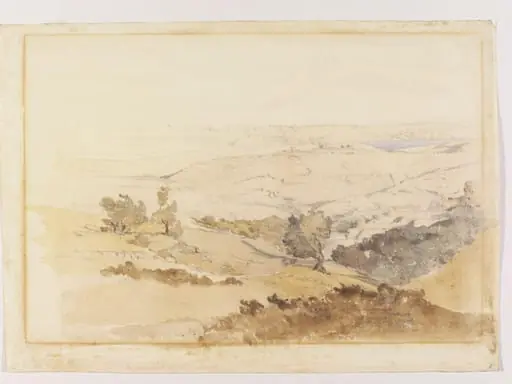 The Sea of Galilee from the heights of Safad
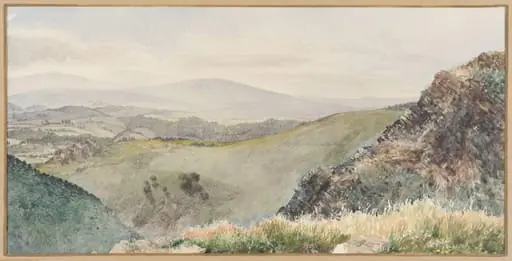 Untitled
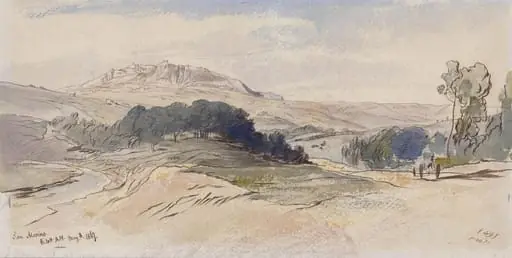 San Marino 6.40 AM. May 8. 1867
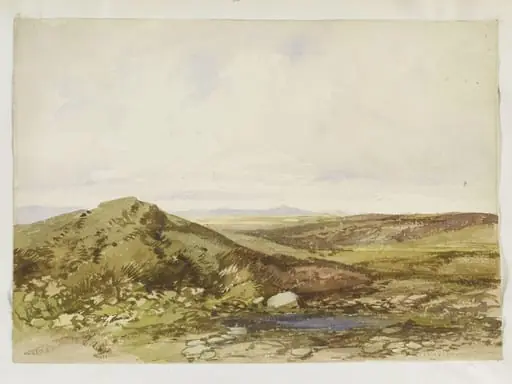 Watercolour in album of 51 drawings and watercolours by James Duffield Harding
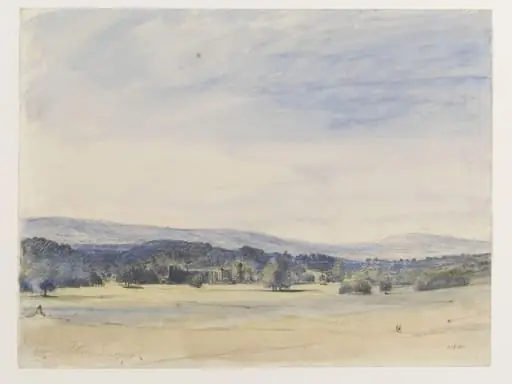 The ruins of a Cowdray House
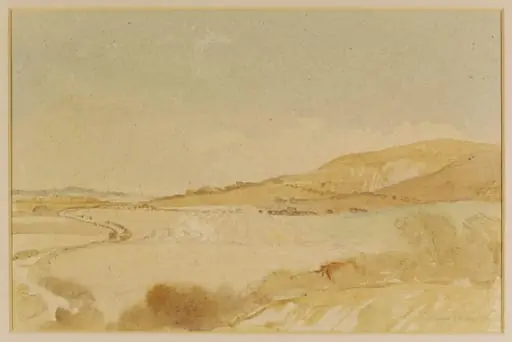 The Southdown, Underhill Road; Clayton to Westmeston
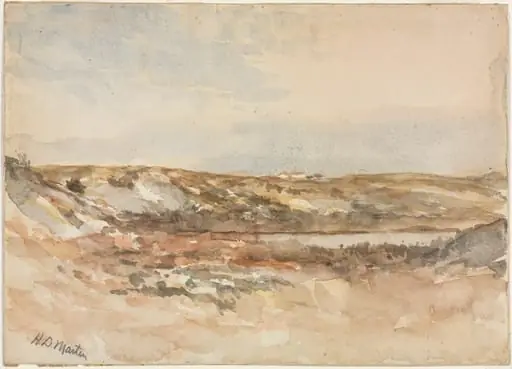 Near Newport
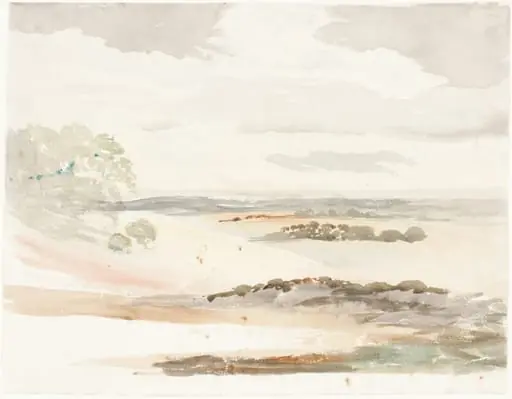 An Extensive View in Shropshire
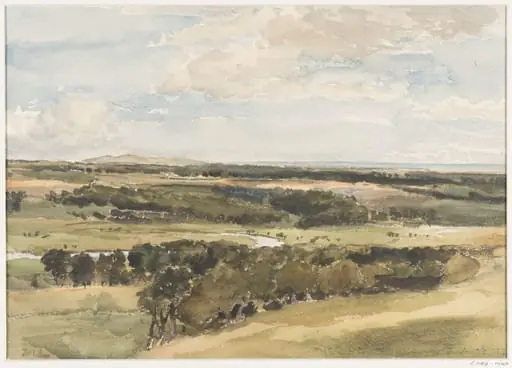 Arundel Park
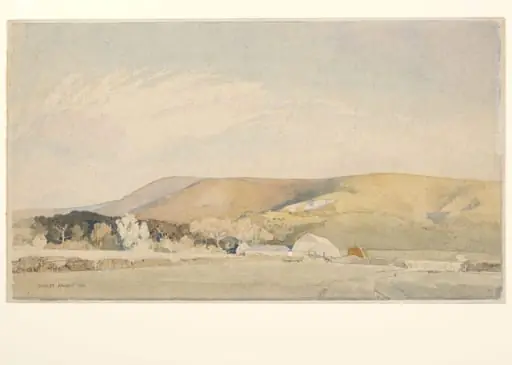 Lodge Barn, near Ditchling
 A Heath Scene