Artwork
Love in a Village
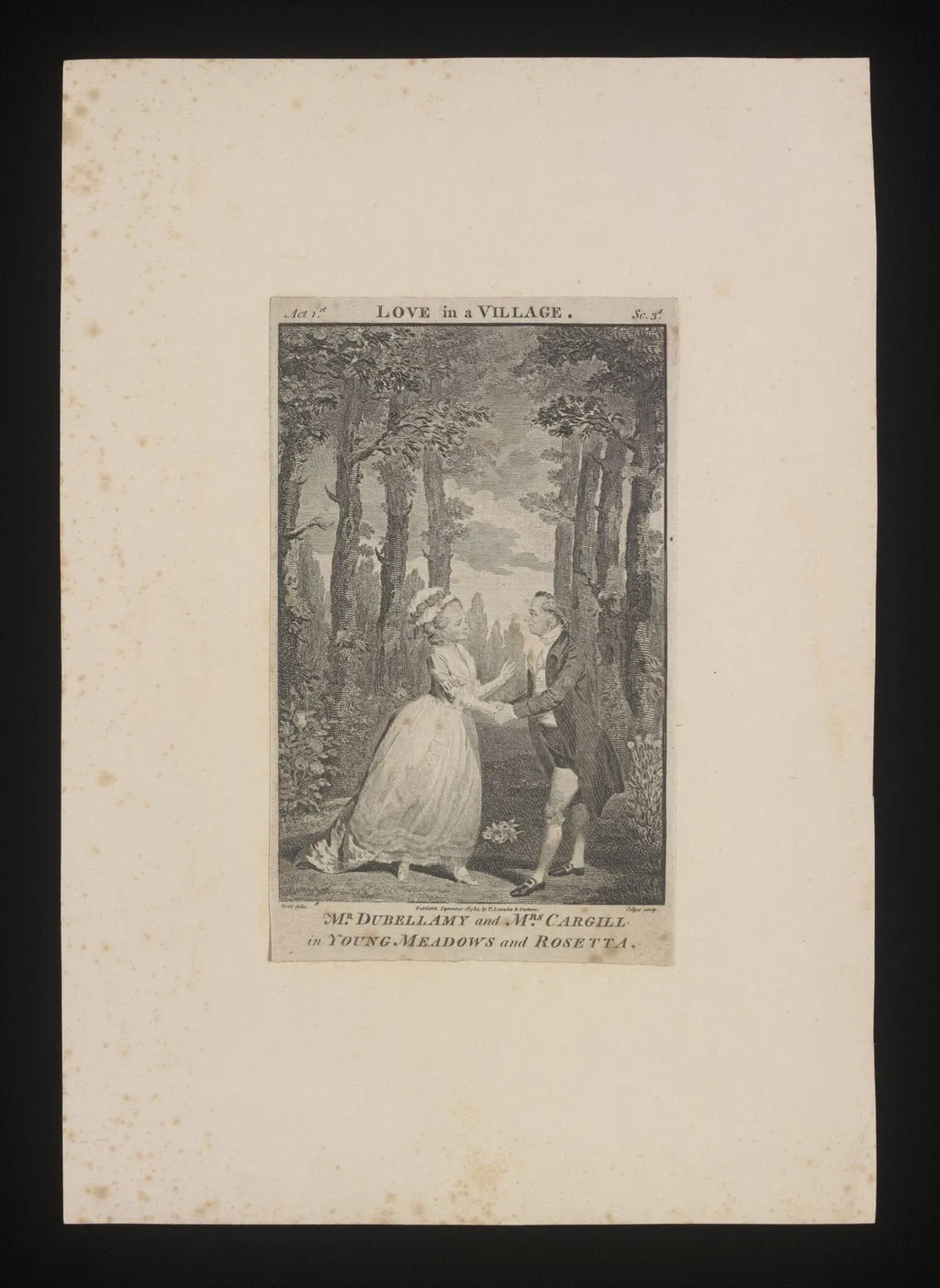
Love in a Village is a print by the Romanticist artist Joseph Collyer. It dates from 1 and is held in the collection of the Victoria and Albert Museum.
About this work
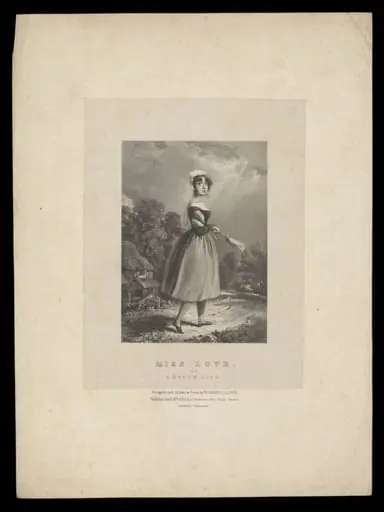
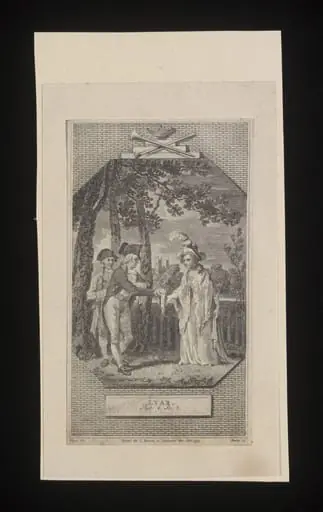
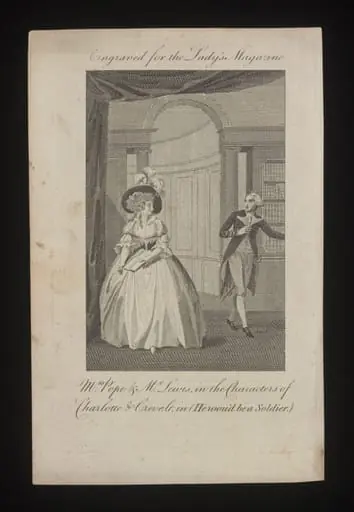
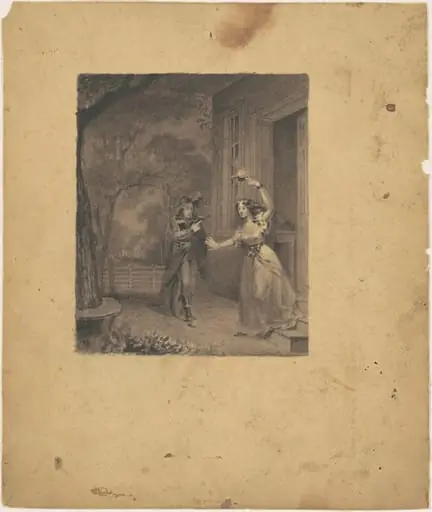
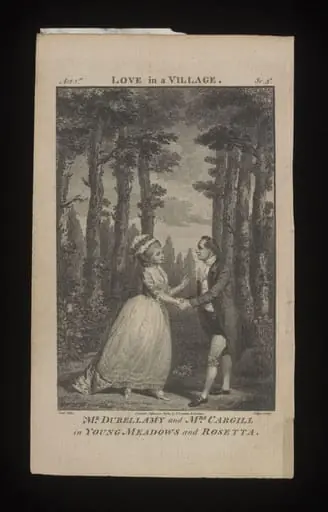
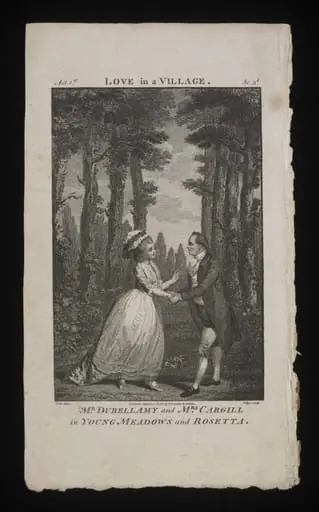
This print shows two people, Mr Dubellamy and Mrs Cargill, in a scene called *Love in a Village*. It’s an old print from 1782, made by Joseph Collyer the Second.
The print was sold in London by T. Lowndes & Partners. It’s part of the Harry Beard Collection now at the Victoria and Albert Museum.
Look up the movement called Romanticism next.
Overview
This 1782 print, titled *Love in a Village*, portrays a scene featuring Mr. Dubellamy and Mrs. Cargill, created by Joseph Collyer the Second. Published by T. Lowndes & Partners in London, it is now part of the Harry Beard Collection at the Victoria and Albert Museum.
Subject & Meaning
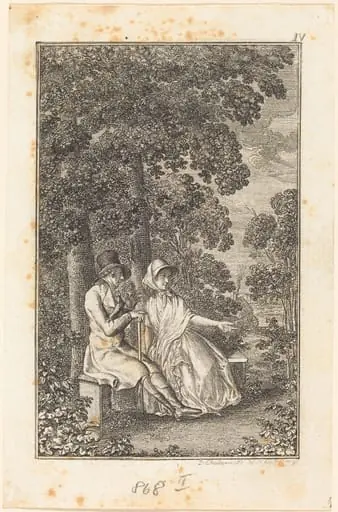
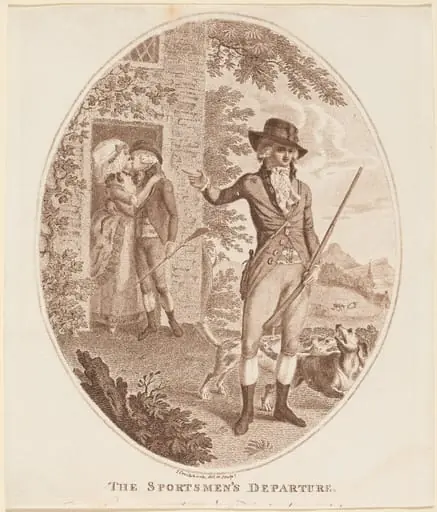
The print captures a romantic moment between two individuals, Mr. Dubellamy and Mrs. Cargill, within a village setting, conveying a sense of intimate, personal connection amidst a rural backdrop.
Technique & Style
While specific technical details of the print's creation are not provided, its production in 1782 suggests adherence to late 18th-century printmaking techniques, with a style that may prefigure or align with emerging Romantic sensibilities, though not explicitly attributed to the Romantic movement in the provided context.
History & Provenance
Published on 1st September 1782 by T. Lowndes & Partners in London, the print later became part of the Harry Beard Collection, currently housed at the Victoria and Albert Museum.
Context
Created on the cusp of the Romantic era, *Love in a Village* may reflect transitioning artistic values, though its direct association with Romanticism is not specified. The scene's emphasis on emotional intimacy and natural setting could hint at influences or parallels with the impending Romantic movement.
Artist & collection
Artist
Joseph Collyer made book illustrations and prints in late-18th-century London. His prints were sold by booksellers like H. Beard, who published *Love in a Village* on 1 September 1782. The pictures mimic stage scenes…