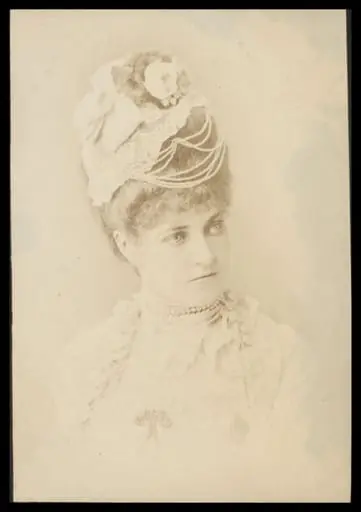
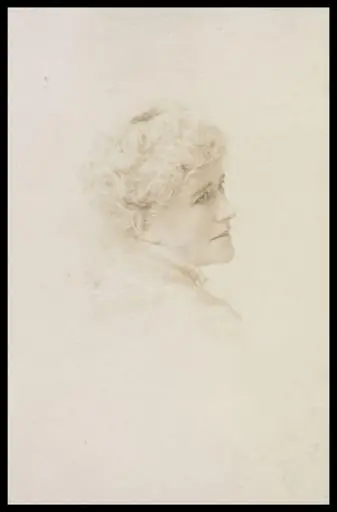
Artwork
Guy Little Theatrical Photograph
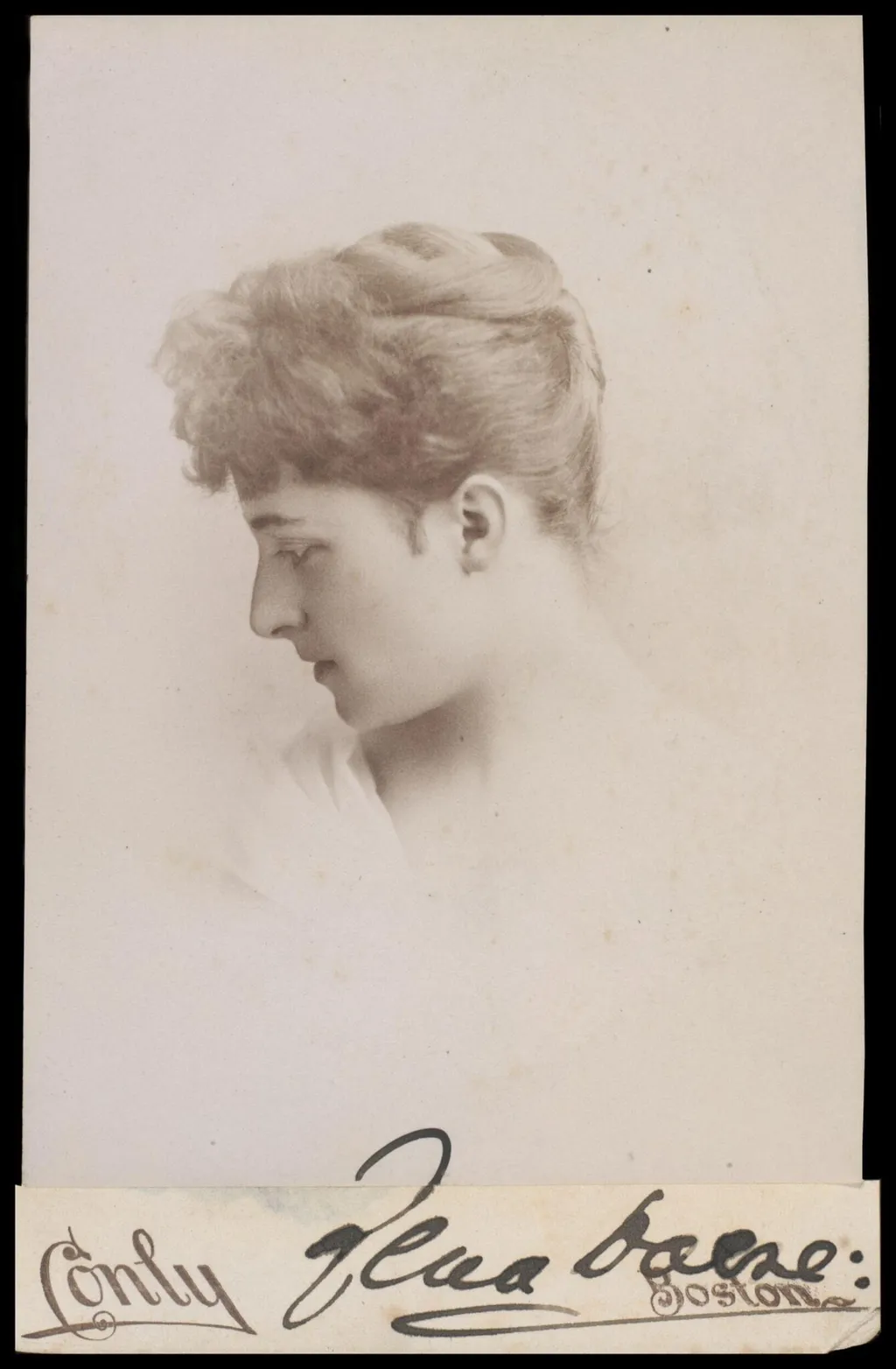
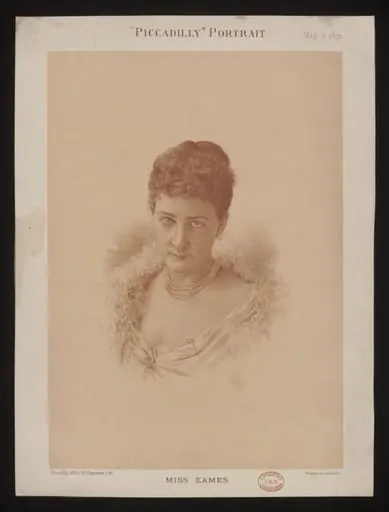
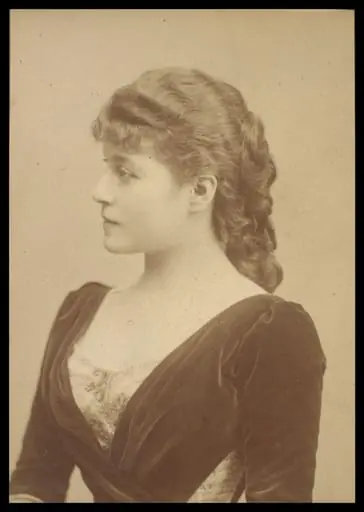
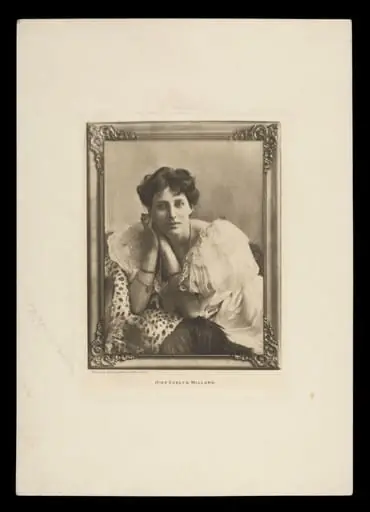
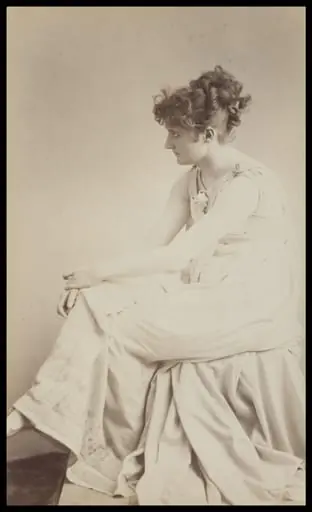
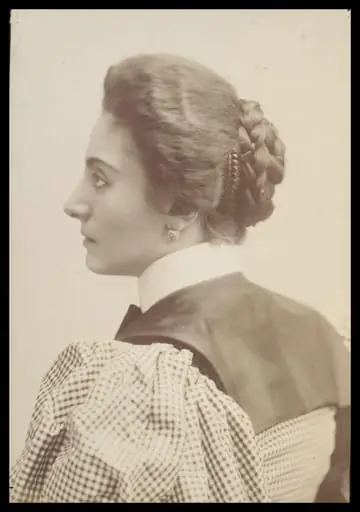
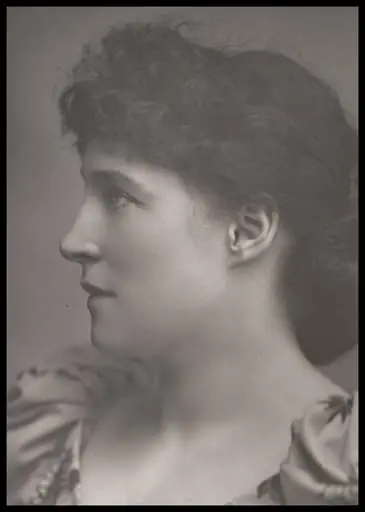
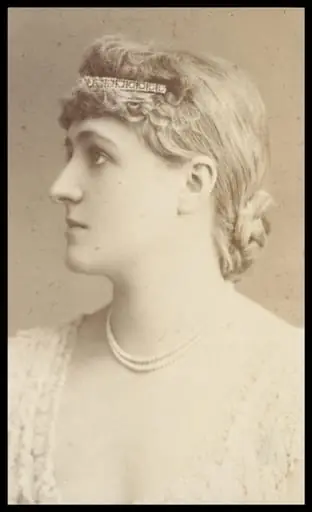
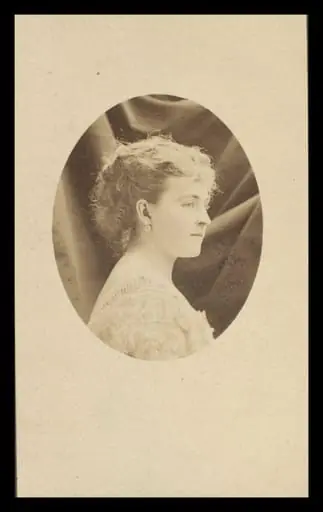
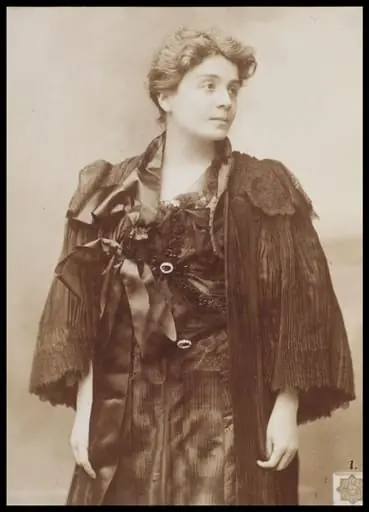
Guy Little Theatrical Photograph is a photographic photography by Conly. It dates from 1950 and is held in the collection of the Victoria and Albert Museum. This photograph of actress Helena Dacre is an albumen print mounted on card, originally produced as a carte de visite.
About this work
Overview
It was taken by photographer Conly and later collected by Guy Tristram Little, a solicitor and avid archivist of theatrical memorabilia.
This photograph of actress Helena Dacre is an albumen print mounted on card, originally produced as a carte de visite. It was taken by photographer Conly and later collected by Guy Tristram Little, a solicitor and avid archivist of theatrical memorabilia. Little assembled hundreds of such images into albums, removing them from their original mounts. His collection, bequeathed to the V&A, forms part of a broader archive of 19th-century performance culture.
Subject & Meaning
Helena Dacre was a stage performer active in the late Victorian era. The portrait captures her in theatrical attire, reflecting the common practice of actors posing in costume to promote their roles. These images served both as personal mementos and public advertisements, reinforcing the celebrity status of performers in an age when live theater was a dominant form of entertainment and public fascination.
Technique & Style
The image is an albumen print, made by coating paper with egg white and silver salts, then exposed from a glass negative. Printed small—roughly the size of a visiting card—it was affixed to a thicker card stock bearing the photographer’s imprint. This method, dominant from the 1850s to 1880s, allowed mass production and widespread distribution, making portraiture accessible beyond elite circles.
History & Provenance
The photograph was once part of a personal collection assembled by Guy Tristram Little, who meticulously mounted and preserved cartes de visite and cabinet cards. After his death in 1953, the collection passed to the Victoria and Albert Museum. Little was also the executor of Gabrielle Enthoven’s theatrical archive, linking this image to one of Britain’s most significant theater documentation efforts.
Context
During the 1860s, cartes de visite became a cultural phenomenon, exchanged like social tokens and collected in albums. Actors, royalty, and celebrities were common subjects, reflecting Victorian interests in identity, fame, and domestic display. The format’s popularity declined after the 1880s as larger cabinet cards and later postcards replaced it, signaling shifts in both technology and public taste.
Legacy
Little’s collection preserves a fragmented but rich record of Victorian stage life. By saving these ephemeral prints from disposal, he ensured their survival as historical documents. Today, they offer insight into how performers were marketed, how audiences engaged with celebrity, and how photography shaped public perception of the theater in the 19th century.
Artist & collection
Artist
Conly snapped photos like a stage manager catching actors mid-monologue—always one step ahead, always in the exact right light.

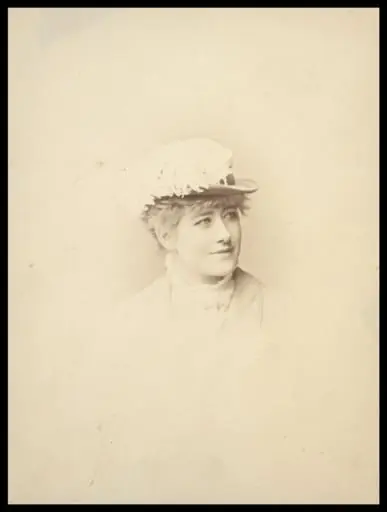 Guy Little Theatrical Photographs
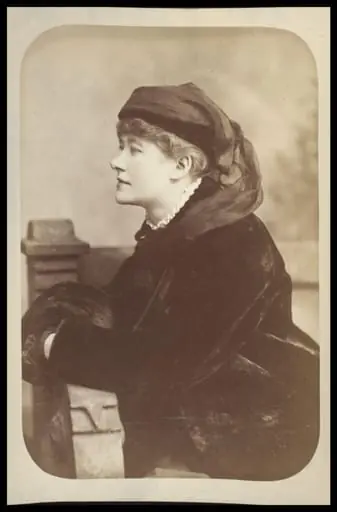 Guy Little Theatrical Photographs
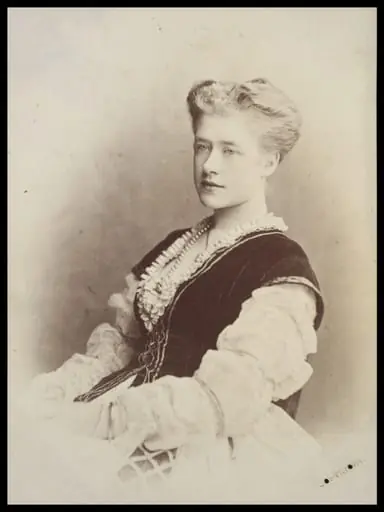 Guy Little Theatrical Photographs
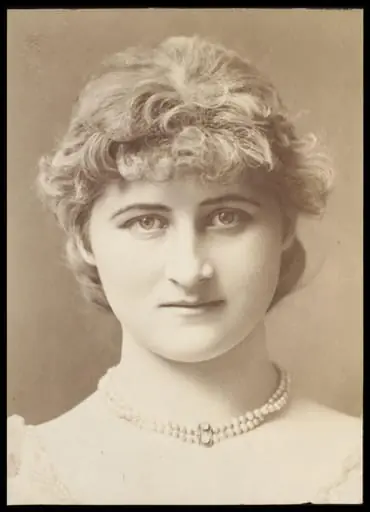 Guy Little Theatrical Photograph
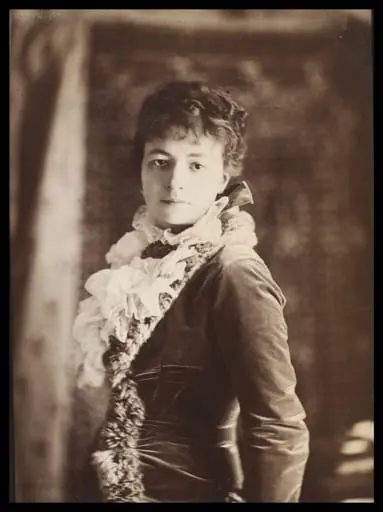 Guy Little Theatrical Photograph
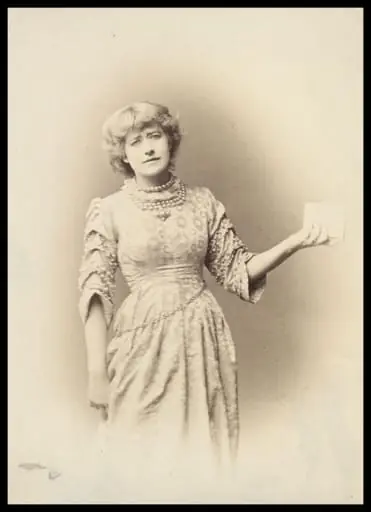 Guy Little Theatrical Photographs
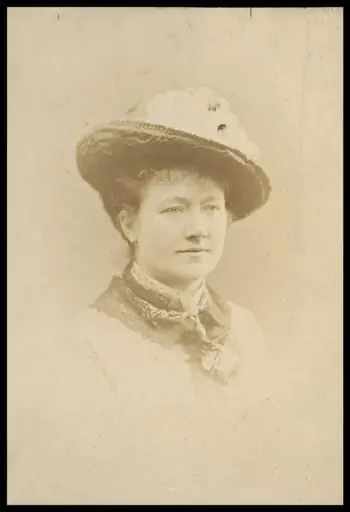 Guy Little Theatrical Photographs
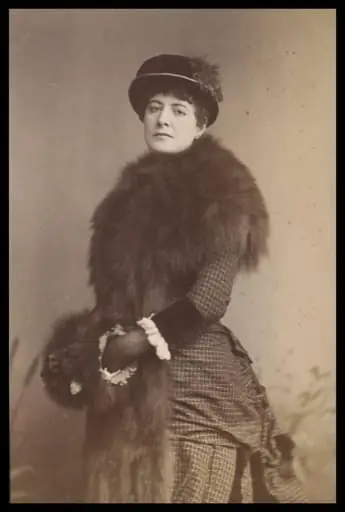 Guy Little Theatrical Photograph
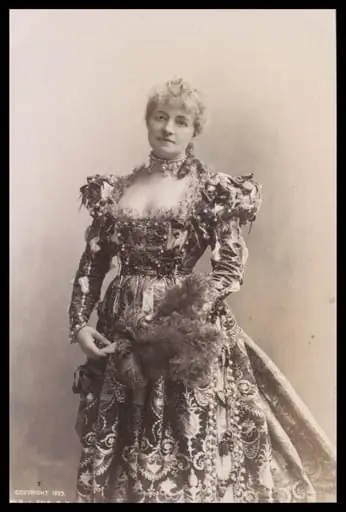 Guy Little Theatrical Photograph
 Guy Little Theatrical Photograph