Artwork
Fisherton Bridge, Salisbury
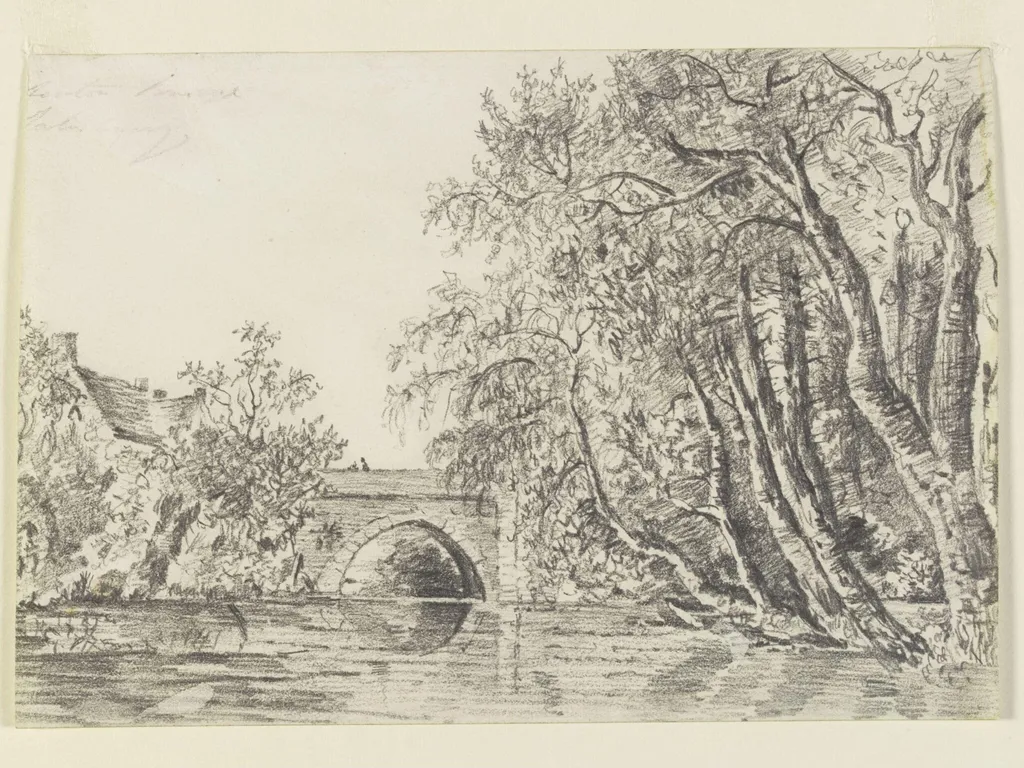
Fisherton Bridge, Salisbury is a drawing by the Romanticist artist John Constable. It dates from 1829 and is held in the collection of the Victoria and Albert Museum.
About this work
Overview
John Constable’s 1829 pencil drawing records Fisherton Bridge over the River Avon in Salisbury. The composition presents the stone bridge arching across calm water, flanked by a line of trees on the right bank and a modest building receding in the distance, establishing depth within a tranquil rural setting.
Technique & Style
Constable employs fine cross‑hatching and stippling to render surface texture, differentiating foliage, water, and sky. Darker, densely hatched strokes convey the solidity of the trees, while lighter, more open marks define the bridge and atmospheric sky, creating a subtle tonal contrast that guides the eye through the scene.
Subject & Meaning
The work captures a moment of everyday English countryside life, emphasizing the harmonious relationship between built infrastructure and the natural environment. By focusing on a modest bridge rather than grand architecture, Constable highlights the quiet dignity of rural travel routes and their integration into the landscape.
History & Provenance
Executed in 1829, the drawing reflects Constable’s early interest in topographical studies that informed his later oil landscapes. The piece remained in private collections before entering a public institution in the mid‑20th century, where it has been cited as an example of his preparatory work for larger compositions.
Artist & collection
Artist
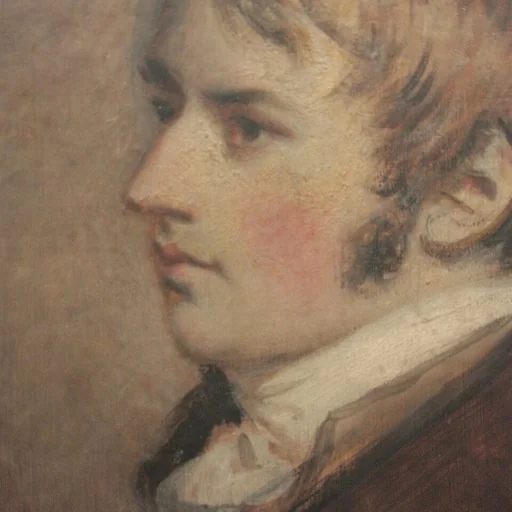
John Constable (; 11 June 1776 – 31 March 1837) was an English landscape painter in the Romantic tradition.

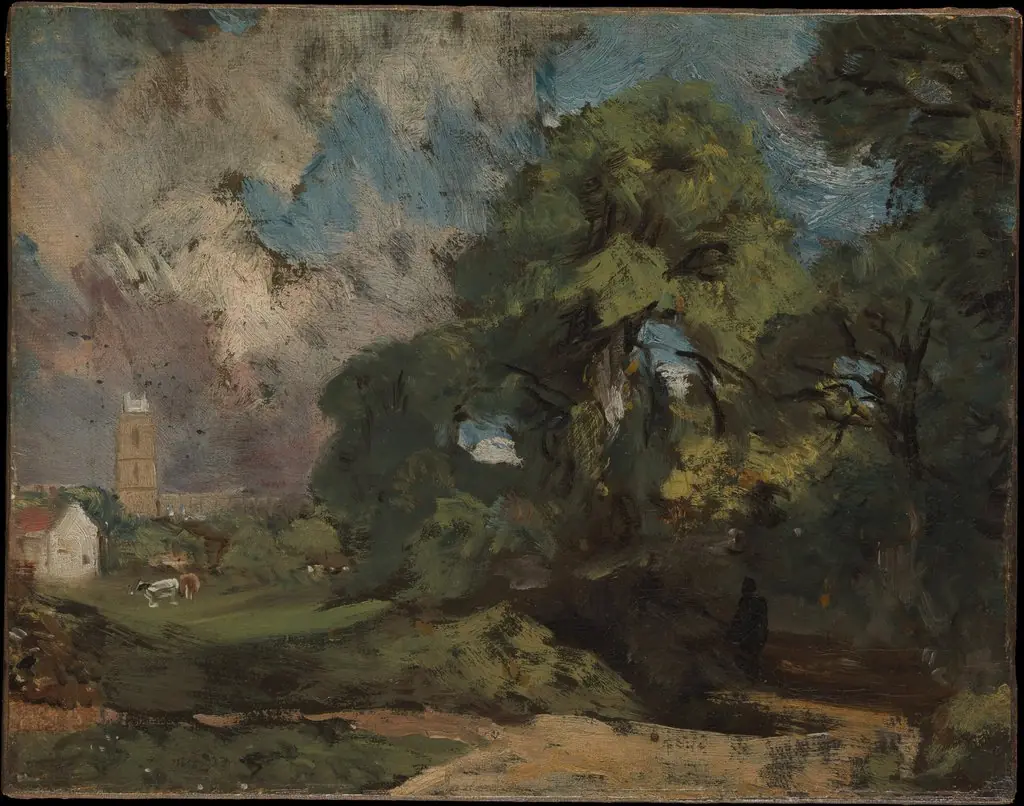
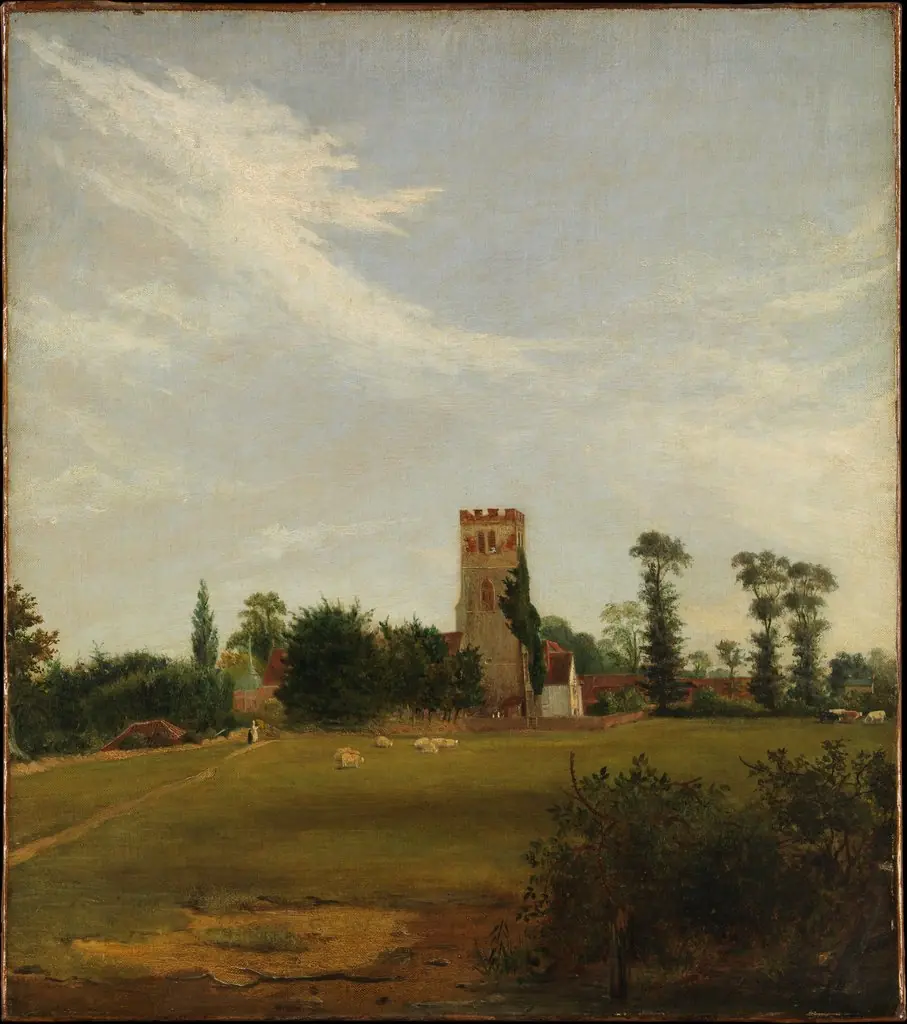
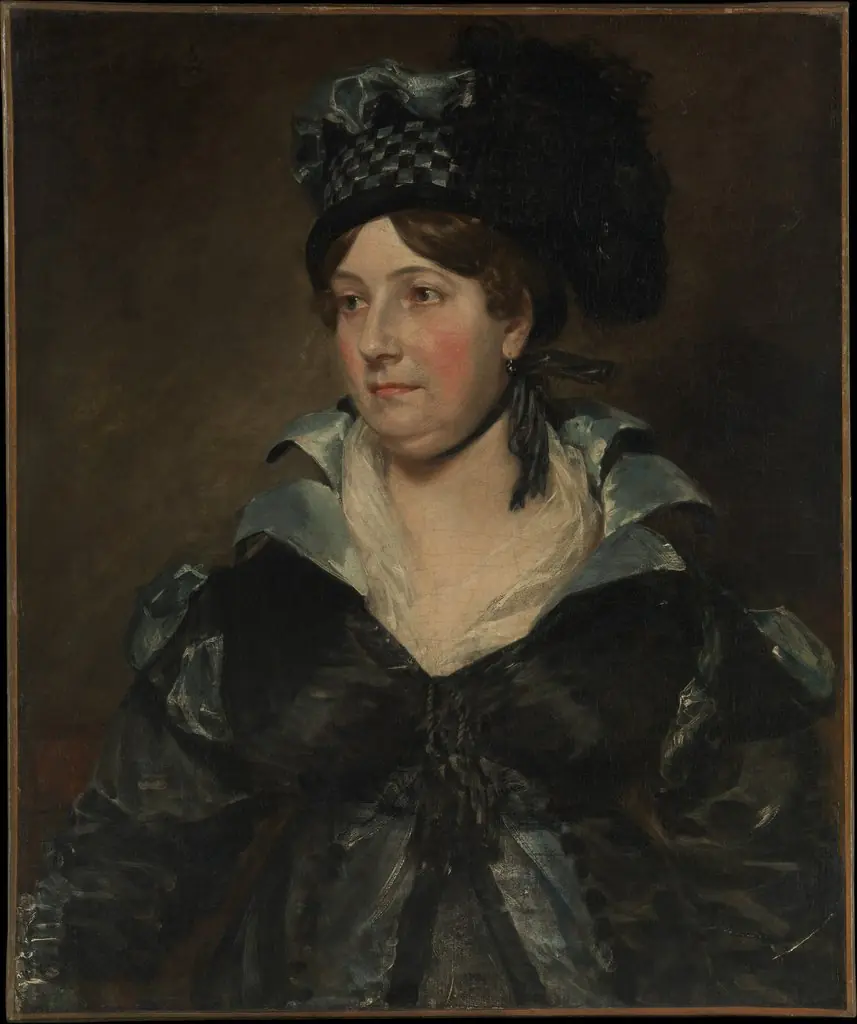
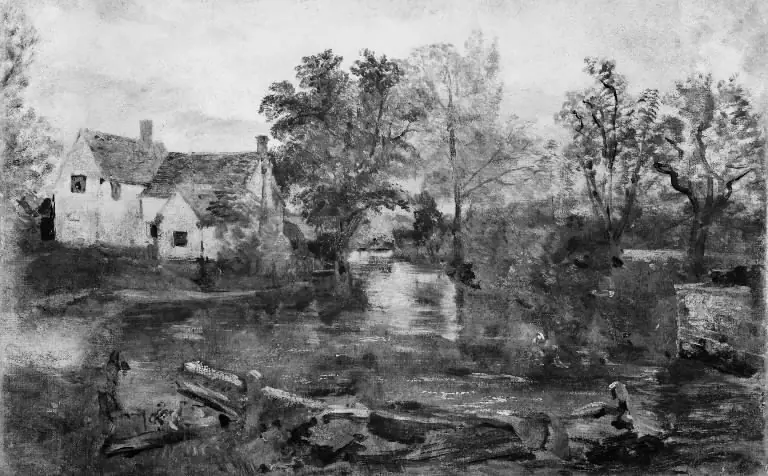
 Eltham bridge, Kent
 Landscape with Trees Surrounding a Pond
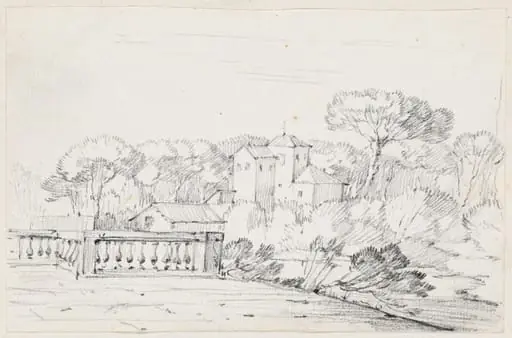 Terrace by a River with a Villa and Trees Beyond
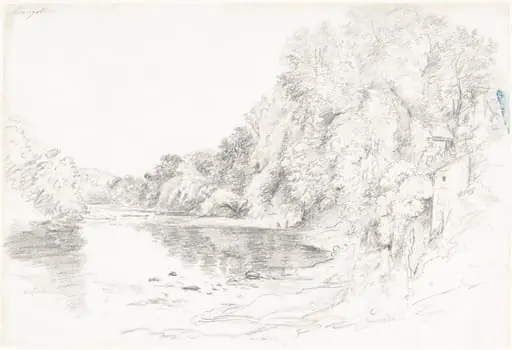 The River at Llangollen
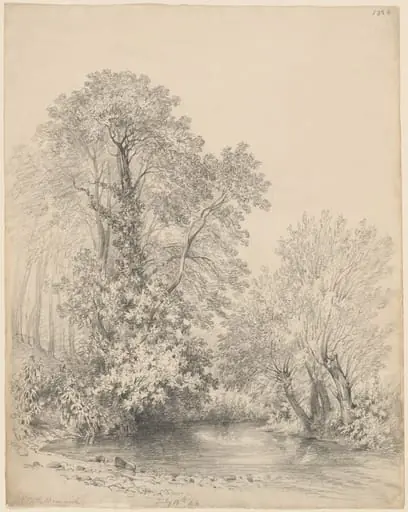 Trees by the River at Castle Bromwich
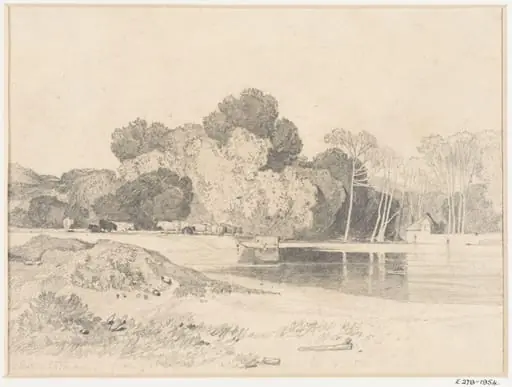 Cattle grazing beside a lake
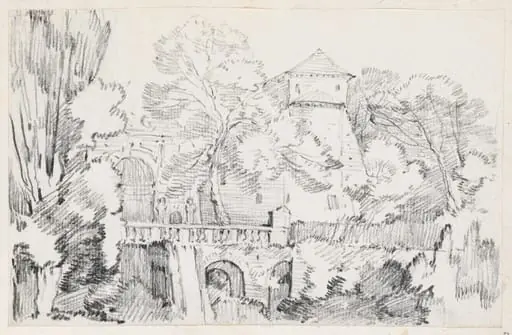 The Water Organ in the Gardens of the Villa d'Este, Tivoli
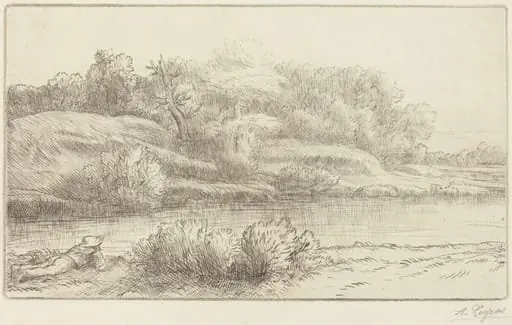 Banks of the Venelle (Bord de la Venelle)
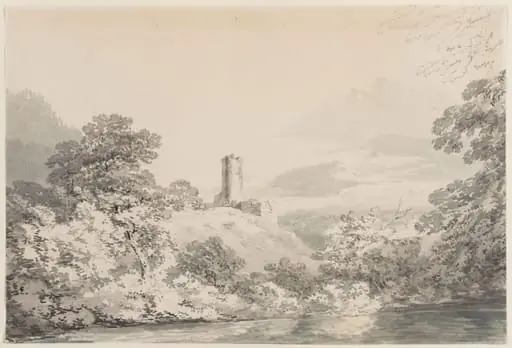 Landscape with tower on a rock