Artwork
A cottage and water-mill at Bignor
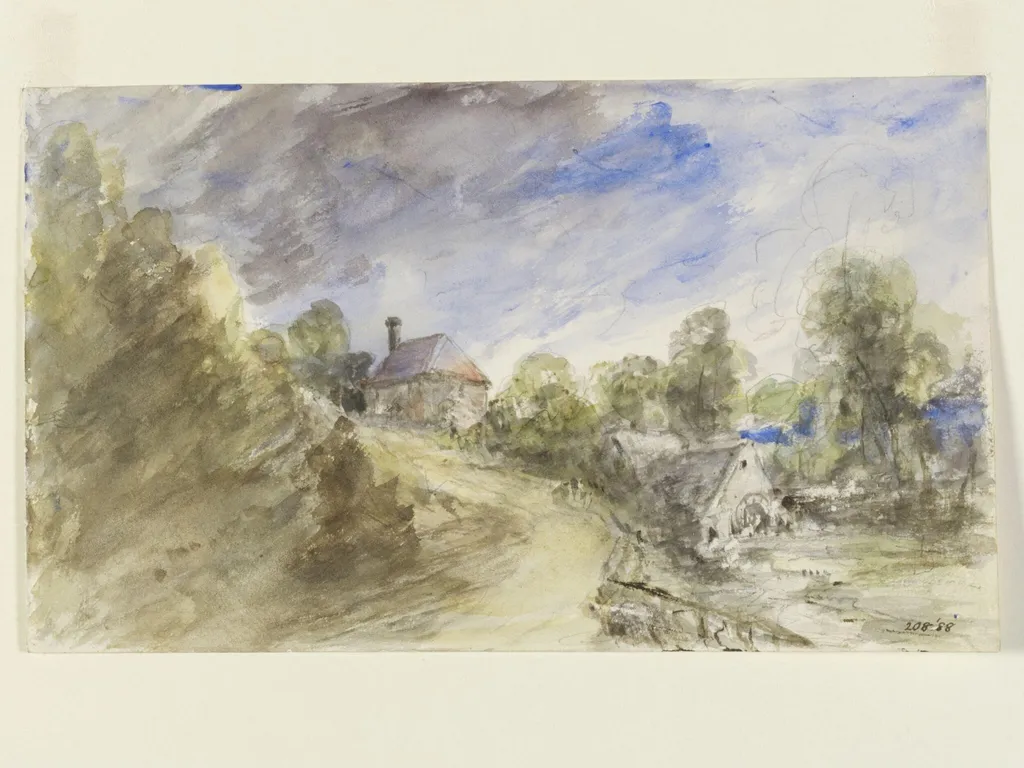
A cottage and water-mill at Bignor is a watercolor work on paper by the Romanticist artist John Constable. It dates from 1834 and is held in the collection of the Victoria and Albert Museum.
About this work
Overview
The composition centers on a modest cottage perched on a gentle slope, with a water-mill below it beside a winding stream.
John Constable created this watercolour in 1834, depicting a quiet rural scene near Bignor in Sussex. The composition centers on a modest cottage perched on a gentle slope, with a water-mill below it beside a winding stream. A narrow path connects the two structures, while trees frame the view. The work was among several watercolours and pencil sketches Constable submitted to the Royal Academy that year, reflecting his ongoing focus on English landscapes.
Subject & Meaning
The scene captures an unassuming corner of the English countryside, free from grandeur or narrative drama. The cottage and mill suggest a life tied to the land and water, their quiet presence evoking continuity rather than change. Constable’s choice of modest structures and ordinary terrain reflects his deep attachment to the familiar landscapes of his youth, valuing quiet dignity over spectacle.
Technique & Style
Constable employed loose, fluid brushwork to suggest the movement of air and water, using translucent layers of watercolour to build subtle tonal shifts. Greens, browns, and soft greys dominate, with pale blues and whites in the sky hinting at shifting light. The technique avoids sharp detail, instead emphasizing atmosphere and the transient effects of weather — a hallmark of his mature watercolour practice.
History & Provenance
Painted in 1834, this work was part of Constable’s annual submissions to the Royal Academy, where he increasingly turned to watercolour as a medium for personal expression. It remained in his possession until his death in 1837, later passing to his family. Its provenance traces through his descendants before entering public collections, where it is now recognized as a representative example of his later watercolours.
Context
In the 1830s, Constable was refining his approach to landscape beyond oil painting, exploring watercolour’s immediacy for capturing fleeting natural effects. While Romanticism often emphasized drama or the sublime, Constable’s focus remained on the ordinary, grounded in close observation. His watercolours from this period were less public-facing than his oils but reveal a deeper intimacy with his subjects.
Legacy
This watercolour exemplifies Constable’s enduring influence on landscape representation through quiet observation rather than idealization. His use of loose brushwork and naturalistic colour influenced later generations of British watercolourists and, indirectly, the Impressionists. Though not widely exhibited in his lifetime, such works are now valued for their honesty and sensitivity to the English countryside.
Artist & collection
Artist
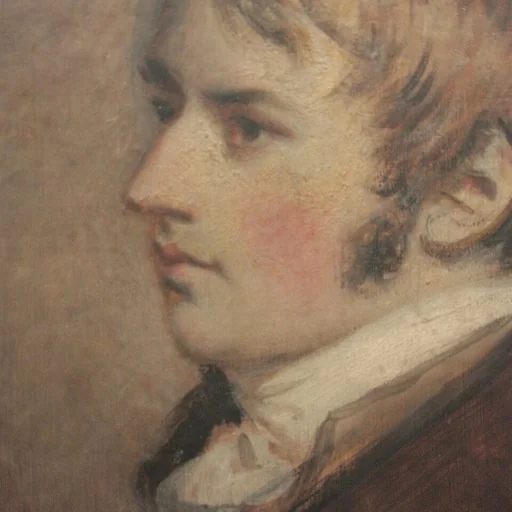
John Constable (; 11 June 1776 – 31 March 1837) was an English landscape painter in the Romantic tradition.

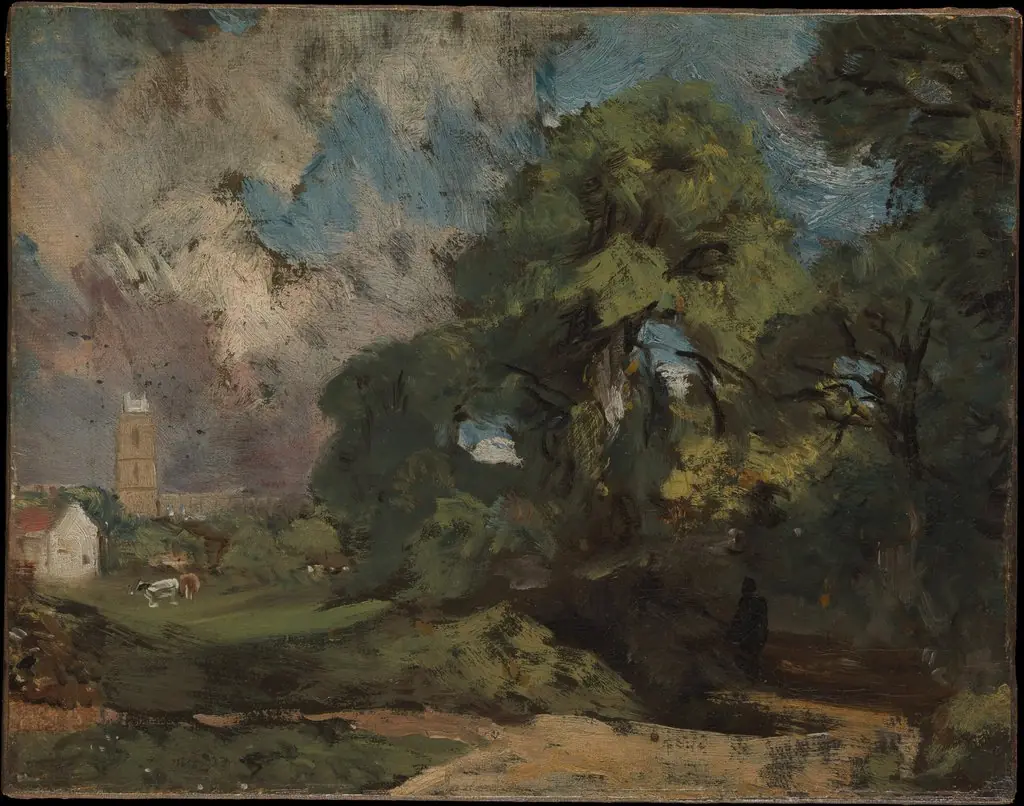
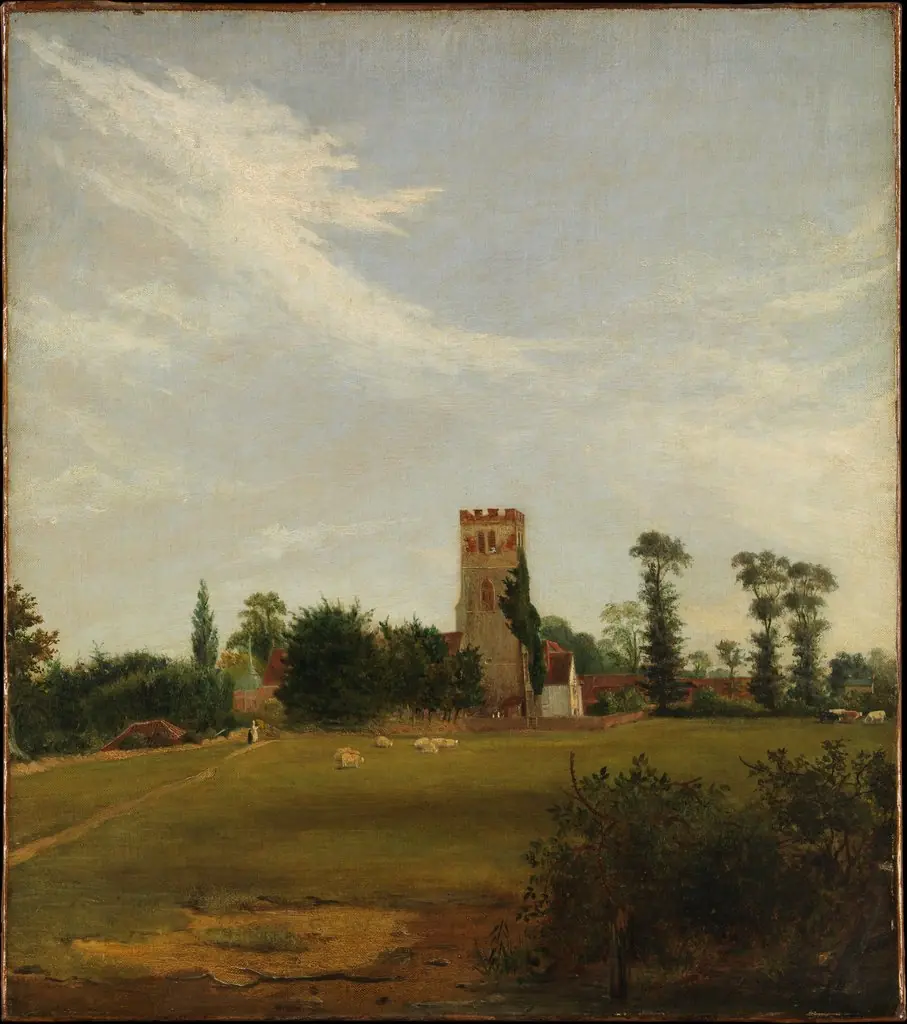
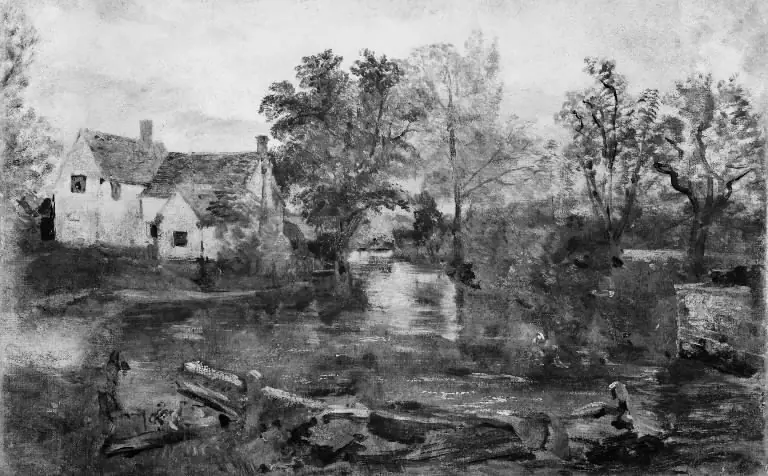
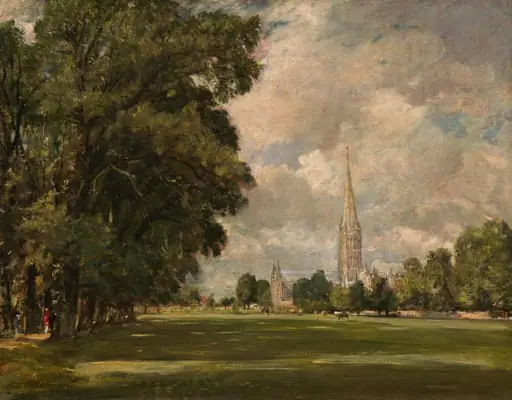
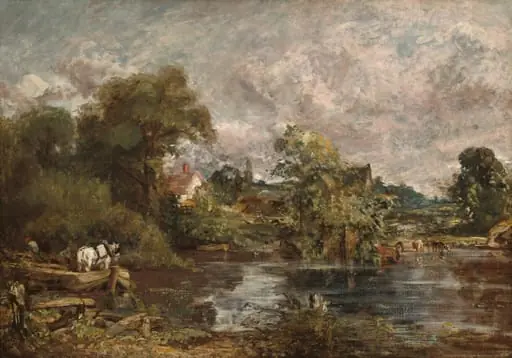
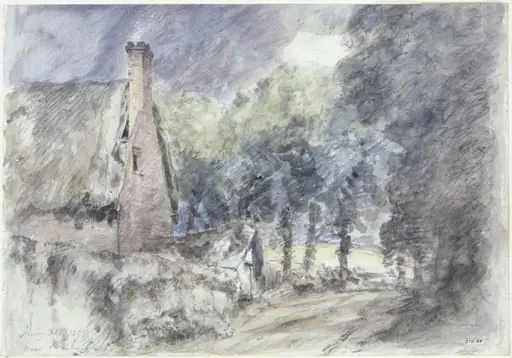 A cottage and Trees near Salisbury
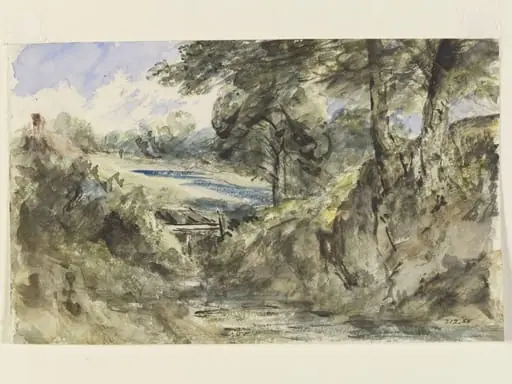 A brook with a high bank
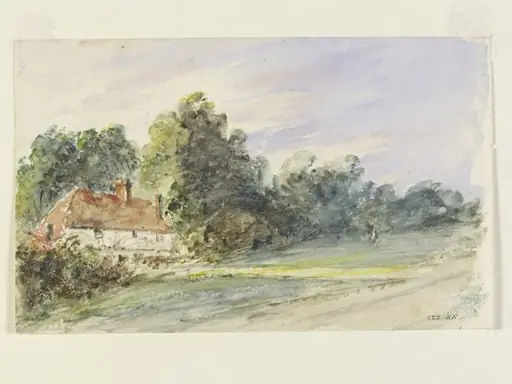 A cottage with a red-tiled roof, by a wood
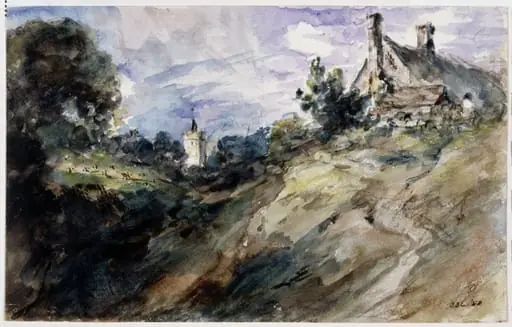 Cottages on a high bank
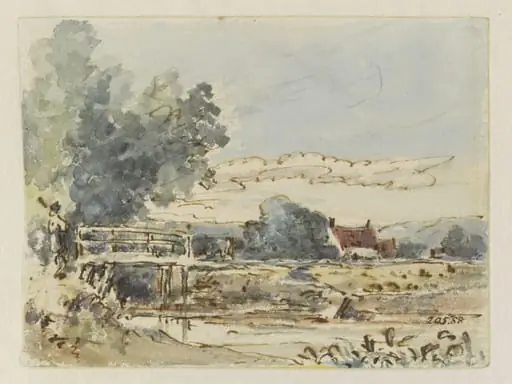 A bridge over a stream, with a cottage behind
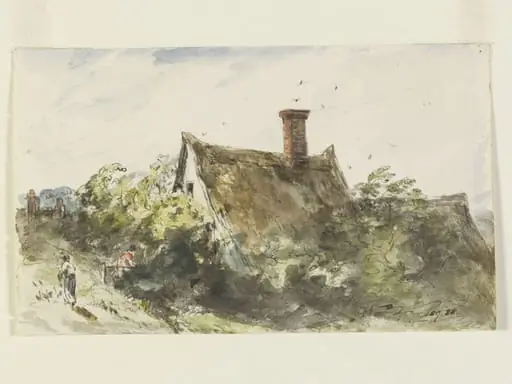 A thatched cottage and two figures
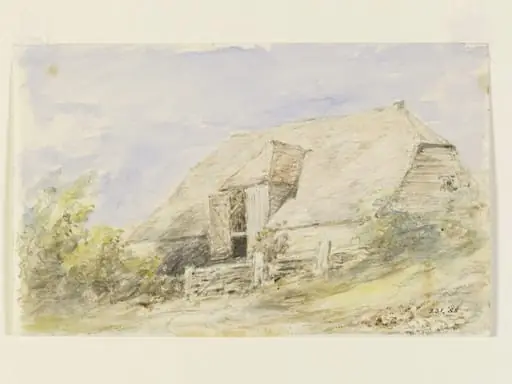 A barn.
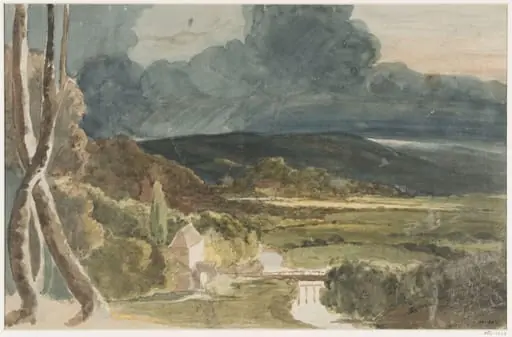 Landscape with river and mountains
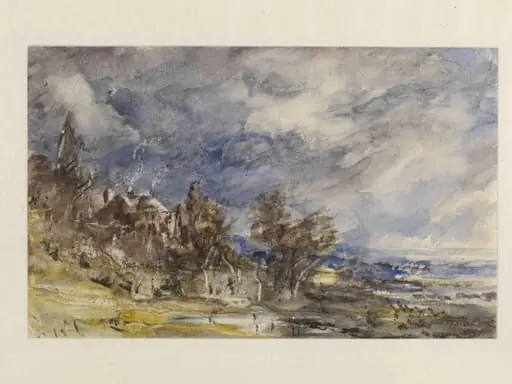 Hampstead Heath, from near Well Walk
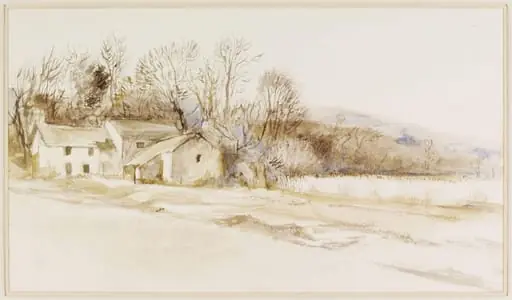 Old Mill, Clynne Valley, Gower, Glamorganshire
 Cottages on high ground.
 Hambledon